How to Say "to grieve" in Spanish
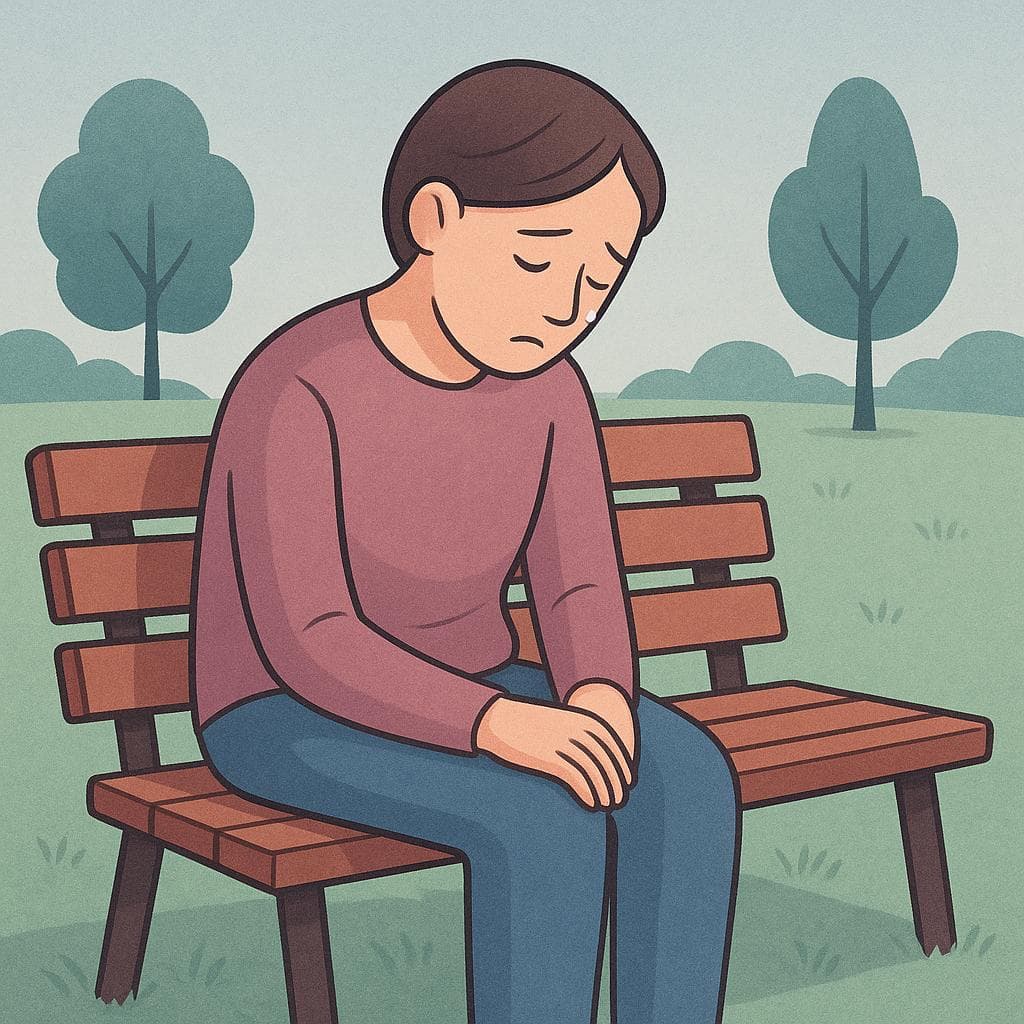
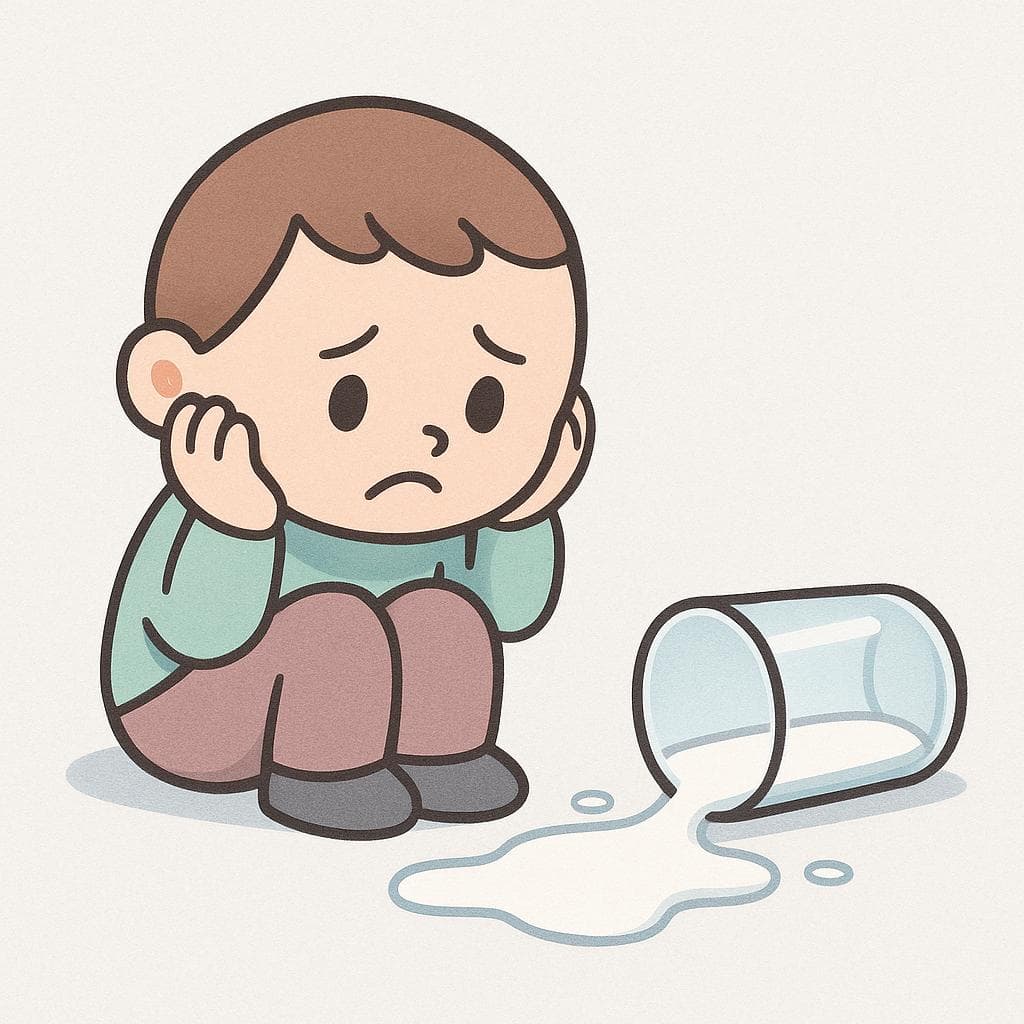
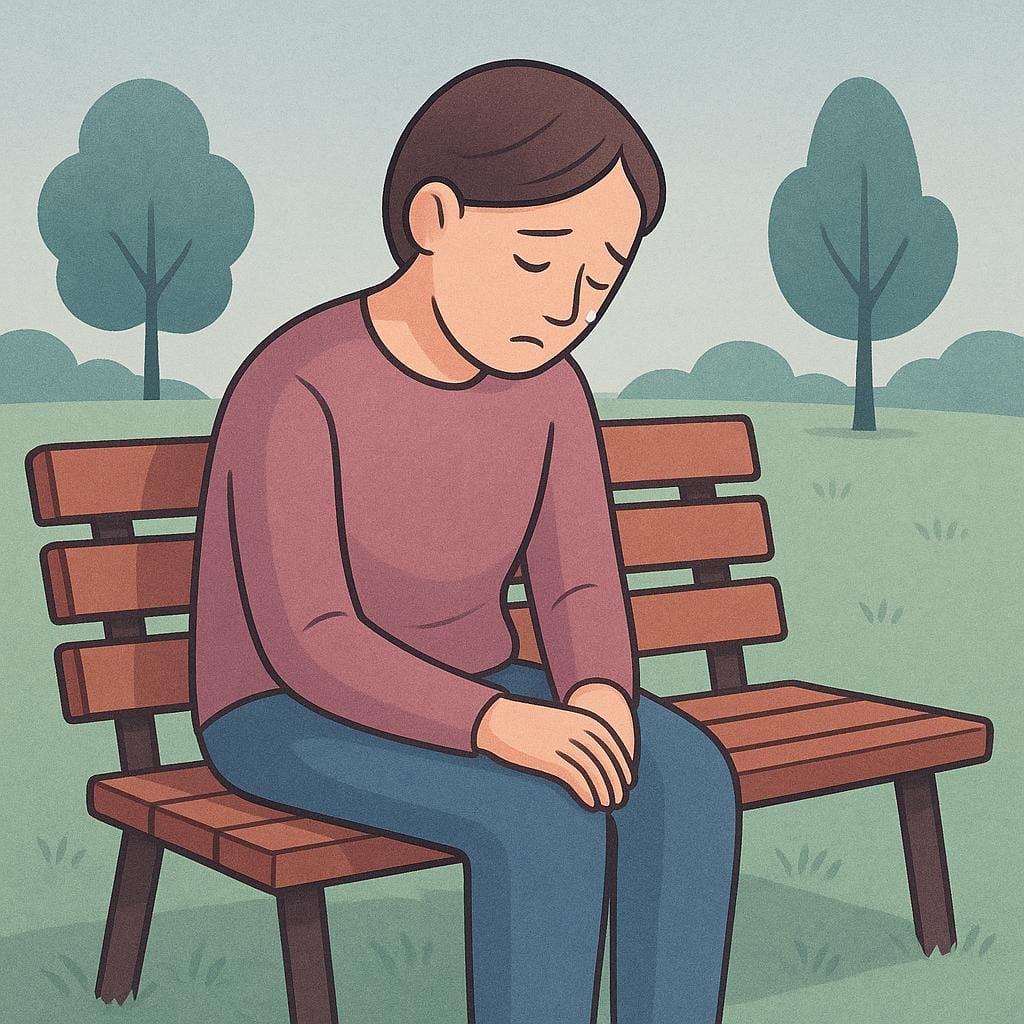
The most common Spanish word for “to grieve” is “doler” — use 'doler' when something causes you emotional pain or sorrow, often relating to a specific event or situation that affects you personally.


doler
doh-LEHRdoˈleɾ
Examples
Me duele que no me hayas llamado.
It pains me that you didn't call me.
Le duele mucho que sus hijos no la visiten.
It pains her greatly that her children don't visit her.
Nos duele pensar en todo el tiempo perdido.
It grieves us to think about all the lost time.
Me duele que la gente no sea más amable.
It bothers me that people aren't kinder (literally: It pains me that people...).
Doler + Subjunctive
When 'doler' expresses regret or sadness about someone else's action or a situation, the verb that follows must be in the subjunctive mood (the special form for wishes and feelings): 'Me duele que vivas tan lejos.'
Mixing Physical and Emotional Contexts
Mistake: “Me duele la noticia (I hurt the news).”
Correction: Me entristece la noticia (The news saddens me). While 'doler' works, 'entristecer' or 'dar pena' are often smoother for general bad news.
sufrir
soo-FREERsuˈfɾiɾ

Examples
Ella sufrió mucho la pérdida de su esposo.
She suffered greatly from the loss of her husband.
Mi abuelo sufrió mucho después de la operación.
My grandfather suffered a lot after the operation.
Ella sufre de insomnio crónico.
She suffers from chronic insomnia.
No quiero que sufras por mi culpa.
I don't want you to suffer because of me.
Sufrir vs. Padecer
Both mean 'to suffer,' but 'padecer' often suggests suffering from a specific, usually chronic, condition or disease, while 'sufrir' is more general.
Using 'de' for direct suffering
Mistake: “Sufro el dolor.”
Correction: Sufro de dolor. (The preposition 'de' is often used when talking about the source or condition being suffered.)
entristecer
en-trees-teh-SEHRentɾisteˈθeɾ

Examples
Me entristece la situación de los refugiados.
The refugees' situation saddens me.
Me entristece ver a los animales abandonados en la calle.
It saddens me to see abandoned animals on the street.
La noticia sobre la guerra entristeció a todo el país.
The news about the war saddened the entire country.
No quería entristecer tu fiesta con mis historias aburridas.
I didn't want to make your party sad with my boring stories.
The 'ZC' Change
For verbs like this that end in -ecer, the 'c' changes to 'zc' when you say 'yo' (I) in the present, or when you use the subjunctive (the forms for wishes/commands).
Using 'Me' and 'Te'
Just like 'gustar,' we often use this verb to say how things affect us: 'La lluvia me entristece' (The rain saddens me).
Literal Translation Error
Mistake: “Me hace triste.”
Correction: Me entristece.
pesar
peh-SAHRpeˈsaɾ
Examples
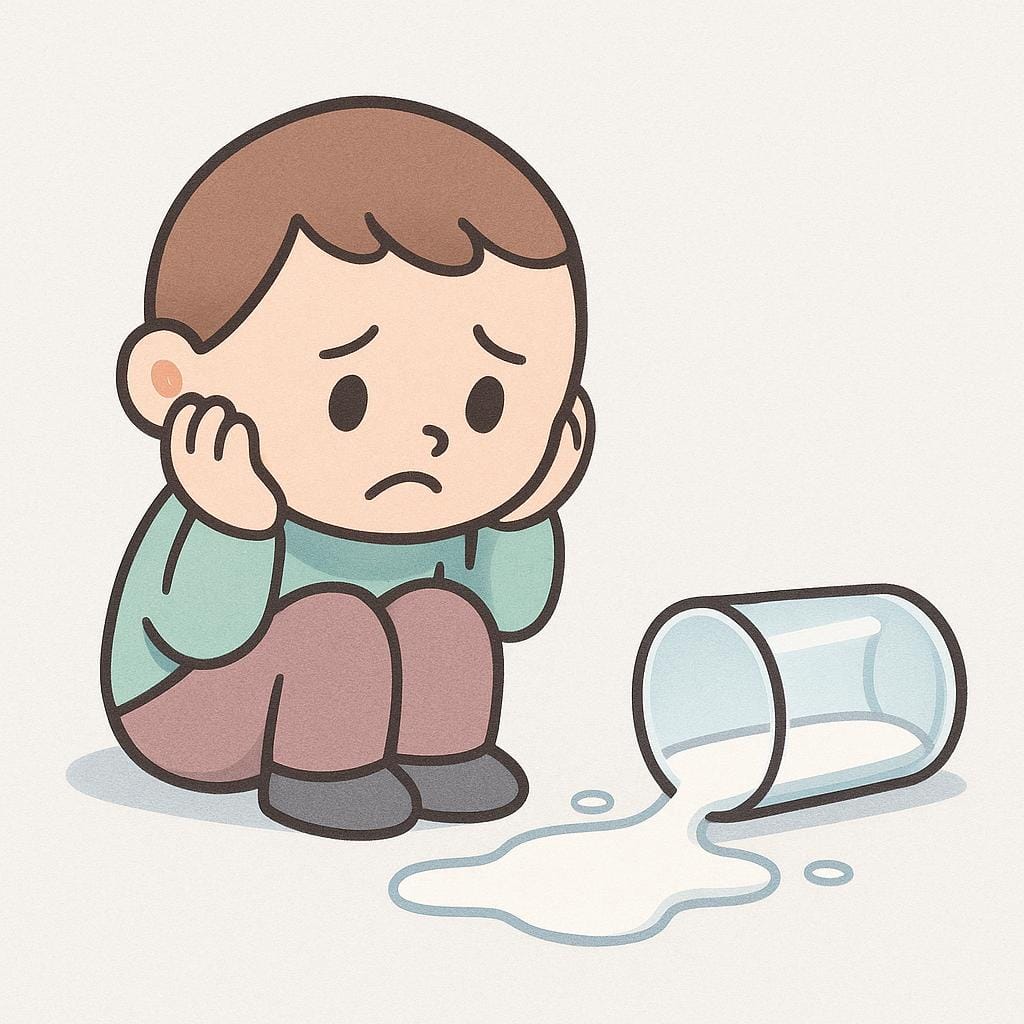
Me pesa haber dicho esas palabras.
I regret having said those words. (Literally: It weighs on me...)
Me pesa no haber ido a la universidad.
I regret not having gone to university. (Literally: It weighs on me...)
A ella le pesa mucho la muerte de su abuela.
Her grandmother's death weighs heavily on her.
Aunque es una decisión difícil, no me pesa.
Although it is a difficult decision, I don't regret it.
Used like 'Gustar'
When expressing regret, 'pesar' often uses indirect object pronouns (me, te, le, nos, les) to show who feels the weight/burden, similar to how the verb 'gustar' works.
Mixing up the subject
Mistake: “Yo peso el error. (Incorrect use for regret)”
Correction: Me pesa el error. (The error is the thing weighing on 'me'.)
Distinguishing 'doler' from 'sufrir'
Learn Spanish with Inklingo
Interactive stories, personalized learning, and more.