Inklingo

duele

/DWEH-leh/

it hurts

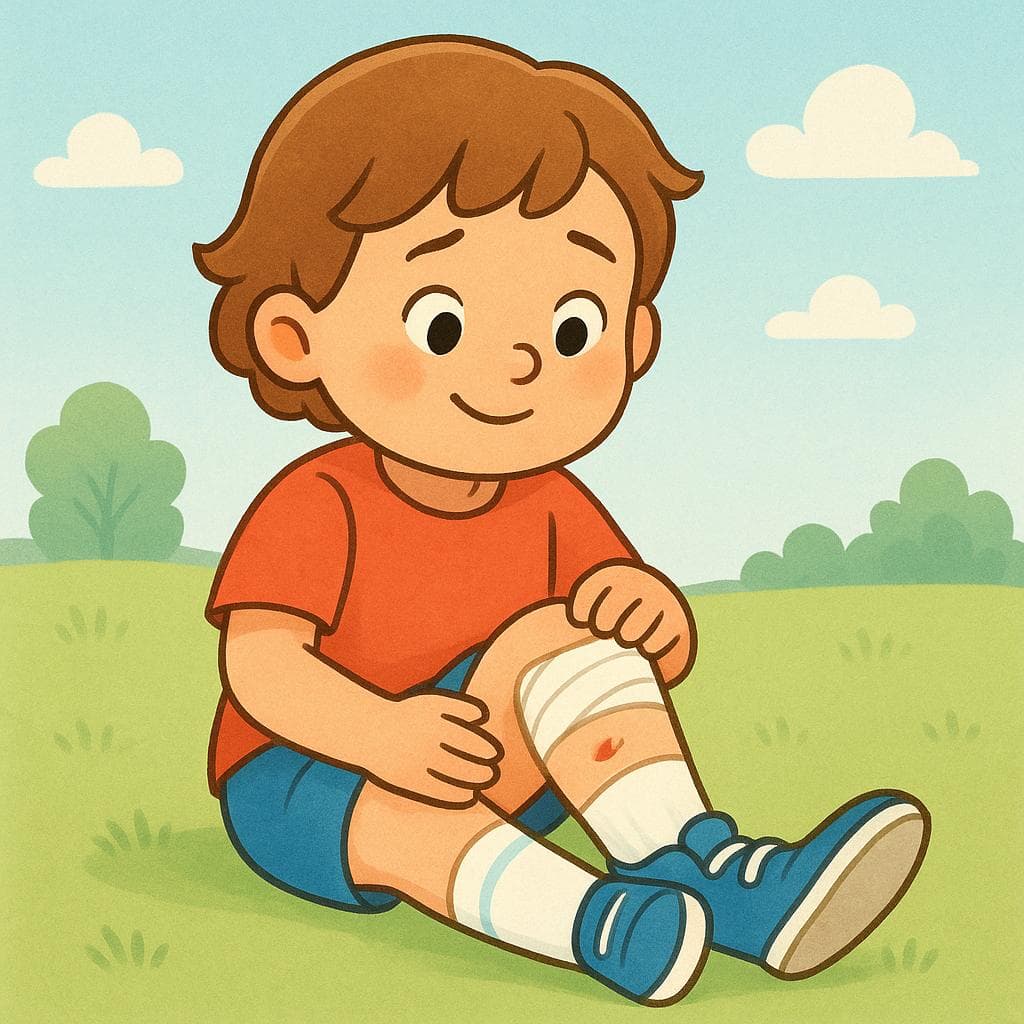
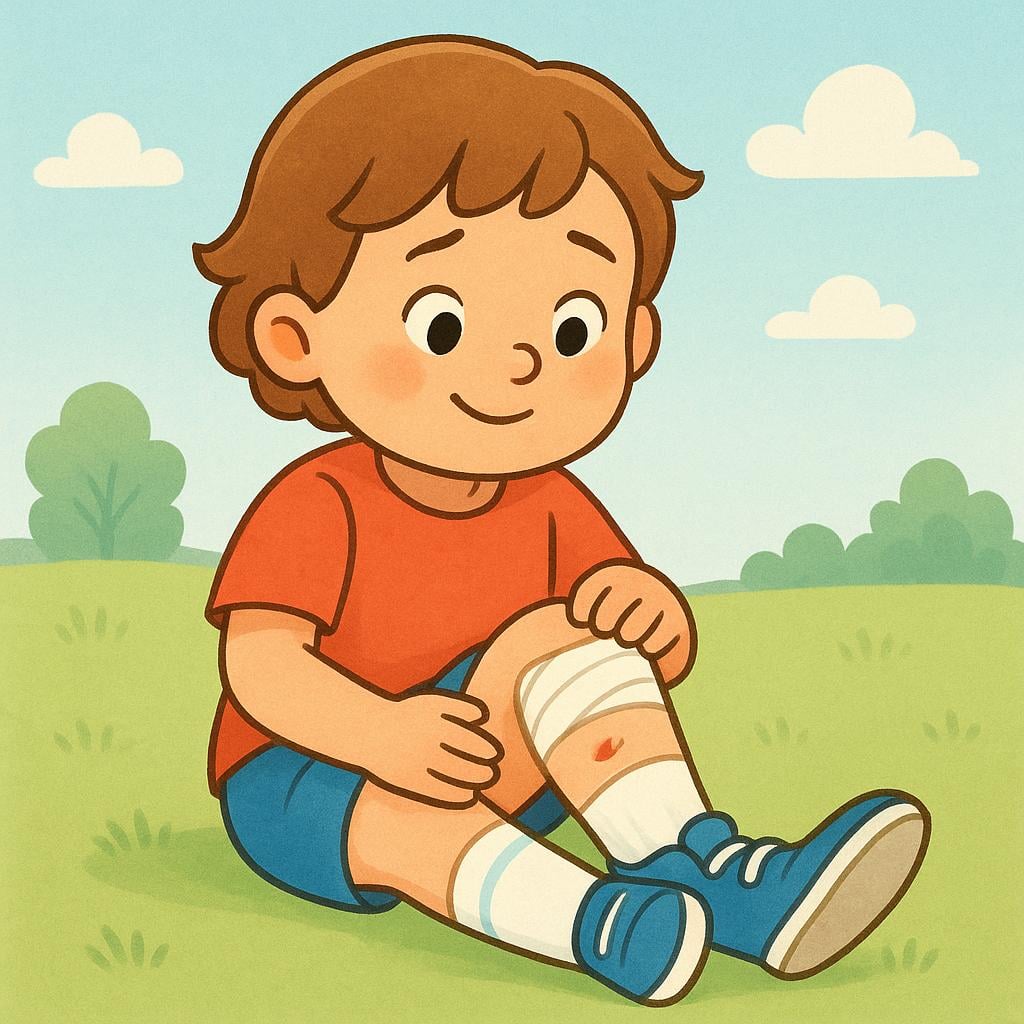
A small cartoon child sitting on the ground, gently holding their knee with a look of mild physical discomfort.

When referring to a body part, 'duele' means it hurts physically.

duele(Verb)

A1irregular (o:ue stem change) er

it hurts

?

referring to a body part

Also:

he/she has a pain in...

?

alternative phrasing

,

it aches

?

describing a dull pain

📝 In Action

Me duele la cabeza.

A1

My head hurts.

¿Te duele la garganta?

A1

Does your throat hurt?

A mi hermano le duele la espalda después de correr.

A2

My brother's back hurts after running.

Word Connections

Synonyms

Antonyms

  • aliviar (to relieve)
  • sanar (to heal)

Common Collocations

  • doler la cabezato have a headache
  • doler el estómagoto have a stomach ache
  • doler una muelato have a toothache

💡 Grammar Points

It Works Like 'Gustar'

In Spanish, you don't 'have' a pain; something 'gives' pain to you. Think of 'Me duele la cabeza' as 'The head gives pain to me'. The thing causing pain is the star of the sentence.

❌ Common Pitfalls

Saying 'Yo duelo'

Mistake: "A common mistake is saying 'Yo duelo la cabeza.'"

Correction: The correct way is 'Me duele la cabeza.' Always use 'me', 'te', 'le', etc., to show who is feeling the pain.

⭐ Usage Tips

'Duele' for One, 'Duelen' for Many

Use 'duele' when one thing hurts (la cabeza). Use 'duelen' when more than one thing hurts, like 'Me duelen los pies' (My feet hurt).

A solitary cartoon character sitting alone on a wooden bench, head bowed, displaying deep sadness and emotional pain.

'Duele' can also describe emotional pain or sadness.

duele(Verb)

B1irregular (o:ue stem change) er

it hurts

?

emotionally

Also:

it saddens

?

to cause sorrow

,

to regret

?

feeling sorry about something

📝 In Action

Me duele que no confíes en mí.

B1

It hurts me that you don't trust me.

Le duele haberte mentido.

B2

He/She regrets having lied to you.

Me duele ver tanta injusticia en el mundo.

B1

It pains me to see so much injustice in the world.

Word Connections

Synonyms

  • entristecer (to sadden)
  • apesadumbrar (to grieve)

Antonyms

  • alegrar (to make happy)

Common Collocations

  • doler en el almato hurt deep down, to hurt one's soul

Idioms & Expressions

  • Más vale curar que doler.An ounce of prevention is worth a pound of cure.

💡 Grammar Points

When an Action Hurts

When the thing that hurts you is a whole idea (like 'that you don't trust me'), you connect it with 'que'. The verb after 'que' will then use a special form for moods and feelings: 'Me duele que te vayas' (It hurts me that you're leaving).

⭐ Usage Tips

Deeper Than Sadness

Using 'duele' for emotions is stronger than just saying 'estoy triste' (I'm sad). It suggests a deep, personal pain or a strong sense of regret over something.

🔄 Conjugations

indicative

present

él/ella/ustedduele
yoduelo
dueles
ellos/ellas/ustedesduelen
nosotrosdolemos
vosotrosdoléis

imperfect

él/ella/usteddolía
yodolía
dolías
ellos/ellas/ustedesdolían
nosotrosdolíamos
vosotrosdolíais

preterite

él/ella/usteddolió
yodolí
doliste
ellos/ellas/ustedesdolieron
nosotrosdolimos
vosotrosdolisteis

subjunctive

present

él/ella/ustedduela
yoduela
duelas
ellos/ellas/ustedesduelan
nosotrosdolamos
vosotrosdoláis

imperfect

él/ella/usteddoliera o doliese
yodoliera o doliese
dolieras o dolieses
ellos/ellas/ustedesdolieran o doliesen
nosotrosdoliéramos o doliésemos
vosotrosdolierais o dolieseis

✏️ Quick Practice

💡 Quick Quiz: duele

Question 1 of 1

How would you say 'My feet hurt' in Spanish?

📚 More Resources

Word Family

doler(to hurt) - verb
dolor(pain) - noun
doloroso(painful) - adjective

Frequently Asked Questions

What's the difference between 'duele' and 'lastima'?

'Duele' describes the feeling of pain you experience inside ('Me duele la pierna' - My leg hurts). 'Lastima' often describes an action that causes an injury ('Él me lastimó la pierna' - He hurt my leg). 'Duele' is about the state of hurting, while 'lastima' is more about the act of hurting.

Why does the verb 'doler' change from 'o' to 'ue' (like in 'duele')?

'Doler' is a 'stem-changing' verb. In many common situations, like this one, the 'o' in the middle of the word changes to 'ue' to make it easier to pronounce. But notice how it changes back to 'o' for 'nosotros': 'nosotros dolemos'. It's a pattern you'll see in many other Spanish verbs!