How to Say "to brush" in Spanish
The most common Spanish word for “to brush” is “cepillar” — use this word when you are using a brush with bristles to clean or groom something like hair, teeth, clothes, or even a pet.
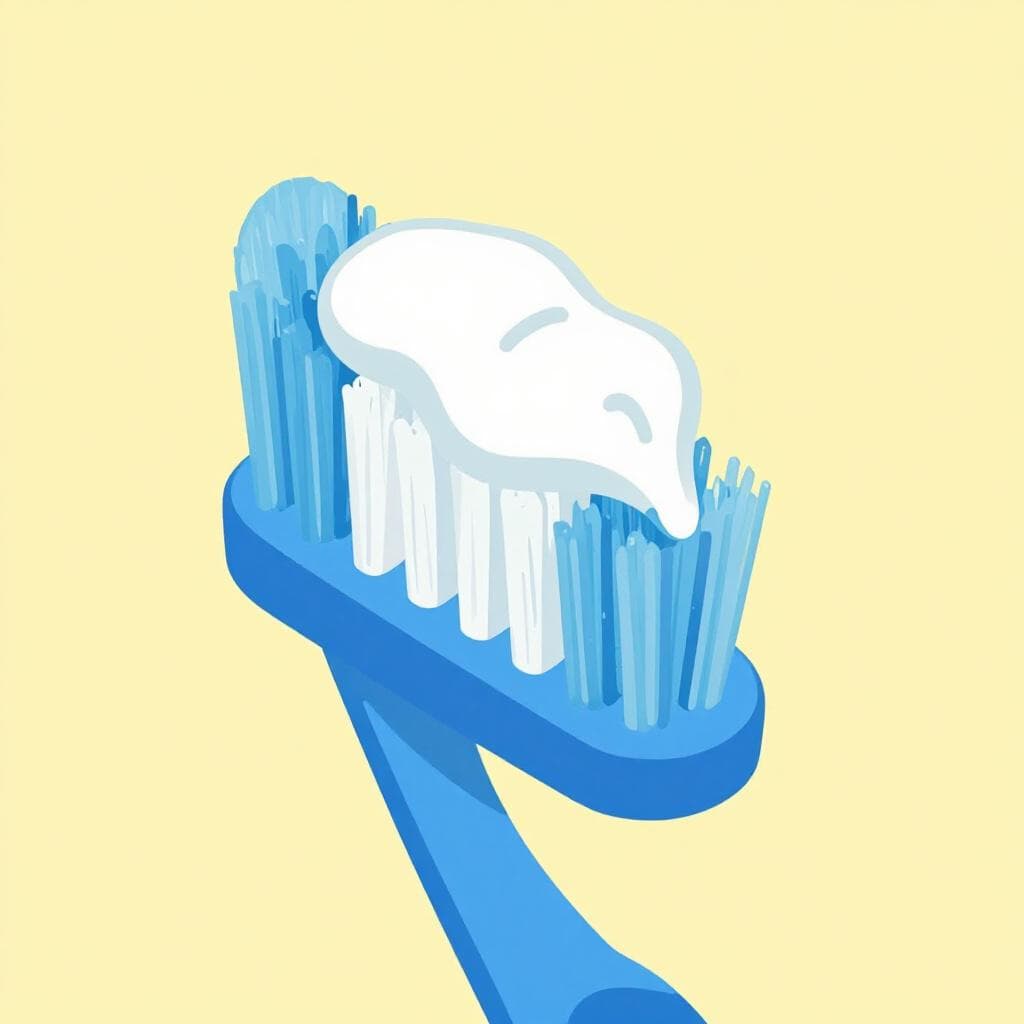
Use this word when you are using a brush with bristles to clean or groom something like hair, teeth, clothes, or even a pet.
Learn more →
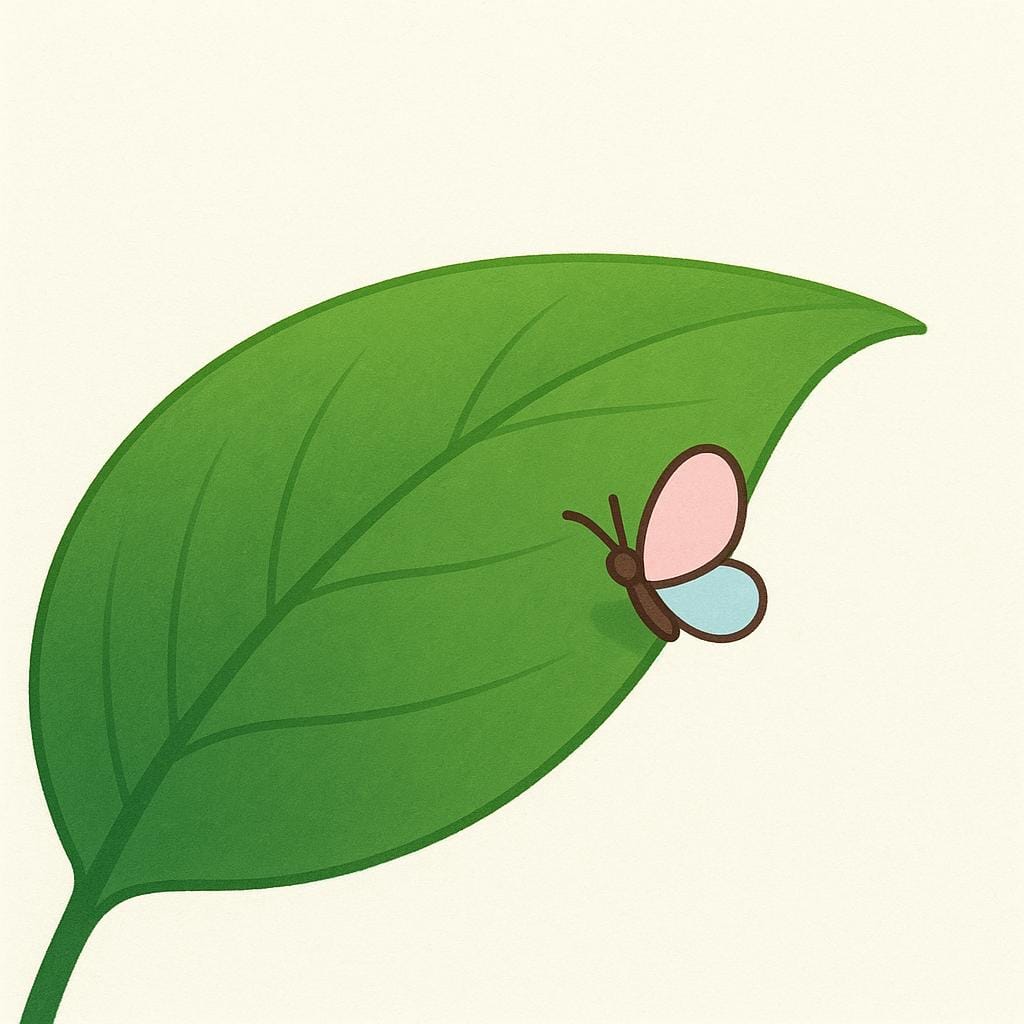
This word is used figuratively to describe a very light touch, often as if something or someone is being kissed, like a brief graze or a gentle brush against something.
Learn more →seh-pee-yahrθepiˈʝaɾ
Examples
Necesito cepillar mi pelo antes de salir.
I need to brush my hair before going out.
Debes cepillar al perro todos los días.
You must brush the dog every day.
Él está cepillando su traje para la fiesta.
He is brushing his suit for the party.
Es necesario cepillar los dientes después de comer.
It is necessary to brush your teeth after eating.
Using Reflexive Forms
When you brush your own body parts (like teeth or hair), you must add 'me', 'te', 'se' etc. and use 'the' (el/la) instead of 'my' (mi). For example: 'Me cepillo los dientes' (I brush my teeth).
Brushing Something Else
If you are brushing an object (like a coat) or someone else (like a dog), you don't need the reflexive 'me/te/se' forms.
Possessive Trap
Mistake: “Cepillo mis dientes.”
Correction: Me cepillo los dientes. In Spanish, we use the reflexive 'me' and the article 'los' when talking about our own body parts.
beh-SARbeˈsaɾ
Examples
El viento casi logró besar su cara.
The wind almost managed to brush his face.
La bala solo logró besar su hombro.
The bullet only managed to graze his shoulder.
Las olas besaban suavemente la arena de la playa.
The waves gently kissed (brushed) the sand on the beach.
Figurative Use
This meaning extends the idea of a gentle 'kiss' to inanimate objects, suggesting a soft, momentary touch, often used in descriptive writing.
Don't confuse brushing with kissing!
Learners often mistakenly use 'besar' for the physical act of brushing hair or teeth. Remember, 'besar' implies a very light, figurative touch, while 'cepillar' is for the practical, bristle-based action.
Related Translations
Learn Spanish with Inklingo
Interactive stories, personalized learning, and more.