cepillar
“cepillar” means “to brush” in Spanish. It has 3 different meanings depending on context:
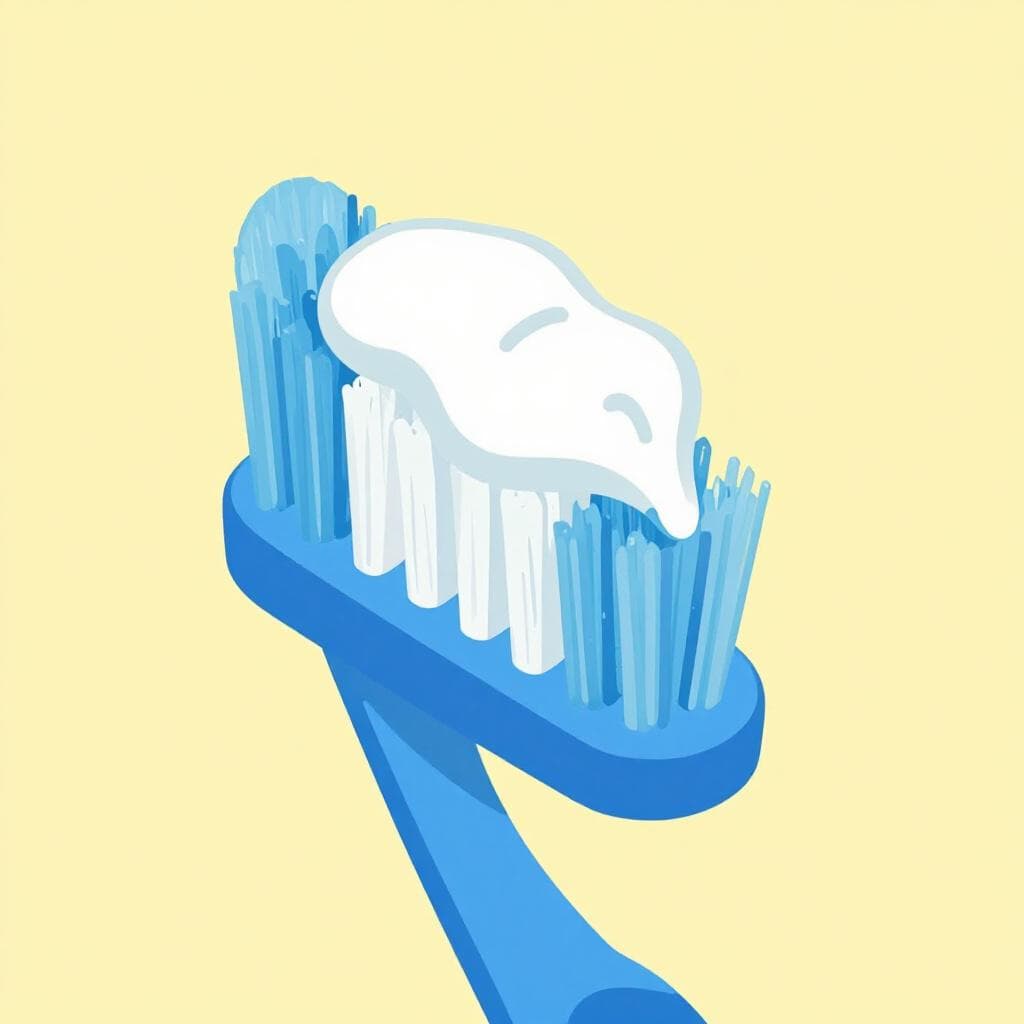

to brush
Also: to scrub
📝 In Action
Debes cepillar al perro todos los días.
A1You must brush the dog every day.
Él está cepillando su traje para la fiesta.
A2He is brushing his suit for the party.
Es necesario cepillar los dientes después de comer.
A1It is necessary to brush your teeth after eating.
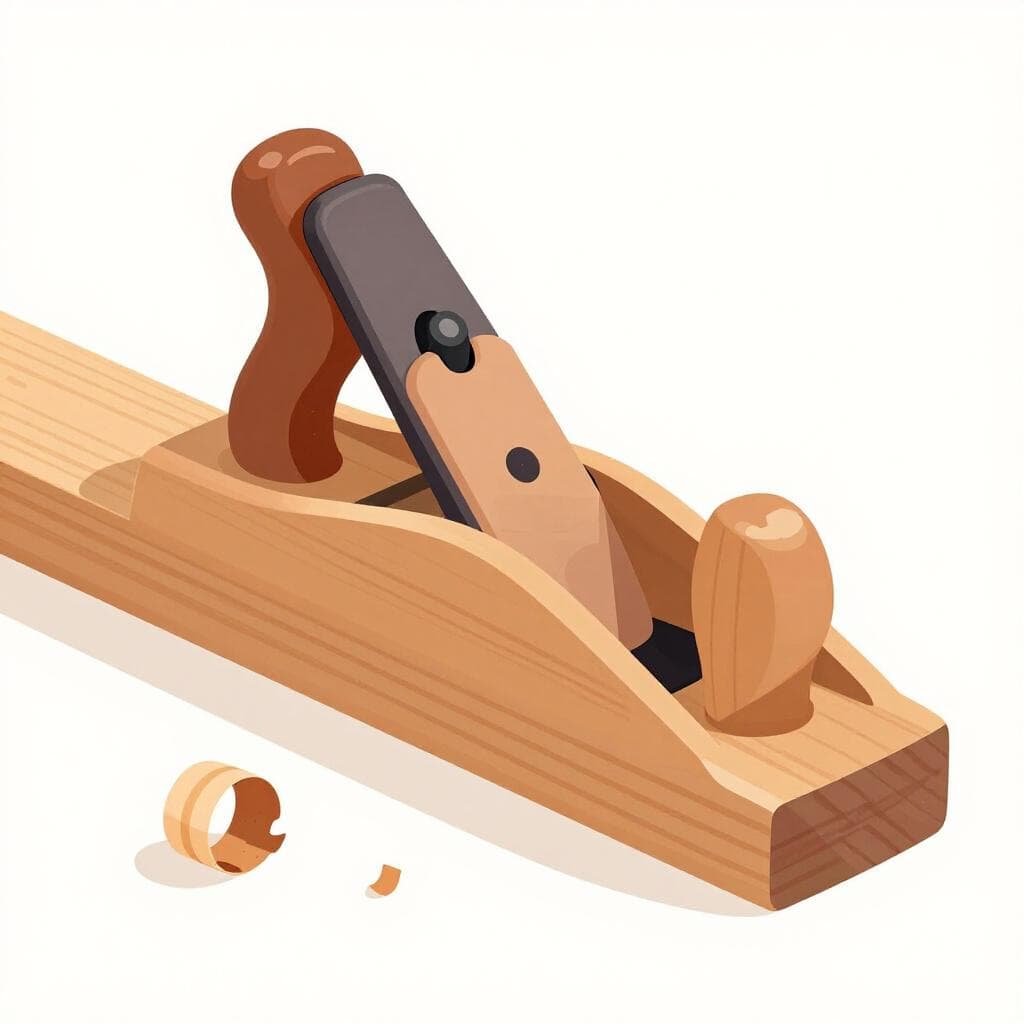
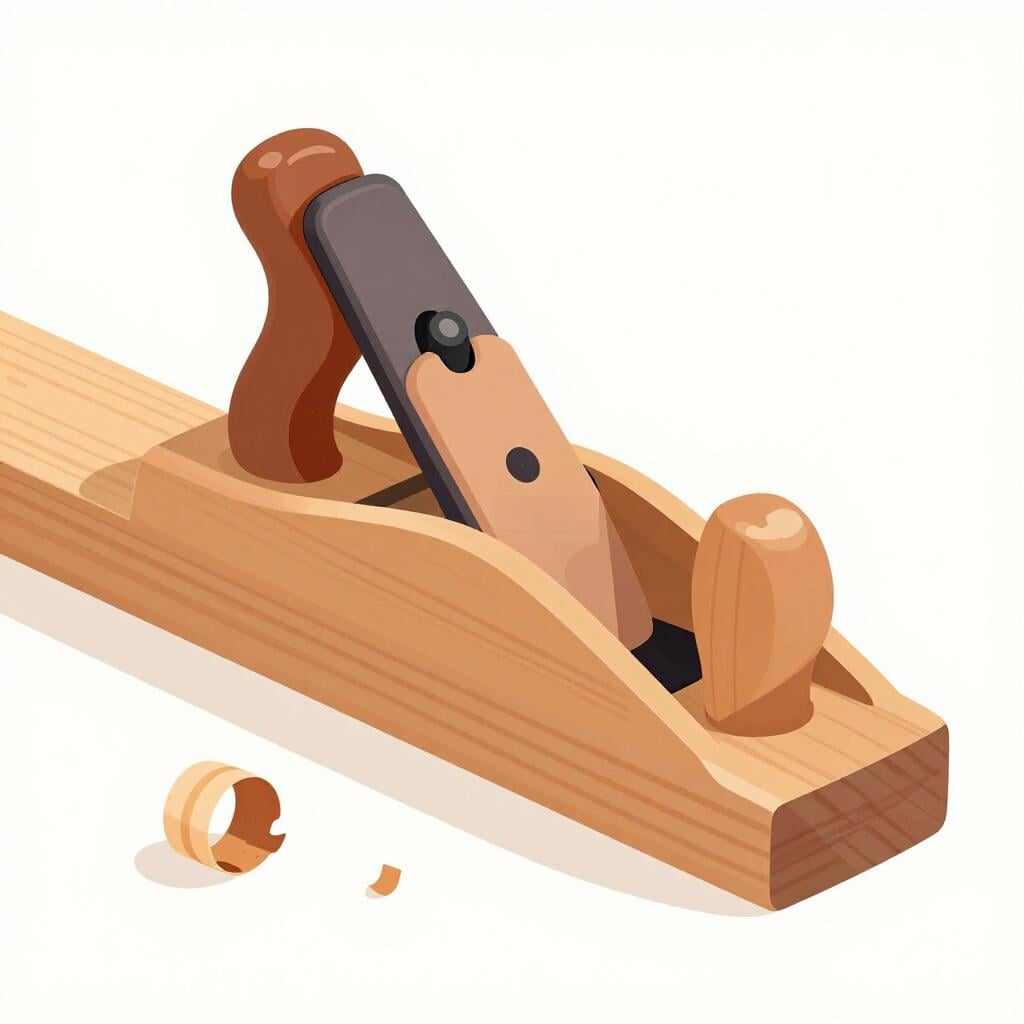
to plane
📝 In Action
El carpintero necesita cepillar la tabla para que quede lisa.
B2The carpenter needs to plane the board so it stays smooth.
to clean out
Also: to fire/get rid of
📝 In Action
En el póquer, Juan me cepilló cincuenta euros.
C1In poker, Juan cleaned me out of fifty euros.
El entrenador se cepilló a tres jugadores antes del torneo.
C2The coach got rid of three players before the tournament.
Subjunctive
Imperfect Subjunctive
Present Subjunctive
Indicative
Preterite
Imperfect
Present
✏️ Quick Practice
Quick Quiz: cepillar
Question 1 of 3
How do you say 'I brush my teeth' correctly?
📚 More Resources
👥 Word Family▼
📚 Etymology▼
From 'cepillo', which is a smaller version of 'cepo' (a block of wood or branch), coming from the Latin 'cippus'.
First recorded: 13th century
Cognates (Related words)
💡 Master Spanish
Take your Spanish to the next level. Read 200+ illustrated and narrated Spanish stories tailored to your level with the Inklingo app!
Frequently Asked Questions
Is 'cepillar' a regular verb?
Yes, it follows the standard pattern for all verbs ending in -ar in all tenses.
When should I use 'peinar' instead of 'cepillar'?
Use 'peinar' if you are using a comb (peine). Use 'cepillar' if you are using a brush (cepillo).
Can 'cepillar' be used for cleaning the floor?
Usually, we use 'barrer' (to sweep) for floors. Use 'cepillar' if you are specifically scrubbing a spot with a handheld brush.