How to Say "clean" in Spanish
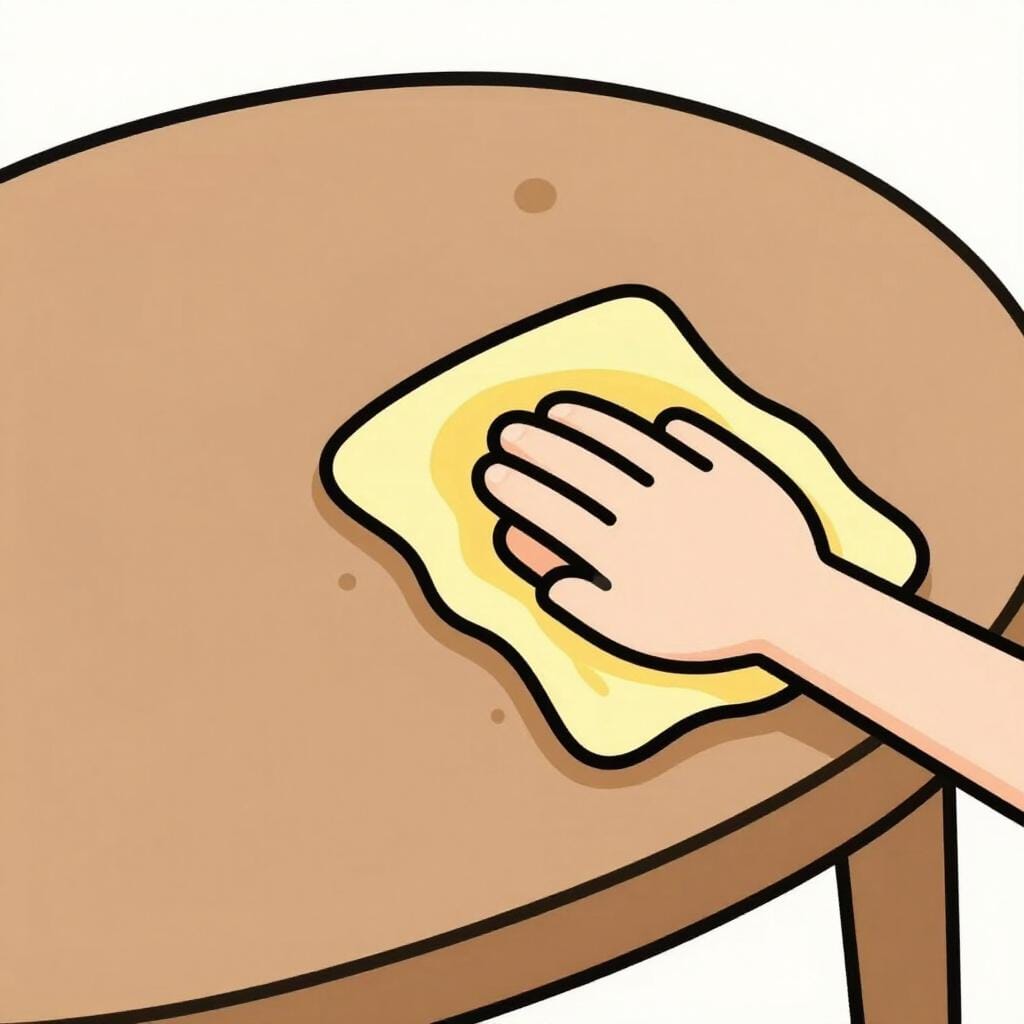
The most common Spanish word for “clean” is “limpiar” — use this verb when you need to actively remove dirt, mess, or impurities from a place or object.
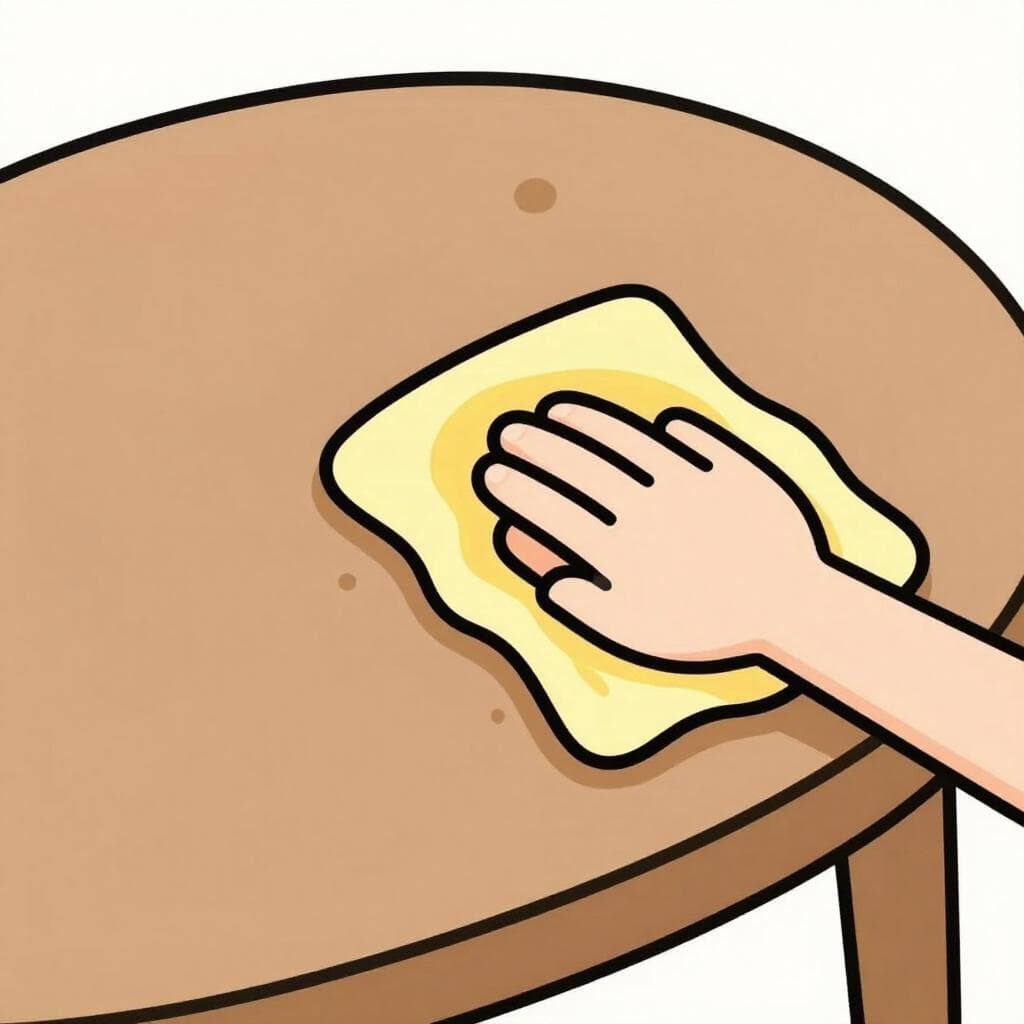



limpiar
leem-pyahrlimˈpjaɾ
Examples
Necesito limpiar la cocina antes de que lleguen los invitados.
I need to clean the kitchen before the guests arrive.
Mi abuela siempre limpia las ventanas con vinagre.
My grandmother always cleans the windows with vinegar.
¿Puedes ayudarme a limpiar la mesa después de comer?
Can you help me clear/clean the table after eating?
Regularity is Key
Limpiar is a perfectly regular verb, which is great news! It follows the standard -AR verb endings in every single tense, making it very easy to learn.
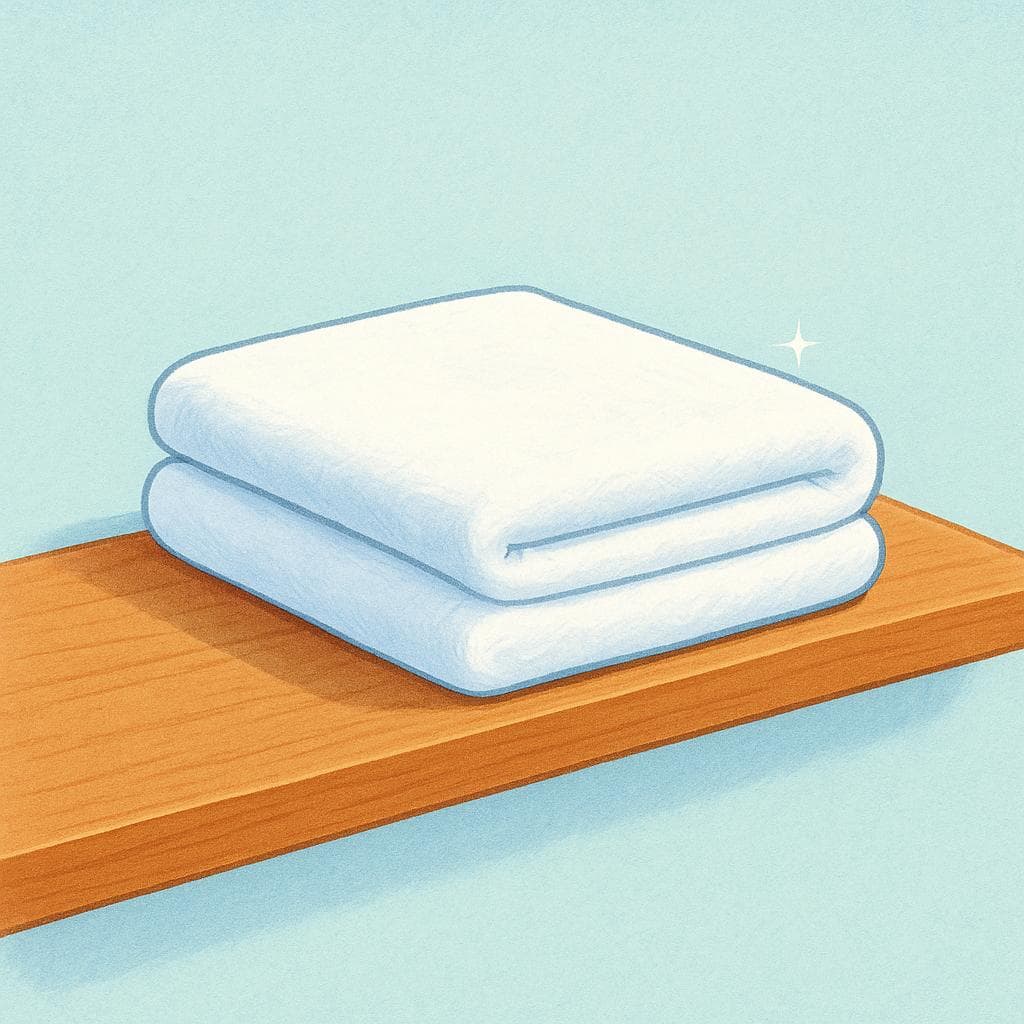
limpio
LIM-pyohˈlimpjo
Examples
Mi habitación está limpia por fin.
My room is clean finally.
¿Está limpio el plato?
Is the plate clean?
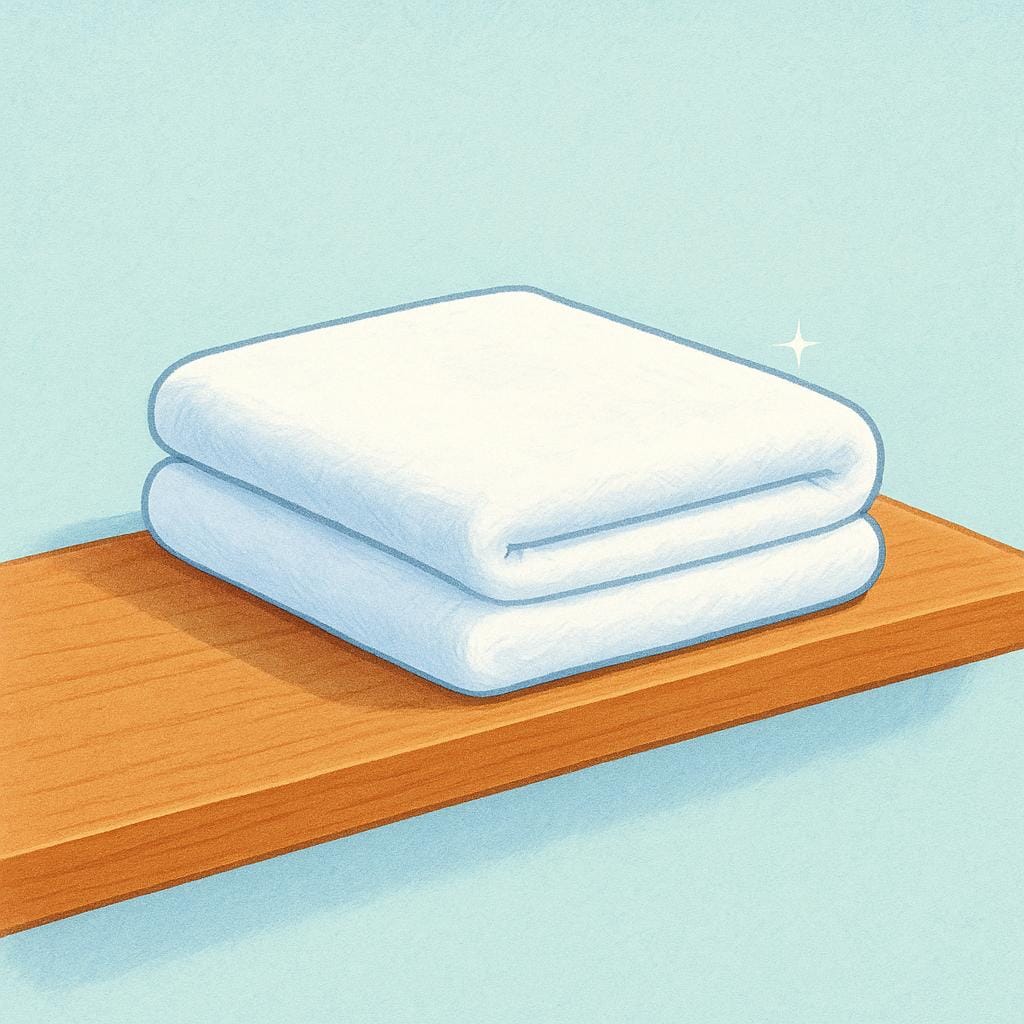
Necesito una toalla limpia.
I need a clean towel.
Gender and Number
As an adjective, 'limpio' must match the person or thing it describes. Use 'limpia' for feminine nouns (la casa limpia) and 'limpios/limpias' for plurals (los pisos limpios).
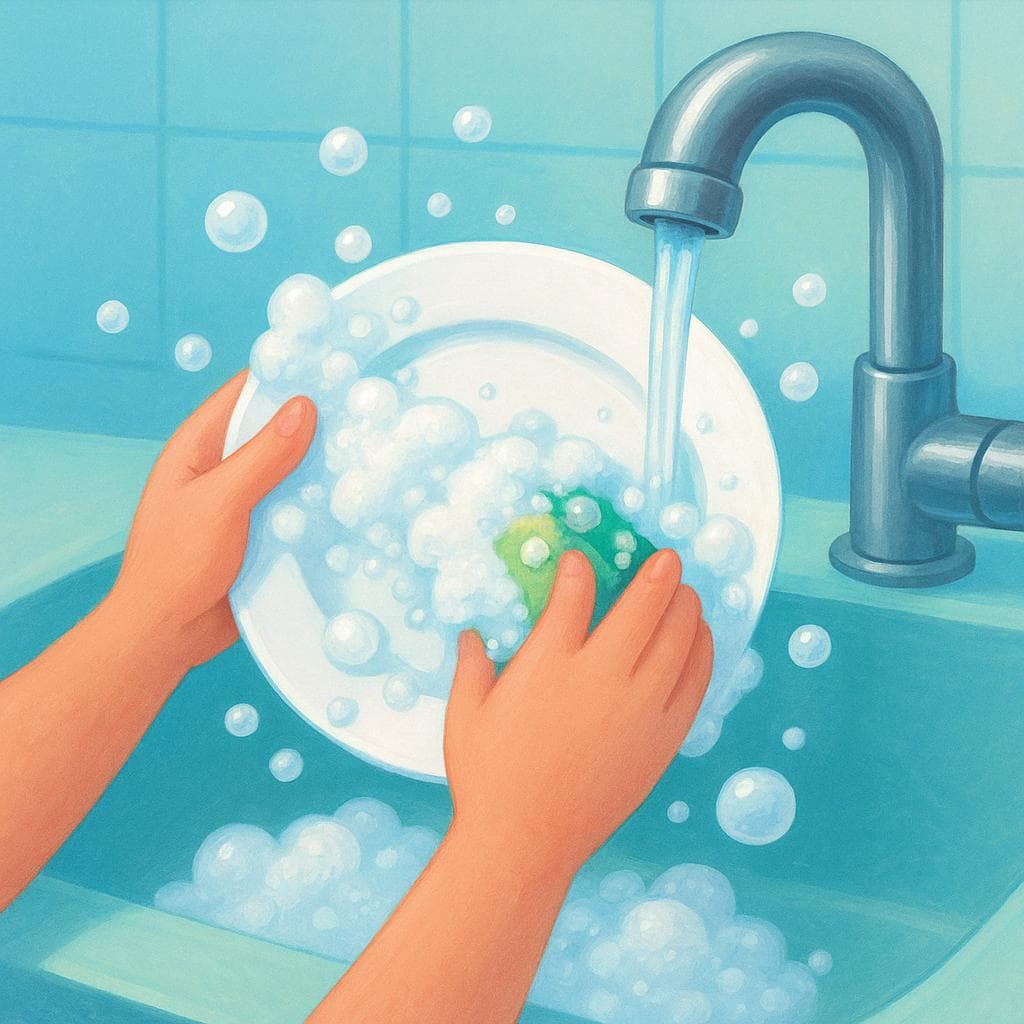
lava
lah-bahˈla.βa
Examples
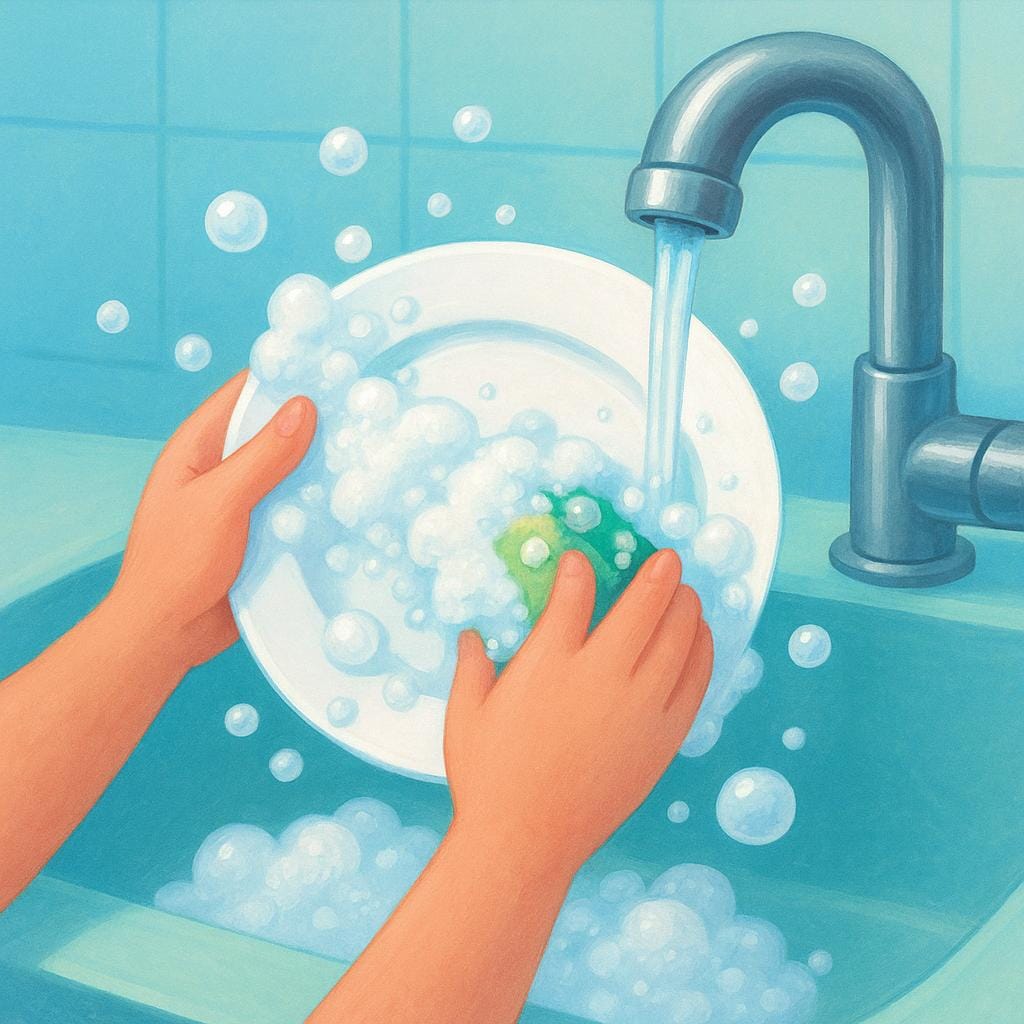
Él lava los platos todas las noches.
He washes the dishes every night.
¡Lava tus manos antes de comer!
Wash your hands before eating!
Two Meanings for 'Lava'
The word 'lava' can mean 'he/she washes' or it can be a command like 'Wash the car!'.
Reflexive Use
Mistake: “Saying 'Yo lavo' when you mean 'I wash myself'.”
Correction: If you are washing yourself, you need to add 'me': 'Me lavo'. Use 'lava' alone for objects, like 'Ella lava el perro'.
lavado
lah-VAH-dohlaˈβa.ðo

Examples
La camisa que compraste ya está lavado.
The shirt you bought is already washed.
Necesito un coche limpio y lavado.
I need a clean and washed car.
Past Participle as Adjective
"Lavado" is the past participle of the verb "lavar" (to wash). When it acts as an adjective, it must match the noun it describes in number and gender (lavado, lavada, lavados, lavadas).
Forgetting Agreement
Mistake: “Las toallas está lavado.”
Correction: Las toallas están lavadas. (Towels are feminine and plural, so 'lavado' must be too.)
puro
POO-rohˈpuɾo

Examples
El aire de la montaña es muy puro.
The air in the mountains is very pure.
Ella solo bebe agua pura, sin minerales añadidos.
She only drinks pure water, without added minerals.
Gender Matching
As an adjective, 'puro' must match the thing it describes in both gender (masculine/feminine) and number (singular/plural): 'puro' (m.s.), 'pura' (f.s.), 'puros' (m.pl.), 'puras' (f.pl.).
Forgetting the Feminine Form
Mistake: “Using 'puro' for a feminine noun, e.g., 'agua puro'.”
Correction: Use the feminine form: 'agua pura'. Remember that 'agua' is feminine even though it starts with 'a'.
blanca
BLAHN-kahˈblaŋka

Examples
Ella siempre ha tenido una reputación blanca e intachable.
She has always had a pure and impeccable reputation.
Mantuvo la fe blanca a pesar de todas las dificultades.
She kept the faith pure despite all the difficulties.
Limpiar vs. Limpio
Related Translations
Learn Spanish with Inklingo
Interactive stories, personalized learning, and more.