lava
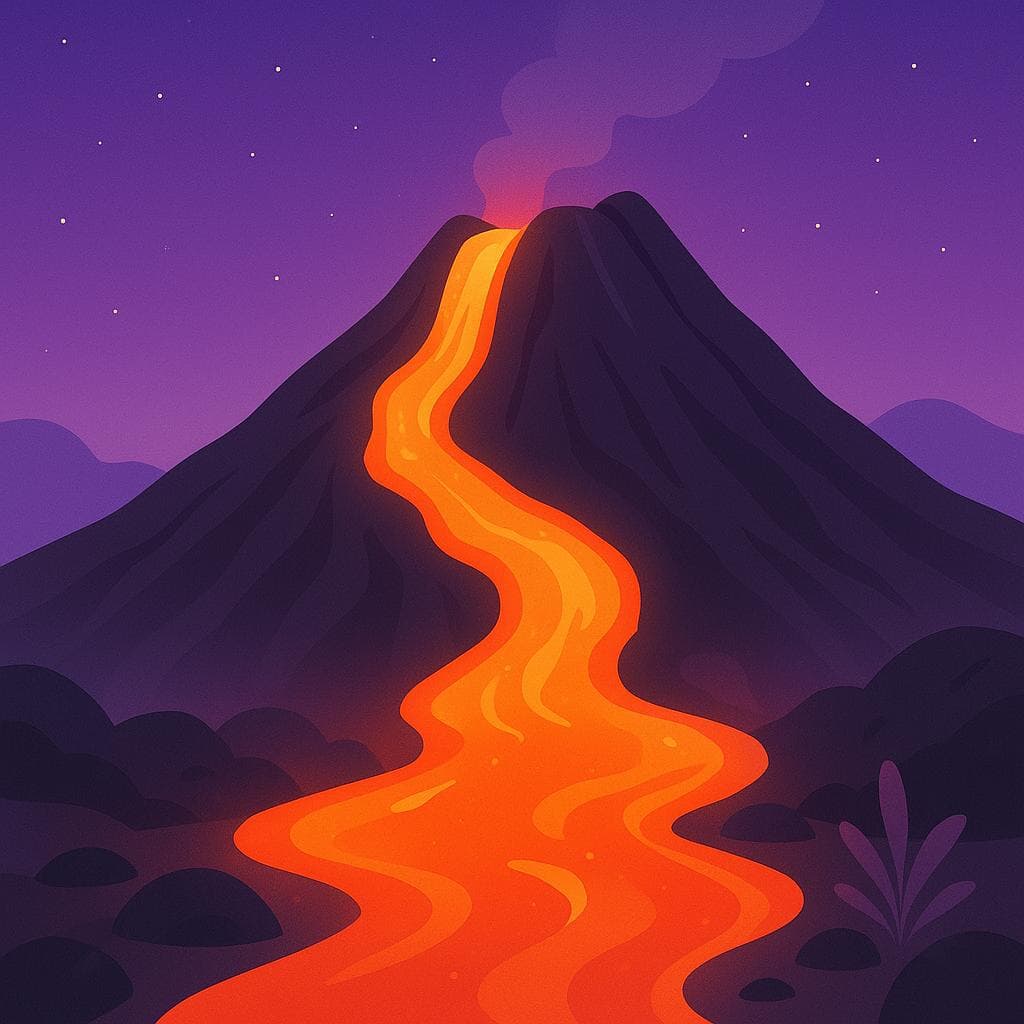
“lava” means “lava” in Spanish. It has 2 different meanings depending on context:
lava
📝 In Action
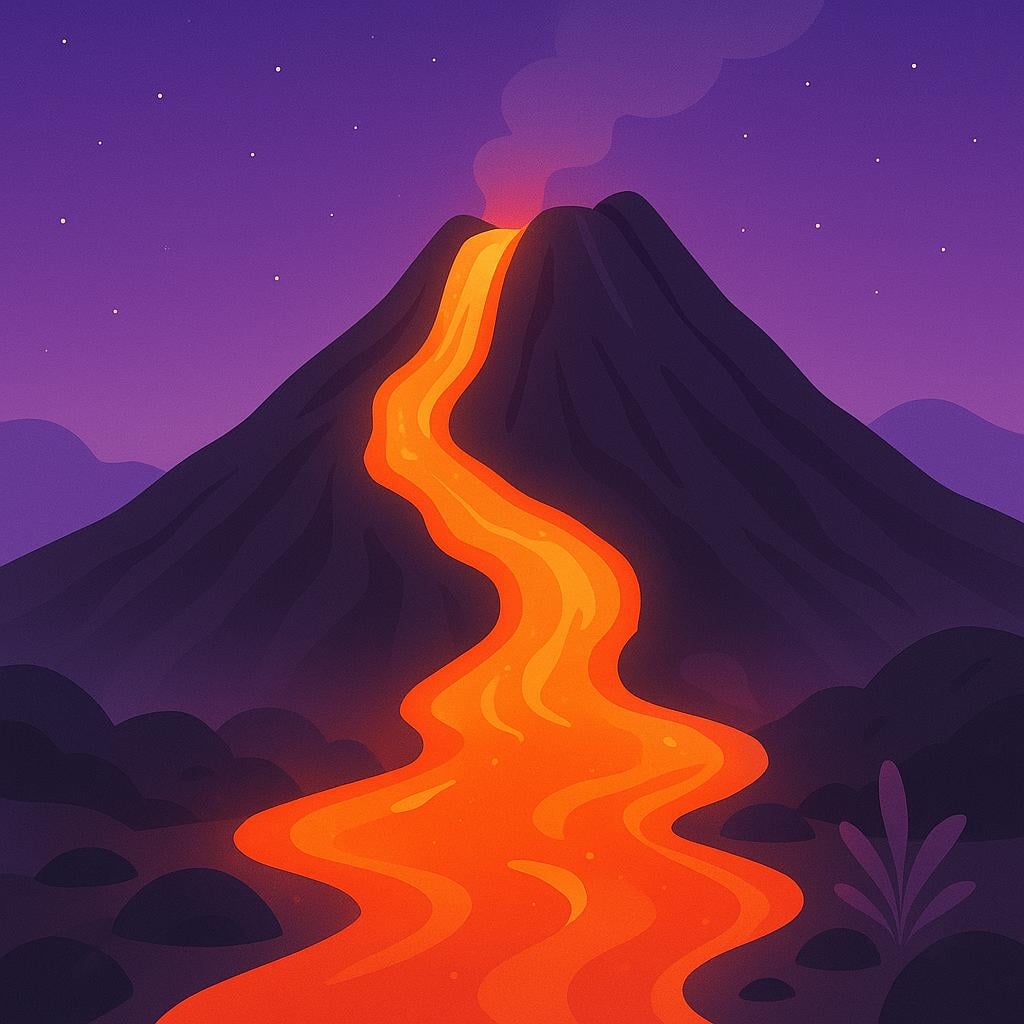
La lava del volcán avanzaba lentamente hacia el mar.
B1The lava from the volcano was moving slowly toward the sea.
Después de la erupción, la lava se enfrió y se convirtió en roca.
B1After the eruption, the lava cooled and turned into rock.
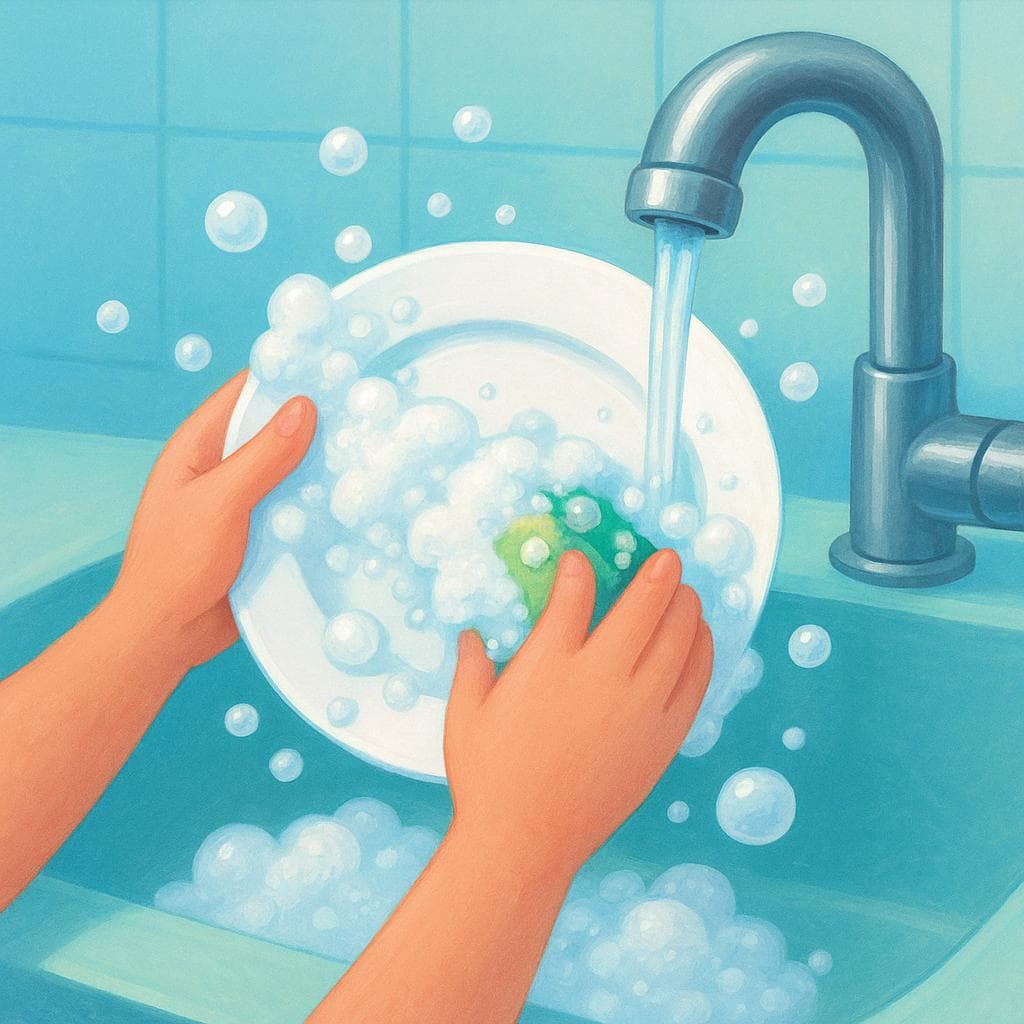
washes, wash
Also: clean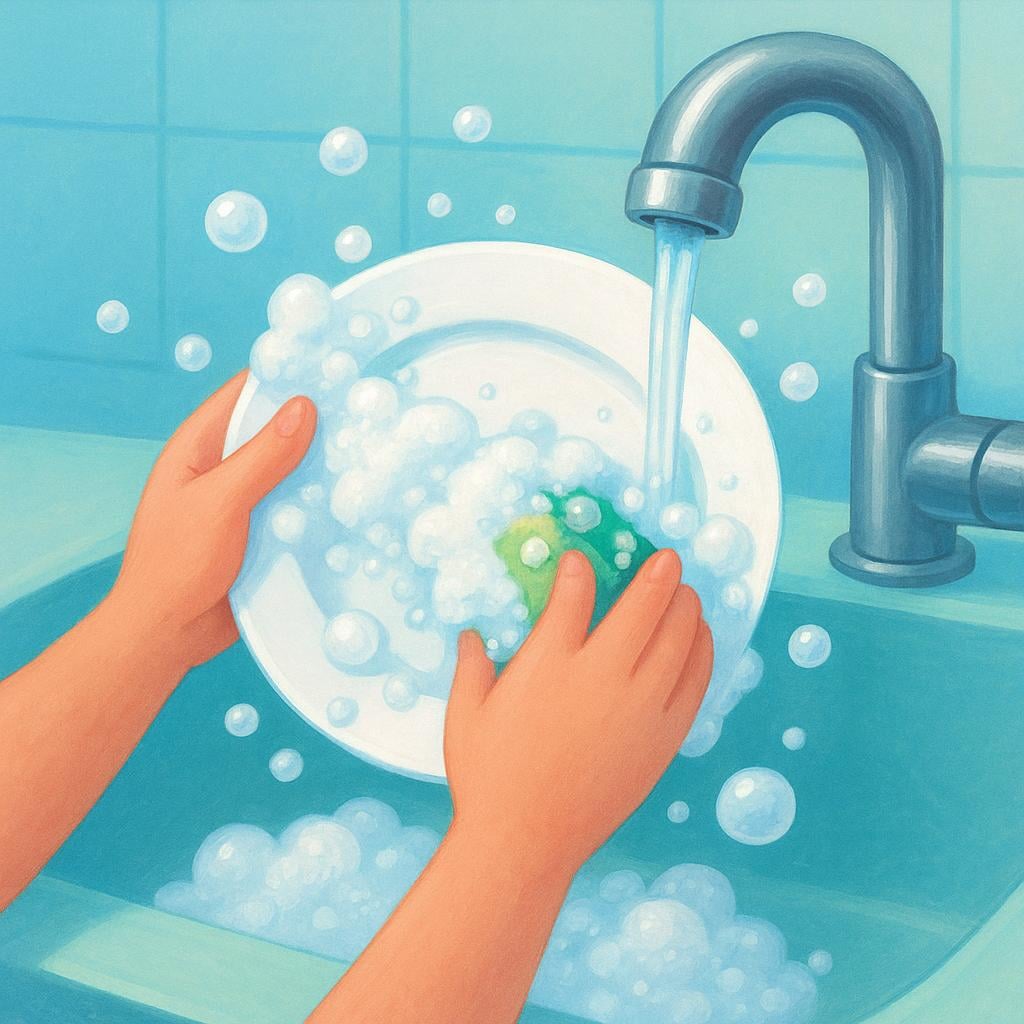
📝 In Action
Él lava los platos todas las noches.
A1He washes the dishes every night.
¡Lava tus manos antes de comer!
A1Wash your hands before eating!
Subjunctive
Present Subjunctive
Imperfect Subjunctive
Indicative
Present
Imperfect
Preterite
✏️ Quick Practice
Quick Quiz: lava
Question 1 of 2
Which sentence refers to molten rock from a volcano?
📚 More Resources
👥 Word Family▼
🎵 Rhymes▼
📚 Etymology▼
The noun 'lava' comes from Italian, originally referring to a stream of water or mud caused by rain (from Latin 'labi', to slide). The verb form 'lava' comes from the Latin 'lavare', meaning to wash or bathe.
First recorded: 18th century (noun); 12th century (verb)
Cognates (Related words)
💡 Master Spanish
Take your Spanish to the next level. Read 200+ illustrated and narrated Spanish stories tailored to your level with the Inklingo app!
Frequently Asked Questions
Is 'lava' masculine or feminine?
As a noun (the rock), it is always feminine: 'la lava'. As a verb, gender does not apply.
How do I know if 'lava' is a command or a statement?
Context and punctuation are key. 'Él lava' is a statement (He washes). '¡Lava!' with exclamation marks is usually a command (Wash!).