esclava
“esclava” means “slave” in Spanish. It has 3 different meanings depending on context:
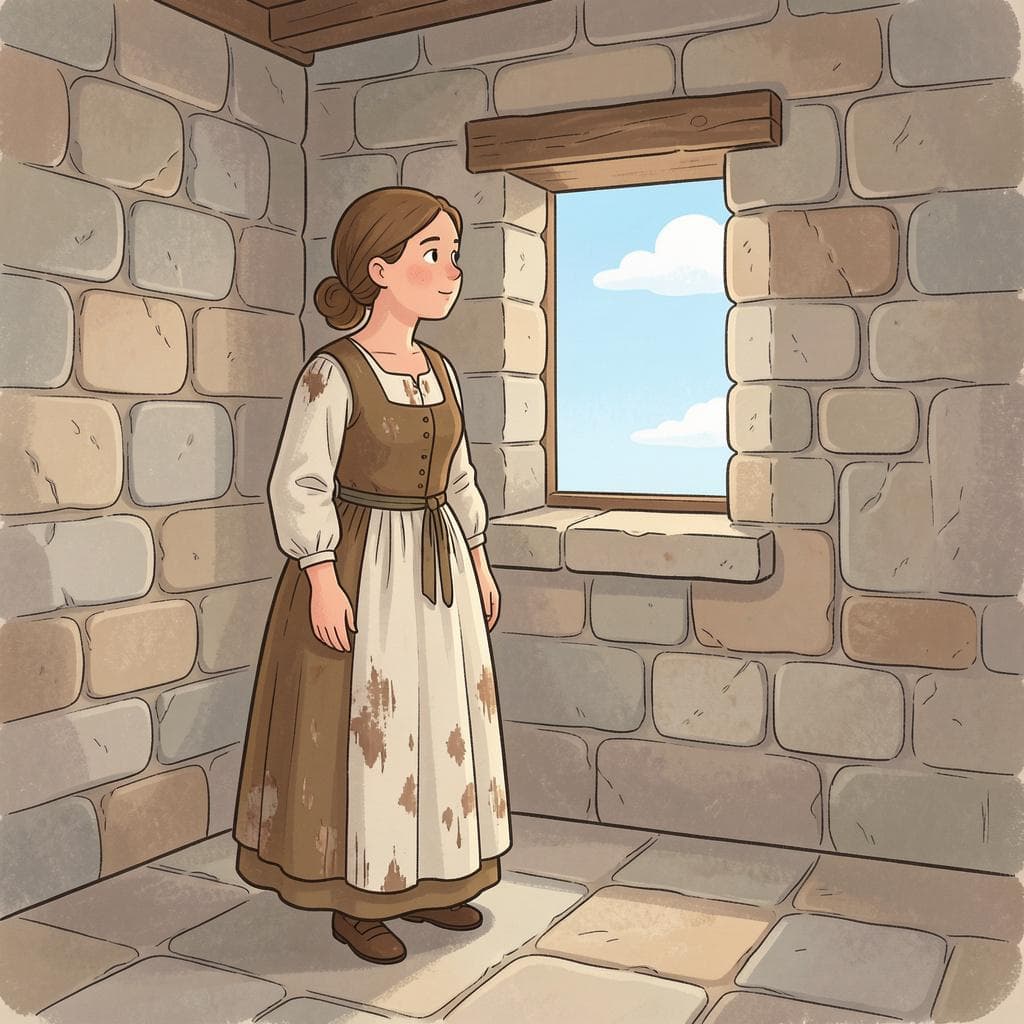

slave
Also: bondwoman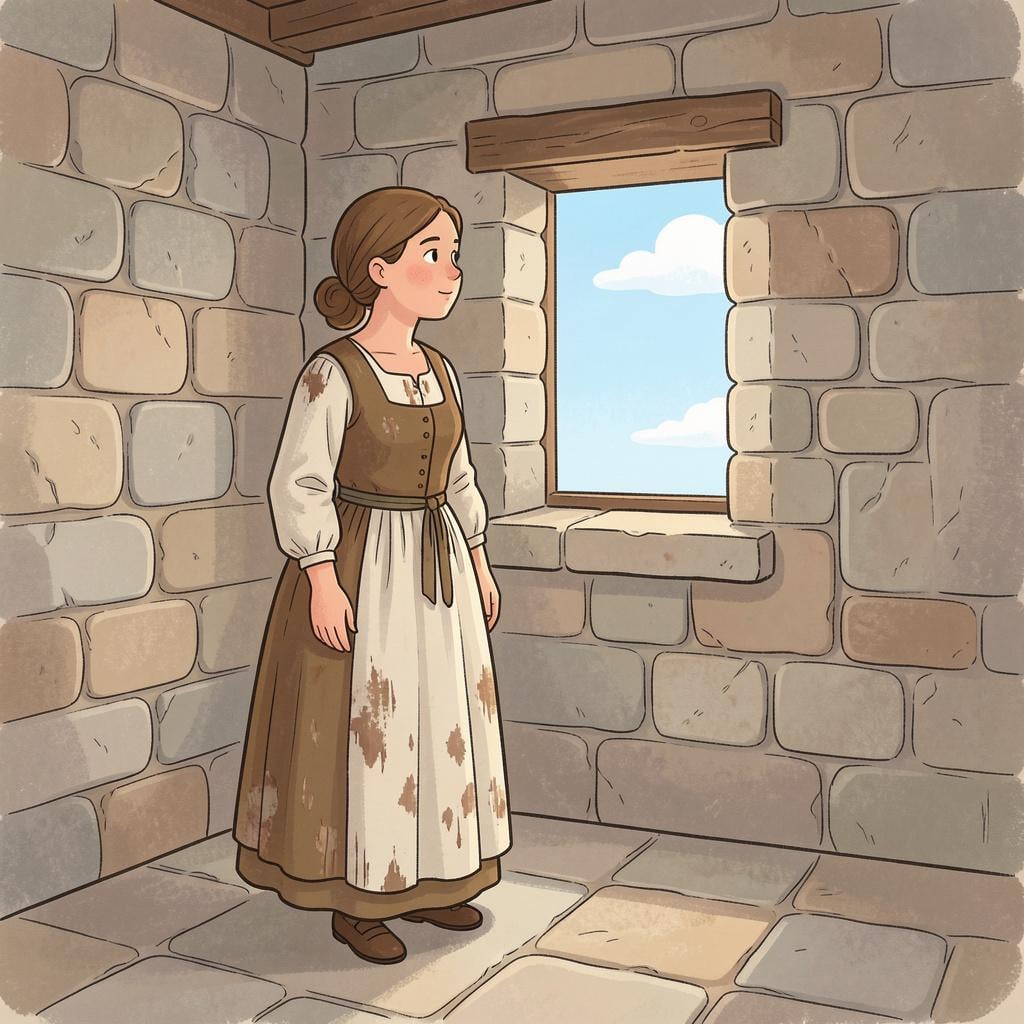
📝 In Action
La esclava luchó valientemente por su libertad.
B1The slave fought bravely for her freedom.
En la antigua Roma, una esclava podía trabajar en el hogar.
B2In ancient Rome, a female slave could work in the home.
ID bracelet
Also: bangle
📝 In Action
Mi abuela me regaló una esclava de plata con mi nombre.
B1My grandmother gave me a silver ID bracelet with my name.
Llevo una esclava de oro en mi muñeca derecha.
A2I wear a gold bangle on my right wrist.
slave (to something)
Also: enslaved
📝 In Action
Ella se siente esclava de su trabajo.
B1She feels like a slave to her work.
No seas esclava de la moda.
B2Don't be a slave to fashion.
Translate to Spanish
✏️ Quick Practice
Quick Quiz: esclava
Question 1 of 2
If you buy a piece of jewelry called an 'esclava', what does it likely look like?
📚 More Resources
👥 Word Family▼
🎵 Rhymes▼
📚 Etymology▼
From the Latin word 'sclava'. This originally referred to people of Slavic origin who were often captured and forced into service during the Middle Ages.
First recorded: 13th century
Cognates (Related words)
💡 Master Spanish
Take your Spanish to the next level. Read 200+ illustrated and narrated Spanish stories tailored to your level with the Inklingo app!
Frequently Asked Questions
Is 'esclava' an offensive word?
When referring to historical slavery or the jewelry, it is a neutral term. However, like in English, it should be used with sensitivity when discussing people or human rights.
Why is a bracelet called 'esclava'?
The name comes from the visual similarity between these bracelets (especially the chain-and-plate style) and the shackles historically used to bind people.