esclavo
“esclavo” means “slave” in Spanish. It has 3 different meanings depending on context:
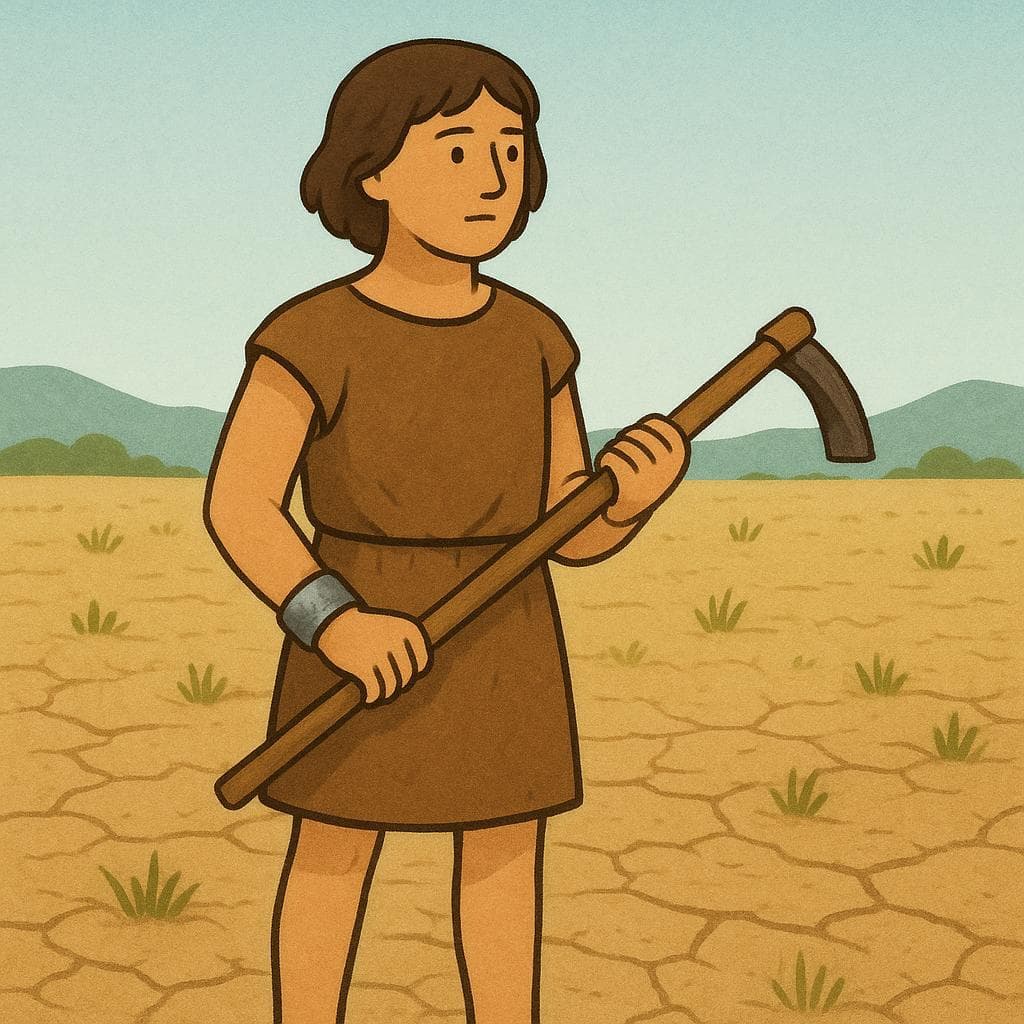

slaveAlso: bondsman

📝 In Action
Millones de esclavos fueron transportados a América.
B1Millions of slaves were transported to America.
El esclavo deseaba su libertad más que nada.
B2The slave desired his freedom more than anything.
Word Connections
enslavedAlso: captive
📝 In Action
La población esclava de la colonia aumentó rápidamente.
B1The enslaved population of the colony grew rapidly.
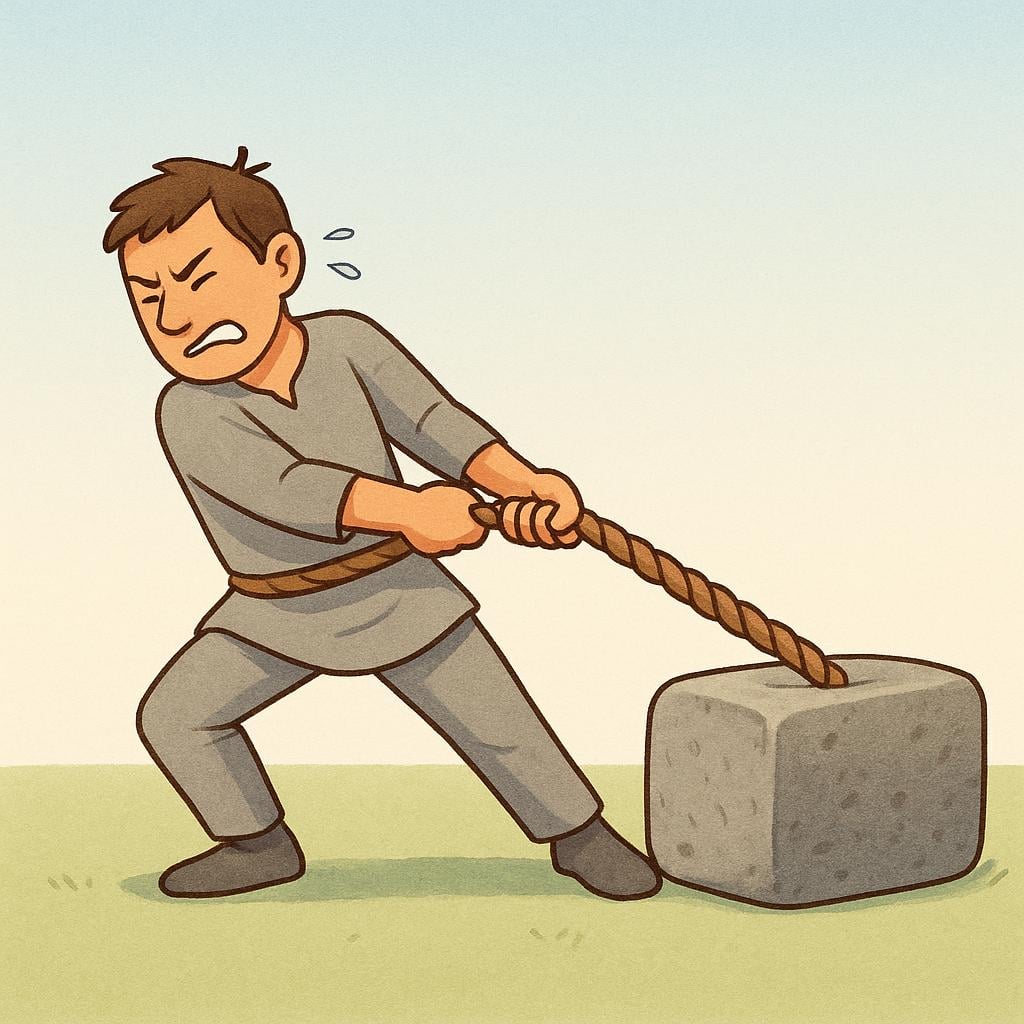
Se sentía esclavo de las circunstancias.
B2He felt captive to the circumstances.
Word Connections
slave toAlso: addict of

📝 In Action
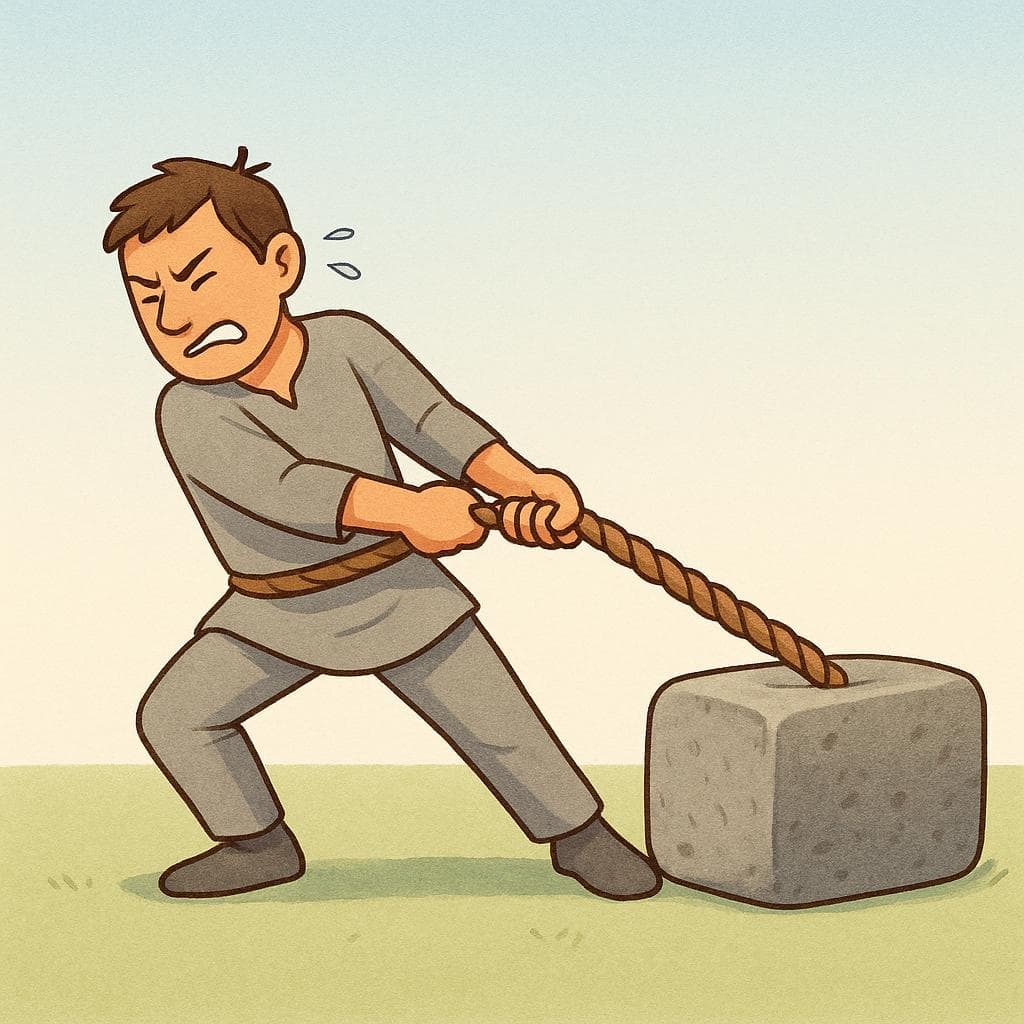
Mi jefe es un esclavo del trabajo; nunca descansa.
B2My boss is a slave to work; he never rests.
Ella era esclava de la moda y compraba ropa constantemente.
C1She was a slave to fashion and bought clothes constantly.
Word Connections
Translate to Spanish
✏️ Quick Practice
Quick Quiz: esclavo
Question 1 of 1
Which sentence uses 'esclavo' in its figurative, modern meaning?
📚 More Resources
👥 Word Family
📚 Etymology
The word comes from the Late Latin word *sclavus*. This term originally referred to the Slavic peoples of Eastern Europe, many of whom were captured and sold into bondage during the early Middle Ages, causing their name to become synonymous with the state of servitude.
First recorded: 12th century
Cognates (Related words)
💡 Master Spanish
Take your Spanish to the next level. Read 200+ illustrated and narrated Spanish stories tailored to your level with the Inklingo app!
Frequently Asked Questions
¿Cuál es la forma femenina de 'esclavo'?
The feminine form is 'esclava'. Spanish words for people often change their ending from -o to -a depending on the person's gender.
Does 'esclavo' only refer to historical slavery?
No. While it is used for historical topics, it is very commonly used today to mean someone is obsessed with or totally dependent on something, like 'esclavo del dinero' (slave to money).