How to Say "to strike" in Spanish
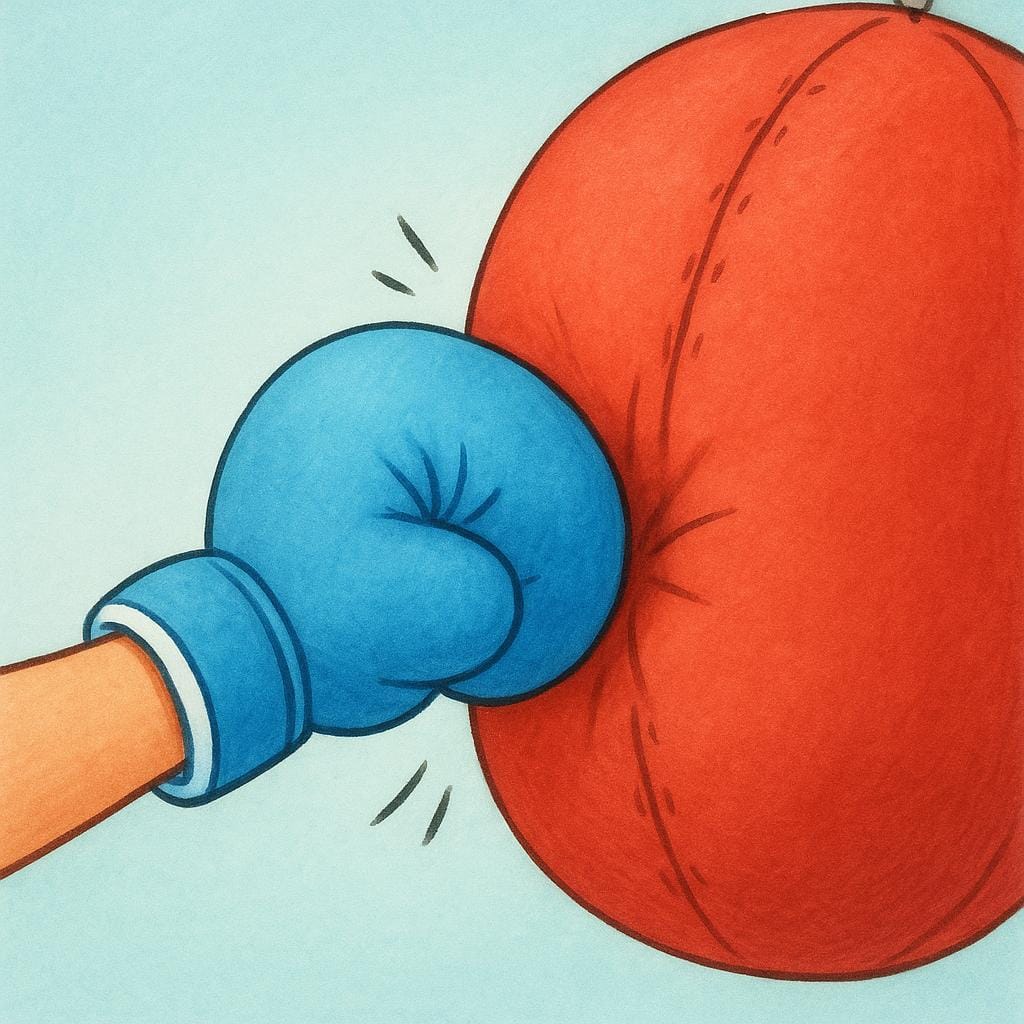
The most common Spanish word for “to strike” is “pegar” — use this for the general, most common action of hitting or striking something or someone, often with force.
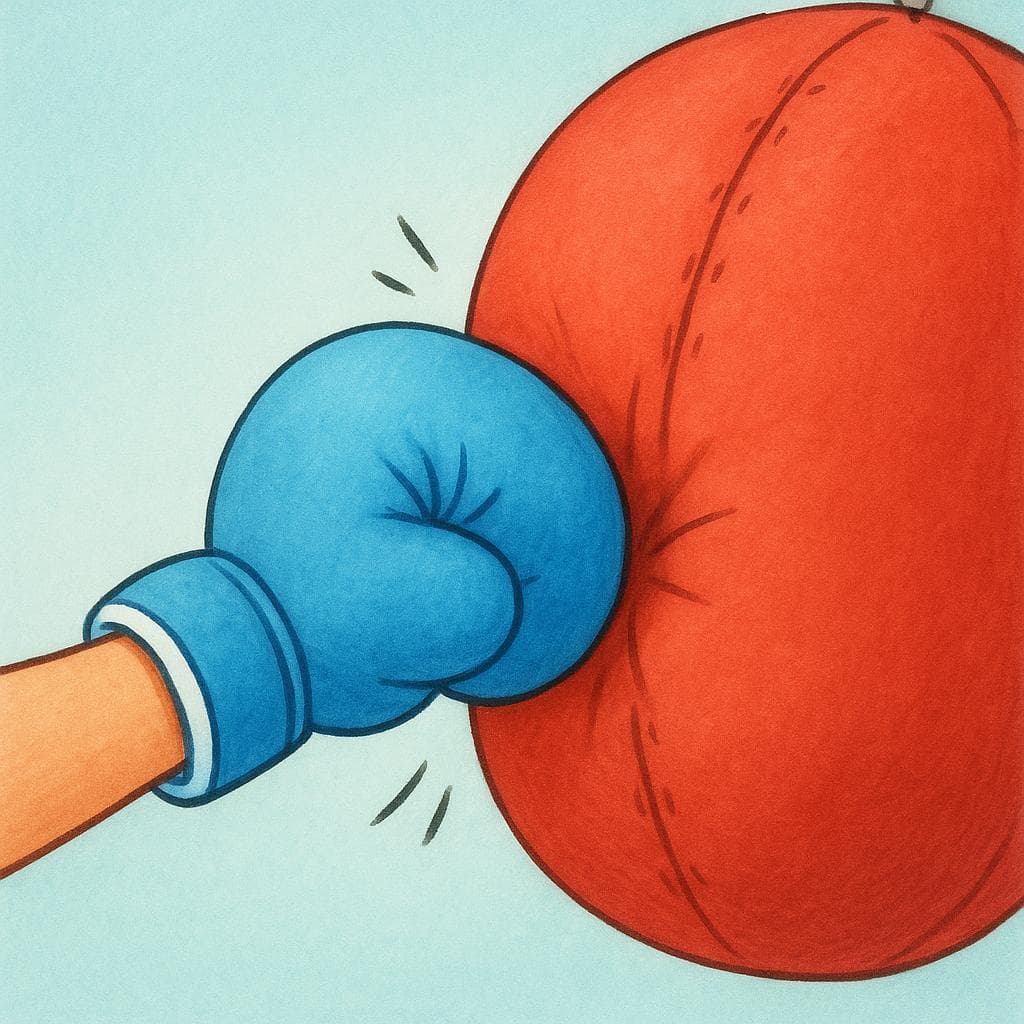
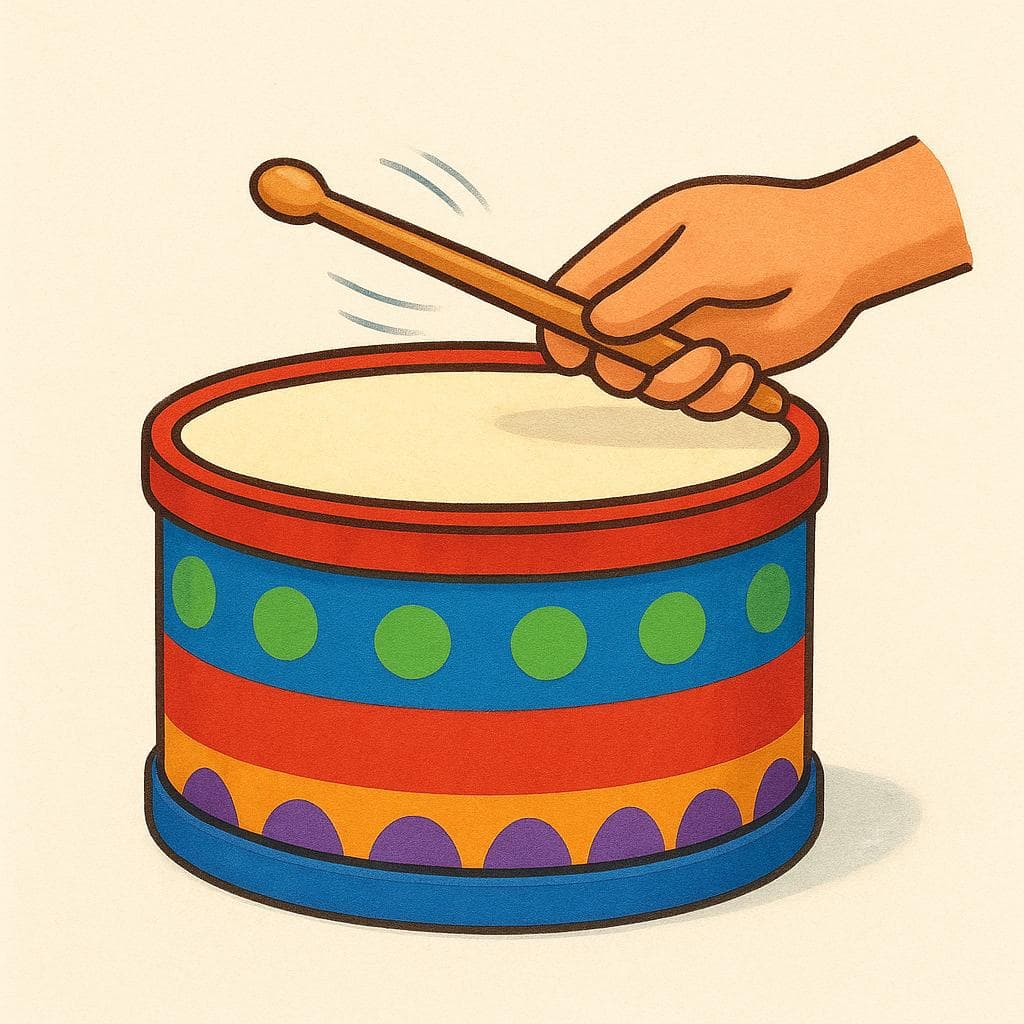
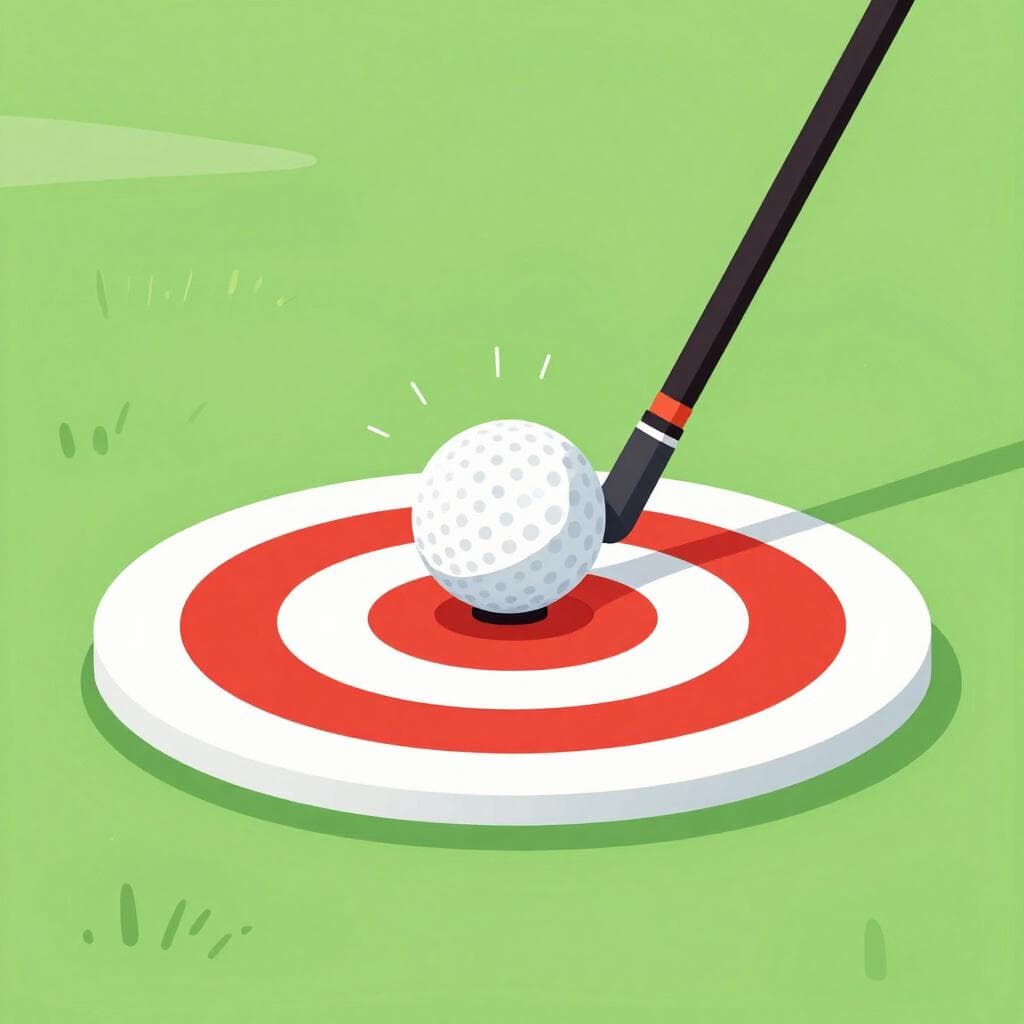
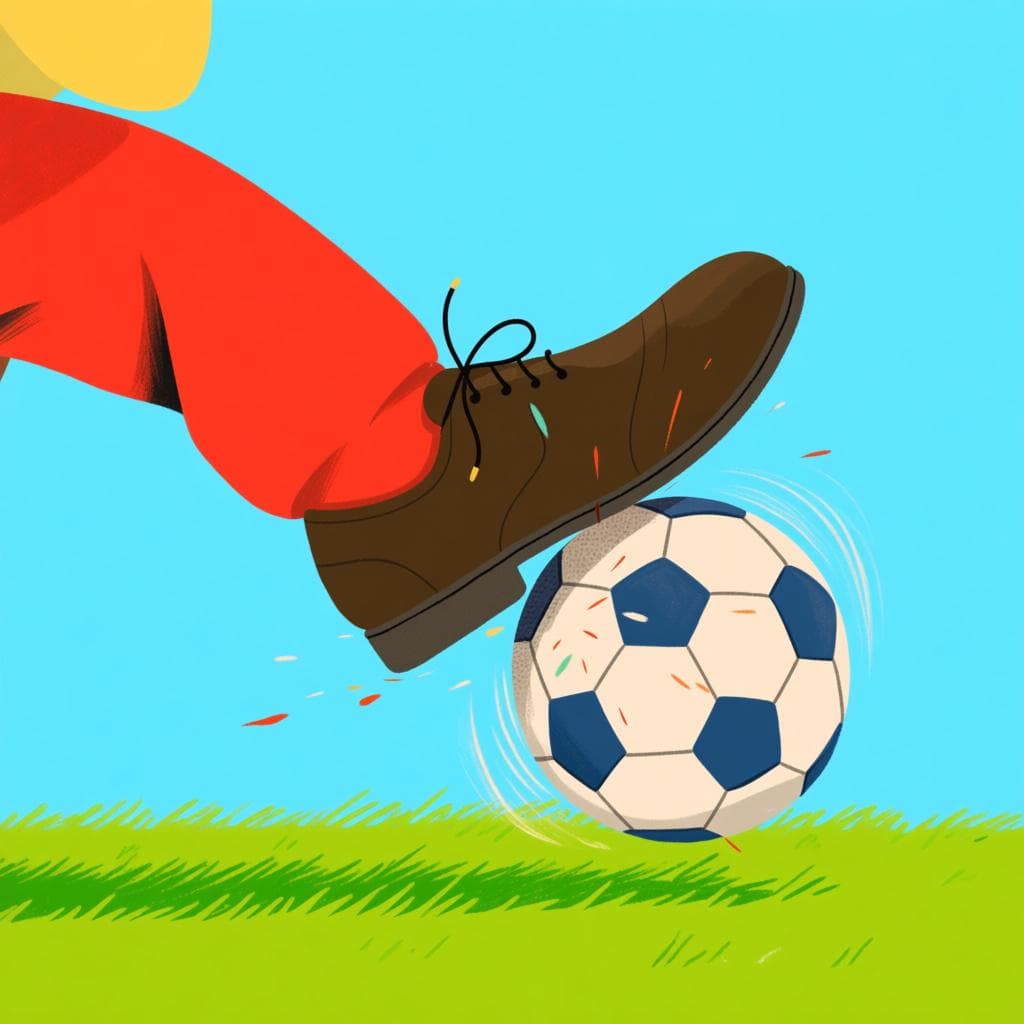


pegar
peh-GARpeˈɣaɾ
Examples
El niño no quería pegar a su hermano.
The boy didn't want to hit his brother.
El boxeador pegó un golpe limpio al oponente.
The boxer landed a clean punch on the opponent.
Si le pegas a la puerta, se va a romper.
If you hit the door, it's going to break.
Spelling Tweak (G to GU)
When the 'g' sound needs to come before an 'e', 'pegar' changes to 'pegu-' (like in the past tense 'yo' form: 'yo pegué') so the sound stays strong, like in 'gato'.
golpear
gol-pe-arɡolpeˈaɾ
Examples
Tienes que golpear la pelota con fuerza para que cruce la red.
You have to hit the ball hard so it crosses the net.
Alguien está golpeando la puerta, ¿puedes abrir?
Someone is knocking on the door, can you open it?
El viento fuerte golpeaba las ventanas toda la noche.
The strong wind was striking the windows all night.
Direct Action Verb
Golpear is a transitive verb, meaning it needs a direct object (the thing receiving the action). For example: 'Golpeó el clavo' (He hit the nail).
Confusing 'Golpear' and 'Tocar'
Mistake: “Using 'tocar' when referring to a forceful impact ('Tocar la mesa').”
Correction: Use 'golpear' for forceful hitting or striking, and 'tocar' for light touching or playing an instrument. 'Golpea la mesa' (He hits the table).
impactar
eem-pahk-TAHRim.pakˈtaɾ
Examples
El pájaro impactó contra la ventana.
The bird hit the window.
La bala impactó en el centro del blanco.
The bullet hit the center of the target.
Los meteoritos impactaron sobre la superficie lunar.
The meteorites struck the lunar surface.
Using Prepositions
When talking about hitting something, we usually use 'contra' (against) or 'en' (in/at).
Impactar vs. Chocar
Mistake: “Usar 'impactar' para choques de coches comunes.”
Correction: Use 'chocar' for everyday car accidents; 'impactar' sounds more like a physics report or a high-speed strike.
darle
DAR-lehˈdaɾle
Examples
Ten cuidado, vas a darle a la lámpara con la cabeza.
Be careful, you're going to hit the lamp with your head.
El niño le dio una patada a la pelota con todas sus fuerzas.
The boy kicked the ball with all his might.
La rama le dio en el brazo cuando caminaba por el bosque.
The branch hit him on the arm when he was walking through the forest.
abofetear
ah-bo-feh-teh-ahra.bo.fe.teˈaɾ

Examples
Ella no quería abofetear al actor, pero era parte del guion.
She didn't want to slap the actor, but it was part of the script.
La realidad lo abofeteó de repente.
Reality slapped him all of a sudden.
¡No me vuelvas a abofetear!
Don't you slap me again!
Using 'a' with people
When you slap a person, you must put the little word 'a' before their name or the noun describing them, like in 'Abofeteó a Juan'.
A regular pattern
Even though it's a long word, it follows the exact same pattern as 'hablar' or 'cantar' in every single form.
Using 'pegar' vs 'abofetear'
Mistake: “Using 'abofetear' to mean hitting someone with a fist.”
Correction: Use 'pegar' or 'golpear' for general hitting. 'Abofetear' specifically means hitting with an open palm on the face.
asaltar
ah-sahl-TAHRasalˈtaɾ

Examples
Una duda terrible me asaltó antes de firmar el contrato.
A terrible doubt struck me before signing the contract.
De repente, lo asaltaron los recuerdos de su infancia.
Suddenly, childhood memories came over him.
Al entrar en la casa vacía, me asaltó una gran tristeza.
Upon entering the empty house, a great sadness assailed me.
Passive vs. Active
You can say the doubt struck you ('me asaltó una duda') or that you were struck by a doubt ('fui asaltado por una duda'). The first one is much more natural in Spanish.
Word order
Mistake: “Una duda me asaltó.”
Correction: Me asaltó una duda.
Physical vs. Figurative Strikes
Related Translations
Learn Spanish with Inklingo
Interactive stories, personalized learning, and more.