
Romper vs Quebrar
Romper = general 'to break'. Quebrar = to snap, shatter, or 'go broke'.
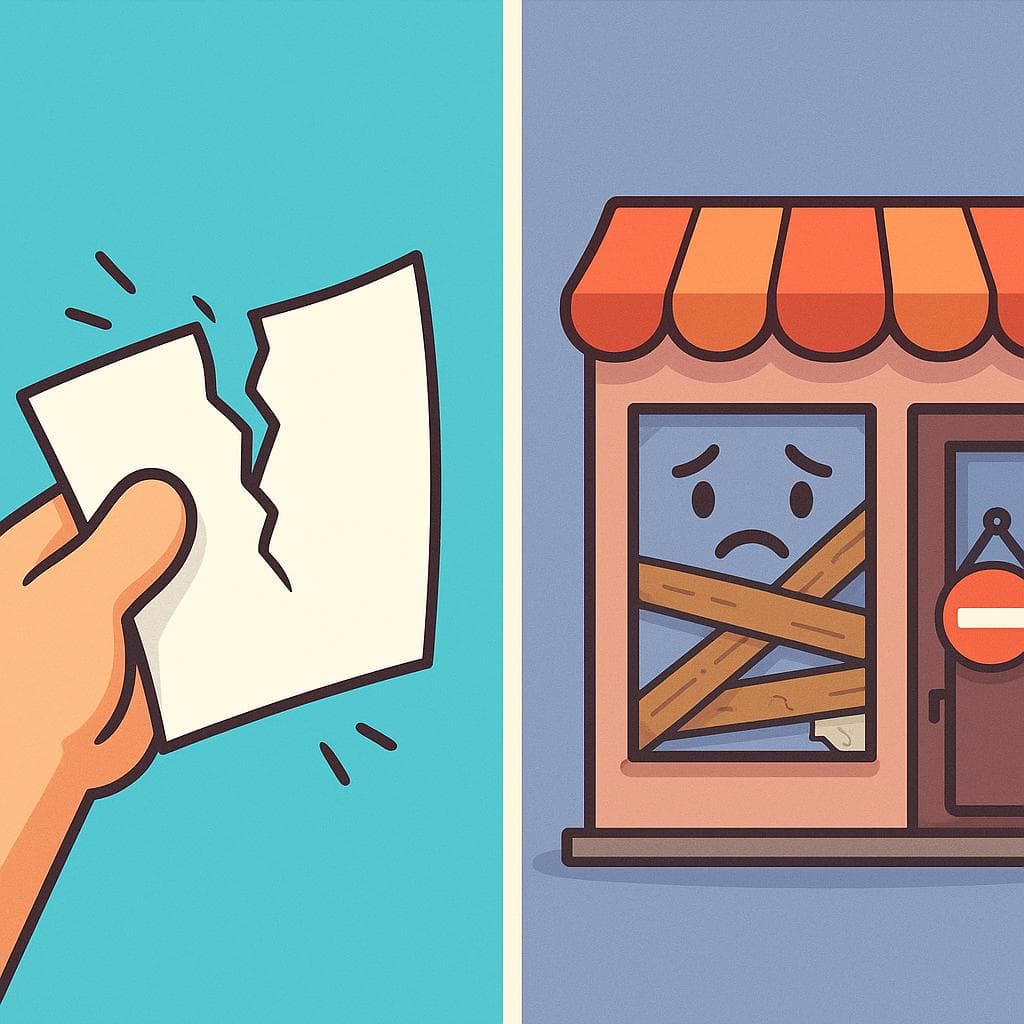
romper
To break, tear, rip, shatter. The most common, all-purpose verb for breaking something.
rohm-PEHRquebrar
To break, snap, shatter, crack. Often implies a sharp, clean break, financial ruin, or emotional breakdown.
keh-BRAHRQuick Rule
Romper = general 'to break'. Quebrar = to snap, shatter, or 'go broke'.
Think: Romper is for 'ripping' or 'rupturing'. Quebrar is for 'cracking' or when you're out of 'cash'.
- For many common objects like plates or bones, they are often used interchangeably, especially in Latin America.
Comparison Table
| Context | romper | quebrar | Why? |
|---|---|---|---|
| Breaking a bone | Me rompí la pierna. | Me quebré la pierna. | Both are very common and correct. 'Quebrar' can sometimes sound a bit more dramatic, like a 'snap'. |
| Business context | Rompieron el contrato. | La empresa quebró. | 'Romper' is for breaking an agreement. 'Quebrar' is specifically for financial failure (going bankrupt). |
| Emotional state | Me rompió el corazón. | Se quebró al oír la noticia. | 'Romper' is used for 'breaking a heart'. 'Quebrar(se)' is used for 'breaking down' in tears or emotion. |
| Breaking a promise | Rompió su promesa. | (Not used) | For abstract things like promises, rules, or records, 'romper' is the correct choice. |
When to Use "romper / quebrar"
romper
To break, tear, rip, shatter. The most common, all-purpose verb for breaking something.
rohm-PEHR
General breaking of objects
Se rompió el vaso al caer.
The glass broke when it fell.
Tearing or ripping fabric/paper
Ten cuidado, no rompas el papel.
Be careful, don't tear the paper.
Breaking abstract things (rules, promises, hearts)
Él rompió las reglas.
He broke the rules.
Breaking body parts (very common)
Me rompí el brazo esquiando.
I broke my arm skiing.
quebrar
To break, snap, shatter, crack. Often implies a sharp, clean break, financial ruin, or emotional breakdown.
keh-BRAHR
Snapping something rigid (bones, branches)
Se quebró una rama del árbol con el viento.
A branch of the tree snapped in the wind.
Shattering fragile items
La ventana se quebró en mil pedazos.
The window shattered into a thousand pieces.
Going bankrupt or broke
La empresa quebró el año pasado.
The company went bankrupt last year.
Breaking down emotionally
Se quebró al contar la historia.
He broke down while telling the story.
Contrast Examples
With "romper":
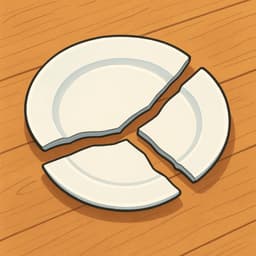
Se rompió el plato.
The plate broke.
With "quebrar":
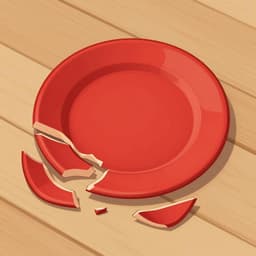
Se quebró el plato.
The plate broke/shattered.
The Difference: For everyday objects, these are often interchangeable. 'Quebrar' might add a slight emphasis on the item being fragile and shattering, but in practice, you'll hear both.
With "romper":
Me rompí la pierna.
I broke my leg.
With "quebrar":
Me quebré al oír la noticia.
I broke down when I heard the news.
The Difference: Here the meaning is completely different. 'Romper' refers to a physical injury. 'Quebrar(se)' refers to an emotional breakdown or losing one's composure.
With "romper":
Rompieron el contrato.
They broke the contract.
With "quebrar":
Su socio quebró.
His business partner went bankrupt.
The Difference: 'Romper' is used for violating agreements or rules. 'Quebrar' is used specifically for financial failure.
Common Mistakes
Quebré el récord mundial.
Rompí el récord mundial.
For breaking abstract things like records, habits, or rules, the correct verb is always 'romper'.
La compañía se rompió el año pasado.
La compañía quebró el año pasado.
When talking about a business failing or going bankrupt, you must use 'quebrar'.
Voy a quebrar el papel.
Voy a romper el papel.
For tearing soft materials like paper or fabric, 'romper' is the right verb. 'Quebrar' implies snapping something rigid.
Quick Practice
Quick Quiz: Romper vs Quebrar
Question 1 of 2
To say 'they broke the contract', you should use...
Related Grammar
Want to understand the grammar behind this pair? Explore these lessons for a deep dive:
Key Words
Tags
Build the instinct, not just the rule
Rules help you get it right; context makes it automatic. Read 200+ illustrated and narrated Spanish stories to see confusing pairs chosen correctly — over and over — until you stop thinking about it.
Frequently Asked Questions
Can I just always use 'romper' and be understood?
Mostly, yes. 'Romper' is the more general and common verb. If you're unsure, using 'romper' for a physical object breaking is usually safe. However, you cannot use 'romper' for 'going bankrupt' or 'breaking down emotionally'—for those specific meanings, you must use 'quebrar'.
Why do both verbs exist if they are so similar?
Many languages have near-synonyms that carry slightly different flavors or are used in specific contexts. 'Quebrar' comes from a Latin word related to 'creak' or 'crack,' which is why it retains a sense of snapping or shattering. Over time, its meaning expanded to include the figurative 'breaking' of a business or a person's spirit.