How to Say "burn" in Spanish
The most common Spanish word for “burn” is “quemar” — use 'quemar' when you are talking about the action of destroying something with fire or heat, or when something gets too hot and causes damage.

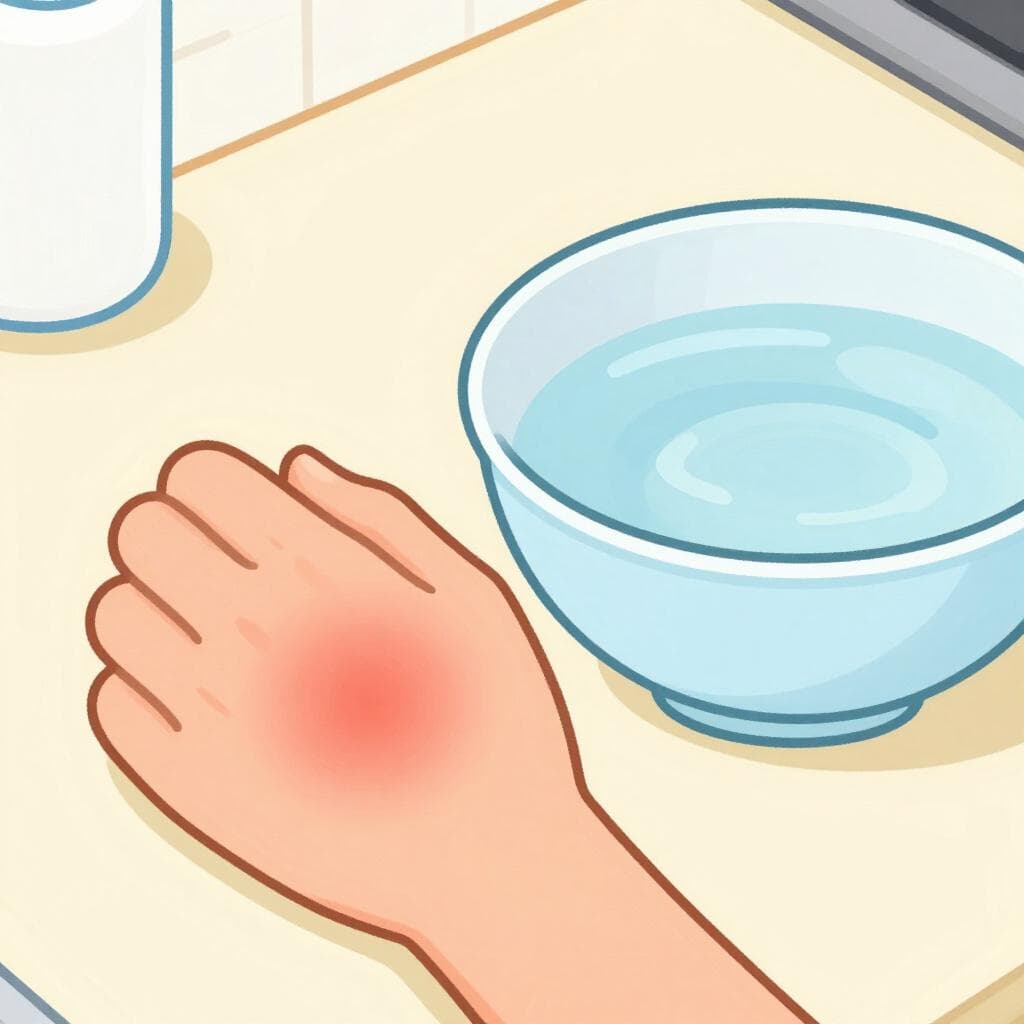
quemar
keh-MAHRkeˈmaɾ
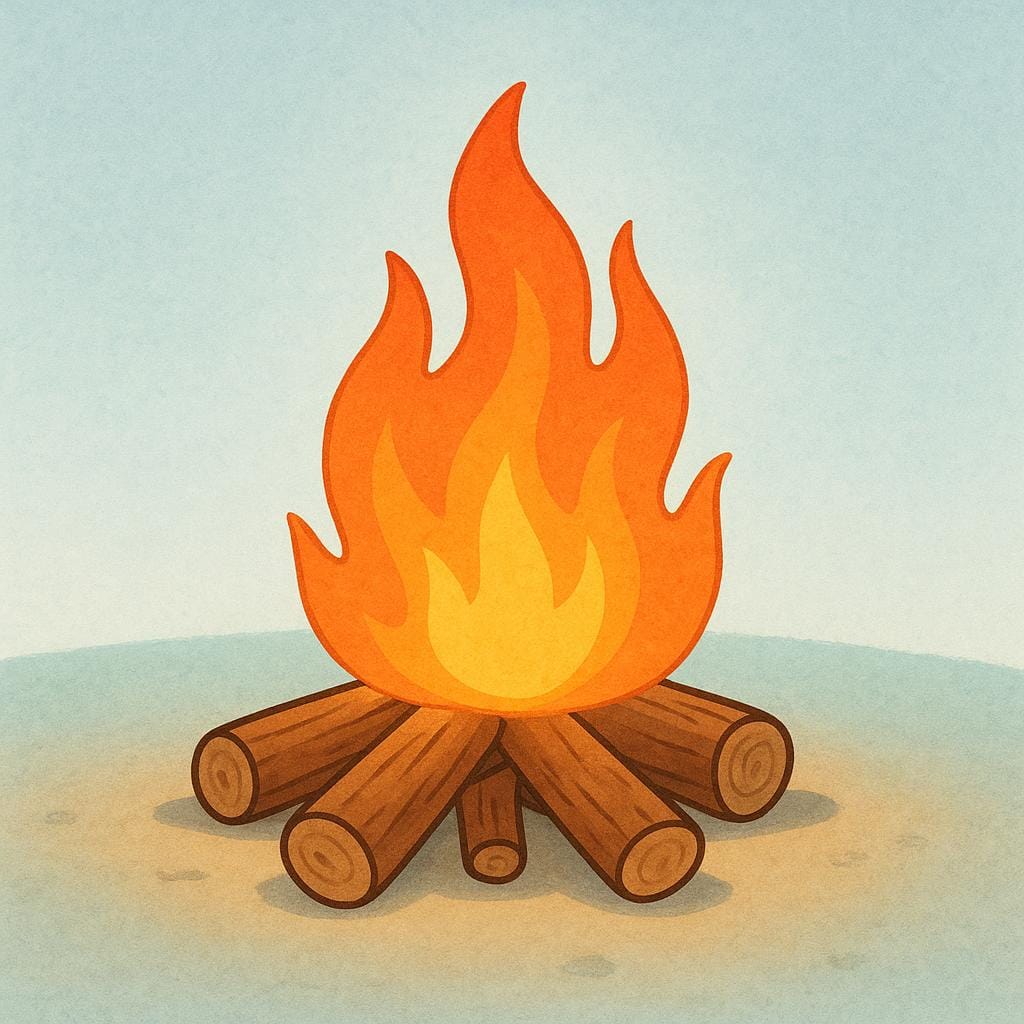
Examples
El sol puede quemar tu piel si no usas protector.
The sun can burn your skin if you don't use sunscreen.
Tuvimos que quemar las hojas secas del jardín.
We had to burn the dry leaves in the garden.
El sol fuerte puede quemar la pintura del coche.
The strong sun can burn the car's paint.
¡Cuidado! Casi quemas el pan tostado.
Be careful! You almost burned the toast.
Regular Verb
This verb follows the standard pattern for all verbs ending in -AR, so once you know the pattern, you know how to use 'quemar' in every tense!
Confusing Transitive and Reflexive
Mistake: “El sol me quemó (The sun burned me.)”
Correction: The sun burned MYSELF: 'Me quemé con el sol.' (I got burned by the sun.) Use the reflexive form when the person is the one getting hurt.
quemadura
keh-mah-DOO-rahkemaˈðuɾa
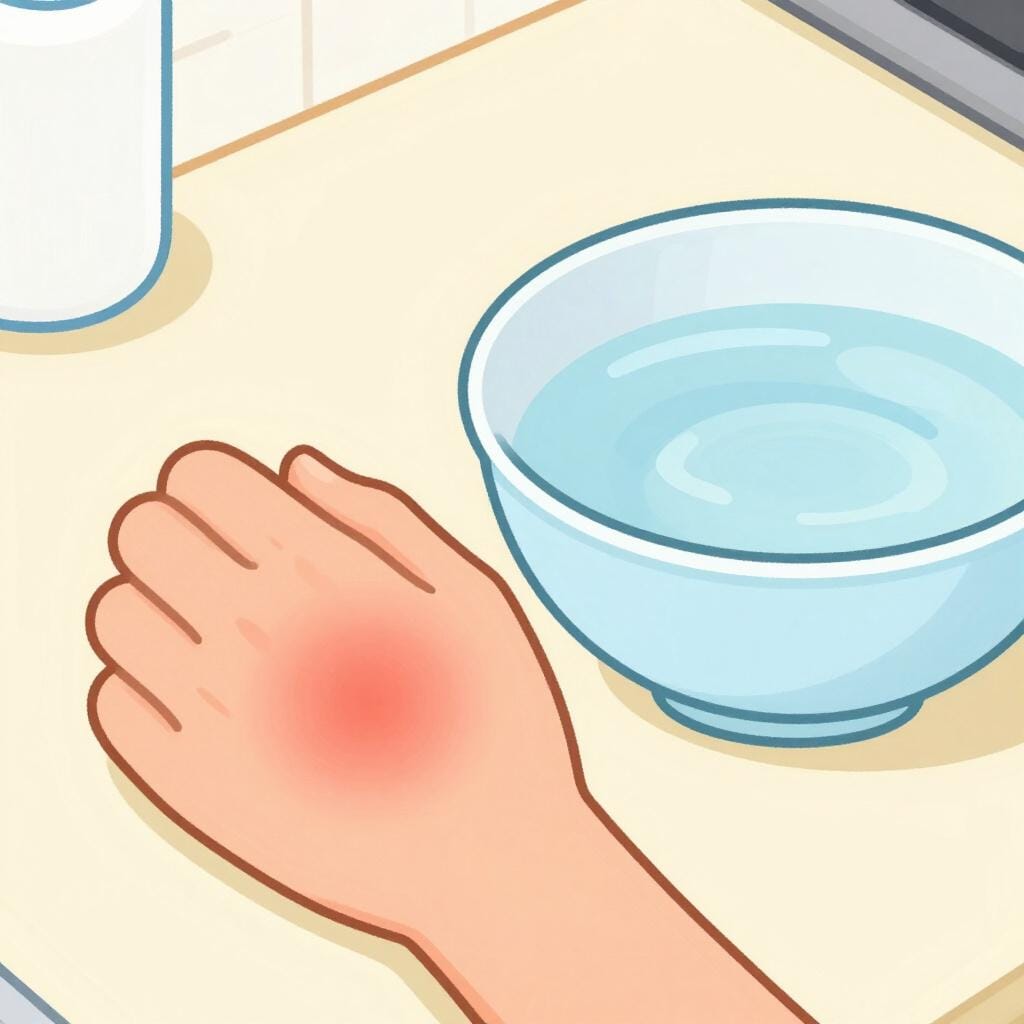
Examples
Me hice una quemadura leve al cocinar la cena.
I got a minor burn while cooking dinner.
Tengo una quemadura en el dedo por tocar la estufa.
I have a burn on my finger from touching the stove.
Usa protector solar para evitar una quemadura de sol.
Use sunscreen to avoid a sunburn.
La quemadura de segundo grado necesita atención médica.
The second-degree burn needs medical attention.
Gender Identification
This word is feminine because it ends in '-a'. You should always use it with feminine words like 'la' (the) or 'una' (a).
Action vs. Result
Use this word when talking about the actual mark or injury on the skin. If you want to talk about the action of fire, use the verb 'quemar'.
Using 'Quemado' as a Noun
Mistake: “Tengo un quemado en la mano.”
Correction: Tengo una quemadura en la mano. 'Quemado' is usually an adjective (describing word), while 'quemadura' is the noun (the thing itself).
Verb vs. Noun Confusion
Learn Spanish with Inklingo
Interactive stories, personalized learning, and more.