barranco
“barranco” means “ravine” in Spanish. It has 2 different meanings depending on context:
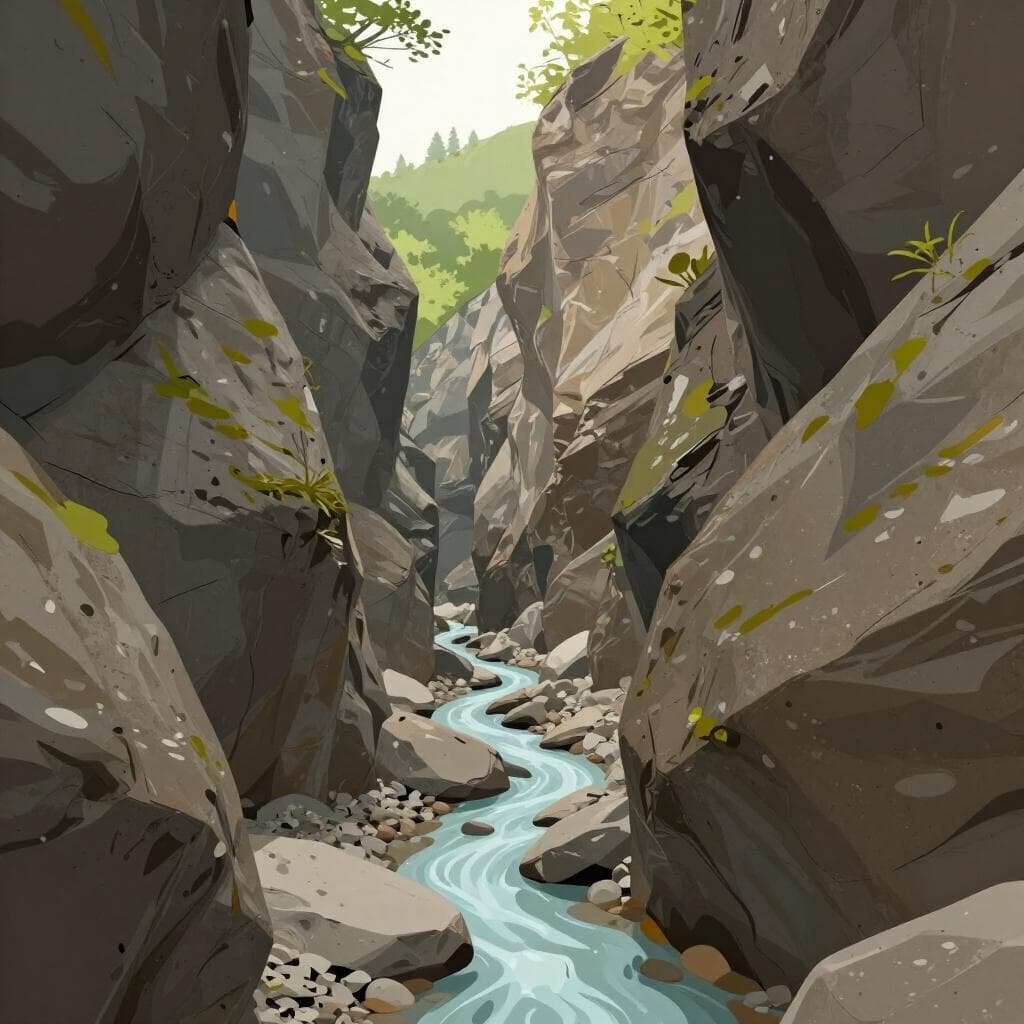
ravine
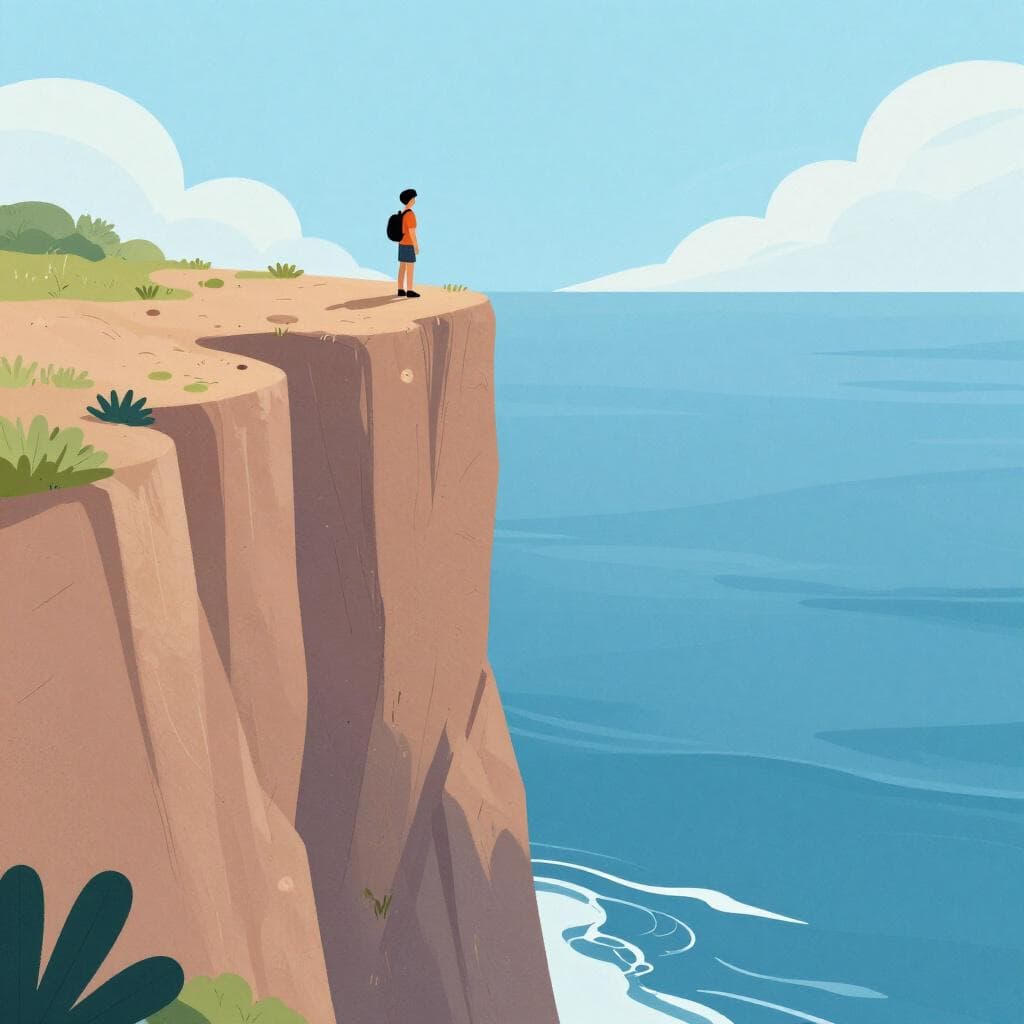
Also: gully, precipice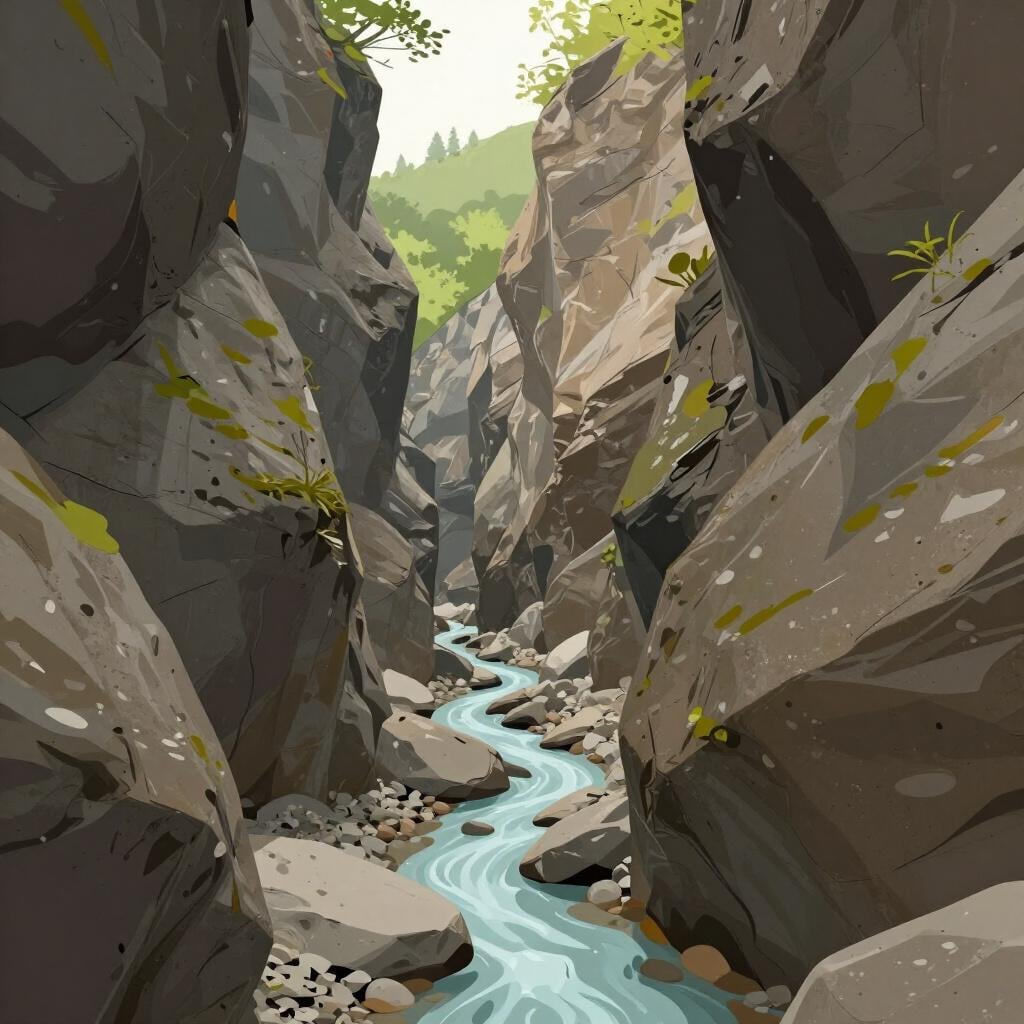
📝 In Action
Hay un barranco muy profundo al lado de la carretera.
A2There is a very deep ravine next to the road.
El agua de la lluvia corre con fuerza por el barranco.
B1The rainwater flows strongly through the gully.
Ten cuidado al caminar cerca del barranco.
B1Be careful when walking near the cliff edge.
the brink
Also: ruin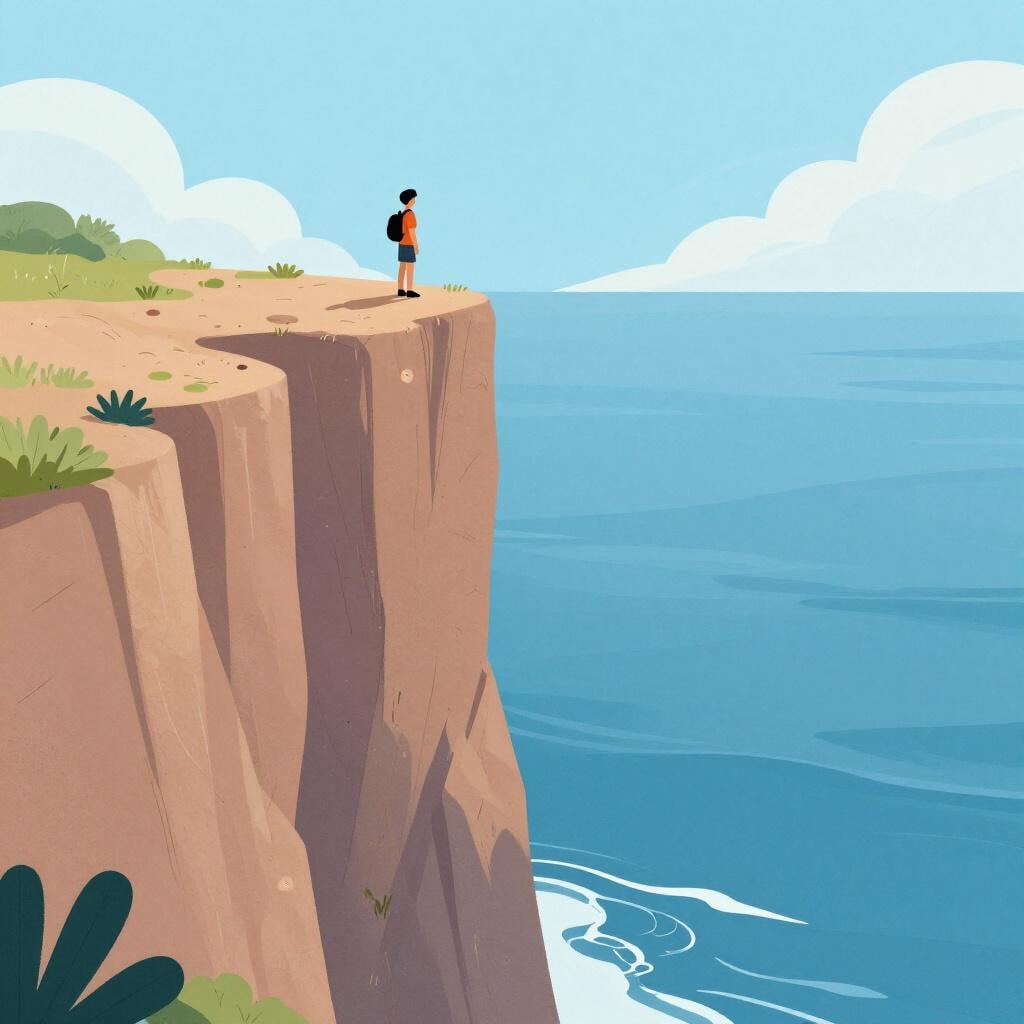
📝 In Action
La economía del país está al borde del barranco.
B2The country's economy is on the brink of ruin.
Si sigues así, vas derecho al barranco.
C1If you keep going like this, you're headed straight for disaster.
Translate to Spanish
✏️ Quick Practice
Quick Quiz: barranco
Question 1 of 3
What is the best translation for 'barranco' when describing a landscape?
📚 More Resources
👥 Word Family▼
📚 Etymology▼
Likely from a pre-Roman language of the Iberian Peninsula, possibly related to 'barra' (rim or barrier). It has been part of Spanish for centuries to describe the unique rugged terrain of Spain.
First recorded: 13th century
Cognates (Related words)
💡 Master Spanish
Take your Spanish to the next level. Read 200+ illustrated and narrated Spanish stories tailored to your level with the Inklingo app!
Frequently Asked Questions
Is a 'barranco' the same as a 'cañón' (canyon)?
They are very similar! A 'cañón' is usually larger and often has a river at the bottom, while a 'barranco' can be smaller or a dry gully created by occasional heavy rain.
How do I pronounce the double 'rr'?
You need to 'roll' your tongue against the roof of your mouth. It's a strong, vibrant sound, like a purring cat or a small motor.
Is this word used in Latin America?
Yes, it is used everywhere Spanish is spoken, though in some places like Argentina or Colombia, you might also hear 'quebrada' for the same thing.