How to Say "traces" in Spanish
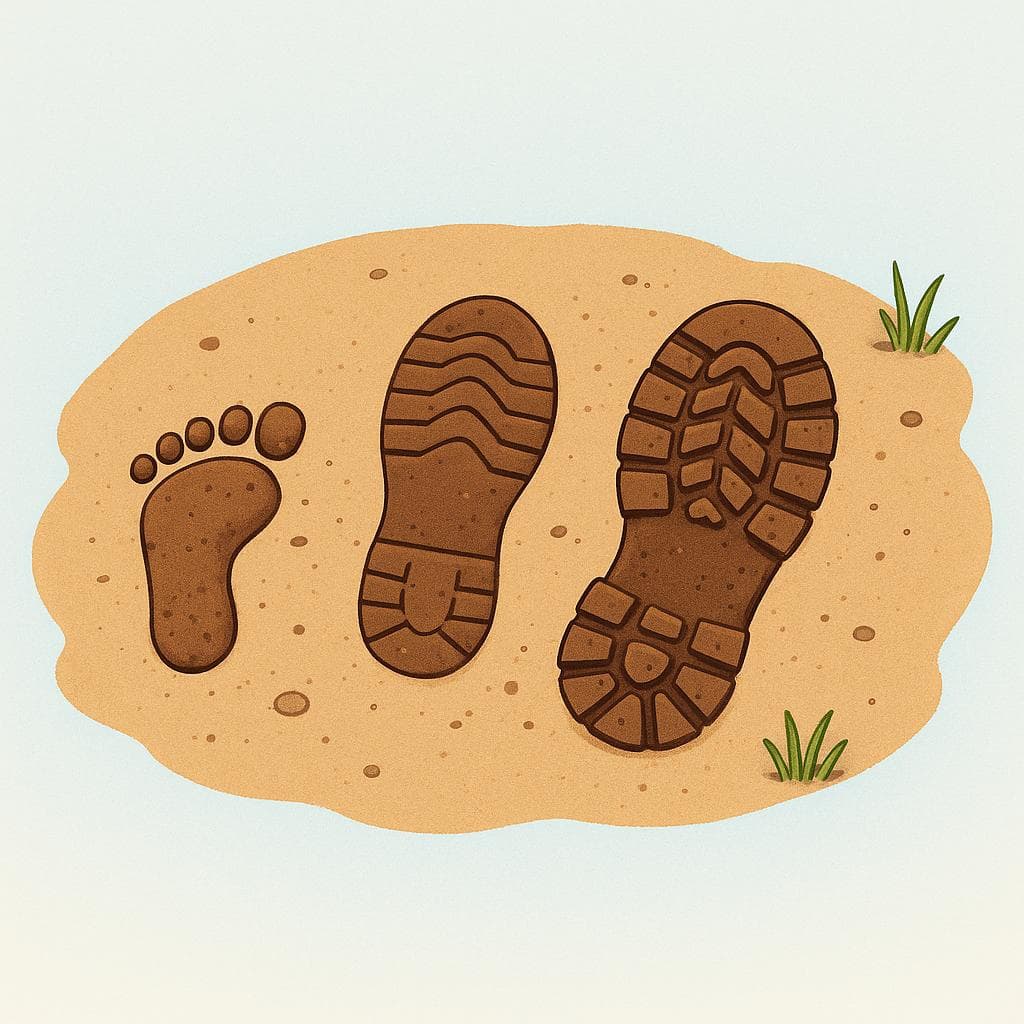
The most common Spanish word for “traces” is “huellas” — use 'huellas' when referring to signs, marks, or impressions left behind that indicate something happened or existed, often in a figurative sense.



huellas
WEY-yahssˈwe.ʝas

Examples
La crisis dejó profundas huellas en la economía del país.
The crisis left deep traces (or marks) on the country's economy.
Sus obras dejaron huellas imborrables en la música moderna.
His works left indelible marks (or a lasting impact) on modern music.
Todavía vemos las huellas de la antigua civilización en las ruinas.
We still see the traces of the ancient civilization in the ruins.
Figurative Use is Common
When talking about feelings, history, or time, 'huellas' often means the emotional or historical marks that are left behind, much like 'traces' or 'scars' in English.
Using the Singular
Mistake: “La crisis dejó una huella en la economía. (The crisis left one trace.)”
Correction: Figurative use almost always demands the plural: 'La crisis dejó huellas profundas.' (The crisis left deep traces.)
rastros
RASS-trohsˈras.tros
Examples
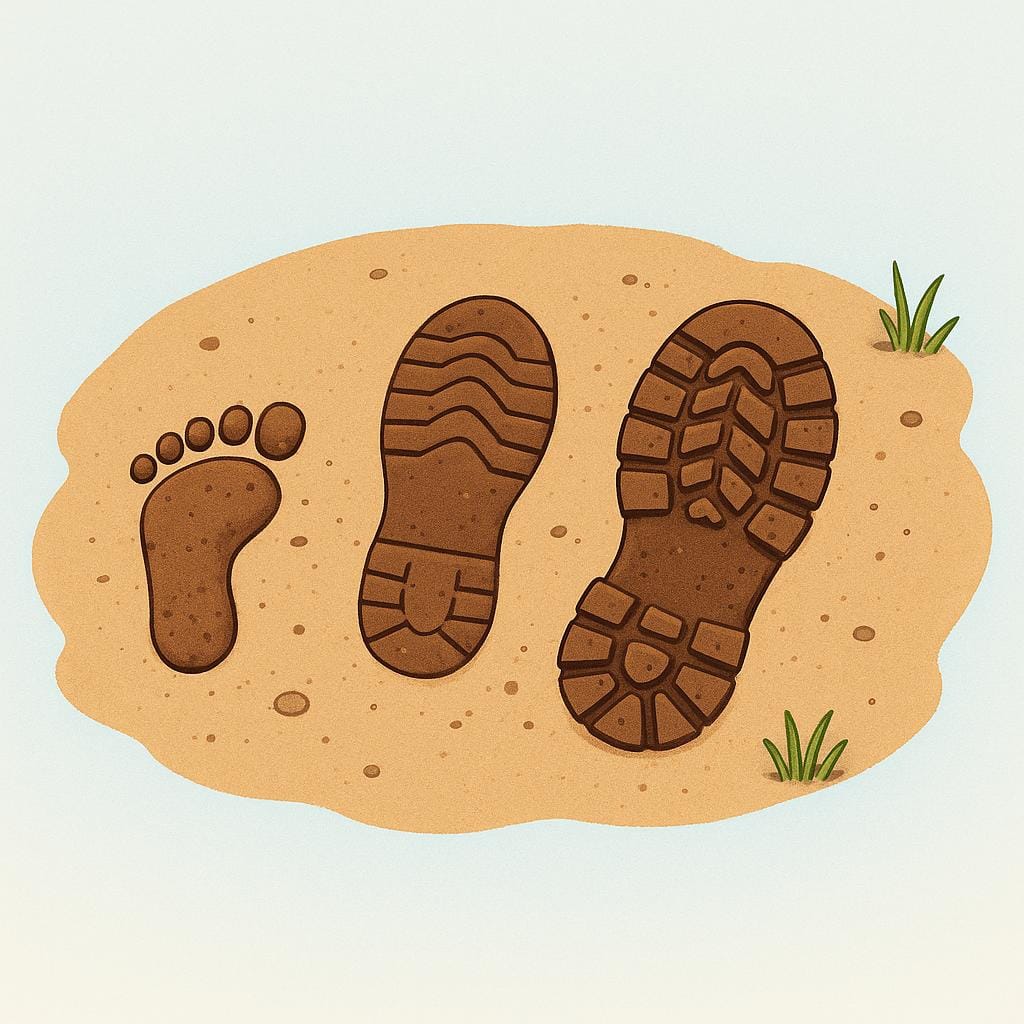
La policía encontró rastros de pisadas en la nieve.
The police found traces of footprints in the snow.
Después de la fiesta, solo quedaron rastros de desorden.
After the party, only signs of mess remained.
Sus palabras aún dejaban rastros de amargura.
His words still showed traces (or signs) of bitterness.
Plural Form
This word is the plural of the masculine noun 'el rastro' (the trace). Remember to use plural articles and adjectives with it (los rastros viejos).
Confusing Noun and Verb
Mistake: “Using 'rastros' when you mean the action of dragging (e.g., 'Yo rastros la caja').”
Correction: The verb form is only for 'tú' (you). For 'yo' (I), you would say 'yo rastro' (I drag).
traza
TRAH-sahˈtɾaθa

Examples
Ella traza el mapa con mucha precisión.
She draws the map with great precision.
¡Traza una línea recta aquí!
Draw a straight line here!
El arquitecto traza los planos del edificio.
The architect sketches the building plans.
Spelling changes
When 'trazar' is followed by an 'e', the 'z' changes to a 'c' (like in 'tracé' or 'trace'). This helps keep the sound consistent.
restos
RESS-tohsˈres.tos
Examples
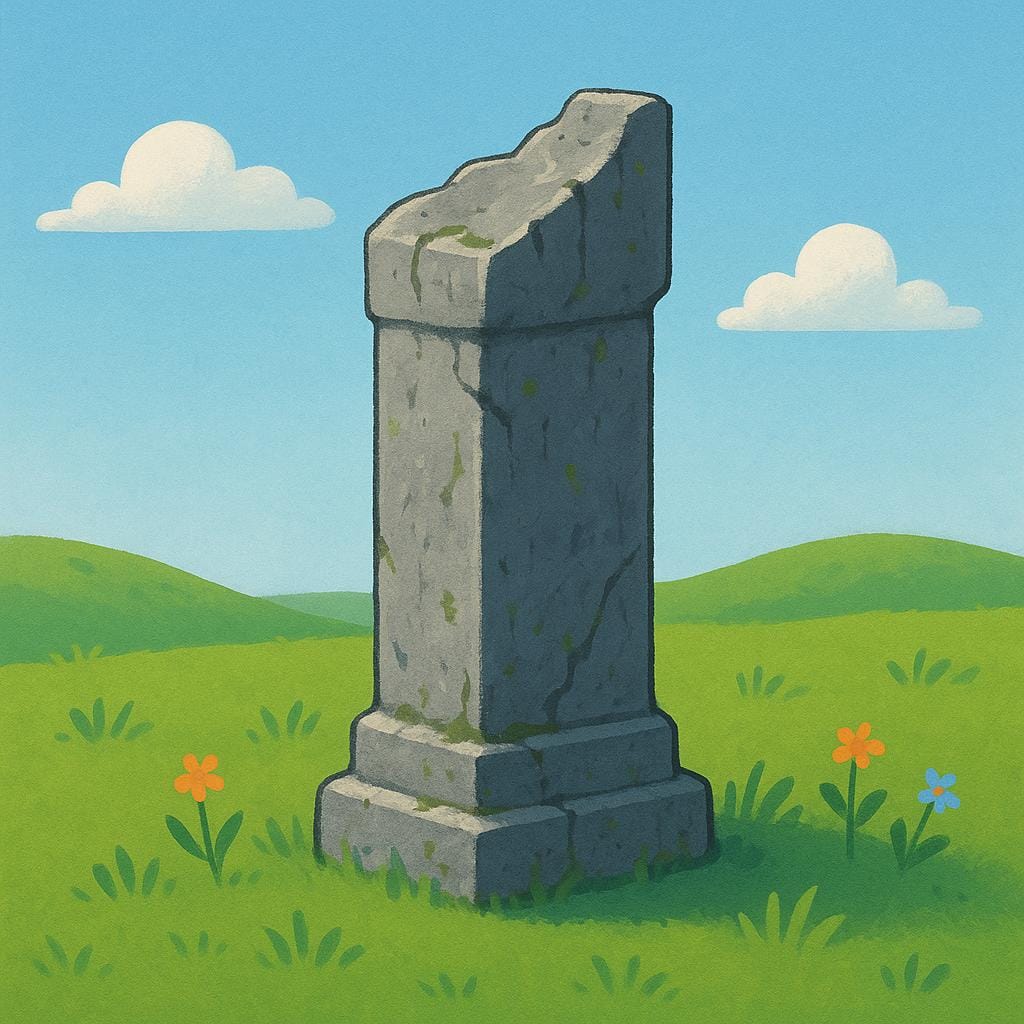
Solo quedan restos de la civilización perdida en esta zona.
Only remnants of the lost civilization remain in this area.
Aún se veían restos de nieve en las cimas de las montañas.
Traces of snow could still be seen on the mountain tops.
Figurative Use
You can use 'restos' to describe the 'remnants' of abstract things, like feelings, memories, or political structures.
describe
de-SKREE-behdesˈkɾi.βe

Examples
La Tierra describe una elipse alrededor del Sol.
The Earth traces an ellipse around the Sun.
El avión describe un arco en el cielo.
The plane traces an arc in the sky.
Moving through space
In science, 'describe' doesn't use words; it uses movement to create a shape.
Huellas vs. Rastros
Related Translations
Learn Spanish with Inklingo
Interactive stories, personalized learning, and more.