How to Say "remnants" in Spanish
The most common Spanish word for “remnants” is “restos” — use 'restos' when referring to physical fragments or ruins of something that existed in the past, especially in a historical or archaeological context.
restos
RESS-tohsˈres.tos
Examples
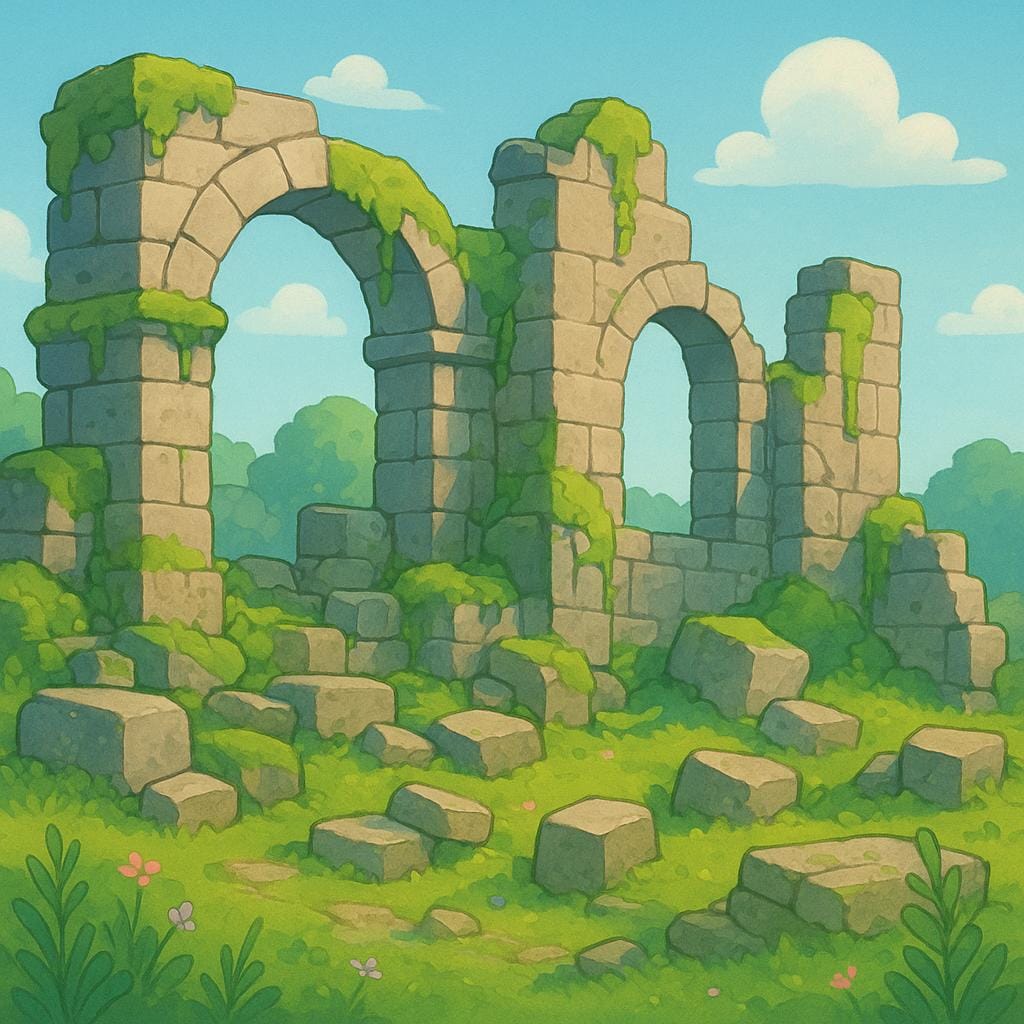
Quedan pocos restos de la antigua muralla romana.
Few remnants of the old Roman wall remain.
Solo quedan restos de la civilización perdida en esta zona.
Only remnants of the lost civilization remain in this area.
Aún se veían restos de nieve en las cimas de las montañas.
Traces of snow could still be seen on the mountain tops.
Figurative Use
You can use 'restos' to describe the 'remnants' of abstract things, like feelings, memories, or political structures.
rastros
RASS-trohsˈras.tros
Examples
El detective siguió los rastros de sangre hasta el callejón.
The detective followed the blood remnants (traces) to the alley.
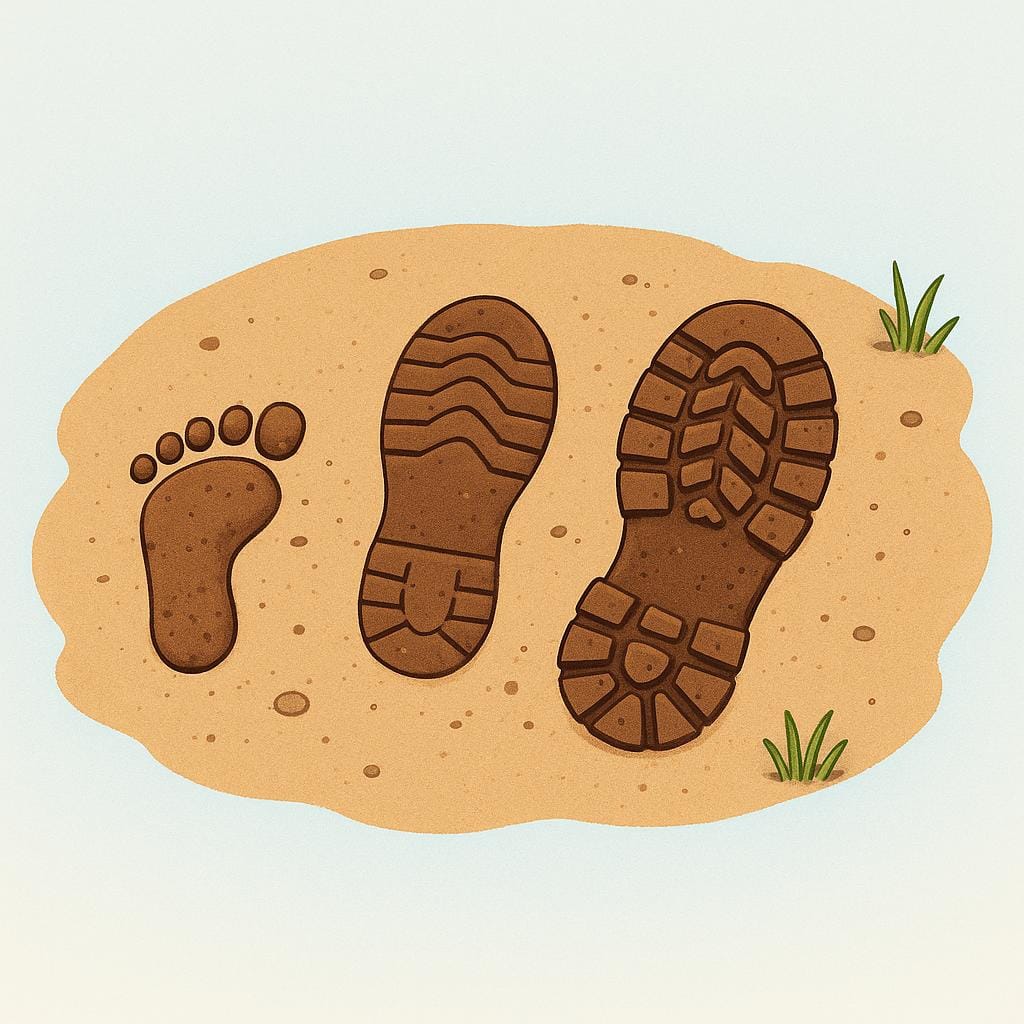
La policía encontró rastros de pisadas en la nieve.
The police found traces of footprints in the snow.
Después de la fiesta, solo quedaron rastros de desorden.
After the party, only signs of mess remained.
Sus palabras aún dejaban rastros de amargura.
His words still showed traces (or signs) of bitterness.
Plural Form
This word is the plural of the masculine noun 'el rastro' (the trace). Remember to use plural articles and adjectives with it (los rastros viejos).
Confusing Noun and Verb
Mistake: “Using 'rastros' when you mean the action of dragging (e.g., 'Yo rastros la caja').”
Correction: The verb form is only for 'tú' (you). For 'yo' (I), you would say 'yo rastro' (I drag).
cenizas
seh-NEE-sasθeˈnisas
Examples
Después del incendio, solo quedaron cenizas de la casa.
After the fire, only remnants (ashes) of the house were left.
Toda su empresa quedó reducida a cenizas tras la crisis económica.
His entire company was reduced to ruins (ashes) after the economic crisis.
Solo quedan cenizas de lo que fue su gran amor.
Only the remnants (ashes) remain of what was once their great love.
Figurative Use
This meaning is often used with verbs like 'reducir' (to reduce) or 'quedar' (to remain) to describe complete failure or destruction.
Confusing physical remains with traces
Learn Spanish with Inklingo
Interactive stories, personalized learning, and more.