How to Say "signs" in Spanish
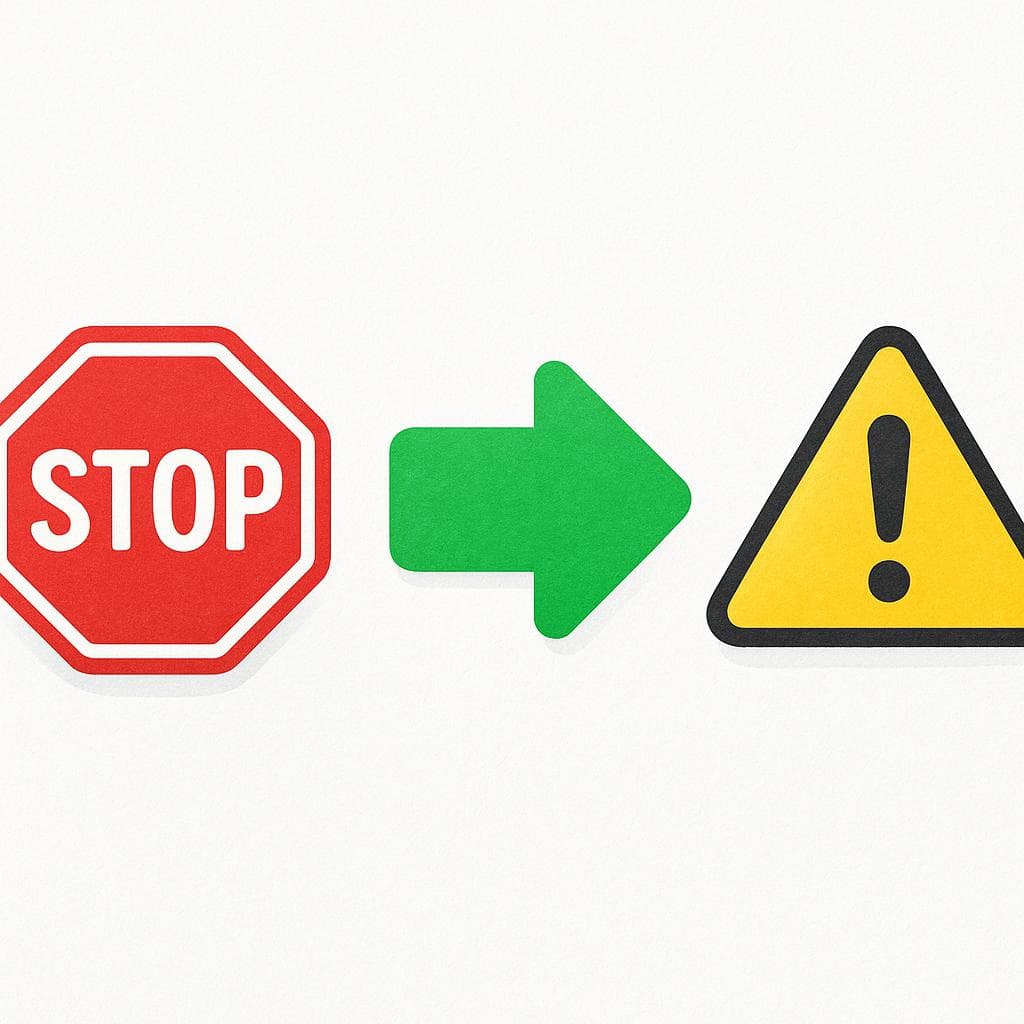
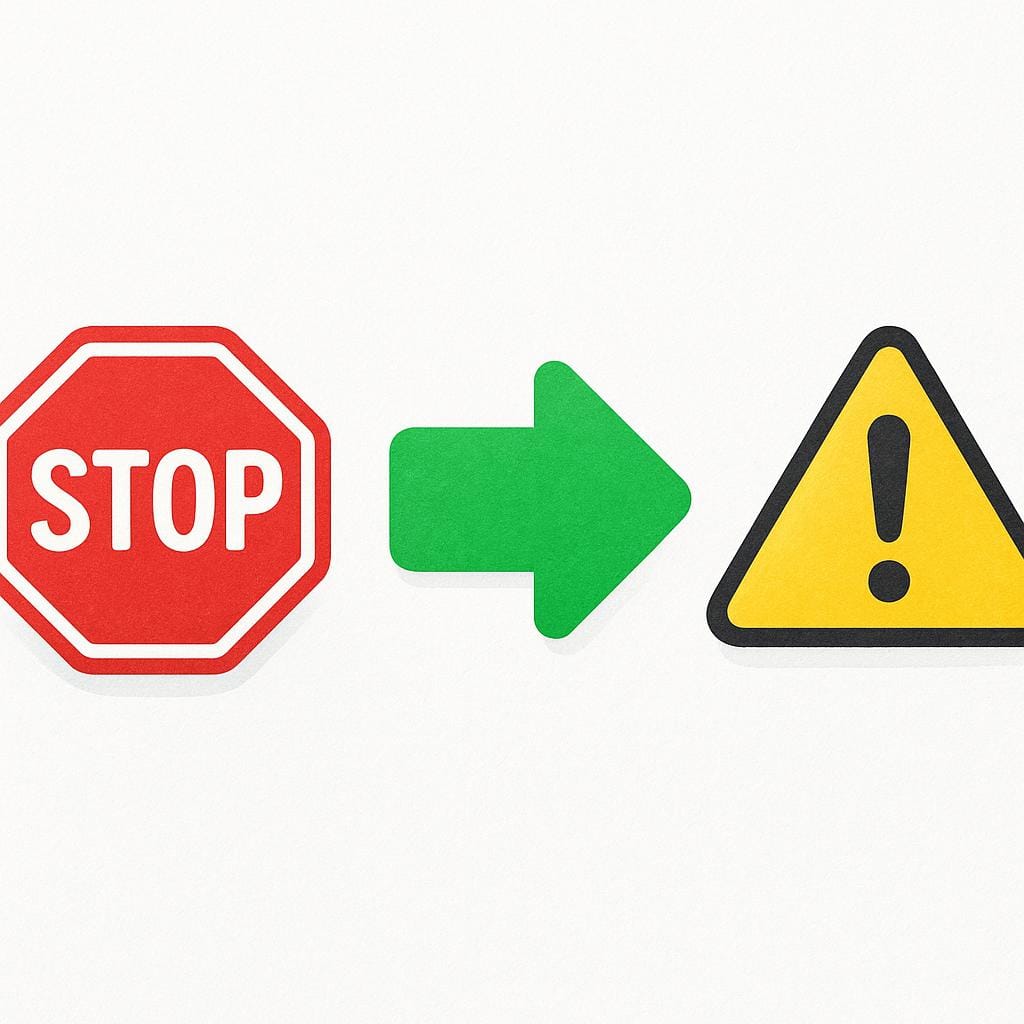
The most common Spanish word for “signs” is “señales” — use this word for traffic signs, warning signs, or any indicator that gives direction or warns of danger.


señales
Examples
Mira las señales de tráfico para saber dónde girar.
Look at the traffic signs to know where to turn.
signos
SEEG-nohsˈsiɣnos
Examples
El médico revisó los signos vitales del paciente.
The doctor checked the patient's vital signs.
Necesitas poner los signos de puntuación correctos.
You need to put the correct punctuation marks.
Los signos más y menos son muy importantes en matemáticas.
The plus and minus signs are very important in mathematics.
Los doctores monitorearon sus signos vitales durante la operación.
The doctors monitored his vital signs during the operation.
Masculine Plural
Remember that 'signos' is a masculine word, so any descriptive words (adjectives) used with it must also be masculine and plural (e.g., 'los signos claros').
Fixed Phrases
When talking about health, 'signos vitales' (vital signs) is a very common fixed phrase, always used in the plural.
carteles
kar-TEH-lehskarˈteles

Examples
Había carteles de conciertos por toda la ciudad.
There were concert posters all over the city.
Hay muchos carteles de colores en la pared.
There are many colorful posters on the wall.
Los carteles anuncian el concierto de mañana.
The posters announce tomorrow's concert.
Making it plural
Since the singular word 'cartel' ends in a consonant (l), we add '-es' to make it plural: 'carteles'.
Gender agreement
This word is masculine. Even though it ends in 'es', you must use masculine markers like 'los' or 'unos' (e.g., 'los carteles').
Don't use 'as'
Mistake: “las carteles”
Correction: los carteles
rastros
RASS-trohsˈras.tros
Examples
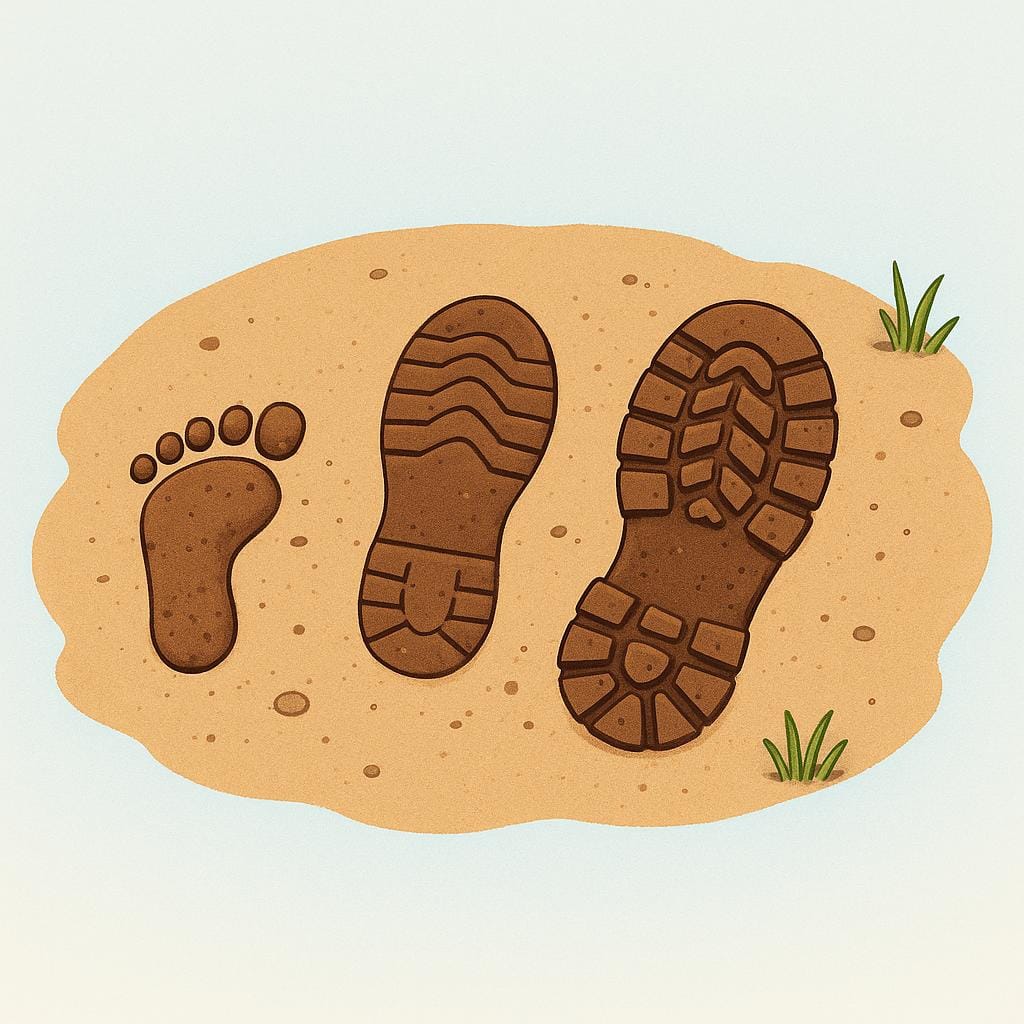
Encontramos rastros de barro en el suelo.
We found traces of mud on the floor.
La policía encontró rastros de pisadas en la nieve.
The police found traces of footprints in the snow.
Después de la fiesta, solo quedaron rastros de desorden.
After the party, only signs of mess remained.
Sus palabras aún dejaban rastros de amargura.
His words still showed traces (or signs) of bitterness.
Plural Form
This word is the plural of the masculine noun 'el rastro' (the trace). Remember to use plural articles and adjectives with it (los rastros viejos).
Confusing Noun and Verb
Mistake: “Using 'rastros' when you mean the action of dragging (e.g., 'Yo rastros la caja').”
Correction: The verb form is only for 'tú' (you). For 'yo' (I), you would say 'yo rastro' (I drag).
huellas
WEY-yahssˈwe.ʝas

Examples
Las huellas de sus zapatos estaban en la alfombra.
The traces of his shoes were on the carpet.
La crisis dejó profundas huellas en la economía del país.
The crisis left deep traces (or marks) on the country's economy.
Sus obras dejaron huellas imborrables en la música moderna.
His works left indelible marks (or a lasting impact) on modern music.
Todavía vemos las huellas de la antigua civilización en las ruinas.
We still see the traces of the ancient civilization in the ruins.
Figurative Use is Common
When talking about feelings, history, or time, 'huellas' often means the emotional or historical marks that are left behind, much like 'traces' or 'scars' in English.
Using the Singular
Mistake: “La crisis dejó una huella en la economía. (The crisis left one trace.)”
Correction: Figurative use almost always demands the plural: 'La crisis dejó huellas profundas.' (The crisis left deep traces.)
Señales vs. Signos
Related Translations
Learn Spanish with Inklingo
Interactive stories, personalized learning, and more.