How to Say "legacy" in Spanish
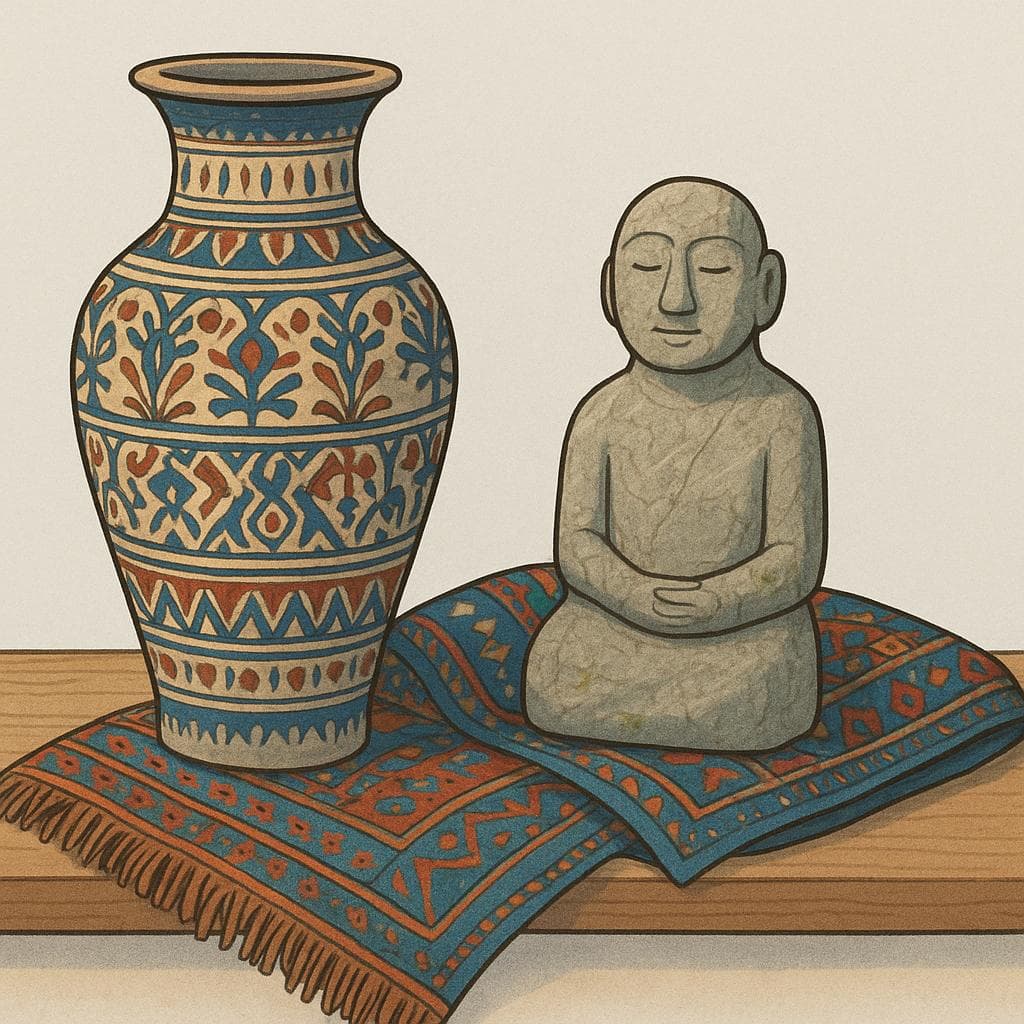
The most common Spanish word for “legacy” is “legado” — use 'legado' for something abstract or concrete that is handed down, especially a cultural or intellectual inheritance from the past.



legado
leh-GAH-dohleˈɣa.ðo
Examples
El legado de Cervantes se puede ver en la literatura moderna.
The legacy of Cervantes can be seen in modern literature.
El legado cultural de los romanos aún se ve en Europa.
The cultural legacy of the Romans is still seen in Europe.
Su mayor legado fue la fundación de una escuela gratuita.
His greatest legacy was the founding of a free school.
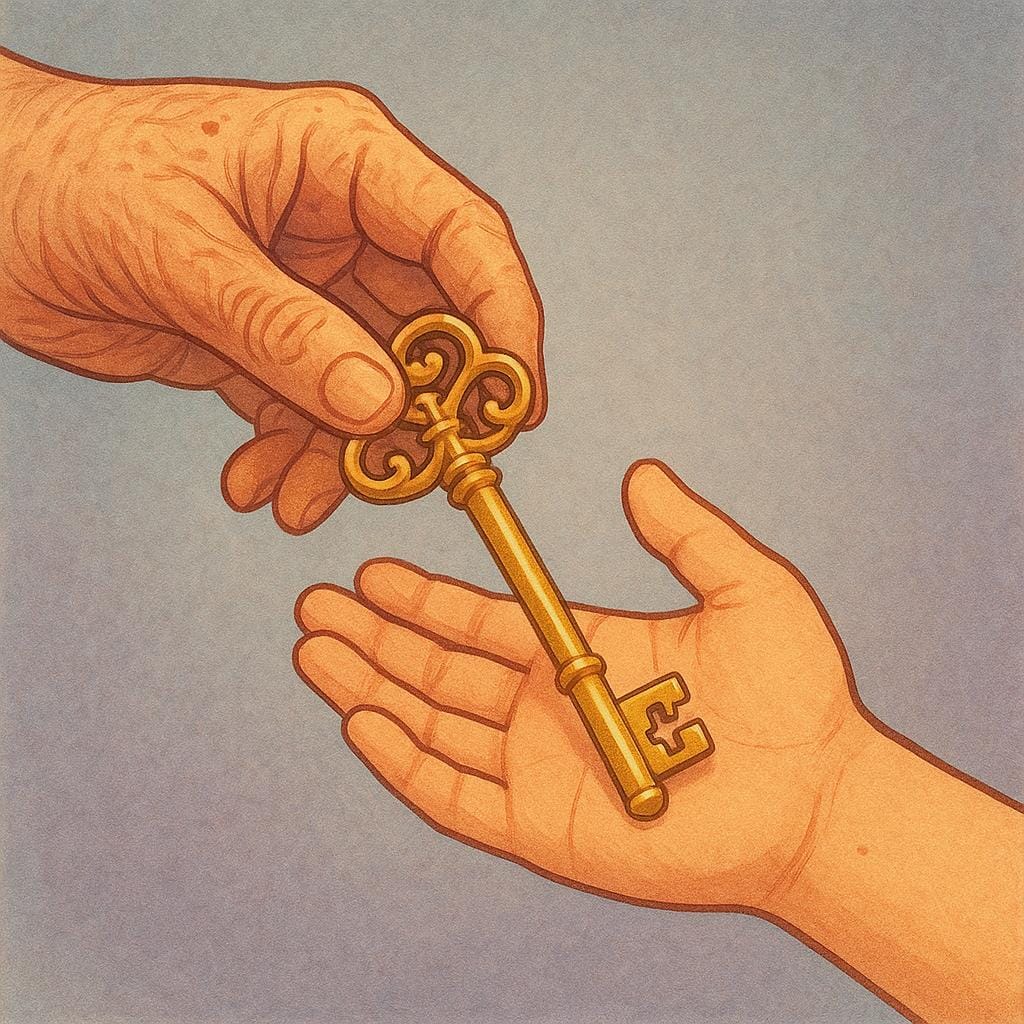
Recibió un pequeño legado de su tía abuela.
She received a small bequest (inheritance) from her great-aunt.
Always Masculine
Even though 'legacy' can feel abstract, 'legado' is always a masculine noun, so you use 'el' (the) or 'un' (a) before it.
Legado vs. Herencia
Mistake: “Using 'herencia' when referring to a person's abstract impact (e.g., 'the herencia of the president').”
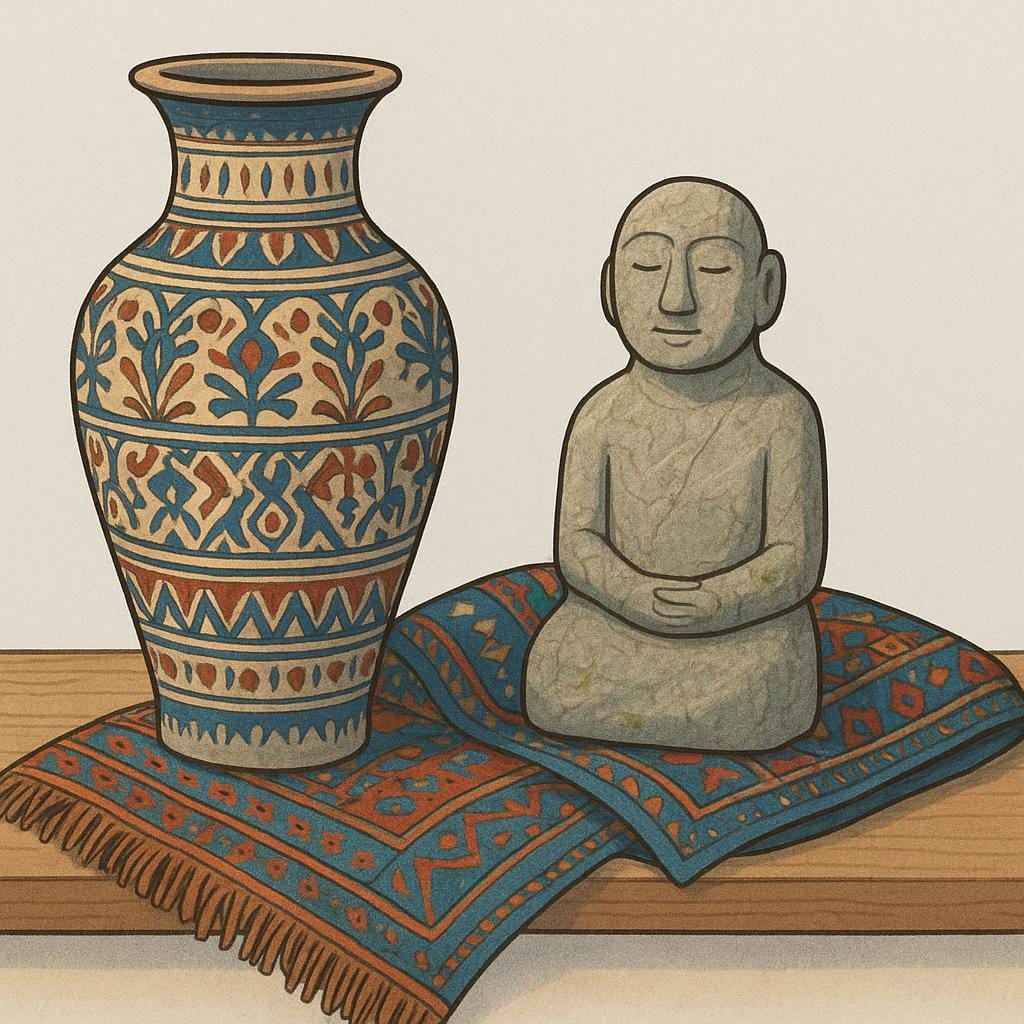
Correction: 'Legado' is better for abstract impact, reputation, or cultural contribution. 'Herencia' usually refers specifically to money or property left in a will.
herencia
eh-REN-see-aheˈɾenθja
Examples
Recibió una gran herencia de sus abuelos.
He received a great inheritance from his grandparents.
La herencia cultural de España es muy rica.
Spain's cultural heritage is very rich.
El color de sus ojos es una herencia genética de su madre.
His eye color is a genetic trait (or inheritance) from his mother.
patrimonio
pah-tree-moh-nyohpa.tɾi.ˈmo.njo
Examples
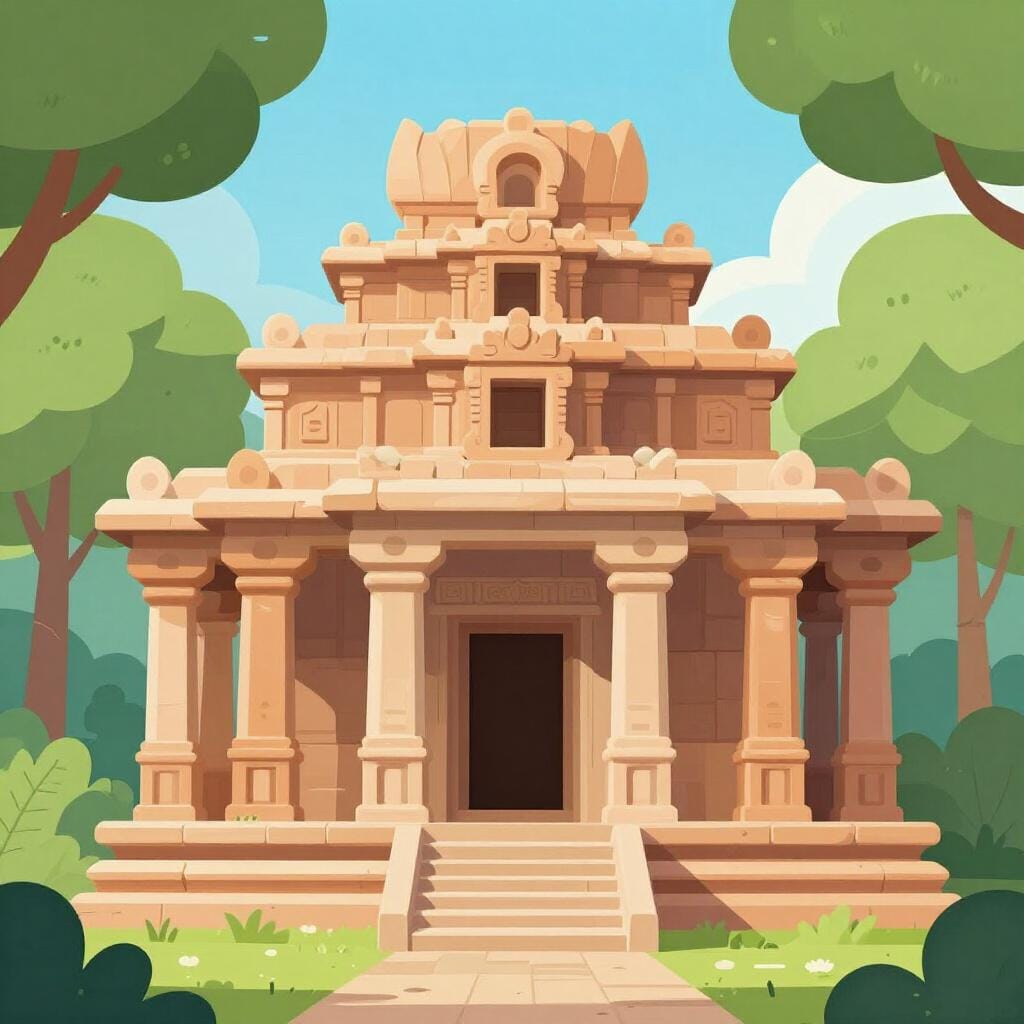
La Alhambra es un importante patrimonio de la humanidad.
The Alhambra is an important world heritage site.
La ciudad de Toledo es parte del patrimonio español.
The city of Toledo is part of Spanish heritage.
Debemos cuidar nuestro patrimonio natural para las futuras generaciones.
We must take care of our natural heritage for future generations.
La UNESCO declaró este bosque como Patrimonio de la Humanidad.
UNESCO declared this forest a World Heritage site.
Always Masculine
Even if you are talking about 'the history' (la historia), the word 'patrimonio' is always masculine (el patrimonio).
Heritage vs. Inheritance
Mistake: “Using 'herencia' to describe a museum or monument.”
Correction: Use 'patrimonio' for collective cultural things and 'herencia' for things your family leaves you when they pass away.
huellas
WEY-yahssˈwe.ʝas

Examples
La guerra dejó profundas huellas en la memoria colectiva.
The war left deep traces in the collective memory.
La crisis dejó profundas huellas en la economía del país.
The crisis left deep traces (or marks) on the country's economy.
Sus obras dejaron huellas imborrables en la música moderna.
His works left indelible marks (or a lasting impact) on modern music.
Todavía vemos las huellas de la antigua civilización en las ruinas.
We still see the traces of the ancient civilization in the ruins.
Figurative Use is Common
When talking about feelings, history, or time, 'huellas' often means the emotional or historical marks that are left behind, much like 'traces' or 'scars' in English.
Using the Singular
Mistake: “La crisis dejó una huella en la economía. (The crisis left one trace.)”
Correction: Figurative use almost always demands the plural: 'La crisis dejó huellas profundas.' (The crisis left deep traces.)
estela
es-TEH-lahesˈtela
Examples
La estela de su éxito inspiró a muchos jóvenes.
The wake (or trail) of his success inspired many young people.
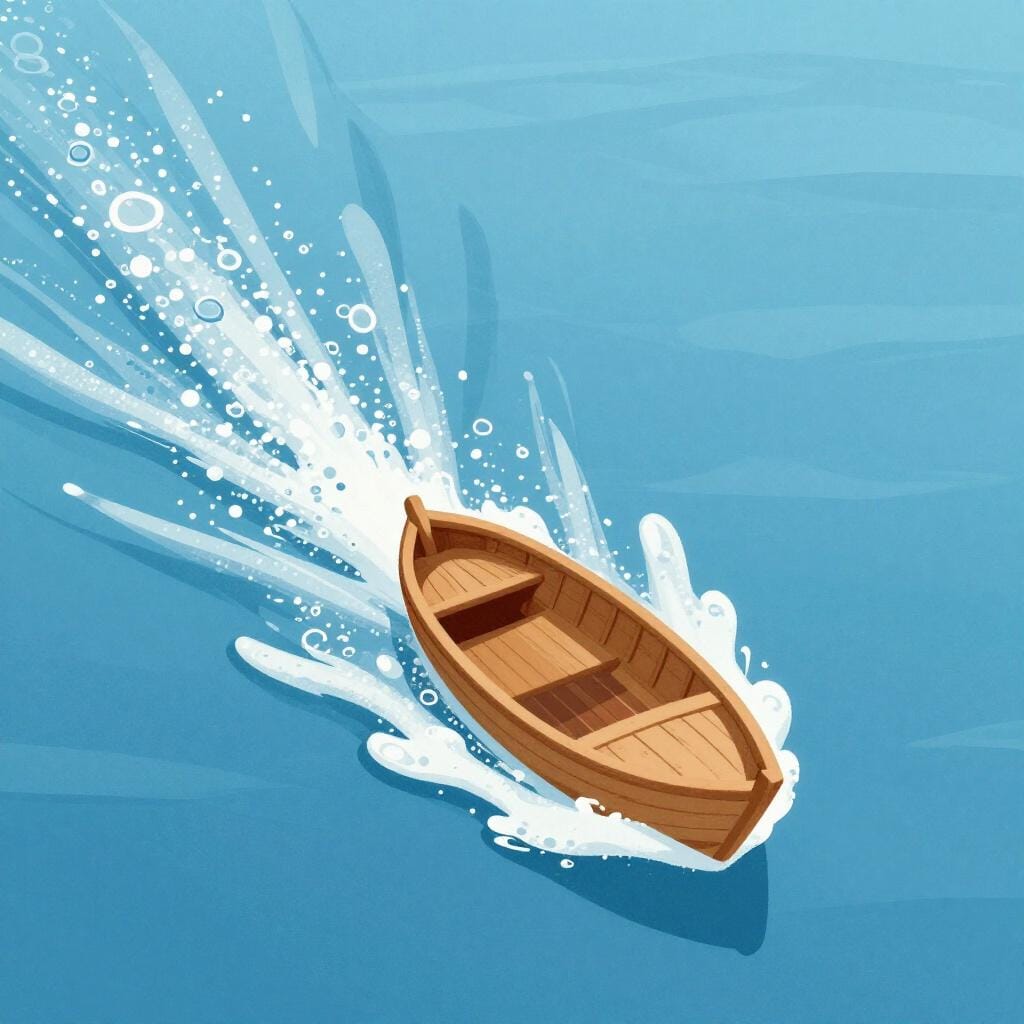
El barco dejó una estela blanca en el mar azul.
The boat left a white wake in the blue sea.
Mira la estela del avión en el cielo.
Look at the plane's trail in the sky.
El gran escritor dejó una estela de sabiduría en sus libros.
The great writer left a legacy of wisdom in his books.
Gender and Articles
Even though 'estela' starts with an 'e', it is a feminine word. You always use 'la' or 'una' with it, never 'el'.
Abstract Meaning
Just like in English we say someone 'left their mark,' in Spanish you can use 'estela' to describe the influence or memories a person leaves behind after they are gone.
Confusing with 'estrella'
Mistake: “Mira la estrella del avión.”
Correction: Mira la estela del avión.
Legado vs. Herencia vs. Patrimonio
Related Translations
Learn Spanish with Inklingo
Interactive stories, personalized learning, and more.