legado
“legado” means “legacy” in Spanish. It has 2 different meanings depending on context:


legacyAlso: inheritance, bequest
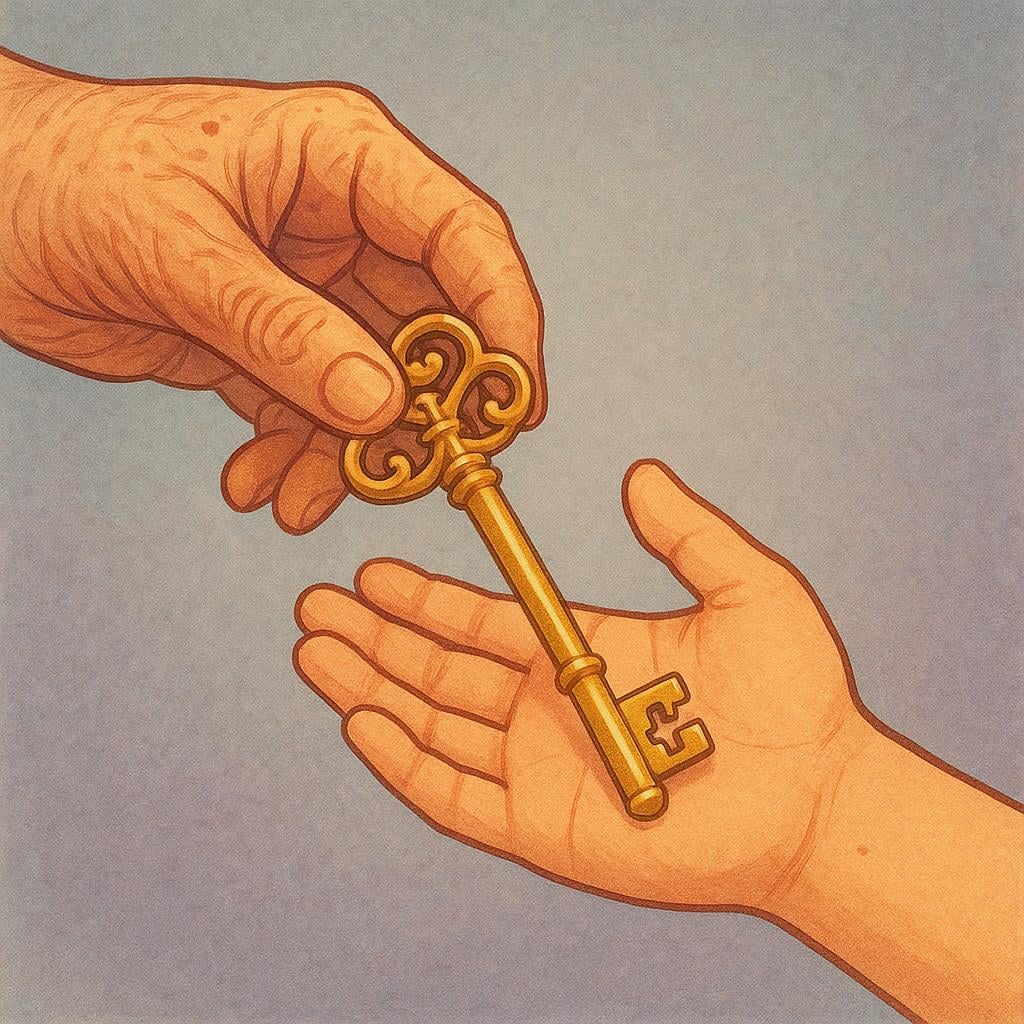
📝 In Action
El legado cultural de los romanos aún se ve en Europa.
B1The cultural legacy of the Romans is still seen in Europe.
Su mayor legado fue la fundación de una escuela gratuita.
B2His greatest legacy was the founding of a free school.
Recibió un pequeño legado de su tía abuela.
B1She received a small bequest (inheritance) from her great-aunt.
Word Connections
envoyAlso: delegate, legate

📝 In Action
El legado fue enviado a negociar un tratado de paz.
C1The envoy was sent to negotiate a peace treaty.
El Papa nombró un legado para supervisar la diócesis.
C2The Pope appointed a legate (representative) to oversee the diocese.
Word Connections
Translate to Spanish
✏️ Quick Practice
Quick Quiz: legado
Question 1 of 1
Which sentence uses 'legado' in the sense of a physical inheritance or gift?
📚 More Resources
👥 Word Family
📚 Etymology
Comes from the Latin word *legatum*, meaning 'a bequest' or 'something entrusted by will.' This root also relates to the idea of 'sending' or 'delegating' someone with a mission.
First recorded: 13th century
Cognates (Related words)
💡 Master Spanish
Take your Spanish to the next level. Read 200+ illustrated and narrated Spanish stories tailored to your level with the Inklingo app!
Frequently Asked Questions
¿Cuál es la diferencia entre 'legado' y 'herencia'?
'Legado' often refers to abstract, non-material things like reputation, influence, or cultural contribution (e.g., 'a president's legacy'). 'Herencia' almost always means the physical property, money, or goods that someone leaves behind when they die.