herencia
“herencia” means “inheritance” in Spanish. It has 2 different meanings depending on context:

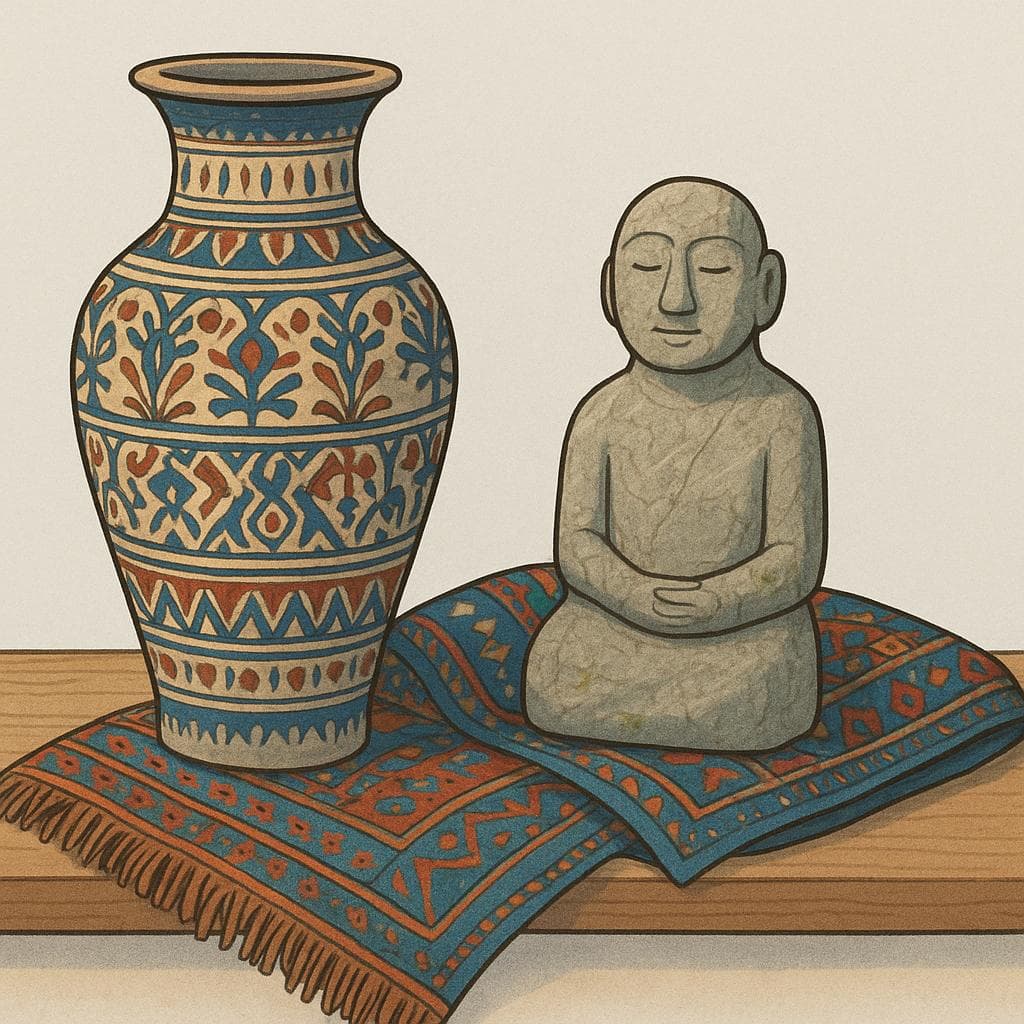
inheritanceAlso: bequest

📝 In Action
Recibió una gran herencia de su abuelo.
B1She received a large inheritance from her grandfather.
Tuvieron que pagar muchos impuestos por la herencia.
B2They had to pay many taxes on the inheritance.
Word Connections
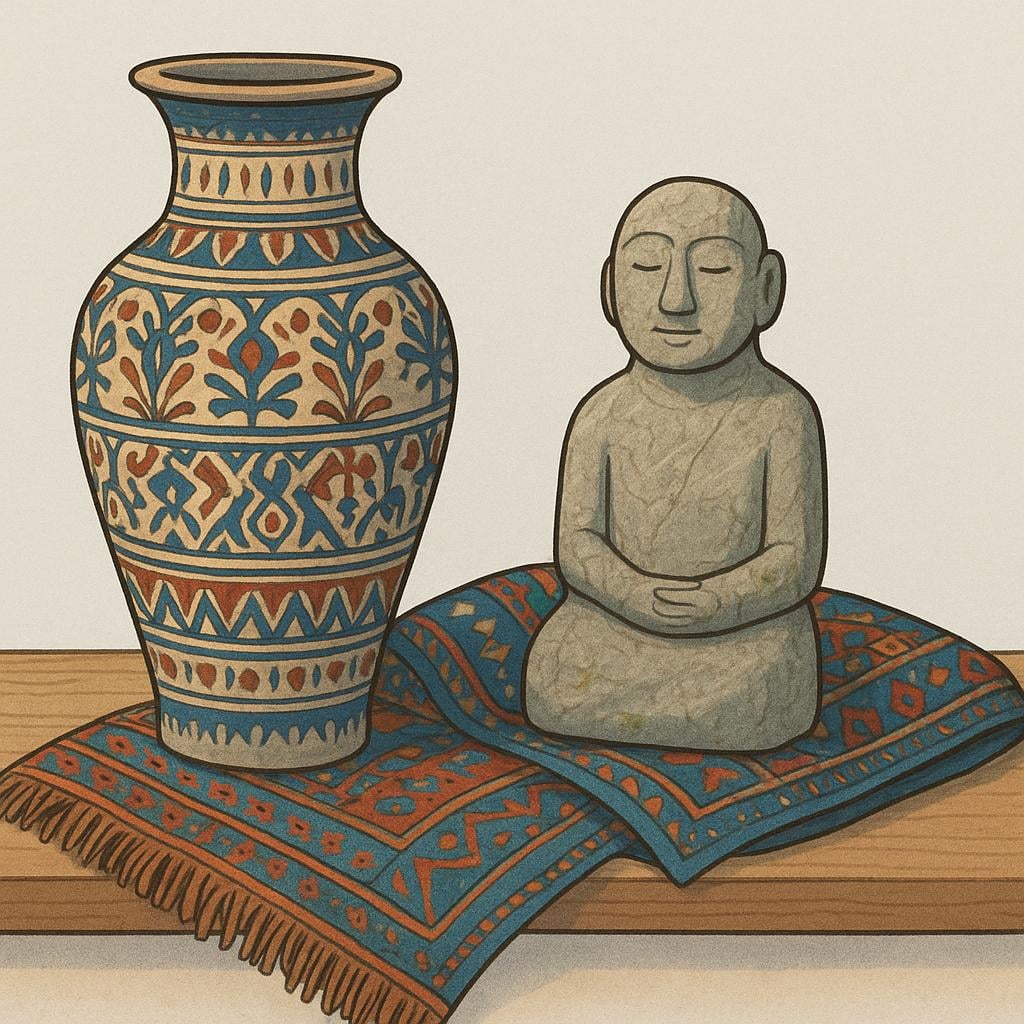
heritage, legacyAlso: genetic trait
📝 In Action
La herencia cultural de España es muy rica.
B2Spain's cultural heritage is very rich.
El color de sus ojos es una herencia genética de su madre.
B2His eye color is a genetic trait (or inheritance) from his mother.
Word Connections
Translate to Spanish
Words that translate to "herencia" in Spanish:
✏️ Quick Practice
Quick Quiz: herencia
Question 1 of 1
Which sentence uses 'herencia' in the sense of cultural legacy?
📚 More Resources
👥 Word Family
🎵 Rhymes
📚 Etymology
Comes from the Latin word *hereditas*, which meant the state of being an heir or the property acquired through succession. It shares a root with the Latin word for 'heir'.
First recorded: 13th century (in Spanish texts)
Cognates (Related words)
💡 Master Spanish
Take your Spanish to the next level. Read 200+ illustrated and narrated Spanish stories tailored to your level with the Inklingo app!
Frequently Asked Questions
How do I know if 'herencia' means money or culture?
Look at the context. If the sentence mentions family members, wills, or money ('millones', 'casa'), it's financial inheritance. If it mentions history, traditions, or a group ('cultura', 'país'), it’s heritage.