How to Say "inheritance" in Spanish
The most common Spanish word for “inheritance” is “herencia” — use 'herencia' when referring to money, property, or other assets passed down from one generation to the next, especially from a deceased person.


herencia
eh-REN-see-aheˈɾenθja

Examples
Recibió una gran herencia de su abuelo.
She received a large inheritance from her grandfather.
Tuvieron que pagar muchos impuestos por la herencia.
They had to pay many taxes on the inheritance.
Feminine Noun
'Herencia' is a feminine word, so always use feminine articles and adjectives with it (e.g., 'la herencia', 'una herencia grande').
Saying 'the heir'
Mistake: “El herencia”
Correction: La herencia. Remember the word is feminine, even if the person receiving the inheritance is male.
legado
leh-GAH-dohleˈɣa.ðo
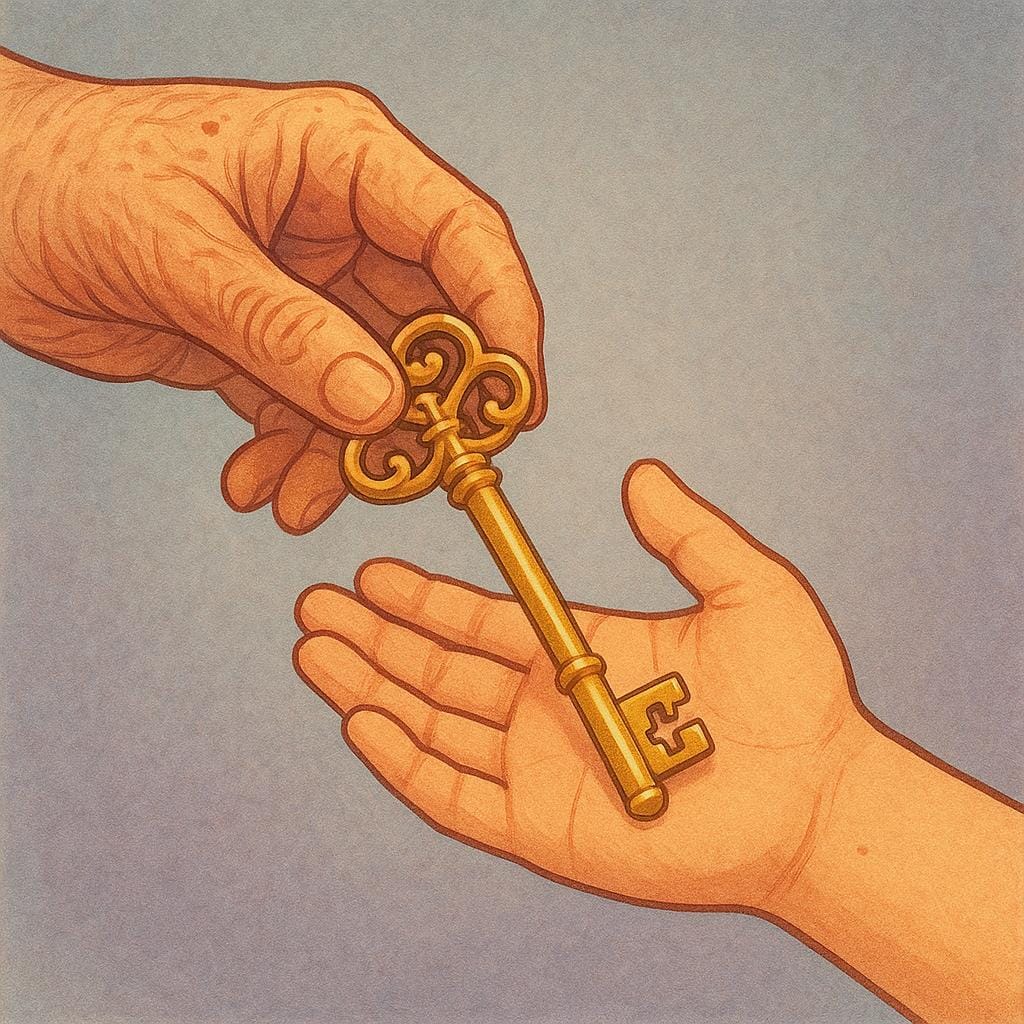
Examples
El legado cultural de los romanos aún se ve en Europa.
The cultural legacy of the Romans is still seen in Europe.
Su mayor legado fue la fundación de una escuela gratuita.
His greatest legacy was the founding of a free school.
Recibió un pequeño legado de su tía abuela.
She received a small bequest (inheritance) from her great-aunt.
Always Masculine
Even though 'legacy' can feel abstract, 'legado' is always a masculine noun, so you use 'el' (the) or 'un' (a) before it.
Legado vs. Herencia
Mistake: “Using 'herencia' when referring to a person's abstract impact (e.g., 'the herencia of the president').”
Correction: 'Legado' is better for abstract impact, reputation, or cultural contribution. 'Herencia' usually refers specifically to money or property left in a will.
sucesión
Examples
El abogado está gestionando la sucesión de mi abuelo.
The lawyer is managing my grandfather's estate/inheritance.
Herencia vs. Sucesión
Learn Spanish with Inklingo
Interactive stories, personalized learning, and more.