How to Say "estate" in Spanish
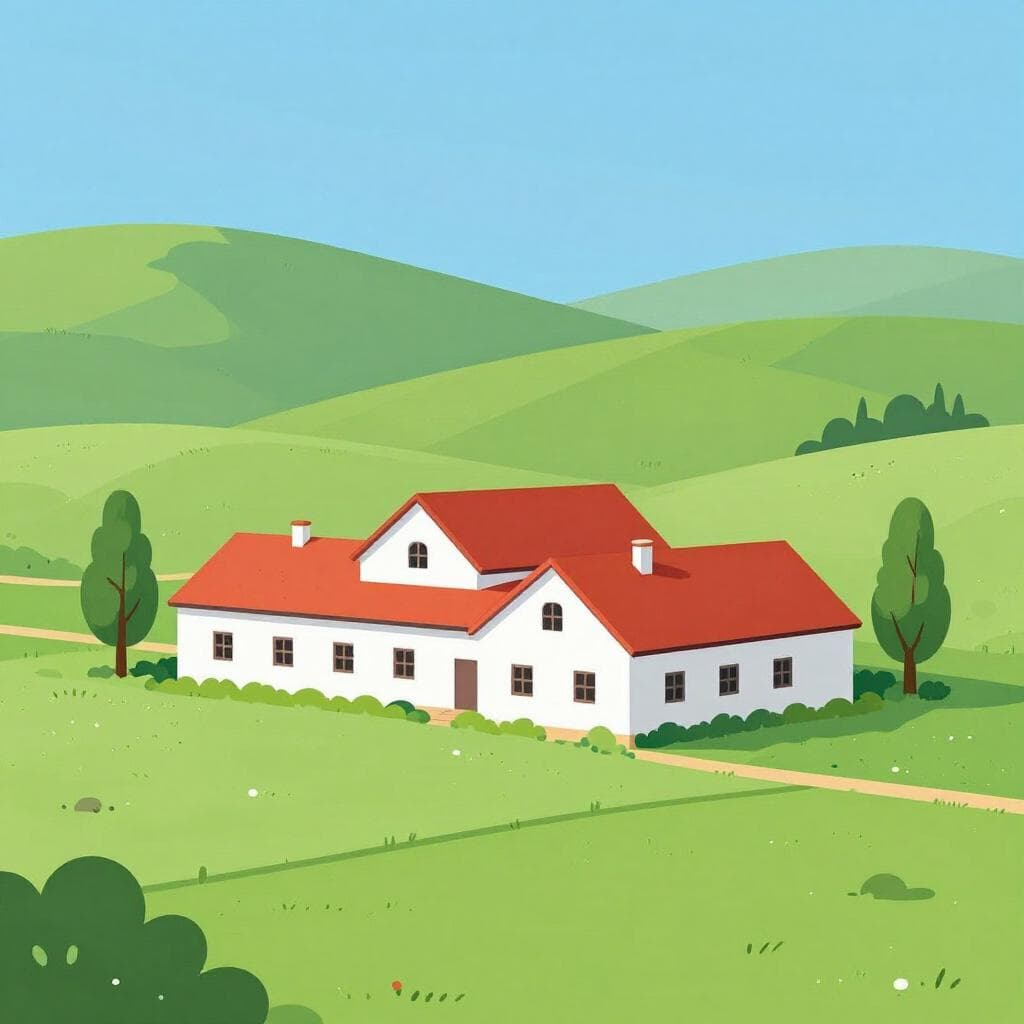
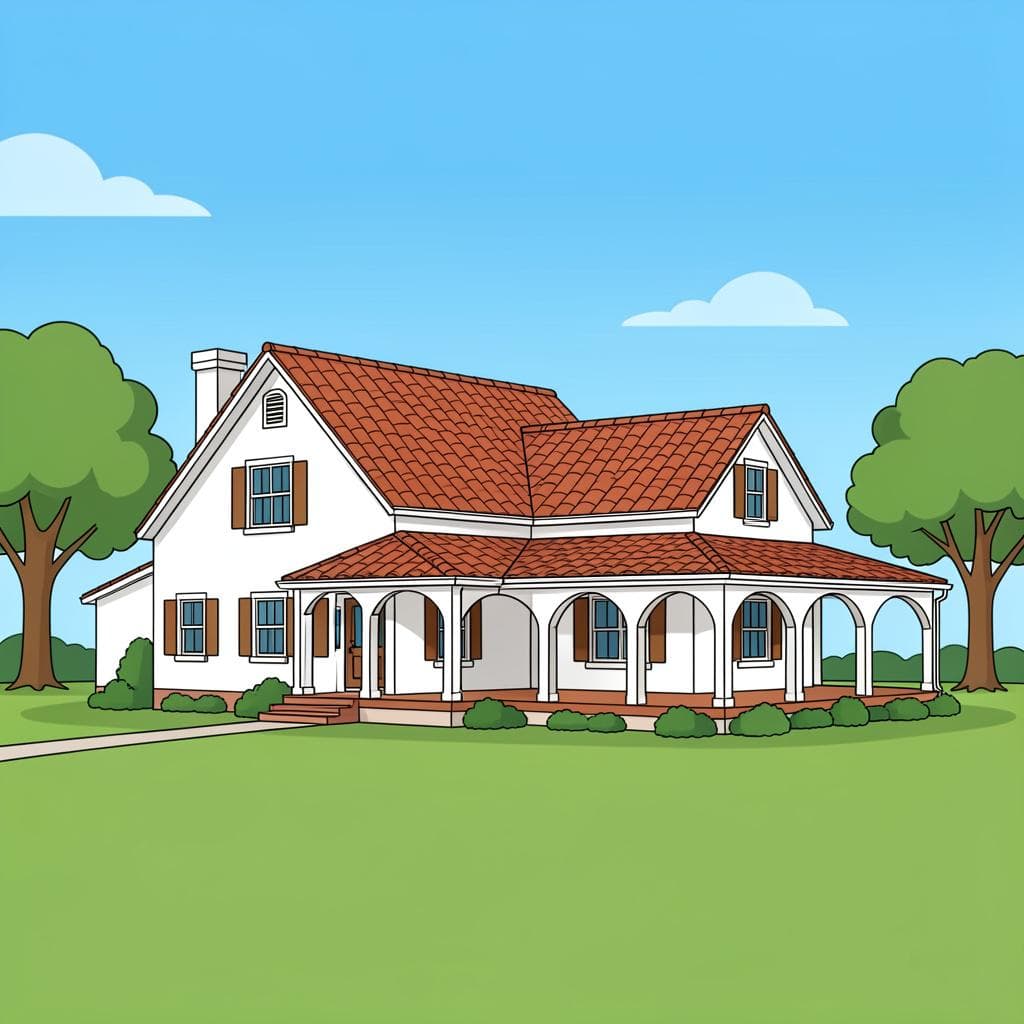
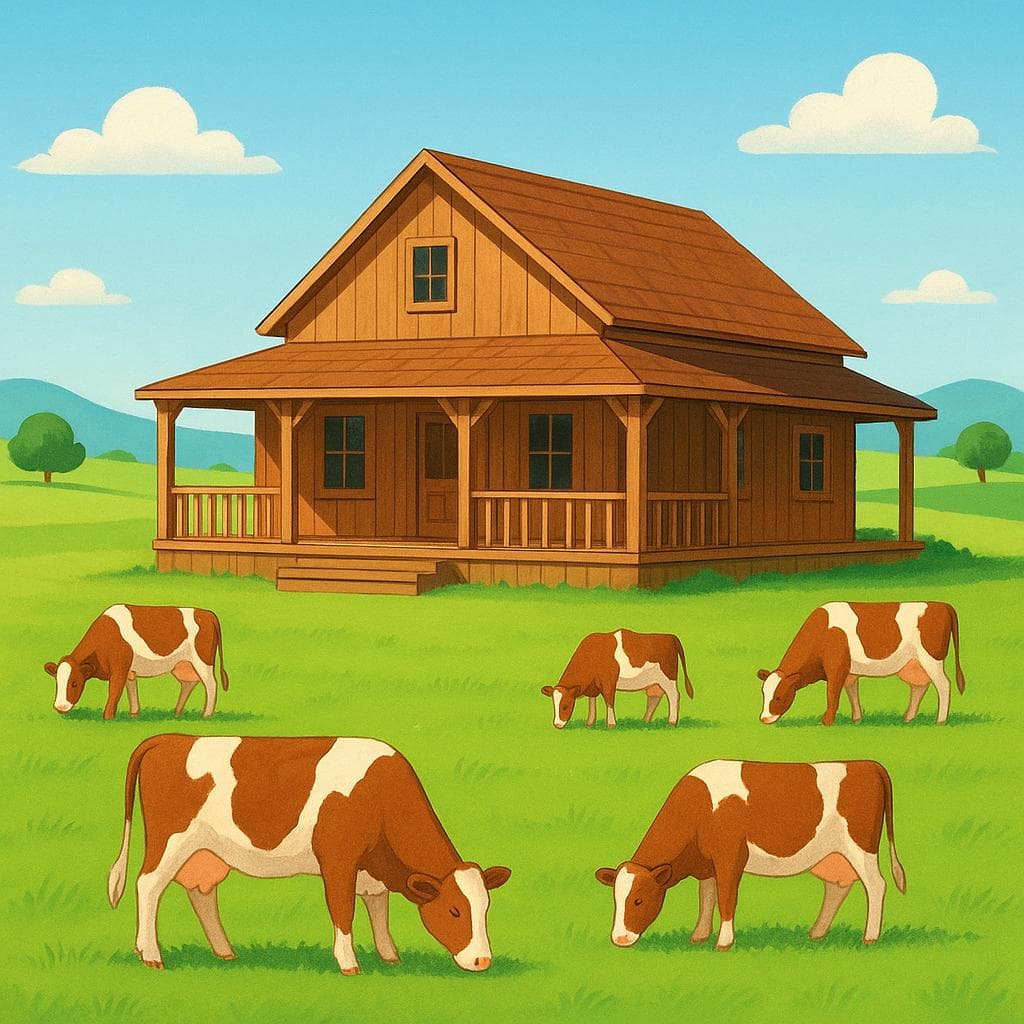
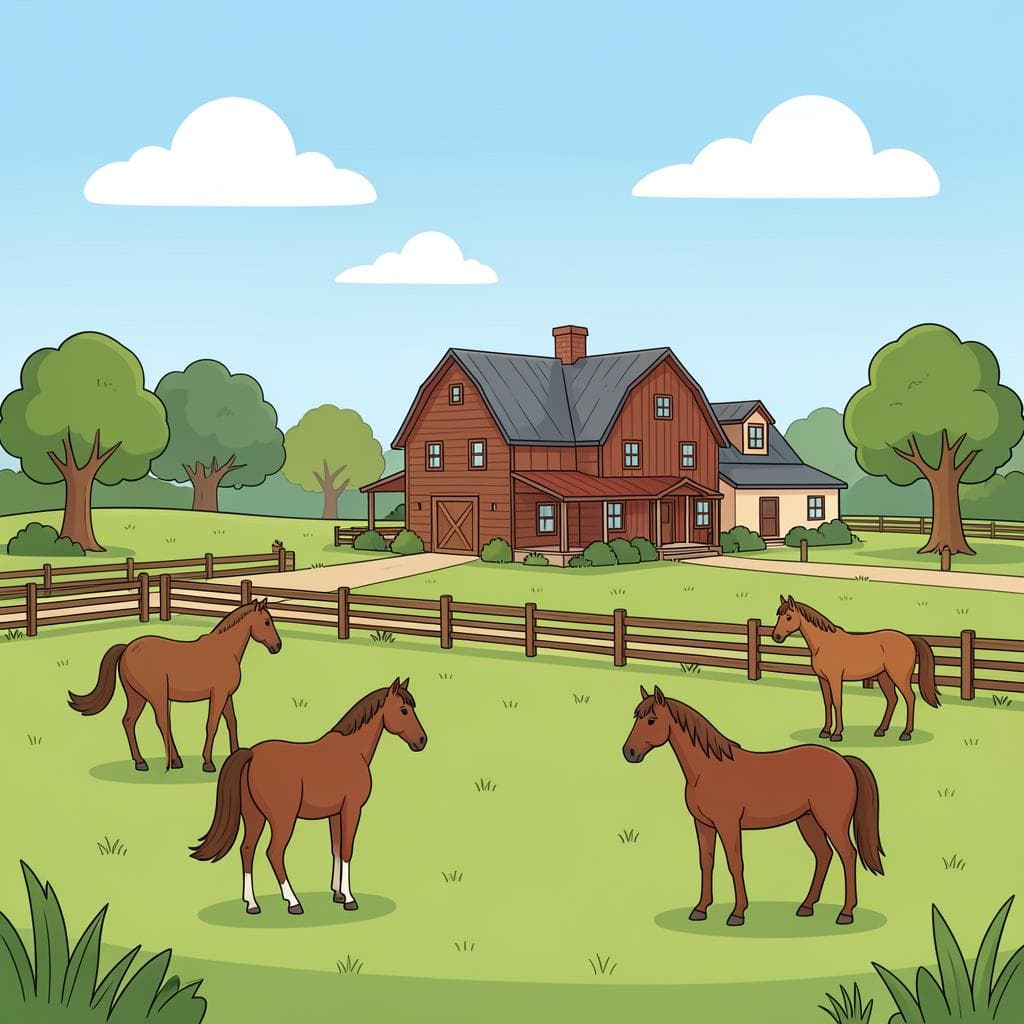
The most common Spanish word for “estate” is “propiedad” — use 'propiedad' for a general term referring to any large, often expensive, piece of property, whether rural or urban.





propiedad
proh-pee-eh-DAHDpɾo.pjeˈðað

Examples
Quiero comprar una propiedad pequeña cerca del mar.
I want to buy a small property near the sea.
Esa es nuestra propiedad; la compramos el año pasado.
That is our property; we bought it last year.
Necesitamos los documentos que confirmen la propiedad del coche.
We need the documents that confirm ownership of the car.
Gender Check
Even though it ends in '-d', 'propiedad' is always a feminine word, so use 'la propiedad' or 'una propiedad'.
finca
FEEN-kahˈfiŋka
Examples
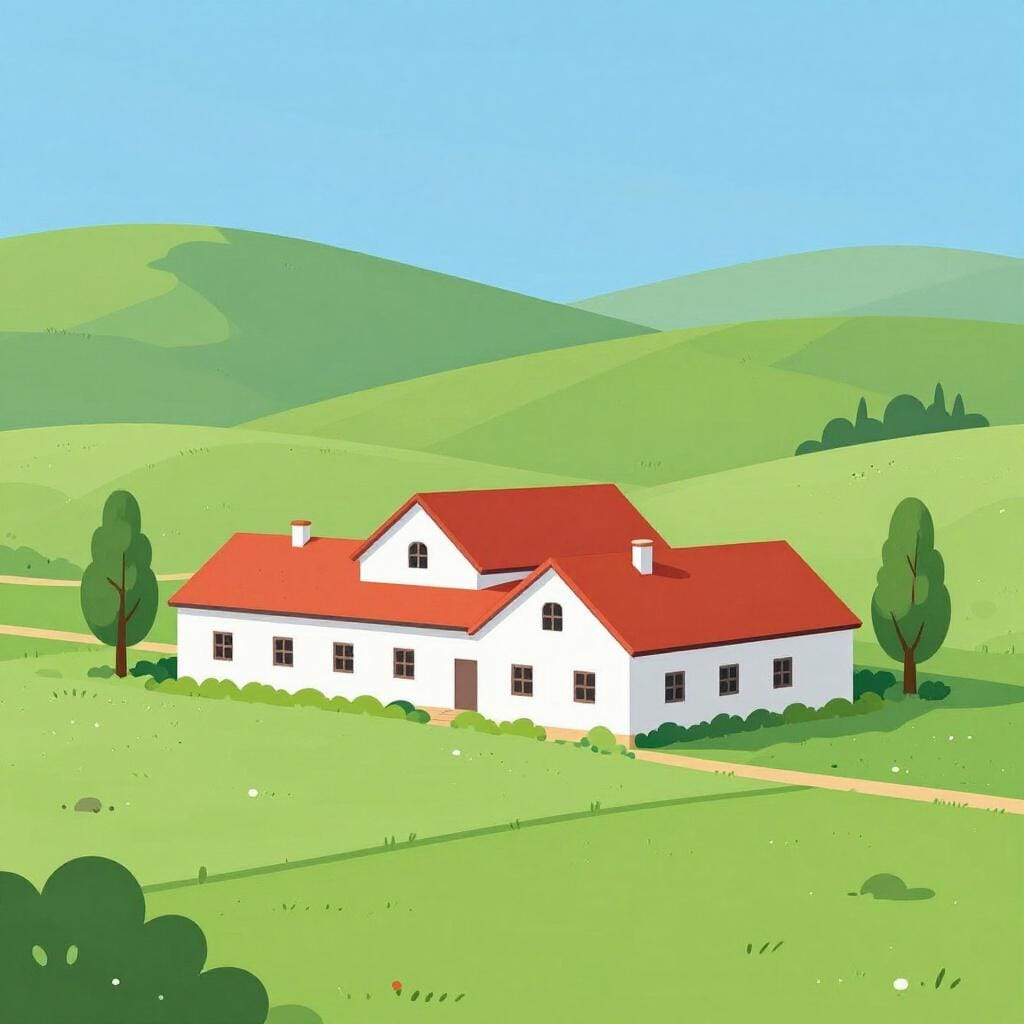
Compraron una finca grande para cultivar café.
They bought a large estate (finca) to grow coffee.
Mis abuelos viven en una finca en las montañas.
My grandparents live on a farm in the mountains.
Alquilamos una finca preciosa para celebrar la boda.
We rented a beautiful country estate to celebrate the wedding.
El administrador de fincas se encarga del mantenimiento del edificio.
The property manager takes care of the building's maintenance.
Always Feminine
Even though it doesn't describe a person, 'finca' is always feminine. You must use 'la' or 'una' and make any describing words end in 'a', like 'finca bonita'.
Finca vs. Casa
While a 'casa' is just the building, a 'finca' usually implies the house AND the land it sits on, especially in the countryside.
Using it for city flats
Mistake: “Vivo en una finca en el centro de Madrid.”
Correction: Vivo en un piso en el centro de Madrid.
hacienda
ah-syen-dahaˈθjenda
Examples
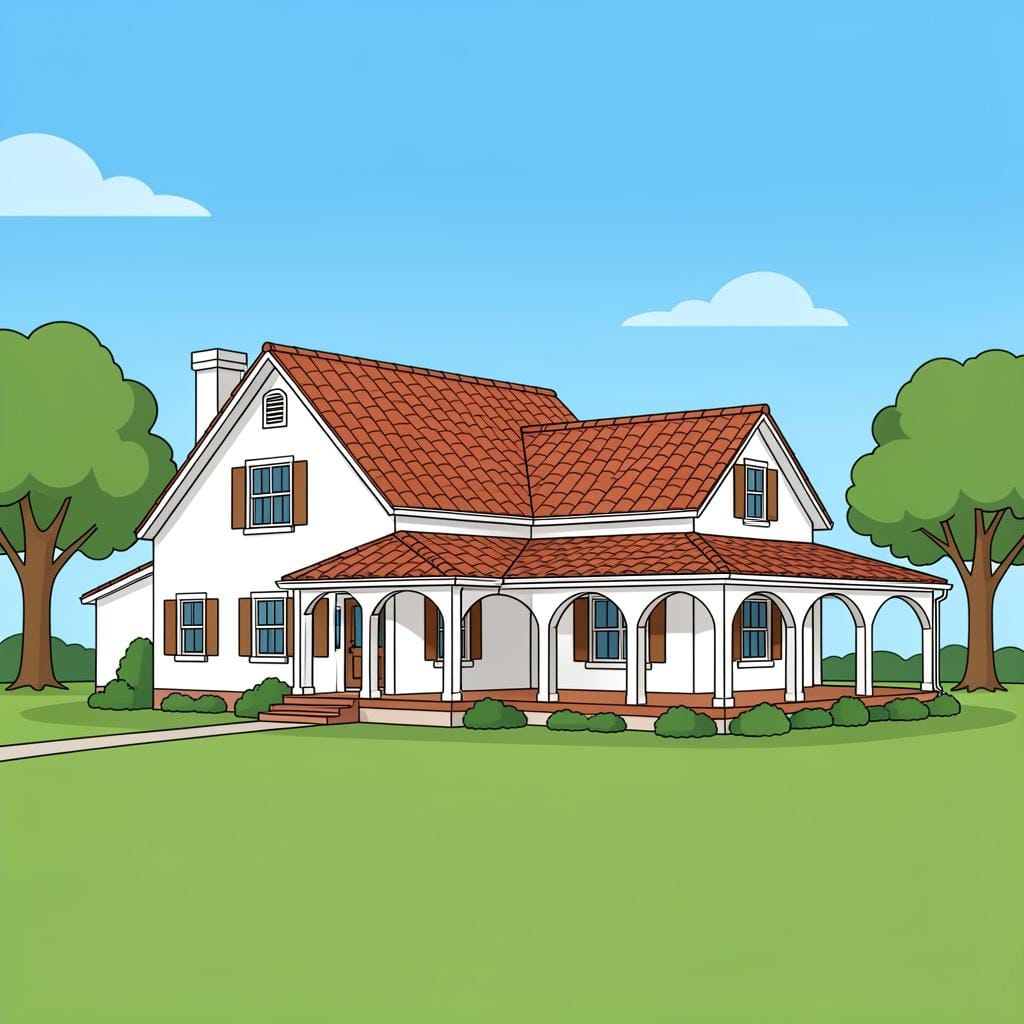
Visitamos una antigua hacienda de café en Colombia.
We visited an old coffee estate in Colombia.
La hacienda tenía miles de hectáreas y mucho ganado.
The ranch had thousands of acres and a lot of livestock.
Always Feminine
This word is always feminine, so use 'la' or 'una' before it.
rancho
rran-chohˈrantʃo
Examples
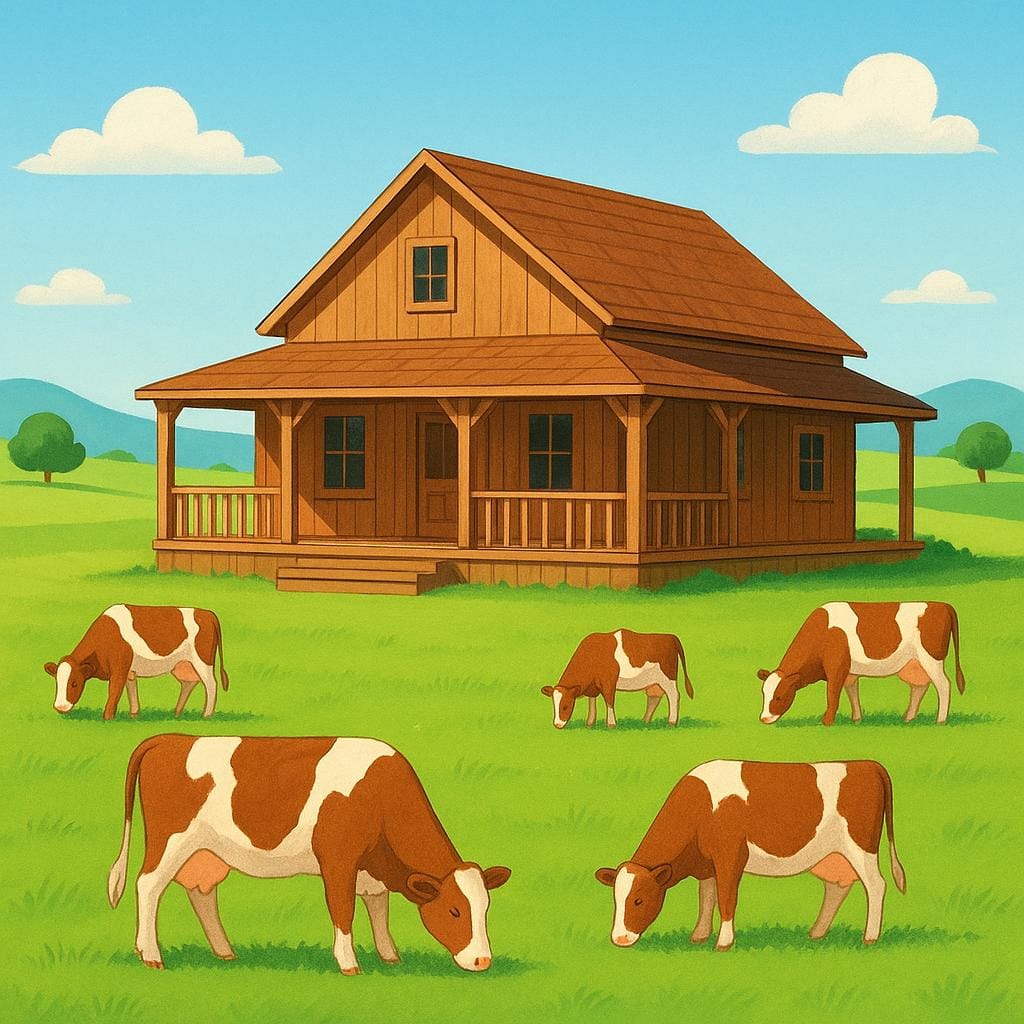
Mi tío cría caballos en su rancho cerca de Monterrey.
My uncle raises horses on his ranch near Monterrey.
Pasamos el fin de semana en un rancho turístico con mucha historia.
We spent the weekend at a historical tourist estate.
Masculine Noun Rule
'Rancho' is always masculine, so you always use 'el rancho' or 'un rancho', never 'la' or 'una'.
estancia
es-TAHN-syahesˈtanθja
Examples
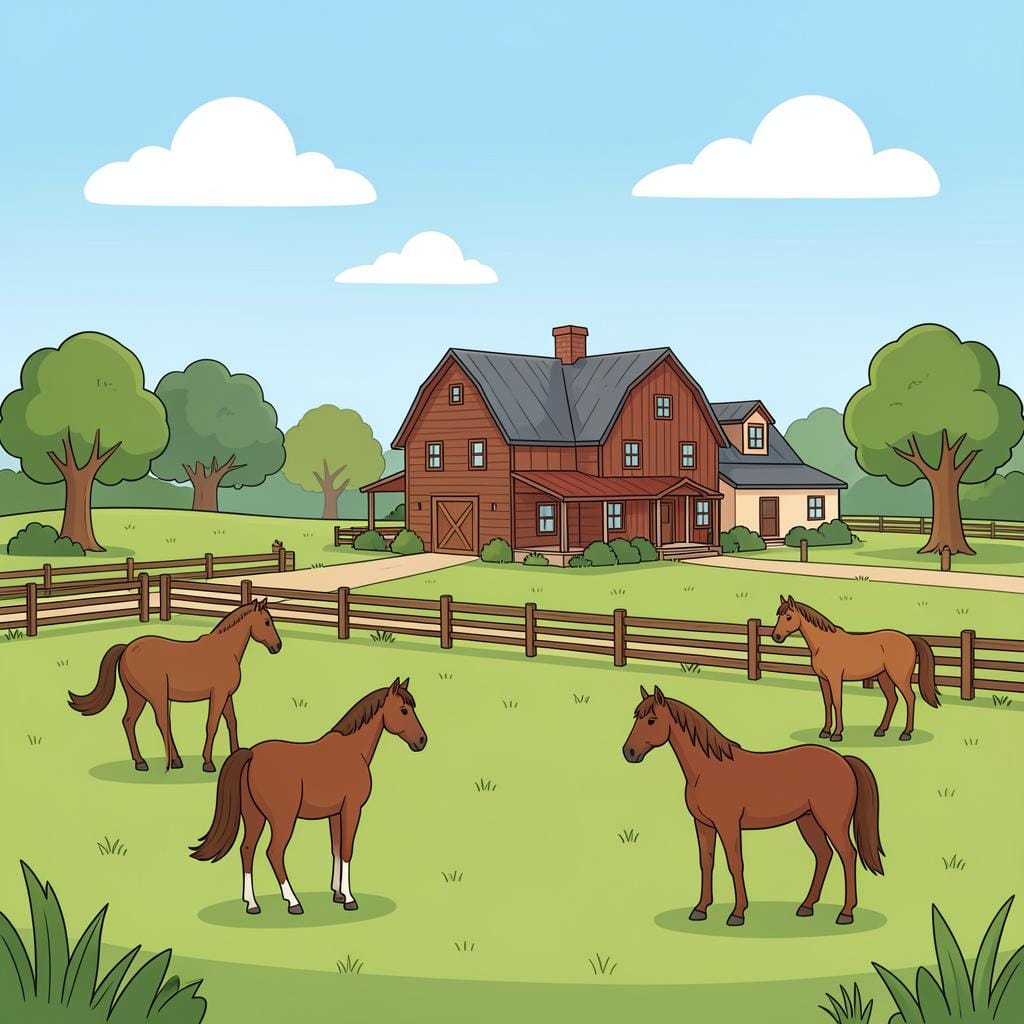
Mi abuelo tiene una estancia con mil vacas en Argentina.
My grandfather has a ranch with a thousand cows in Argentina.
Estancia vs. Granja
Mistake: “Using 'granja' for a giant ranch.”
Correction: A 'granja' is usually a small farm. For a huge territory with cattle, 'estancia' or 'hacienda' is better.
pago
PAH-goˈpa.ɣo

Examples
Este es un vino de pago, lo que significa que la uva viene de una sola finca.
This is a single-estate wine, meaning the grape comes from just one farm.
El viejo pago se dedicaba exclusivamente al cultivo de olivos.
The old rural district was exclusively dedicated to olive cultivation.
Specialized Context
This meaning is almost always used when talking about agriculture, land ownership, or historical geography, especially in Spain and parts of South America.
patrimonio
pah-tree-moh-nyohpa.tɾi.ˈmo.njo

Examples
El empresario tiene un patrimonio de un millón de euros.
The businessman has a net worth of one million euros.
Es obligatorio declarar el patrimonio a Hacienda.
It is mandatory to declare your assets to the tax office.
La familia perdió todo su patrimonio durante la crisis.
The family lost all their assets during the crisis.
Collective Noun
This word functions as a collective noun. It represents all the things you own (houses, money, cars) as one single concept.
Pluralizing Assets
Mistake: “Saying 'mis patrimonios' to mean multiple properties.”
Correction: Just use the singular 'mi patrimonio' to include everything you own.
bienes
bee-EH-nessˈbjenes

Examples
La venta de bienes raíces es un proceso complejo.
The sale of real estate is a complex process.
Los bienes inmuebles incluyen casas y terrenos.
Immovable property (real estate) includes houses and land.
Specific Types of Property
When talking about land or buildings, Spanish often uses 'bienes' with a descriptive adjective like 'raíces' (real estate) or 'inmuebles' (immovable goods).
sucesión
Examples
El abogado está gestionando la sucesión de mi abuelo.
The lawyer is managing my grandfather's estate/inheritance.
estate
FEEN-kah (Note: This is the pronunciation for the Spanish equivalent, 'finca')ˈfiŋka

Examples
Compraron una finca grande para cultivar café.
They bought a large estate (finca) to grow coffee.
La finca tiene más de cien hectáreas de tierra.
The estate has over one hundred hectares of land.
Gender Reminder
Remember 'finca' is a feminine noun, so you must use feminine articles and adjectives: 'la finca' (the estate), 'una finca antigua' (an old estate).
Confusing 'Finca' and 'Hacienda'
Mistake: “Using 'finca' when you specifically mean a very large, historical, or grand estate, especially in Mexico.”
Correction: While often interchangeable, 'hacienda' implies a grander, colonial-era estate, whereas 'finca' is a broader, modern term for any property or farm.
Rural vs. Legal Meanings
Related Translations
Learn Spanish with Inklingo
Interactive stories, personalized learning, and more.