How to Say "ranch" in Spanish
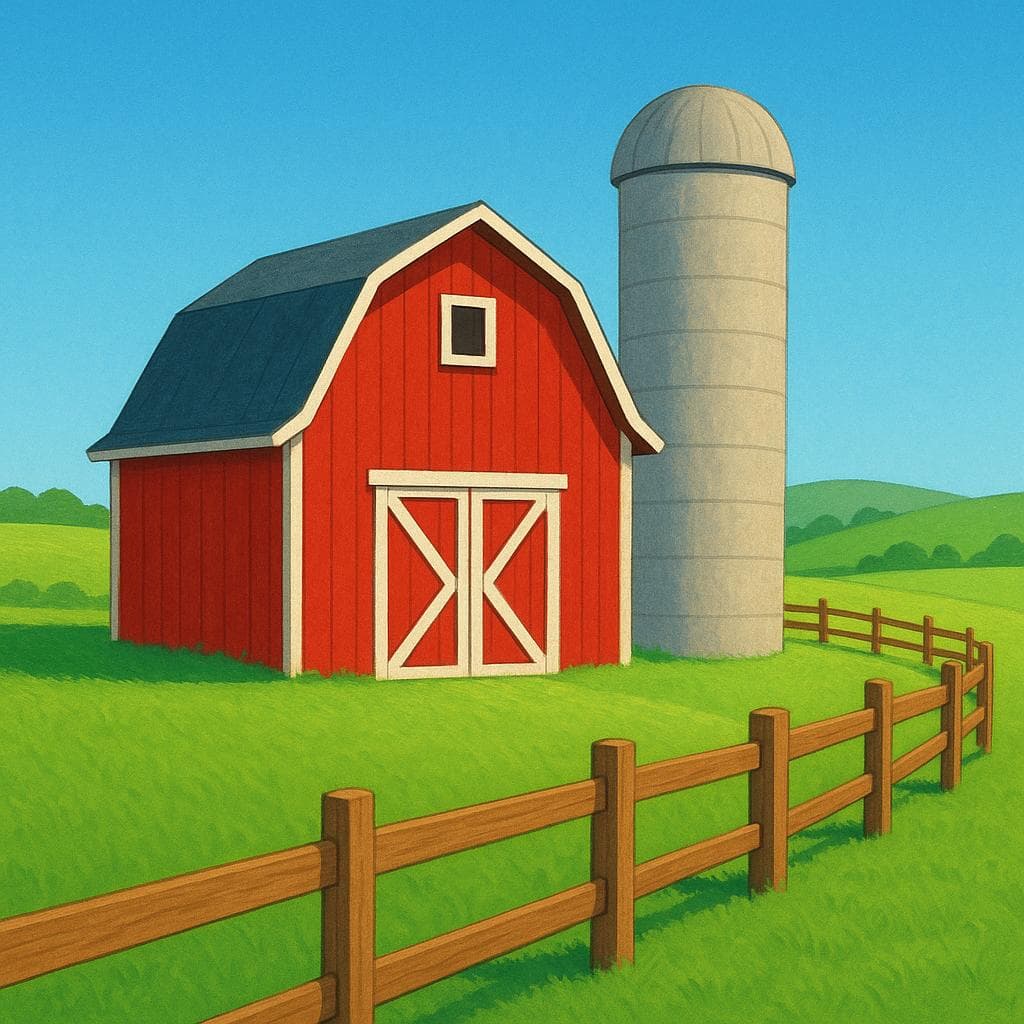
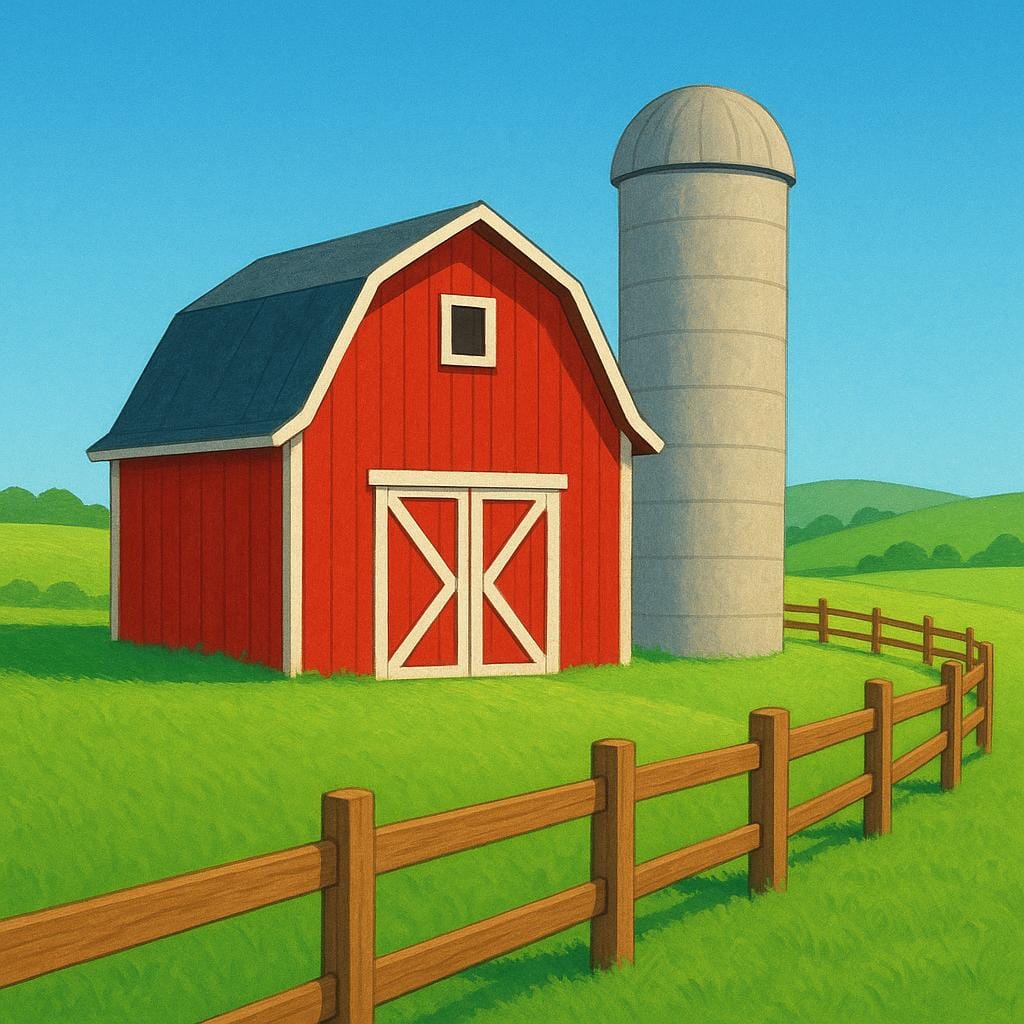
The most common Spanish word for “ranch” is “granja” — use 'granja' for a smaller farm, especially one focused on raising livestock or crops, similar to an English 'farm' or 'homestead'.
granja
GRAHN-hahˈɡɾanxa
Examples
Mi abuela creció en una granja cerca del pueblo.
My grandmother grew up on a farm near the town.
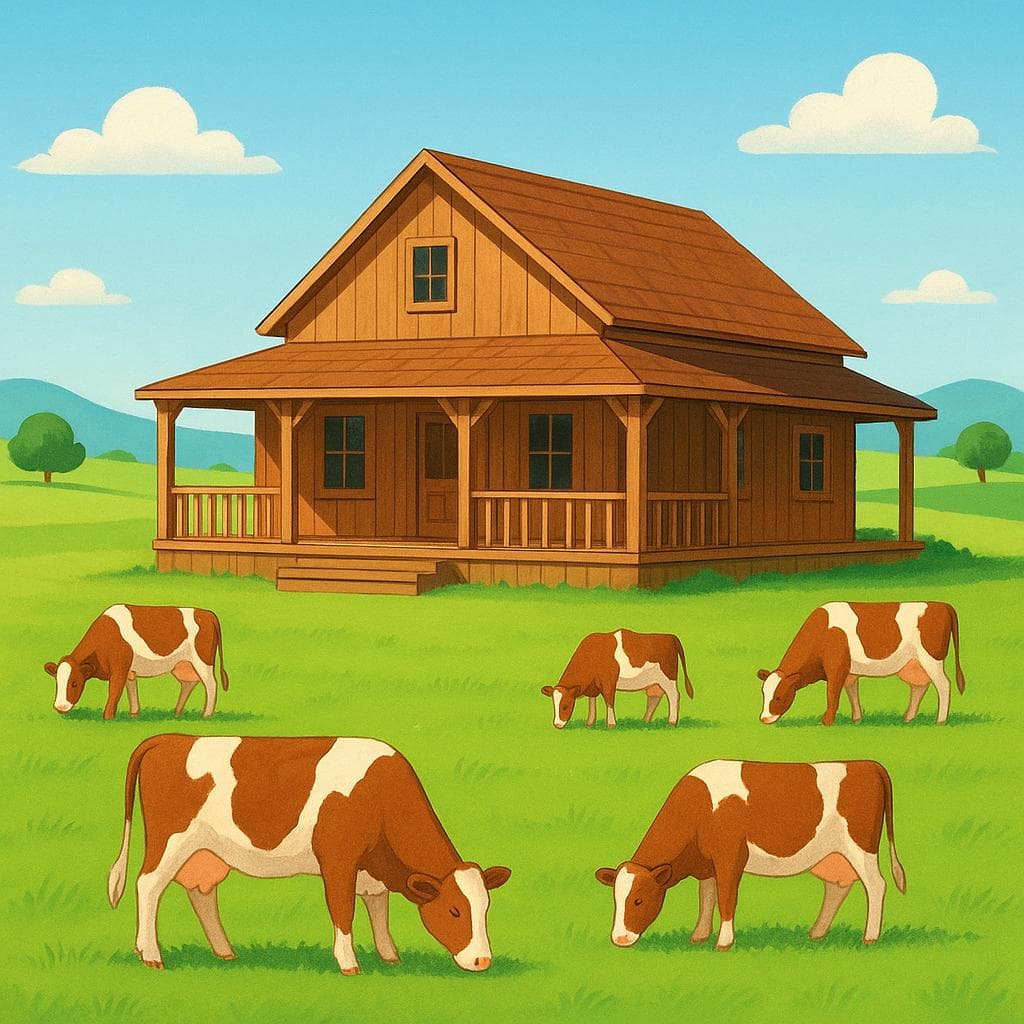
Todos los animales de la granja necesitan ser alimentados antes del anochecer.
All the farm animals need to be fed before nightfall.
Estamos planeando pasar el fin de semana en una granja orgánica para desconectar.
We are planning to spend the weekend at an organic farm to disconnect.
Feminine Noun
Since 'granja' is a feminine noun, you must always use feminine articles and adjectives with it (e.g., 'la granja', 'una granja grande').
Confusing 'Granja' and 'Jardín'
Mistake: “Using 'granja' when referring to a small garden or backyard vegetable patch.”
Correction: Use 'jardín' or 'huerto' (vegetable garden) for small plots. 'Granja' implies a large, commercial agricultural operation.
rancho
rran-chohˈrantʃo
Examples
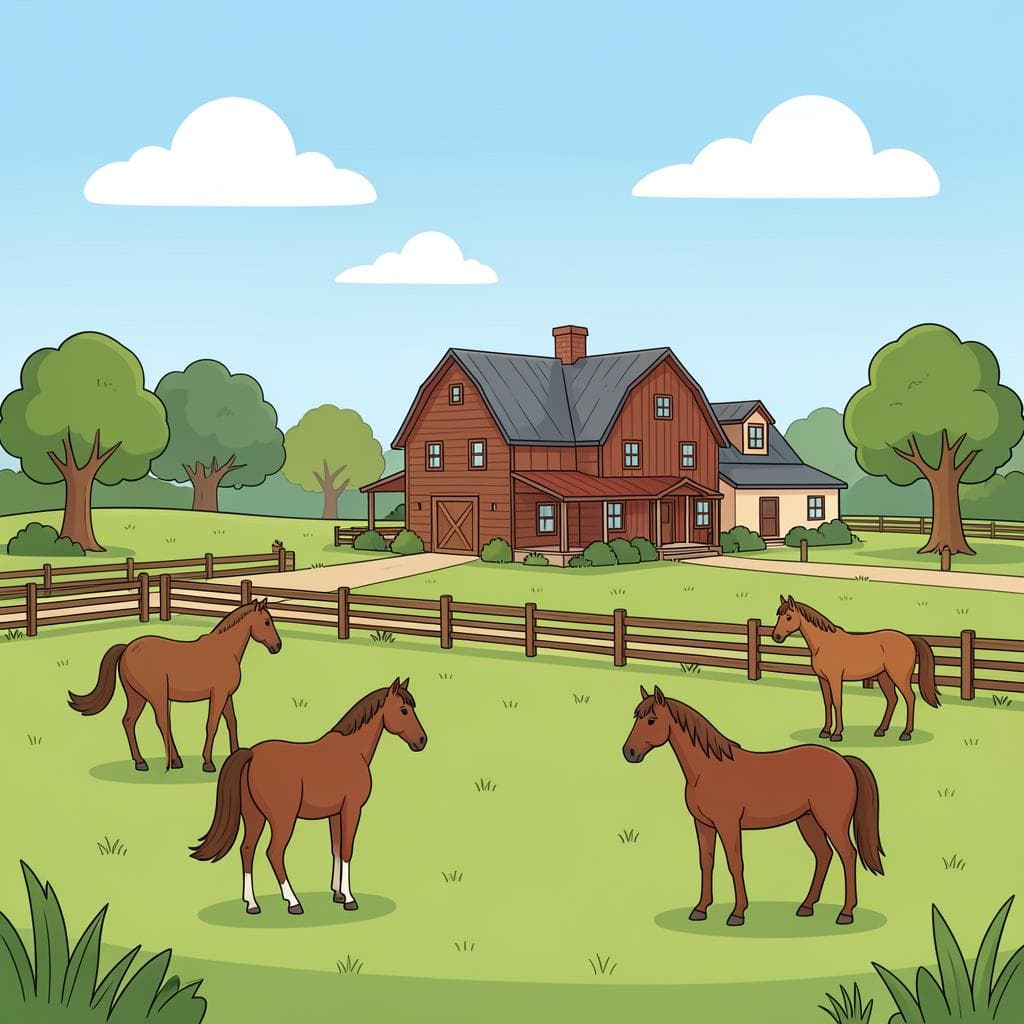
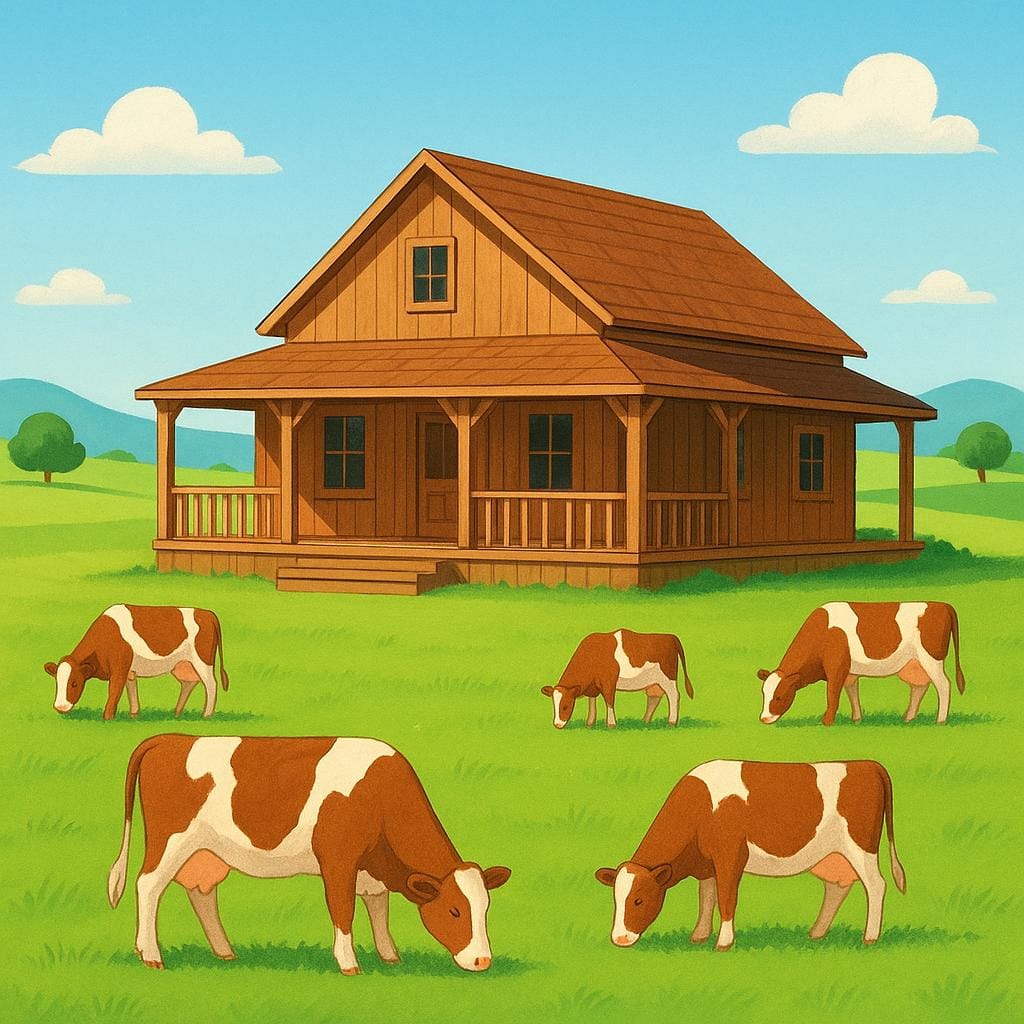
Mi tío cría caballos en su rancho cerca de Monterrey.
My uncle raises horses on his ranch near Monterrey.
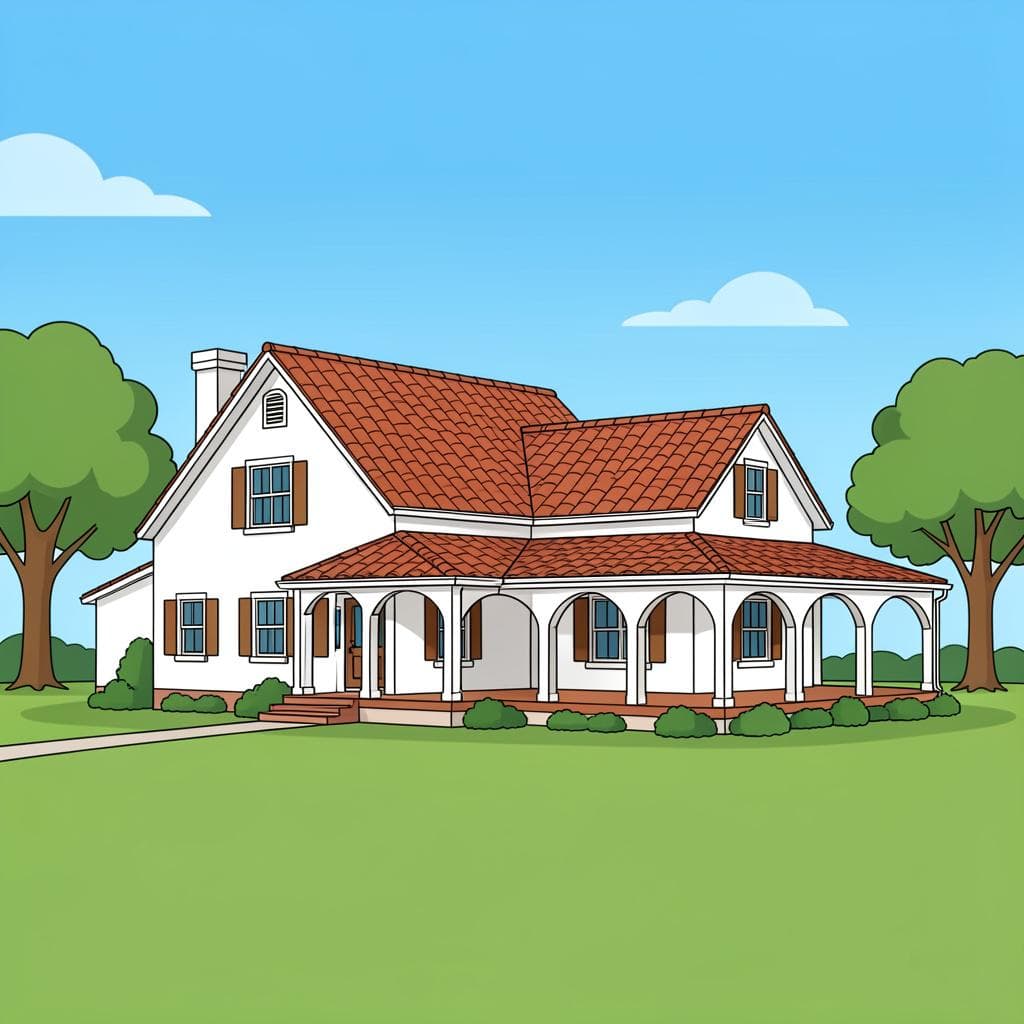
Pasamos el fin de semana en un rancho turístico con mucha historia.
We spent the weekend at a historical tourist estate.
Masculine Noun Rule
'Rancho' is always masculine, so you always use 'el rancho' or 'un rancho', never 'la' or 'una'.
hacienda
ah-syen-dahaˈθjenda
Examples
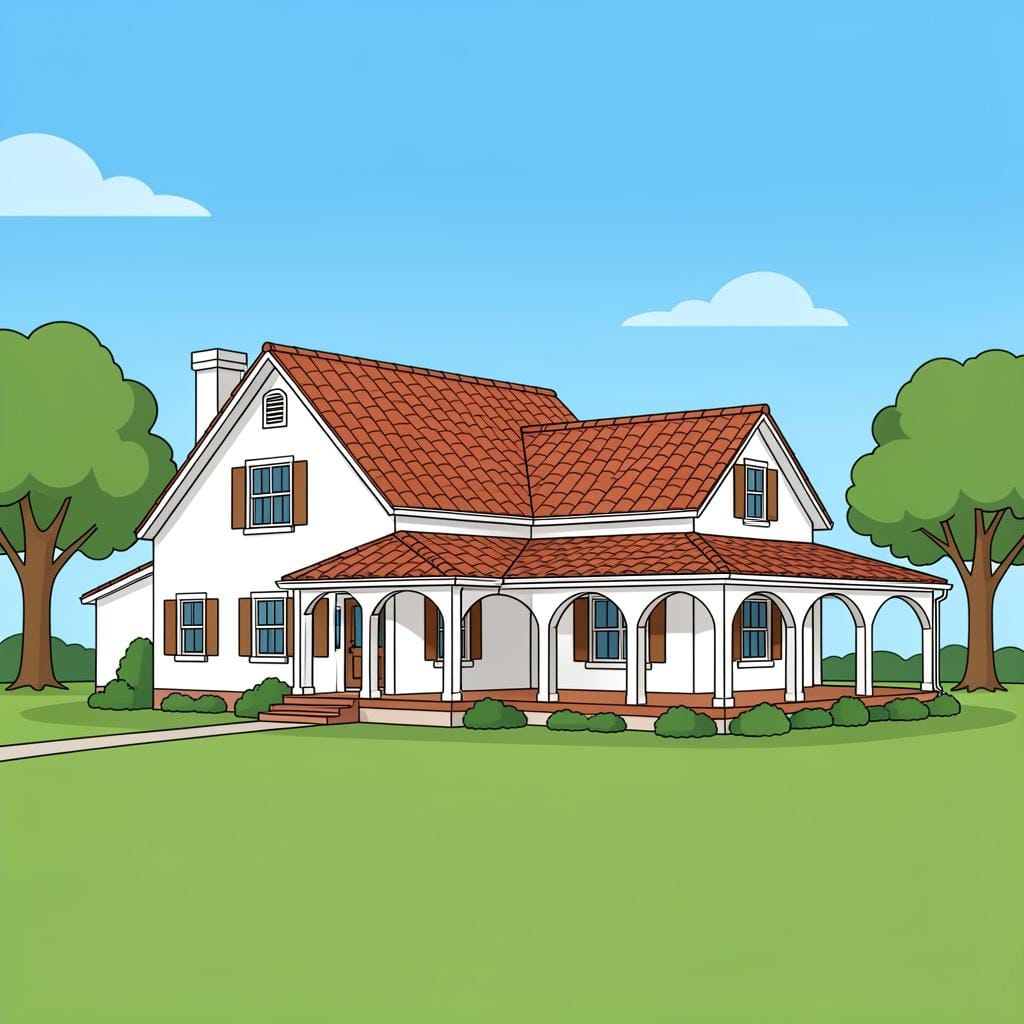
Visitamos una antigua hacienda de café en Colombia.
We visited an old coffee estate in Colombia.
La hacienda tenía miles de hectáreas y mucho ganado.
The ranch had thousands of acres and a lot of livestock.
Always Feminine
This word is always feminine, so use 'la' or 'una' before it.
estancia
es-TAHN-syahesˈtanθja
Examples
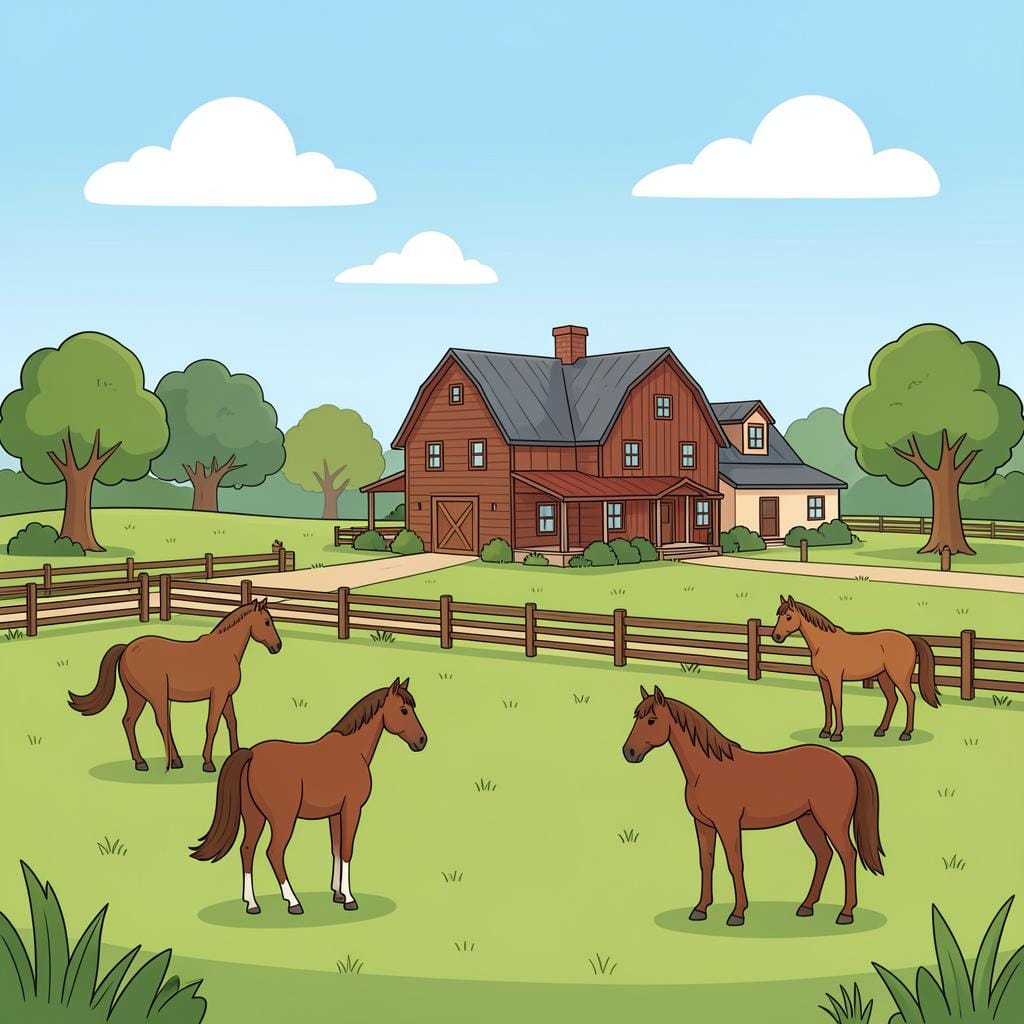
Mi abuelo tiene una estancia con mil vacas en Argentina.
My grandfather has a ranch with a thousand cows in Argentina.
Estancia vs. Granja
Mistake: “Using 'granja' for a giant ranch.”
Correction: A 'granja' is usually a small farm. For a huge territory with cattle, 'estancia' or 'hacienda' is better.
ganadería
Examples
Fuimos a visitar una ganadería de toros bravos.
We went to visit a ranch for fighting bulls.
Examples
Compraron una finca grande para cultivar café.
They bought a large estate (finca) to grow coffee.
Granja vs. Rancho vs. Hacienda
Related Translations
Learn Spanish with Inklingo
Interactive stories, personalized learning, and more.