How to Say "cabin" in Spanish
The most common Spanish word for “cabin” is “cabaña” — use 'cabaña' for a small, often rustic, wooden house typically found in rural or natural settings, frequently used for vacations or getaways.
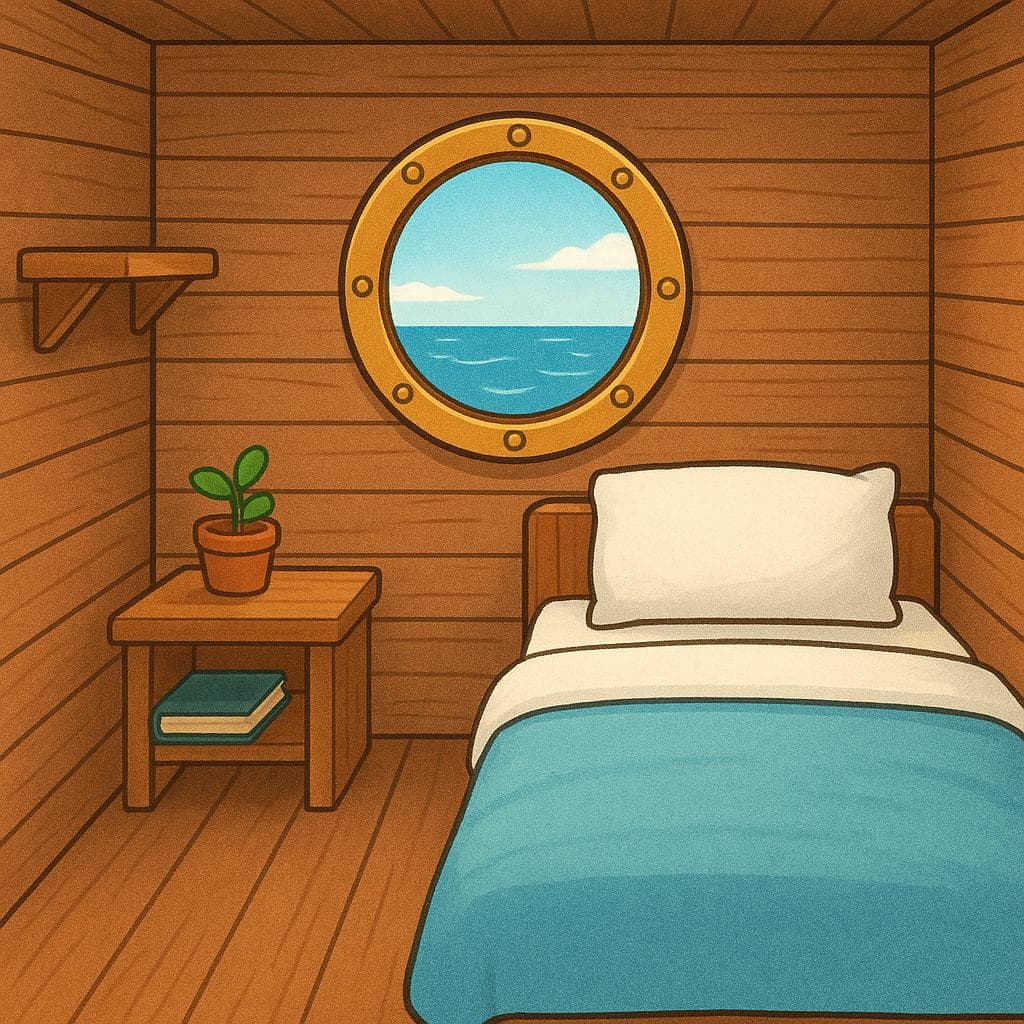

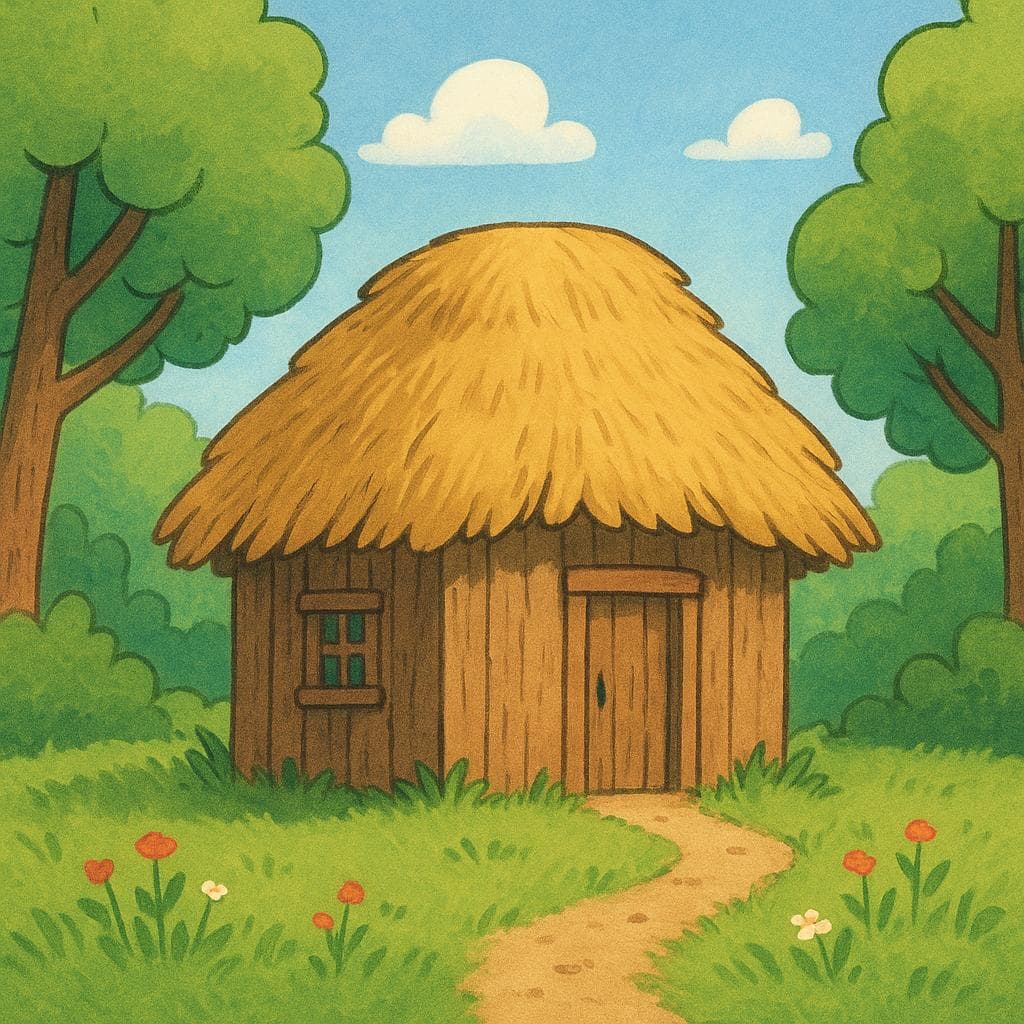

cabaña
Examples
Alquilamos una cabaña en las montañas para esquiar.
We rented a cabin in the mountains to go skiing.
cabina
kah-BEE-nahkaˈβina
Examples
El piloto se dirigió a la cabina del avión.
The pilot headed to the airplane's cabin.
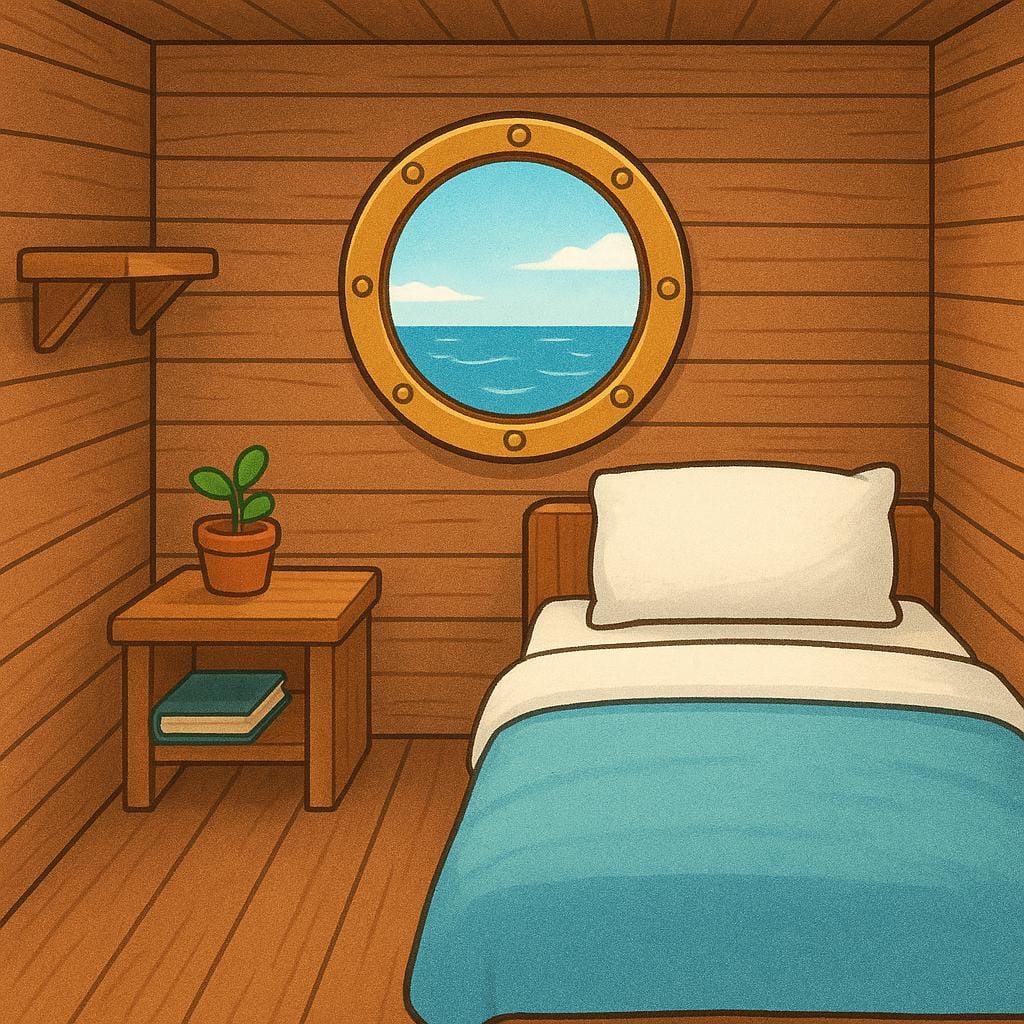
Nuestra cabina en el barco tenía vistas al mar.
Our cabin on the boat had sea views.
El piloto se comunicó con la torre de control desde la cabina.
The pilot communicated with the control tower from the cockpit.
Hay una cabina telefónica antigua justo en la esquina.
There is an old telephone booth right on the corner.
Feminine Noun Rule
'Cabina' is a feminine noun, so you must always use feminine articles ('la', 'una') and feminine adjectives with it: 'la cabina pequeña' (the small cabin).
Confusing Cockpit/Cabin
Mistake: “Using 'cabina' only for the pilot's area, when 'cabina' can also mean the main passenger area (cabin).”
Correction: To be specific about the pilot's area, use 'cabina de vuelo' or 'cabina del piloto'. For the passenger area, 'cabina' or 'cabina de pasajeros' works.
camarote
kah-mah-ROH-tehkamaˈɾote

Examples
Nuestro camarote en el crucero tiene un balcón privado.
Our cabin on the cruise ship has a private balcony.
El capitán pasó toda la noche en su camarote.
The captain spent the whole night in his cabin.
Viajamos en un camarote de tren desde Madrid hasta París.
We traveled in a train compartment from Madrid to Paris.
Always Masculine
Even though it ends in 'e', this word is always masculine. You should always use 'el' or 'un' with it.
Simple Plural
To talk about more than one, just add an 's' at the end: 'los camarotes'.
Cabin in the woods
Mistake: “Me quedé en un camarote en las montañas.”
Correction: Me quedé en una cabaña en las montañas.
rancho
rran-chohˈrantʃo
Examples
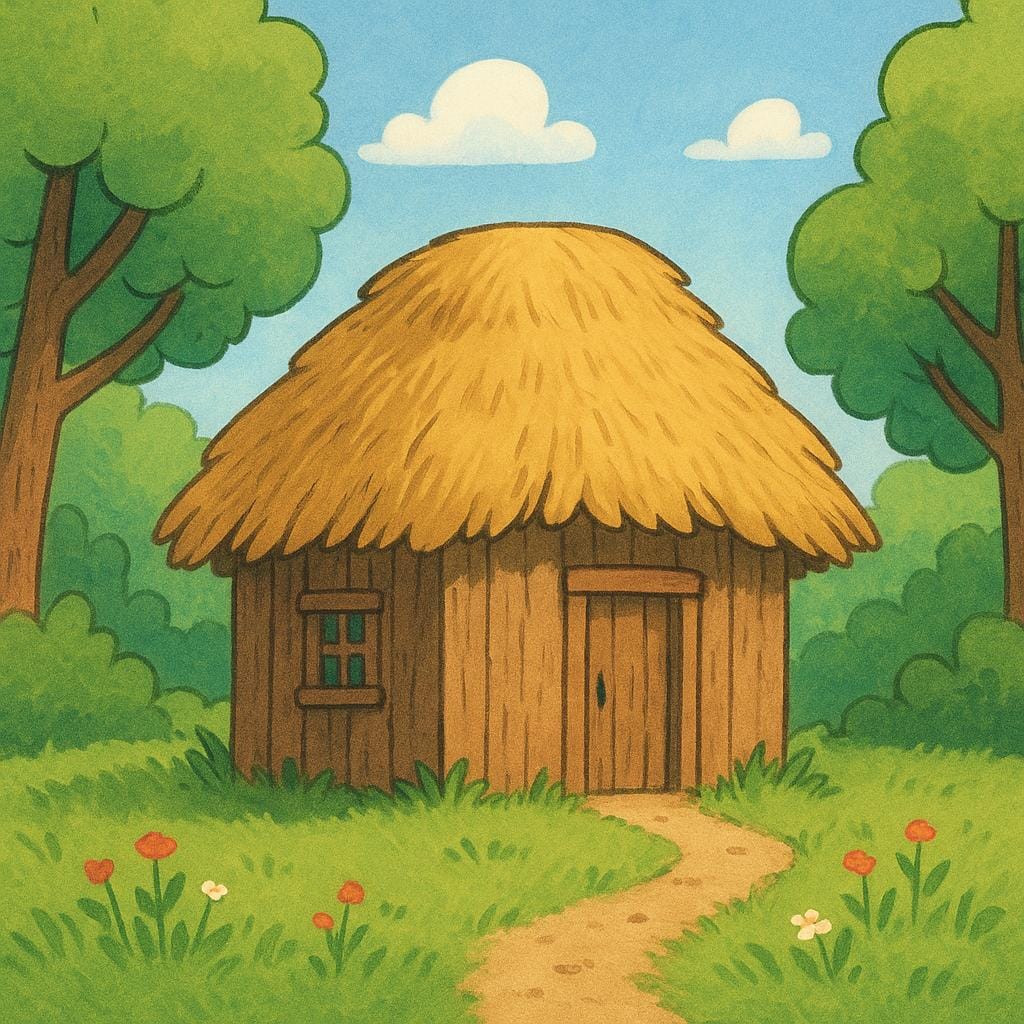
Construyeron un rancho de paja y barro cerca de la playa.
They built a straw and mud hut near the beach.
El viejo vivía solo en su rancho, lejos del pueblo.
The old man lived alone in his shack, far from the town.
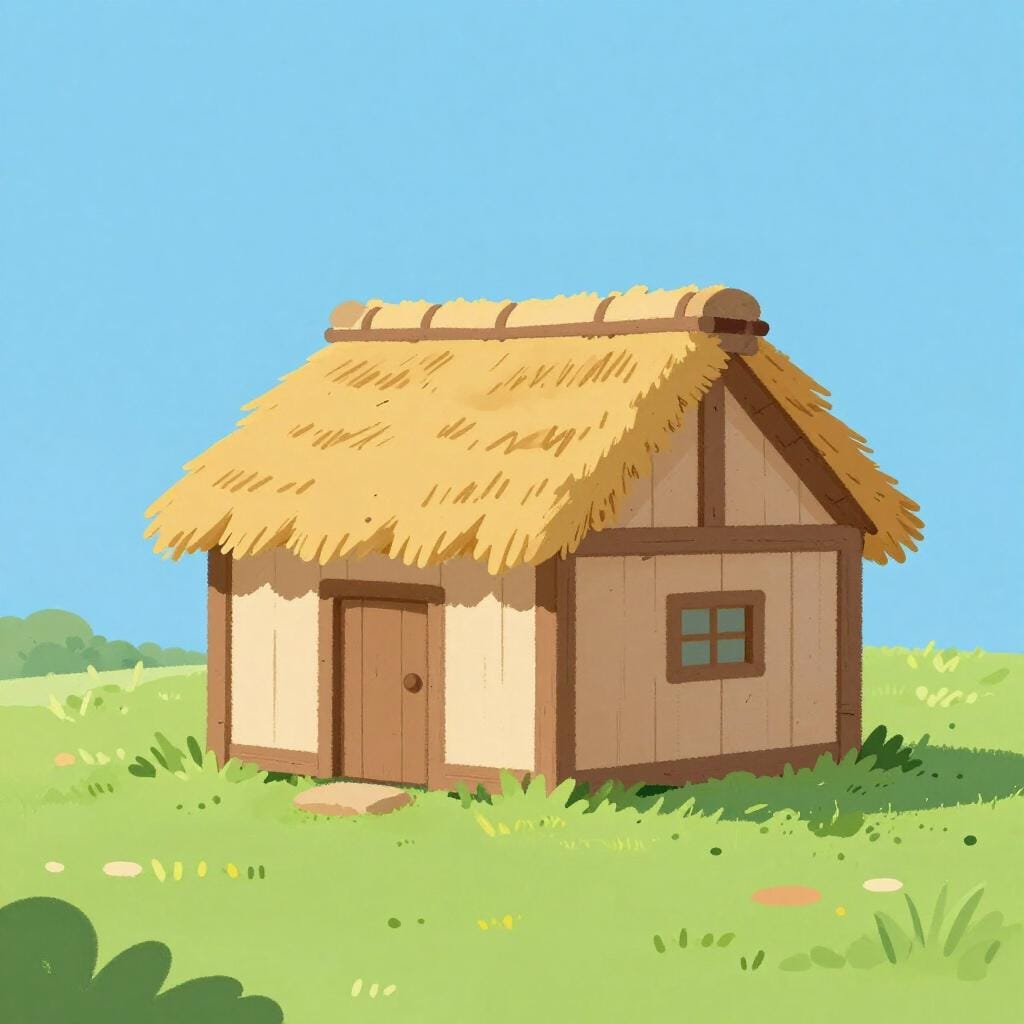
choza
cho-sahˈt͡ʃot͡sa
Examples
El pescador vivía en una pequeña choza cerca de la playa.
The fisherman lived in a small hut near the beach.
Construyeron una choza de paja para refugiarse del sol.
They built a straw shack to take shelter from the sun.
En el cuento, el ermitaño invitó al viajero a su humilde choza.
In the story, the hermit invited the traveler into his humble hut.
Gender of the word
The word 'choza' is feminine, so you always use feminine words with it, like 'la choza' or 'una choza'.
Describing materials
To say what the hut is made of, use 'de' plus the material, like 'choza de madera' (shack of wood).
Choza vs. Cabaña
Mistake: “Using 'choza' for a luxury ski cabin.”
Correction: Use 'cabaña' for a cozy or nice cabin; 'choza' usually implies something very poor or basic.
Dwelling vs. Compartment Confusion
Related Translations
Learn Spanish with Inklingo
Interactive stories, personalized learning, and more.