How to Say "berth" in Spanish
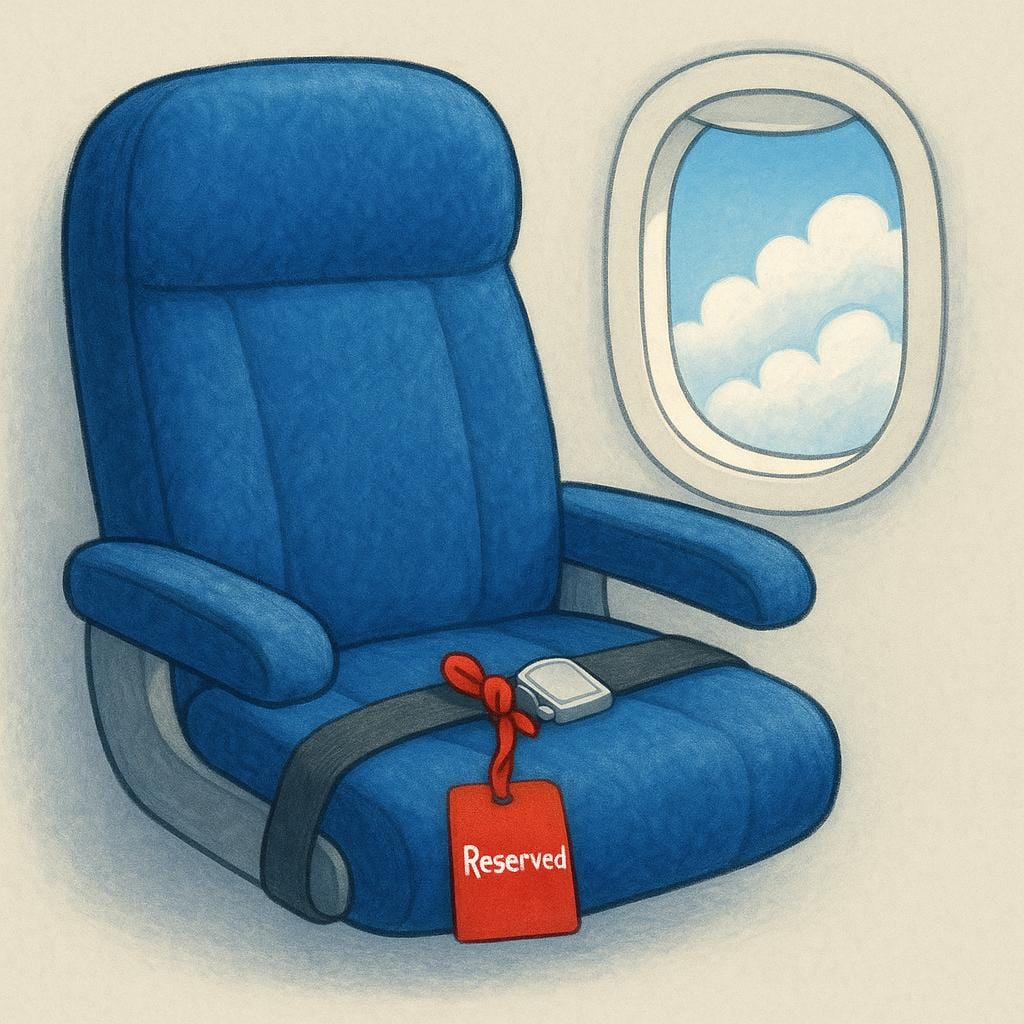
The most common Spanish word for “berth” is “asiento” — use 'asiento' when referring to a reserved place or seat on a mode of transport like a plane, train, or bus, similar to a 'booking' or 'seat'.
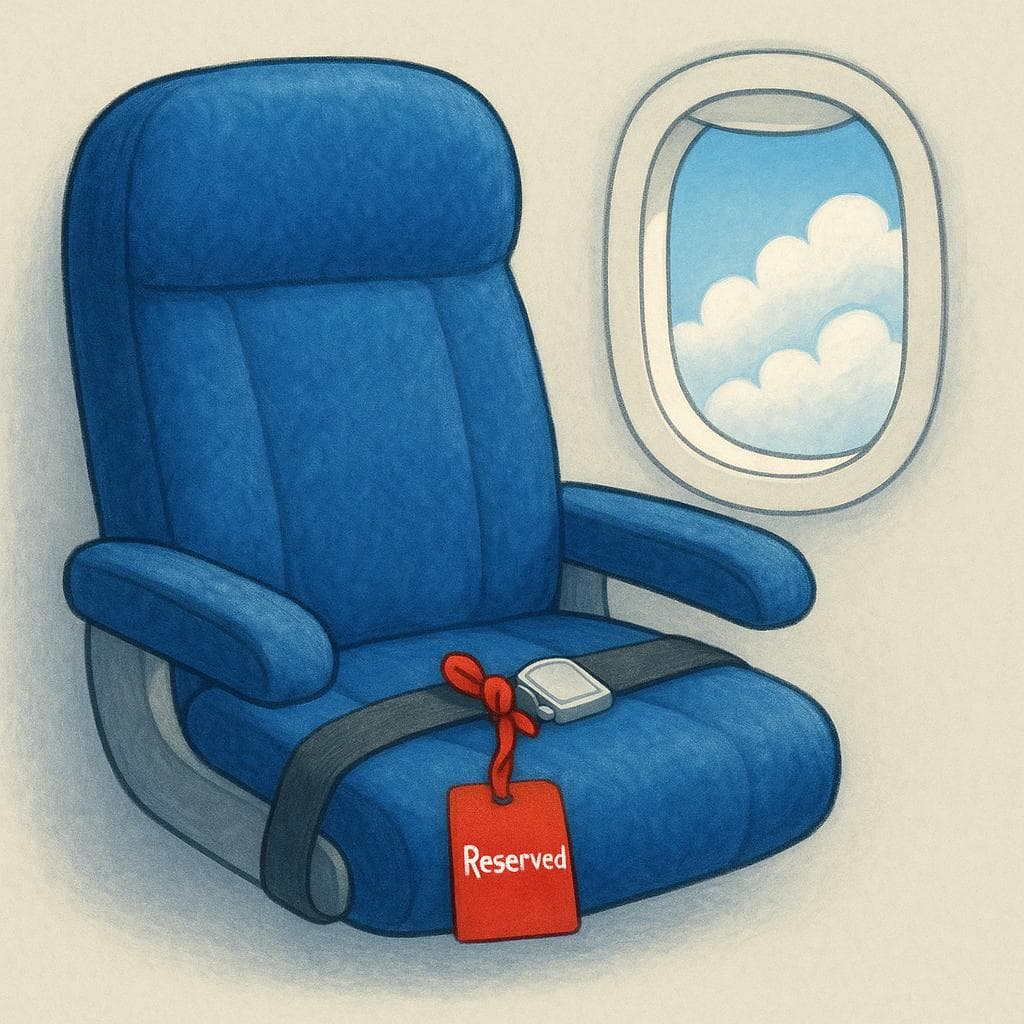

asiento
ah-SYEN-tohaˈsjento
Examples
Necesito reservar un asiento en el tren de alta velocidad.
I need to reserve a seat on the high-speed train.
Llamé para confirmar el asiento en el vuelo de mañana.
I called to confirm the booking on tomorrow's flight.
¿Ya tienes tu número de asiento para el tren?
Do you already have your reservation number for the train?
Hicimos un asiento triple para el teatro, pero solo vinimos dos.
We made a triple booking for the theater, but only two of us came.
Context is Key
When used in relation to travel or tickets, 'asiento' means the physical space that has been reserved for you.
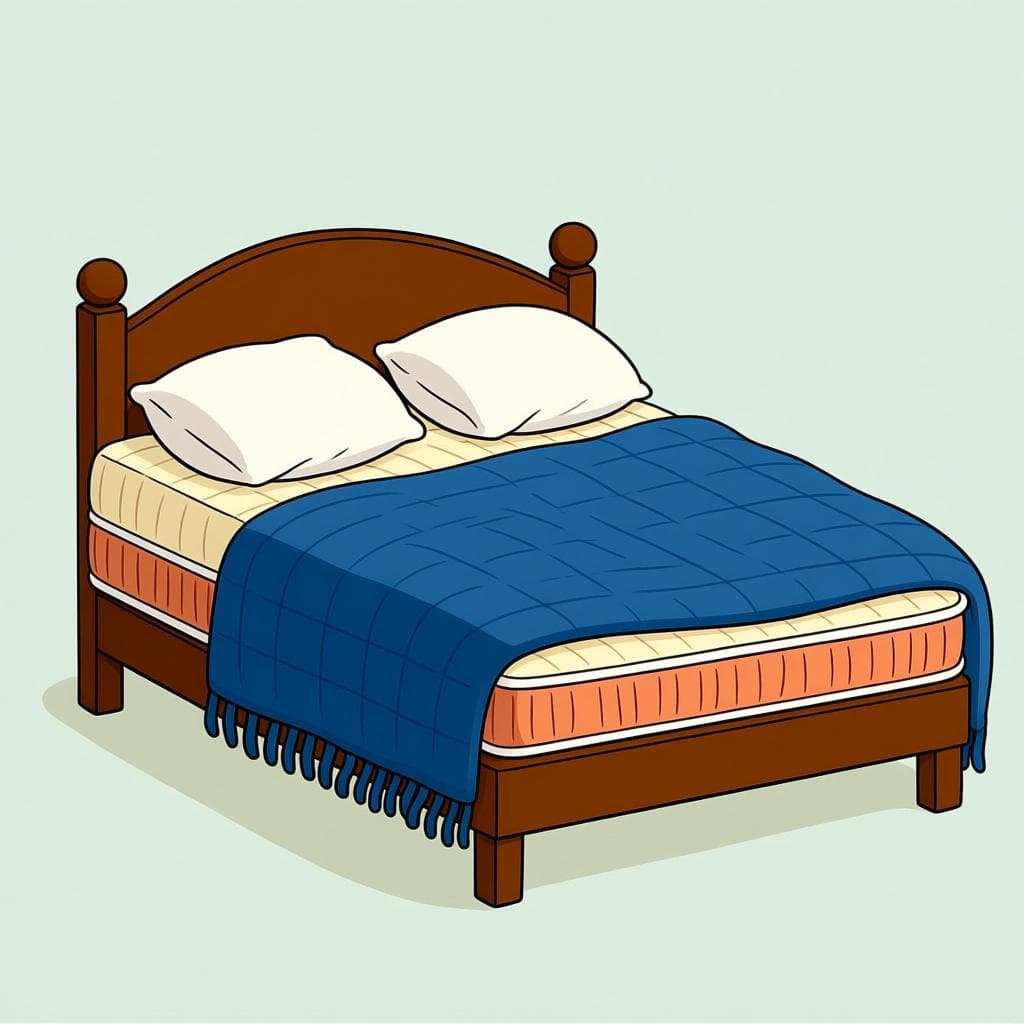
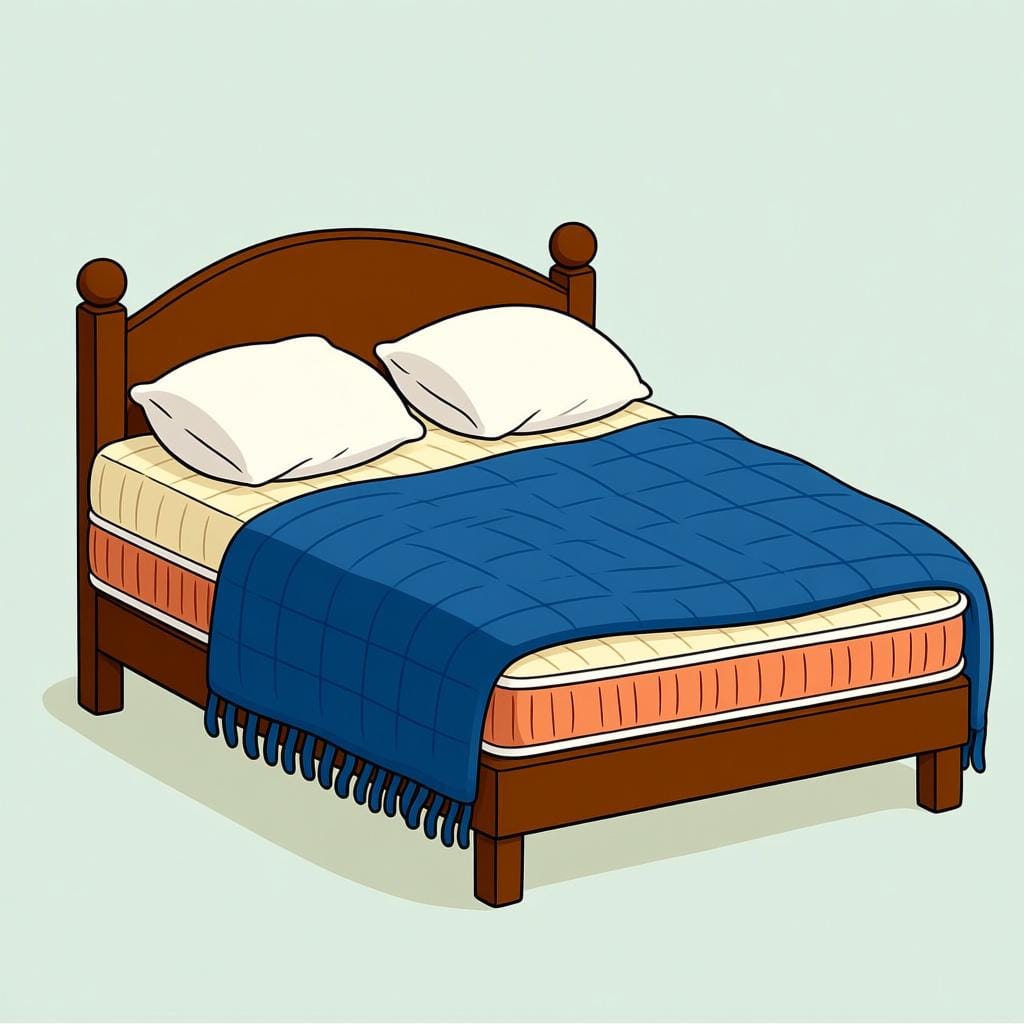
cama
kah-mahˈka.ma
Examples
En el camarote había una pequeña cama.
In the cabin there was a small bed.
Todas las mañanas hago la cama.
Every morning I make the bed.
El niño ya está en la cama.
The child is already in bed.
Compramos una cama nueva para el dormitorio.
We bought a new bed for the bedroom.
Always Feminine
Even though 'cama' doesn't end in '-o' or '-a' in a way that clearly signals gender, it's always a feminine word. So, you'll always say 'la cama' (the bed) or 'una cama' (a bed).
Making vs. Building
Mistake: “Quiero construir la cama antes de salir.”
Correction: Quiero hacer la cama antes de salir. Use 'hacer la cama' for the daily task of tidying your sheets. Use 'construir' or 'montar' only if you are physically building the bed frame from parts.
camarote
kah-mah-ROH-tehkamaˈɾote

Examples
El camarote era espacioso y tenía baño propio.
The cabin was spacious and had its own bathroom.
Nuestro camarote en el crucero tiene un balcón privado.
Our cabin on the cruise ship has a private balcony.
El capitán pasó toda la noche en su camarote.
The captain spent the whole night in his cabin.
Viajamos en un camarote de tren desde Madrid hasta París.
We traveled in a train compartment from Madrid to Paris.
Always Masculine
Even though it ends in 'e', this word is always masculine. You should always use 'el' or 'un' with it.
Simple Plural
To talk about more than one, just add an 's' at the end: 'los camarotes'.
Cabin in the woods
Mistake: “Me quedé en un camarote en las montañas.”
Correction: Me quedé en una cabaña en las montañas.
Seat vs. Sleeping Place
Learn Spanish with Inklingo
Interactive stories, personalized learning, and more.