How to Say "bench" in Spanish
The most common Spanish word for “bench” is “banco” — use 'banco' for a long seat designed for multiple people, commonly found in public spaces like parks or gardens.


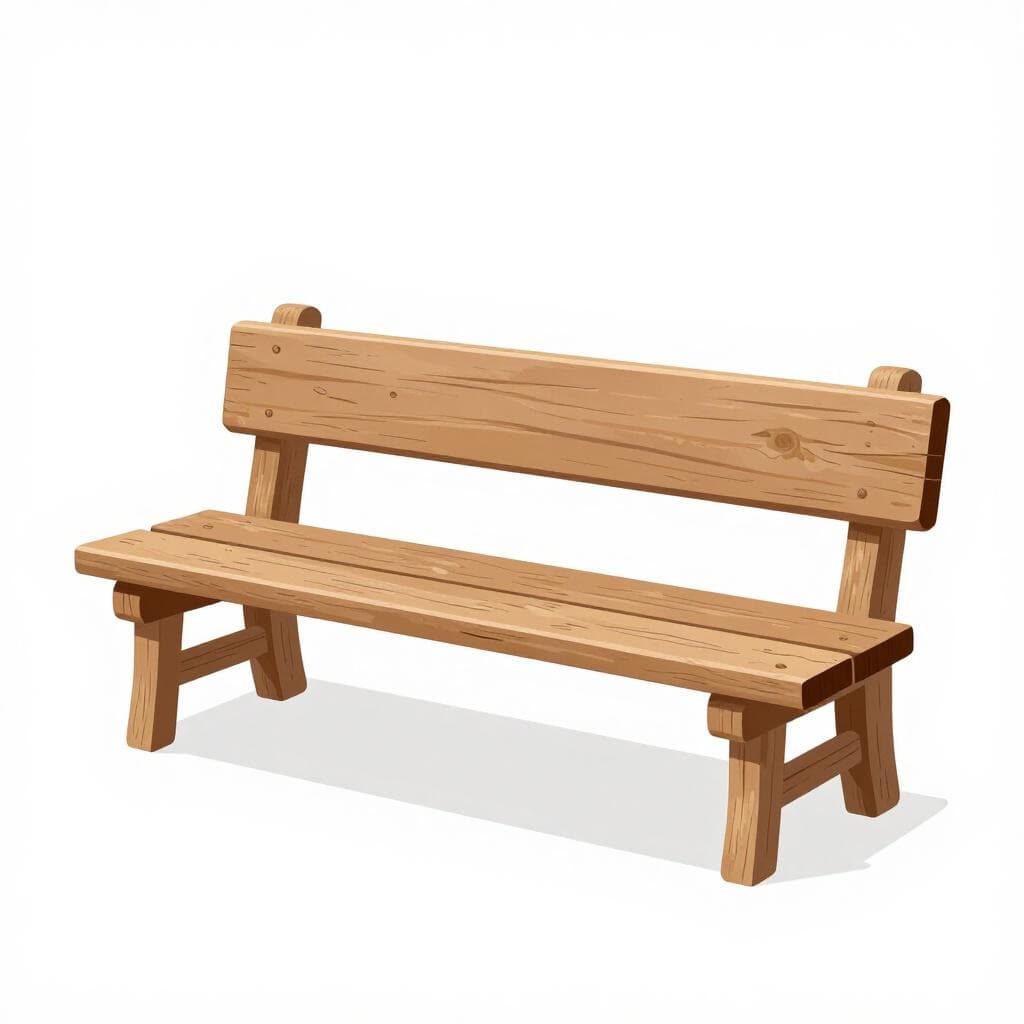
banco
BAN-kohˈbaŋ.ko

Examples
Nos sentamos en un banco del parque a charlar.
We sat on a park bench to chat.
Este banco de madera es muy cómodo.
This wooden bench is very comfortable.
Pintaron de verde todos los bancos de la plaza.
They painted all the benches in the square green.
Also Masculine
Just like the financial institution, this 'banco' is also masculine. Remember to use 'el' or 'un', for example: 'el banco está ocupado' (the bench is taken).
Confusing 'banco' and 'banca'
Mistake: “Me senté en la banca del parque.”
Correction: Me senté en el banco del parque. While 'banca' can sometimes mean bench (especially in sports, like the players' bench), 'banco' is the most common and safest word for a park bench.
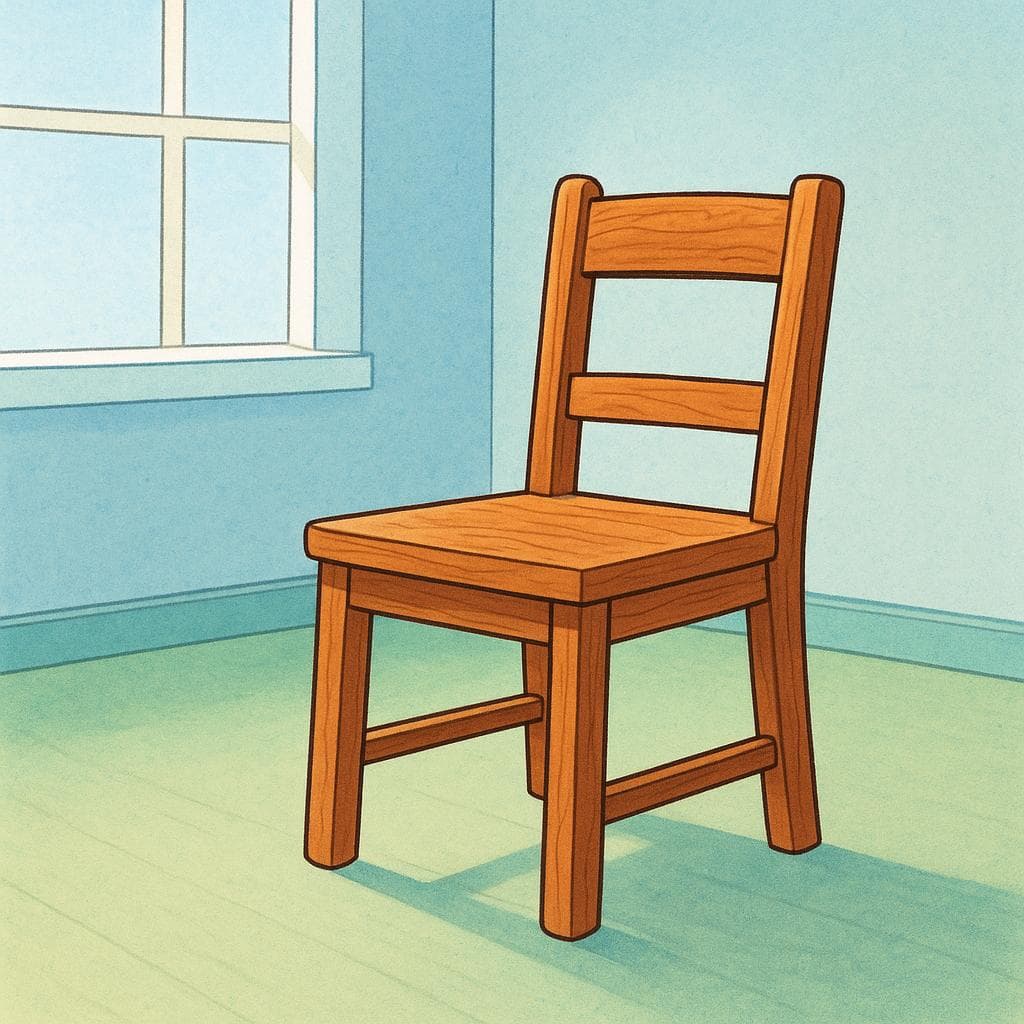
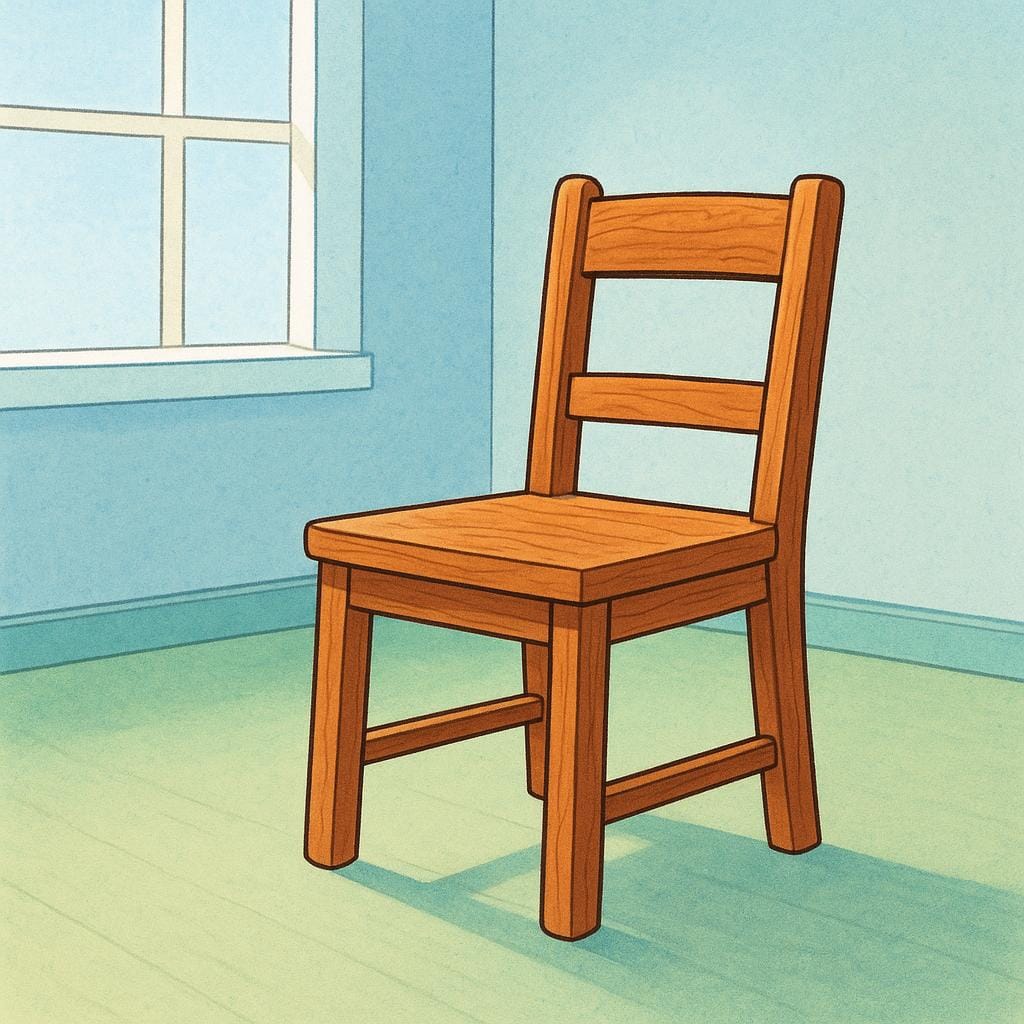
asiento
ah-SYEN-tohaˈsjento
Examples
¿Puedes guardar mi asiento por favor? Voy al baño.
Can you save my seat please? I’m going to the bathroom.
Todos los asientos del autobús estaban ocupados.
All the seats on the bus were taken.
Este asiento es muy cómodo, pero está un poco sucio.
This chair is very comfortable, but it is a bit dirty.
Gender Check
Since 'asiento' ends in -o, it is masculine. Use 'el asiento' or 'un asiento'.
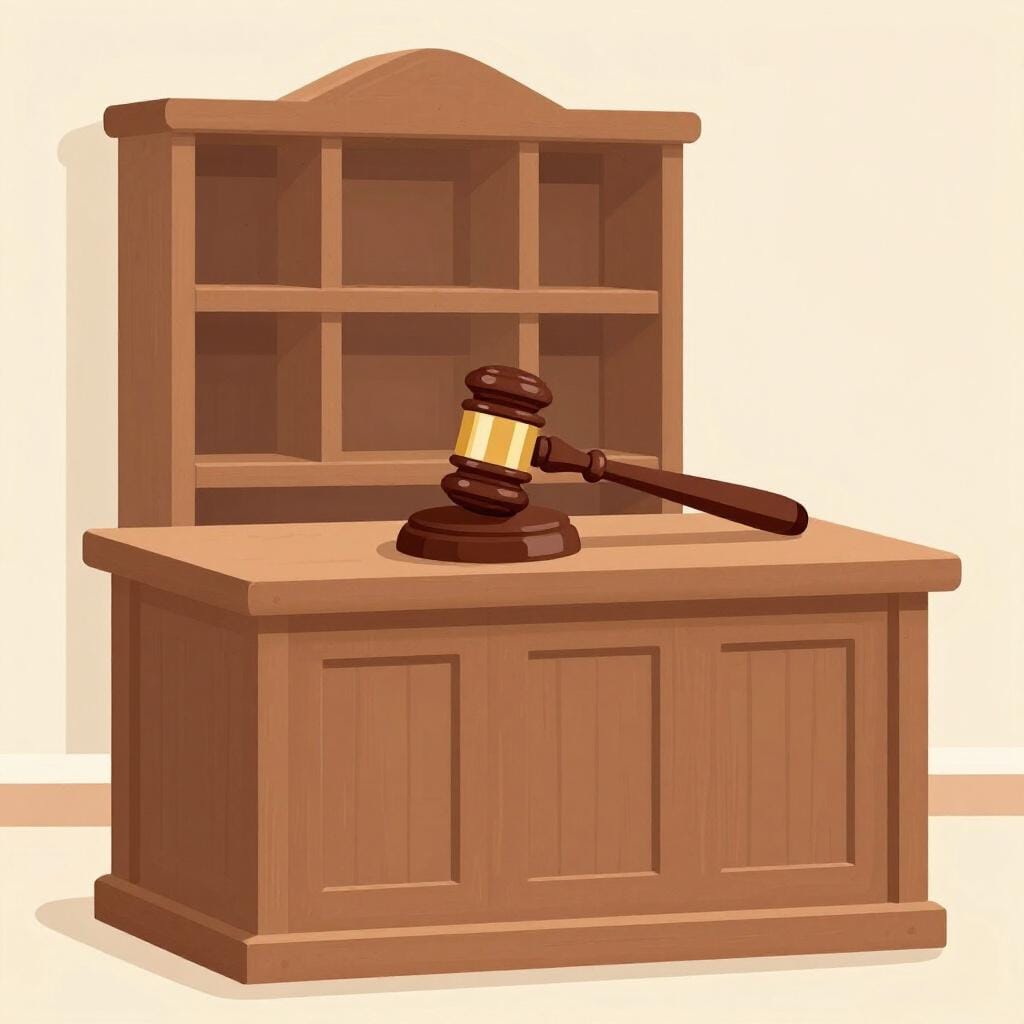
tribunal
tree-boo-NAHLtɾi.βuˈnal
Examples
El tribunal falló a favor del demandante.
The court ruled in favor of the plaintiff.
Mañana comparecerá ante el tribunal supremo.
Tomorrow he will appear before the supreme court.
Se estableció un tribunal de arbitraje para resolver la disputa.
An arbitration tribunal was established to resolve the dispute.
Masculine Noun
Since 'tribunal' ends in 'l,' it is a masculine noun, so you must use 'el' or 'un' before it: 'el tribunal' (the court).
Mixing up 'Tribunal' and 'Corte'
Mistake: “Using 'corte' exclusively, when 'tribunal' might be more specific.”
Correction: 'Tribunal' often refers to a higher or specialized court, or the panel of judges itself, while 'corte' is more general and also means 'cut' or 'royal court'.
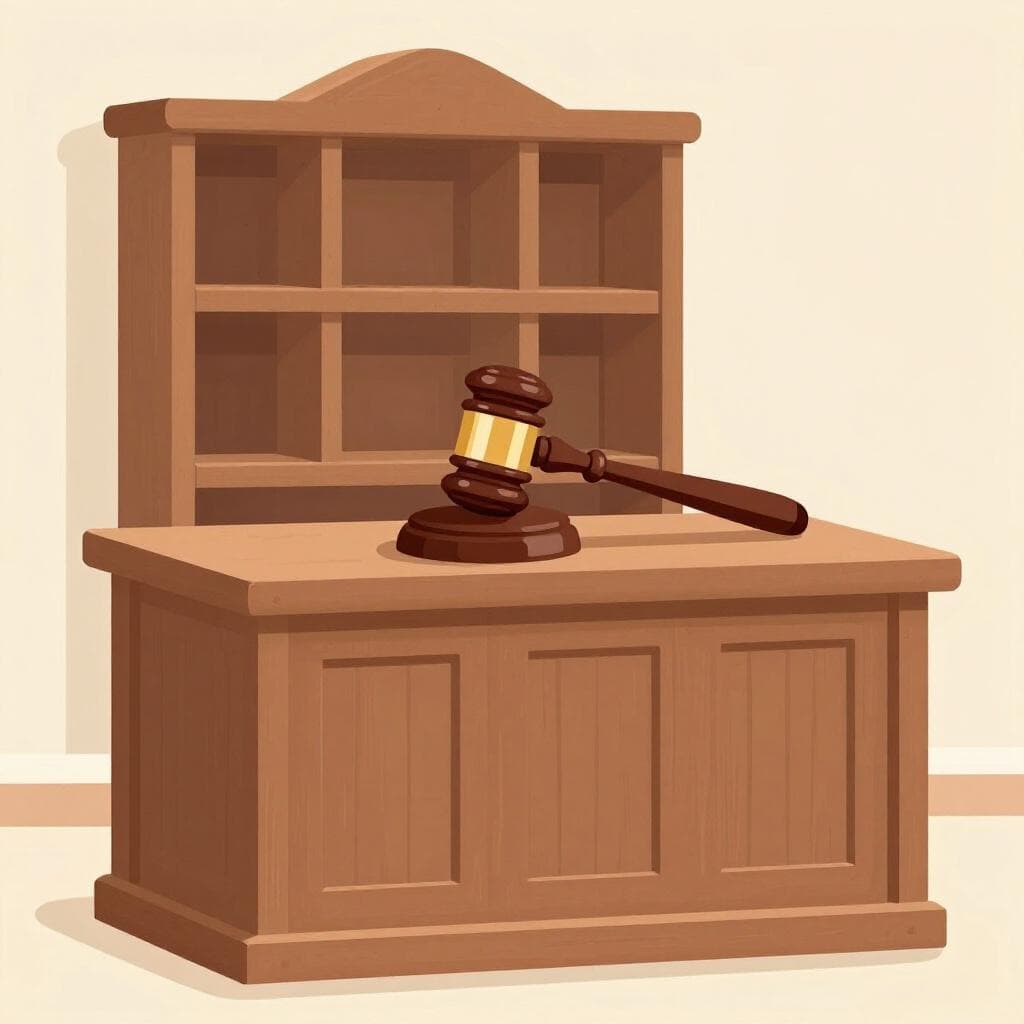
estrado
ess-TRAH-dohesˈtɾa.ðo

Examples
El abogado se dirigió directamente al juez, que estaba sentado en el estrado.
The lawyer addressed the judge directly, who was seated on the bench.
Todos los ojos estaban fijos en el estrado esperando la sentencia.
All eyes were fixed on the court dais awaiting the sentence.
Masculine Noun
Estrado is always masculine, so it uses the articles 'el' (the) or 'un' (a). You would say 'el estrado' or 'un estrado grande'.
Gender Confusion
Mistake: “Using 'la estrado' instead of 'el estrado'.”
Correction: Since 'estrado' ends in -o, it is masculine: 'el estrado'. Remember this pattern for most Spanish nouns ending in -o.
escaño
es-KAH-nyohesˈkaɲo
Examples
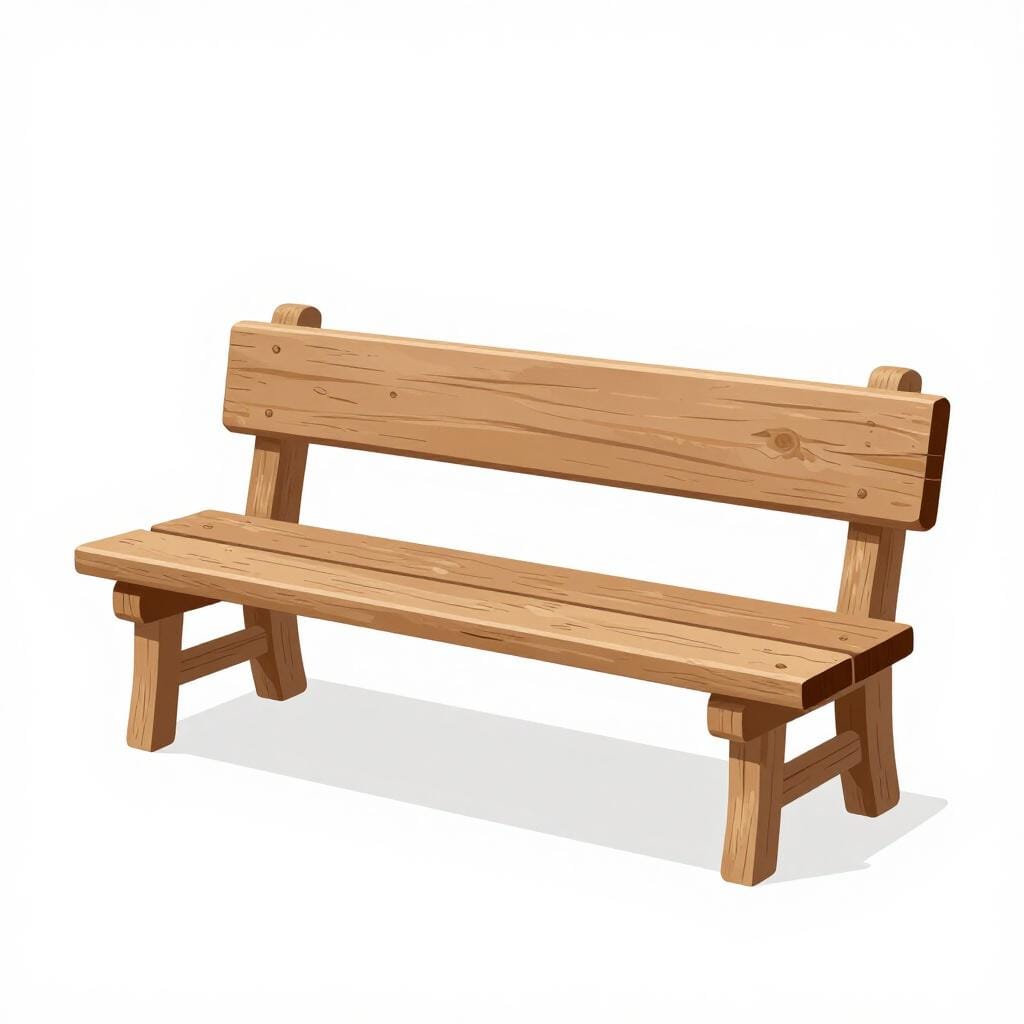
Había un antiguo escaño de madera en el recibidor.
There was an old wooden bench in the entrance hall.
El abuelo se sentaba en el escaño para contar historias.
The grandfather used to sit on the bench to tell stories.
Descriptive use
When using this to describe furniture, it almost always implies something old, sturdy, and made of wood.
Bench vs. Courtroom Bench
Learn Spanish with Inklingo
Interactive stories, personalized learning, and more.