How to Say "seat" in Spanish
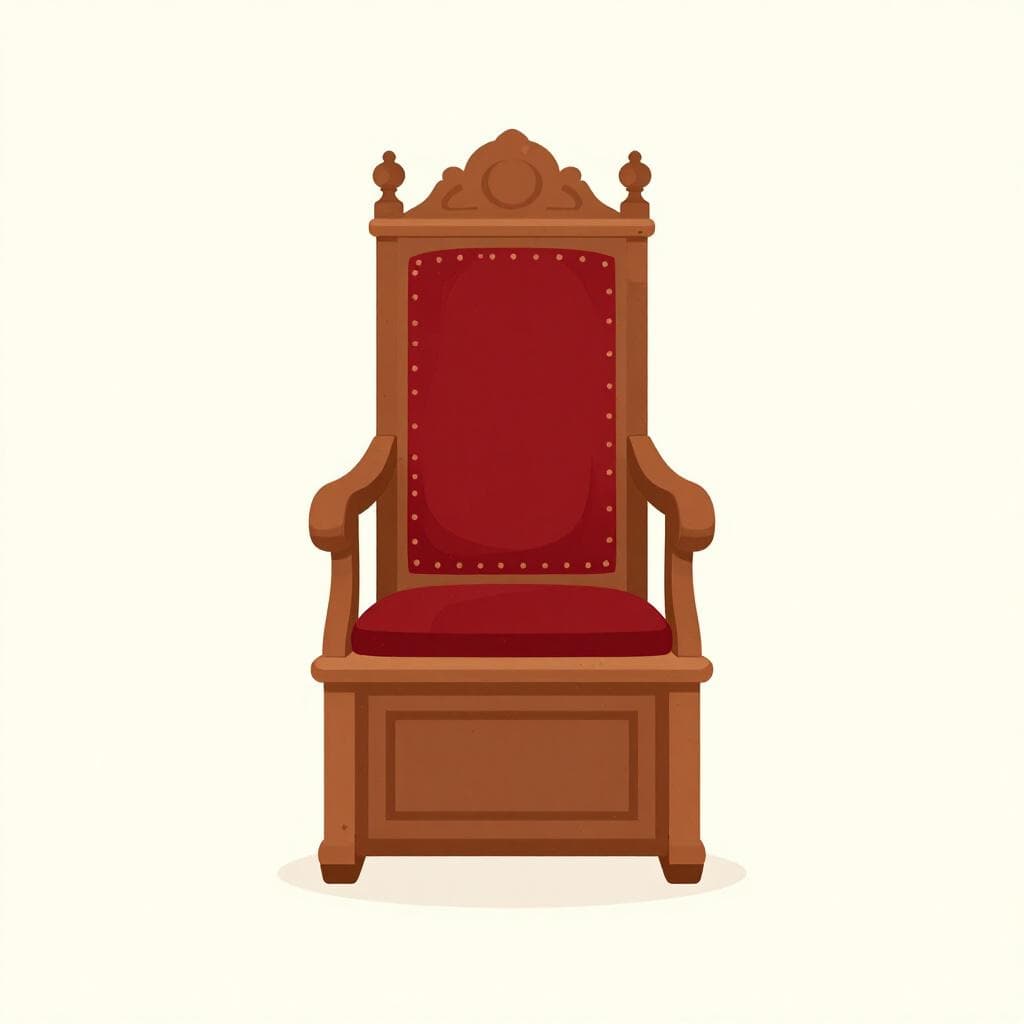
The most common Spanish word for “seat” is “asiento” — use 'asiento' for a general place to sit, like a chair, bench, or spot on a bus or train.






asiento
ah-SYEN-tohaˈsjento

Examples
¿Puedes guardar mi asiento por favor? Voy al baño.
Can you save my seat please? I’m going to the bathroom.
Todos los asientos del autobús estaban ocupados.
All the seats on the bus were taken.
Este asiento es muy cómodo, pero está un poco sucio.
This chair is very comfortable, but it is a bit dirty.
Gender Check
Since 'asiento' ends in -o, it is masculine. Use 'el asiento' or 'un asiento'.
silla
see-yahˈsiʝa

Examples
Por favor, toma una silla y siéntate.
Please, grab a chair and sit down.
Compramos seis sillas nuevas para el comedor.
We bought six new chairs for the dining room.
Necesito una silla más ergonómica para trabajar todo el día.
I need a more ergonomic chair to work all day.
Feminine Noun
Remember that 'silla' is always feminine. Use 'la' before it, and if you use an adjective, it must end in '-a' (e.g., 'la silla roja', the red chair).
Using the wrong size word
Mistake: “Using 'sillón' when you mean a standard 'chair'.”
Correction: 'Sillón' means a large, comfy armchair. 'Silla' is the standard four-legged chair you sit on at a table.
lugar
loo-GARluˈɡaɾ
Examples
¿Hay lugar para una persona más en el coche?
Is there room for one more person in the car?
Hazme un lugar en el sofá, por favor.
Make some room for me on the sofa, please.
No tengo lugar en mi agenda esta semana.
I don't have space/room in my schedule this week.
butaca
boo-TAH-kahbuˈtaka

Examples
Me gusta sentarme en la butaca para ver la televisión.
I like to sit in the armchair to watch television.
Nuestras butacas están en la quinta fila del cine.
Our seats are in the fifth row of the cinema.
La obra fue un éxito y no quedaba ni una butaca libre.
The play was a success and there wasn't a single seat left.
A feminine word
Even though it doesn't refer to a person, this word is feminine. Always use 'la' or 'una' with it: 'la butaca'.
Plural forms
To talk about more than one, simply add an 's' at the end: 'las butacas'.
Butaca vs. Silla
Mistake: “Using 'silla' for a theater seat.”
Correction: Use 'butaca' for comfortable, padded seats in theaters or at home. 'Silla' is usually for simpler, harder dining chairs.
sillón
see-YOHNsiˈʝon

Examples
Mi abuelo siempre duerme la siesta en el sillón.
My grandfather always takes a nap in the armchair.
Compramos un sillón de cuero para la sala.
We bought a leather armchair for the living room.
El escritor ocupa un sillón en la Real Academia.
The writer holds a seat in the Royal Academy.
The 'Big' Ending
The ending '-ón' is often added to words to make them bigger. Since a 'silla' is a chair, a 'sillón' is literally a 'big chair' or armchair.
Gender Clue
Words ending in '-ón' are almost always masculine, so you should use 'el' or 'un' with them.
Sillón vs. Sofá
Mistake: “Using 'sillón' for a couch.”
Correction: Use 'sillón' for a seat for one person; use 'sofá' for a seat that fits two or more people.
localidad
lo-kah-lee-DAHDloka.liˈðað

Examples
¿Quedan localidades para el concierto de mañana?
Are there any seats/tickets left for tomorrow's concert?
Compré dos localidades en la fila cinco.
I bought two seats in row five.
El teatro agotó todas sus localidades en una hora.
The theater sold out all its seats in an hour.
Plural for Tickets
When you want to buy tickets for a group, you usually use the plural form 'localidades'.
Ticket vs. Seat
Mistake: “Using 'silla' (chair) to talk about a theater booking.”
Correction: Say 'localidad' or 'asiento' when referring to your reserved spot at a show, not 'silla'.
sede
SAY-dayˈseðe
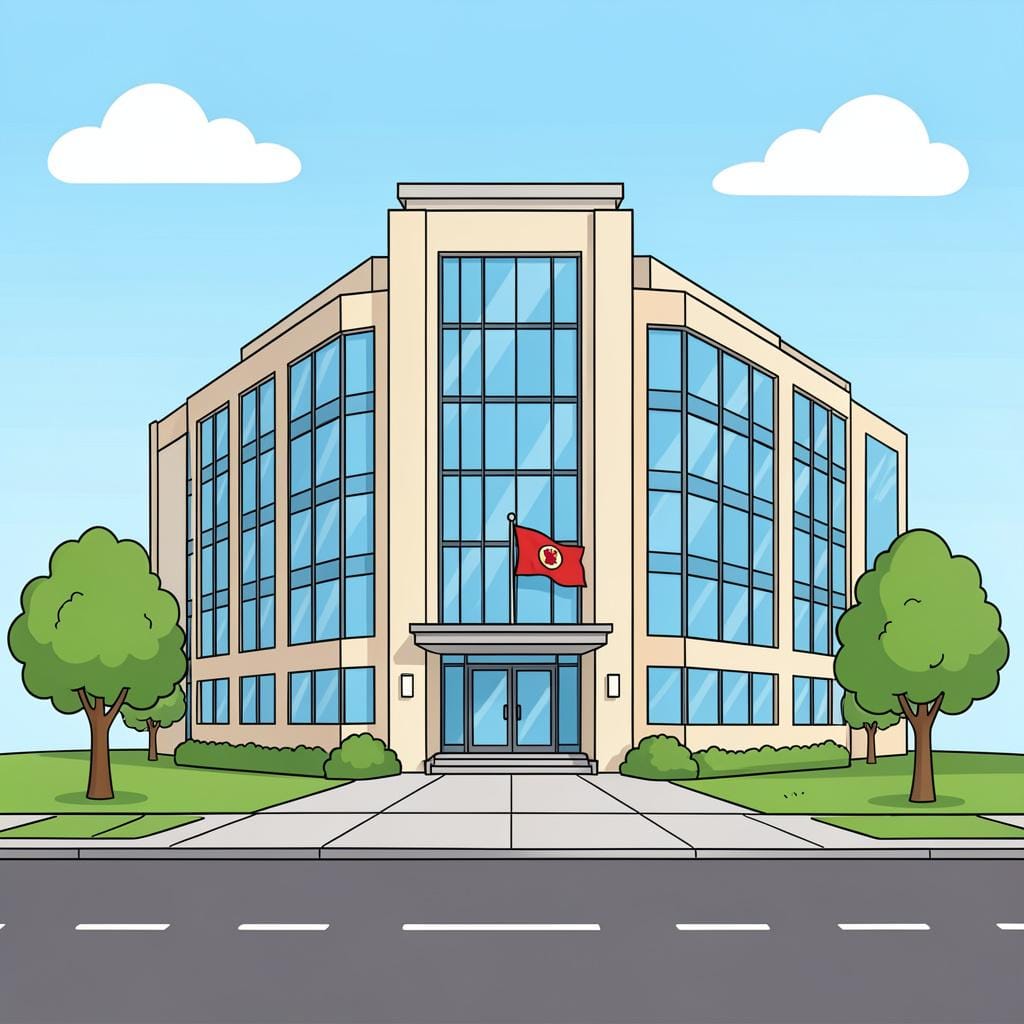
Examples
La sede principal de la empresa está en Madrid.
The company's main headquarters is in Madrid.
Ginebra es la sede de muchas organizaciones internacionales.
Geneva is the seat of many international organizations.
Gender Alert
Even though it ends in 'e', this word is feminine. Always use 'la' or 'una' with it.
Don't confuse with 'sed'
Mistake: “Tengo sede.”
Correction: Tengo sed.
catedral
kah-teh-DRAHLkateˈðɾal

Examples
La catedral de Barcelona es muy antigua.
Barcelona's cathedral is very old.
Mucha gente visita la plaza de la catedral los domingos.
Many people visit the cathedral square on Sundays.
Para que una iglesia sea una catedral, debe ser la sede de un obispo.
For a church to be a cathedral, it must be the seat of a bishop.
Identifying the Gender
Even though 'catedral' ends in 'l', it is a feminine word. Always use 'la' or 'una' with it.
Capitalization Rules
When you are talking about a specific building like 'la Catedral de Burgos', you capitalize it. If you are just talking about cathedrals in general, use lowercase.
Gender confusion
Mistake: “el catedral”
Correction: la catedral. Words ending in -ad, -ed, or -al are often feminine, and this one definitely is!
Church vs. Cathedral
Mistake: “Using 'iglesia' for everything.”
Correction: While a cathedral is a type of church (iglesia), calling a massive cathedral just an 'iglesia' can sound like you are downplaying its importance.
escaño
es-KAH-nyohesˈkaɲo

Examples
El partido obtuvo cincuenta escaños en las últimas elecciones.
The party won fifty seats in the last elections.
Muchos políticos luchan por mantener su escaño en el Congreso.
Many politicians fight to keep their seat in Congress.
El reparto de escaños se decide mediante un sistema proporcional.
The distribution of seats is decided through a proportional system.
It's always masculine
Even though it refers to a position that a man or woman can hold, the word itself is always masculine: 'el escaño' or 'un escaño'.
Abstract vs. Physical
In a political context, this word refers more to the 'right to represent' or the 'official spot' rather than just the physical chair.
Using 'silla' for politics
Mistake: “El político ganó una silla.”
Correction: El político ganó un escaño.
General Seats vs. Specific Seats
Learn Spanish with Inklingo
Interactive stories, personalized learning, and more.