How to Say "booking" in Spanish
The most common Spanish word for “booking” is “reserva” — use 'reserva' when you are securing a spot or making a general reservation for a place, like a table at a restaurant or a room at a hotel.

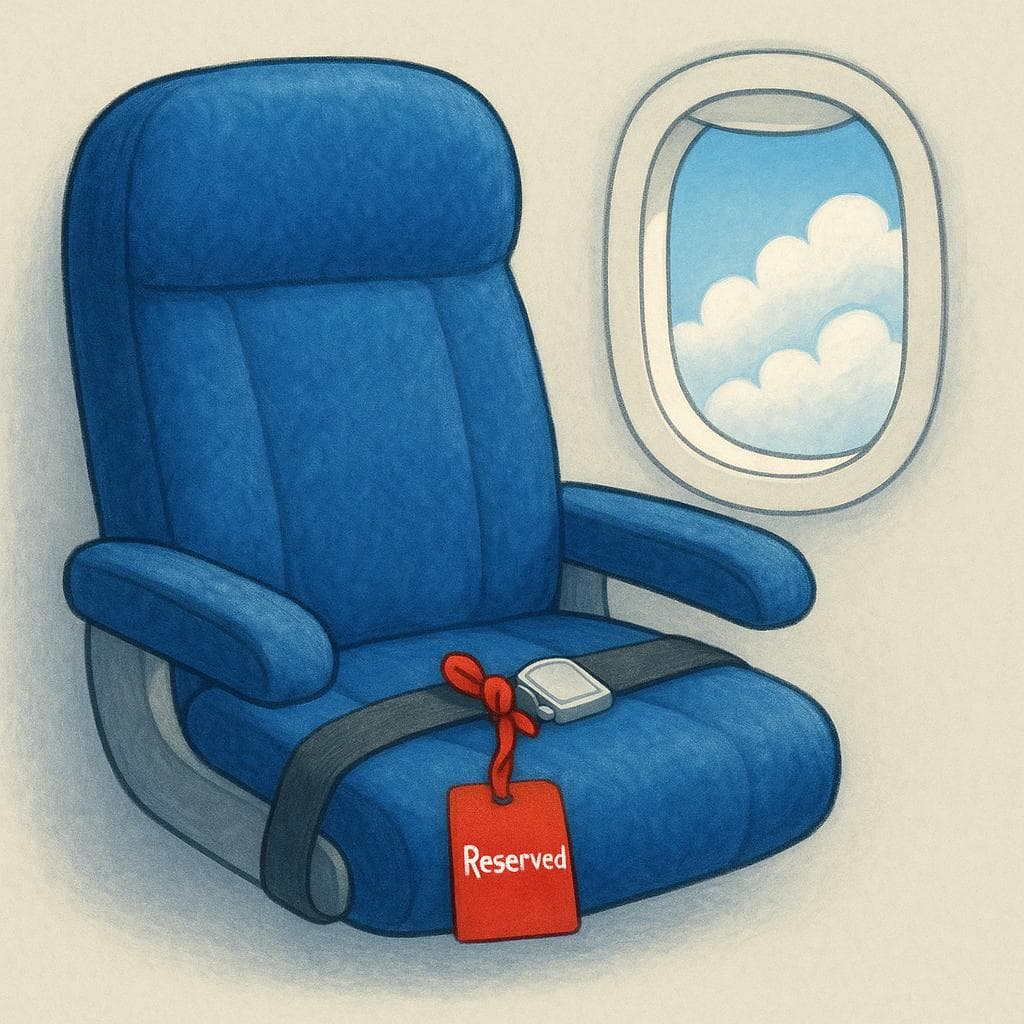
reserva
reh-SEHR-vahreˈseɾ.βa

Examples
¿Tienes una reserva a mi nombre?
Do you have a reservation under my name?
Necesitamos hacer la reserva del hotel con antelación.
We need to make the hotel booking in advance.
Gender Reminder
Remember that 'reserva' is always feminine, so you must use 'la reserva' or 'una reserva'.
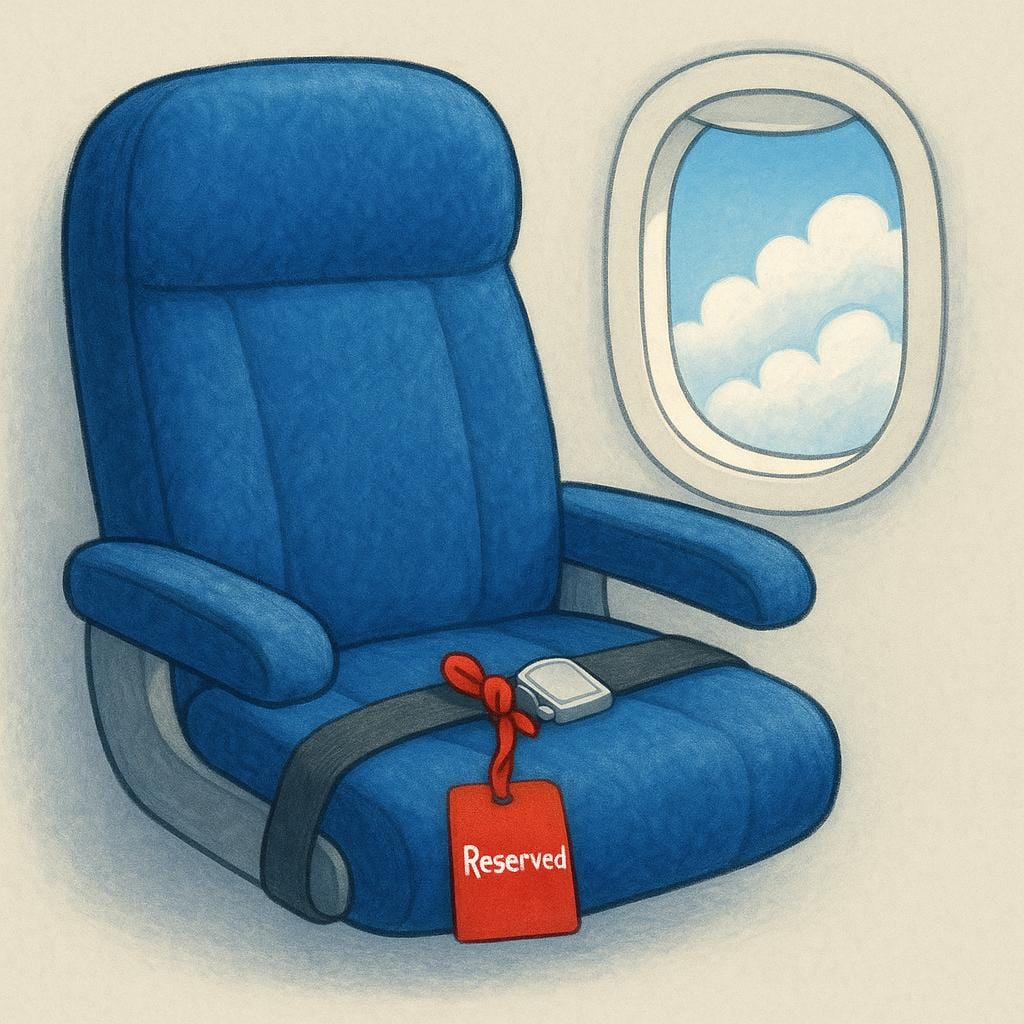
asiento
ah-SYEN-tohaˈsjento
Examples
Llamé para confirmar el asiento en el vuelo de mañana.
I called to confirm the booking on tomorrow's flight.
¿Ya tienes tu número de asiento para el tren?
Do you already have your reservation number for the train?
Hicimos un asiento triple para el teatro, pero solo vinimos dos.
We made a triple booking for the theater, but only two of us came.
Context is Key
When used in relation to travel or tickets, 'asiento' means the physical space that has been reserved for you.
Reserva vs. Asiento
Related Translations
Learn Spanish with Inklingo
Interactive stories, personalized learning, and more.