How to Say "appointment" in Spanish
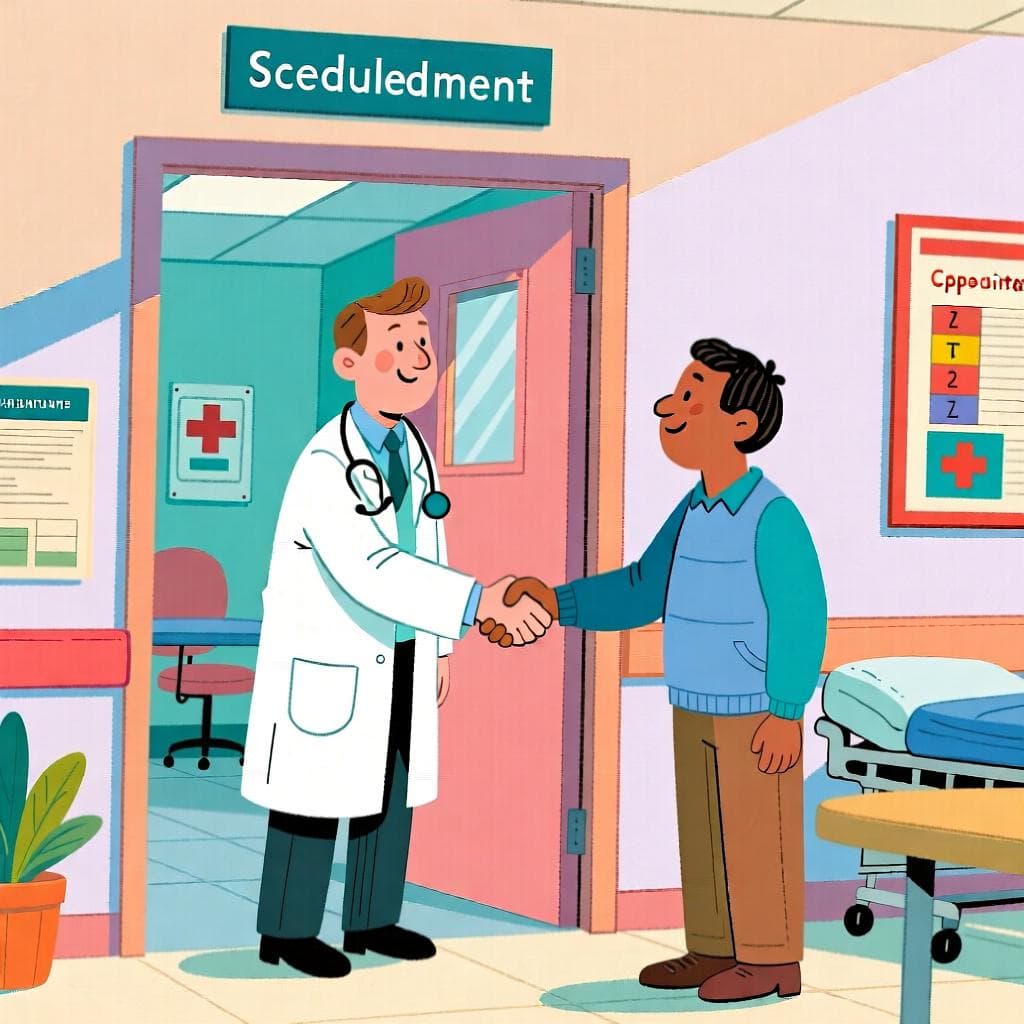
The most common Spanish word for “appointment” is “cita” — use 'cita' for a general scheduled meeting, such as with a doctor, dentist, or for a business discussion.





cita
SEE-tahˈsita

Examples
Tengo una cita con el médico mañana.
I have a doctor's appointment tomorrow.
¿Quieres tener una cita conmigo este viernes?
Would you like to go on a date with me this Friday?
No puedo llegar tarde a mi cita en el banco.
I can't be late to my appointment at the bank.
Always feminine
Cita is always feminine: 'una cita', 'la cita'. The ending never changes.
Use 'tener' not 'hacer'
You 'have' an appointment in Spanish: 'tener una cita'. Don't say 'hacer una cita'.
Mixing up appointment and quote
Mistake: “Saying 'Necesito una cita' when you need a quotation from a book.”
Correction: Both use 'cita', but add context: 'cita médica' (doctor) or 'cita del libro' (quote) to be clear.
consulta
kohn-SOOL-tahkonˈsulta

Examples
Tengo una consulta con el cardiólogo a las diez.
I have an appointment with the cardiologist at ten o'clock.
La consulta duró solo quince minutos porque era un caso simple.
The consultation only lasted fifteen minutes because it was a simple case.
Gender Reminder
Remember that 'consulta' is a feminine noun, so you always use 'la' or 'una' before it.
Using 'Cita' vs. 'Consulta'
Mistake: “Using 'cita' when you specifically mean the medical/professional act of advice, e.g., 'Tengo una cita médica.'”
Correction: While 'cita' is fine, 'consulta' is more specific to the act of seeking advice from an expert: 'Tengo una consulta con el médico.' (I have a consultation with the doctor.)
hora
OH-rahˈoɾa
Examples
¿A qué hora empieza la clase?
What time does the class start?
Ya es hora de cenar.
It's time for dinner now.
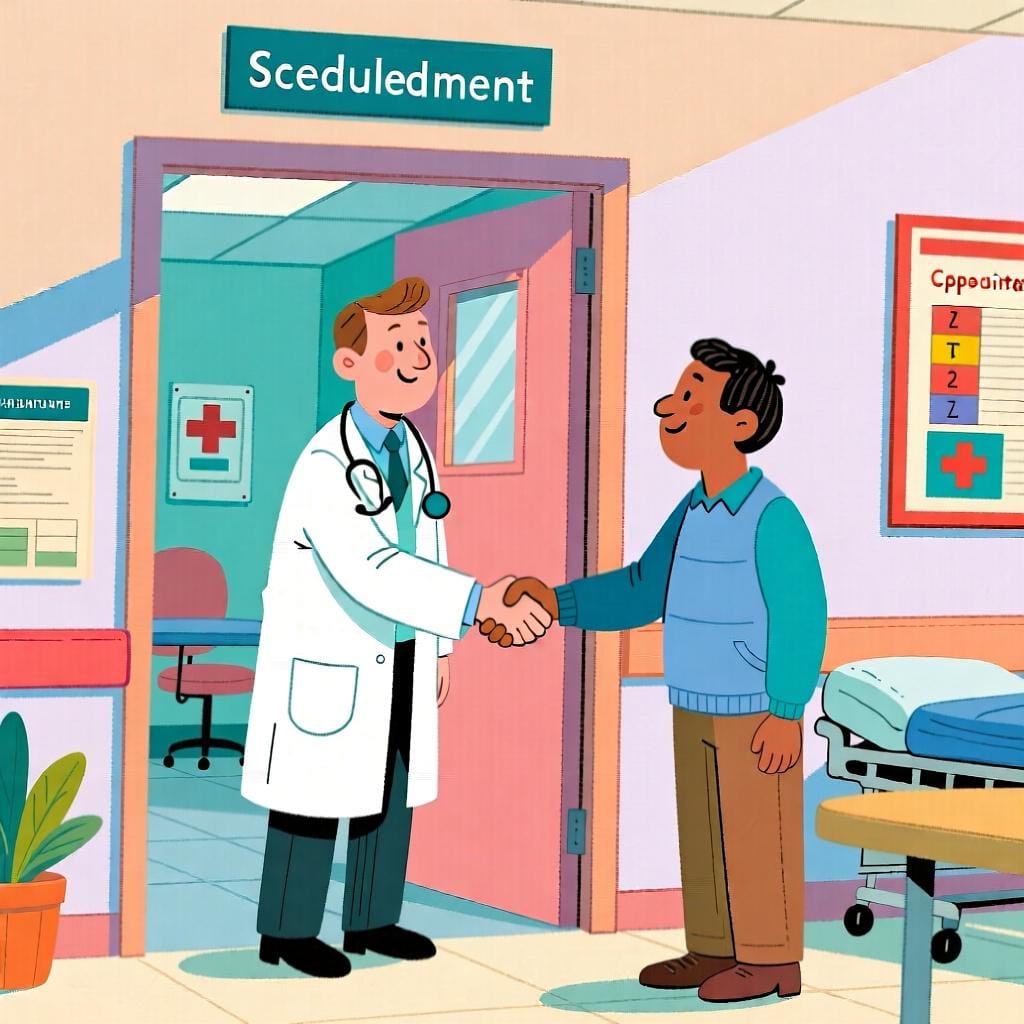
Tengo hora con la dentista el viernes.
I have an appointment with the dentist on Friday.
'Hora de' + Action
Use the pattern 'hora de + [the base form of a verb]' to say it's time to do something. For example, 'Es hora de estudiar' (It's time to study).
Confusing 'hora' and 'tiempo'
Mistake: “No tengo una hora para ayudarte.”
Correction: No tengo tiempo para ayudarte. Use 'hora' for clock time or appointments. Use 'tiempo' for the general concept of time or an amount of time.
reserva
reh-SEHR-vahreˈseɾ.βa

Examples
¿Tienes una reserva a mi nombre?
Do you have a reservation under my name?
Necesitamos hacer la reserva del hotel con antelación.
We need to make the hotel booking in advance.
Gender Reminder
Remember that 'reserva' is always feminine, so you must use 'la reserva' or 'una reserva'.
fecha
FEH-chahˈfetʃa

Examples
La fecha límite para entregar el trabajo es mañana.
The deadline to turn in the work is tomorrow.
Este fin de semana se juega la décima fecha de la liga.
The tenth matchday of the league is being played this weekend.
Pusimos una fecha para vernos de nuevo.
We set a date/time to see each other again.
Using 'Límite'
When talking about a 'deadline,' use the phrase 'fecha límite.' 'Límite' always follows 'fecha.'
designación
Examples
La designación del nuevo director será anunciada el lunes.
The appointment of the new director will be announced on Monday.
nombramiento
nom-brah-mee-EHN-tohnombɾaˈmjento

Examples
El nombramiento del nuevo director será mañana.
The appointment of the new director will be tomorrow.
Recibió su nombramiento oficial después de meses de espera.
She received her official appointment after months of waiting.
El presidente anunció el nombramiento de tres nuevas ministras.
The president announced the appointment of three new ministers.
Making Nouns from Verbs
This word is formed by taking the verb 'nombrar' (to name/appoint) and adding '-miento'. This is a common way in Spanish to turn an action into a thing or a process.
The Gender Rule
Nouns ending in '-miento' are almost always masculine, so you will always use 'el' or 'un' with this word.
Don't say 'una cita'
Mistake: “Usar 'cita' para hablar de un nuevo puesto de trabajo.”
Correction: Use 'nombramiento' when talking about someone getting a job. 'Cita' means a meeting or a romantic date.
General Meetings vs. Job Appointments
Related Translations
Learn Spanish with Inklingo
Interactive stories, personalized learning, and more.