camarote
“camarote” means “cabin” in Spanish. It has 2 different meanings depending on context:

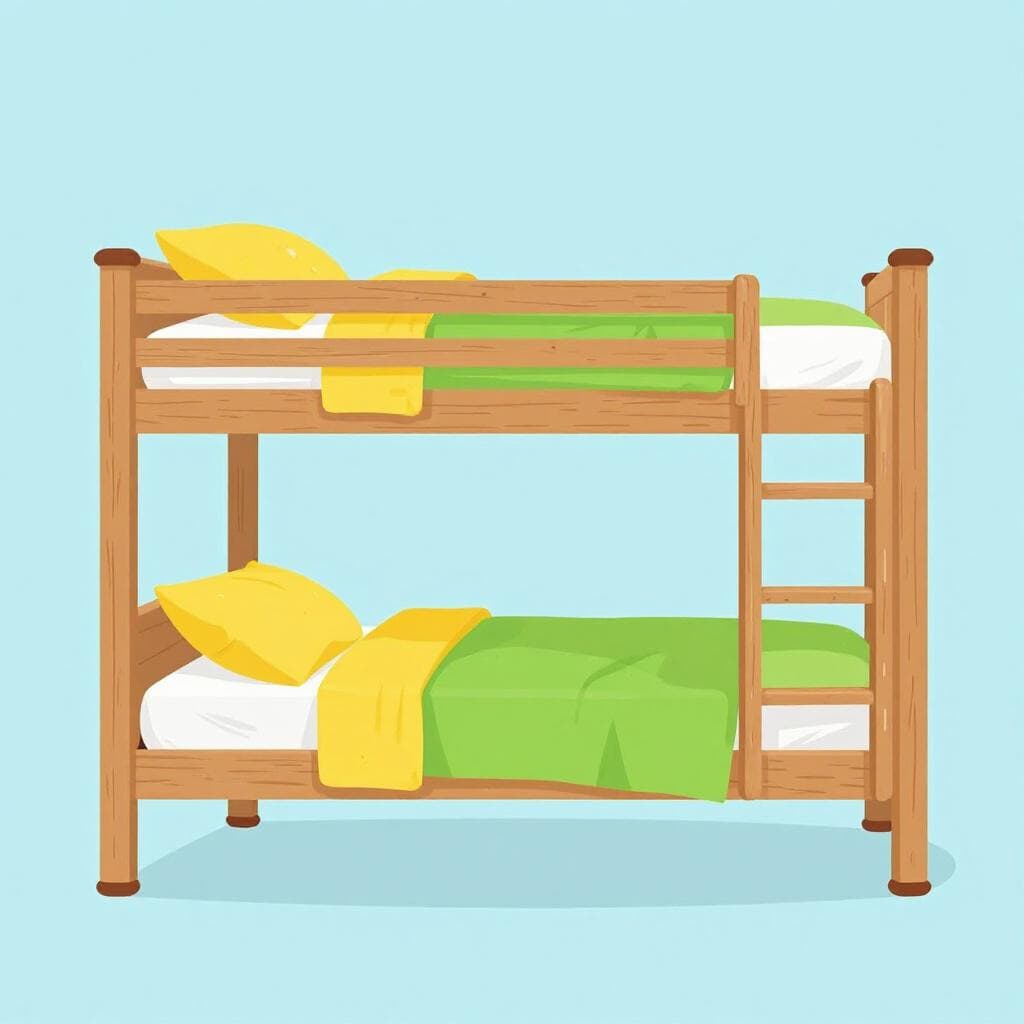
cabin, stateroom
Also: berth
📝 In Action
Nuestro camarote en el crucero tiene un balcón privado.
B1Our cabin on the cruise ship has a private balcony.
El capitán pasó toda la noche en su camarote.
A2The captain spent the whole night in his cabin.
Viajamos en un camarote de tren desde Madrid hasta París.
B1We traveled in a train compartment from Madrid to Paris.
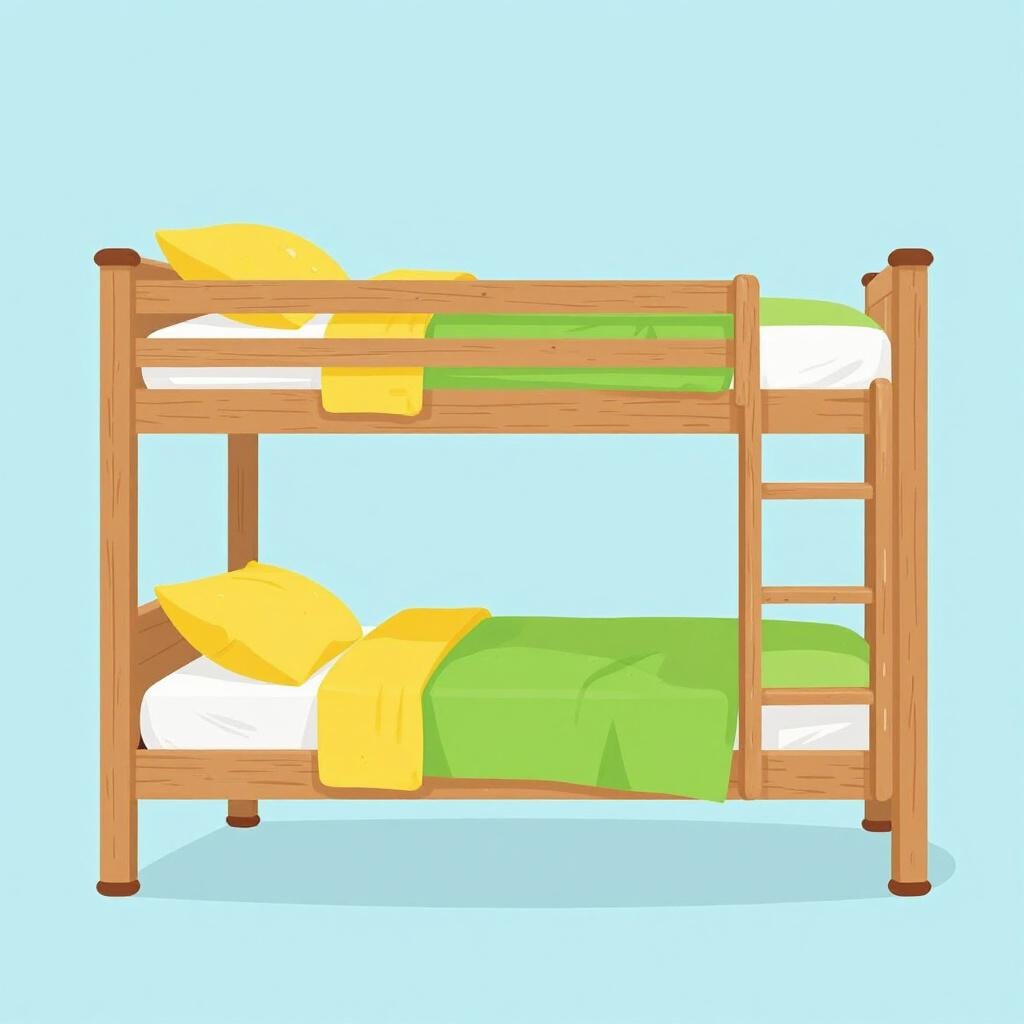
bunk bed
📝 In Action
Mis hijos comparten un camarote en su habitación.
B1My children share a bunk bed in their room.
Translate to Spanish
✏️ Quick Practice
Quick Quiz: camarote
Question 1 of 3
Where would you find a 'camarote' in its most common international sense?
📚 More Resources
👥 Word Family▼
📚 Etymology▼
Derived from 'cámara' (room/chamber), which comes from the Latin 'camara'. The suffix '-ote' was added to denote a specific, smaller compartment for sleeping.
First recorded: 17th century
Cognates (Related words)
💡 Master Spanish
Take your Spanish to the next level. Read 200+ illustrated and narrated Spanish stories tailored to your level with the Inklingo app!
Frequently Asked Questions
Is a 'camarote' always small?
Usually, yes. It refers to a compact sleeping area. However, on luxury cruises, 'camarotes' can be quite spacious and are often called staterooms.
Can I use 'camarote' to describe a cabin in the forest?
No, that would be a 'cabaña'. 'Camarote' is reserved for transportation (ships/trains) or bunk beds in certain regions.
What is the difference between 'litera' and 'camarote'?
In Spain, 'litera' is the only way to say bunk bed. In parts of Latin America, both are used, but 'camarote' is very common for the furniture.