How to Say "hut" in Spanish
The most common Spanish word for “hut” is “cabaña” — use 'cabaña' when referring to a cabin, especially one in a natural setting like mountains or a forest, often implying a more solid structure for recreation or lodging.
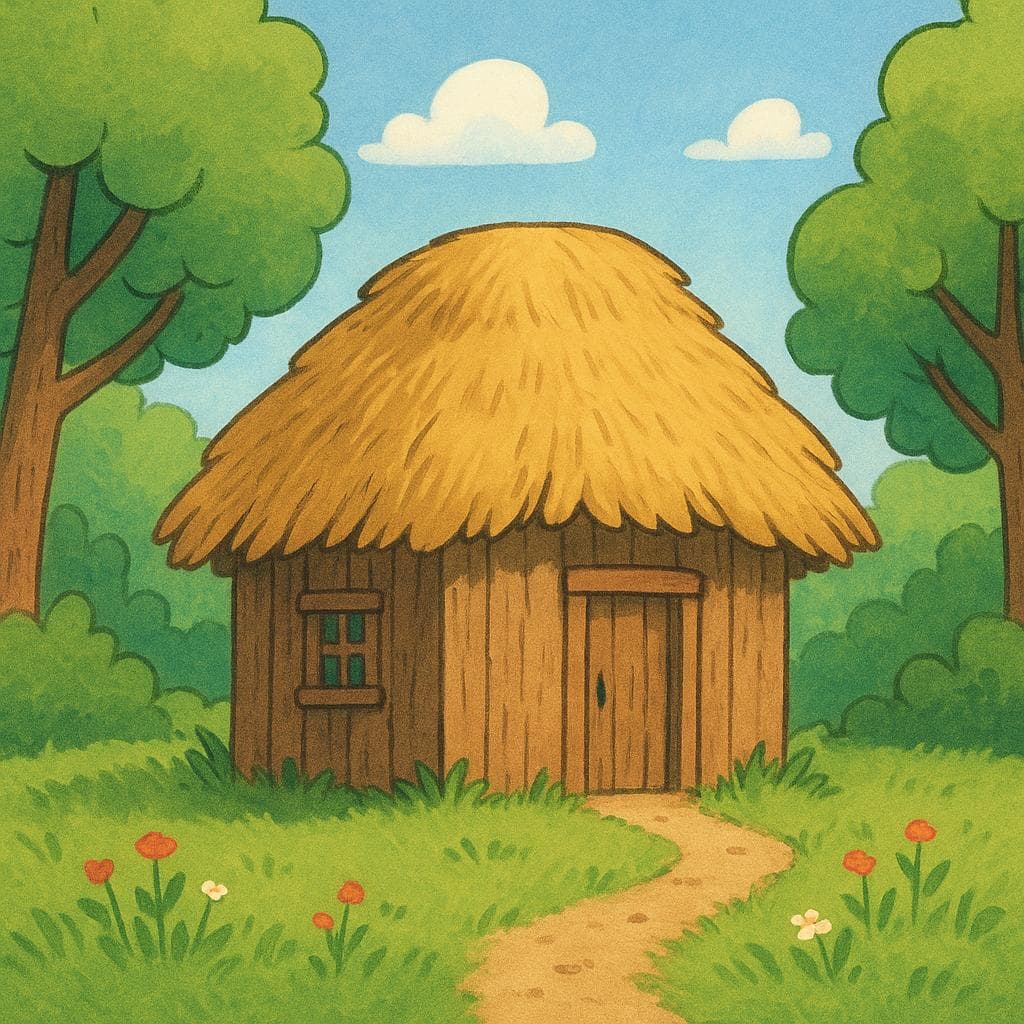

cabaña
Examples
Pasamos el fin de semana en una cabaña acogedora junto al lago.
We spent the weekend in a cozy cabin by the lake.
rancho
rran-chohˈrantʃo
Examples
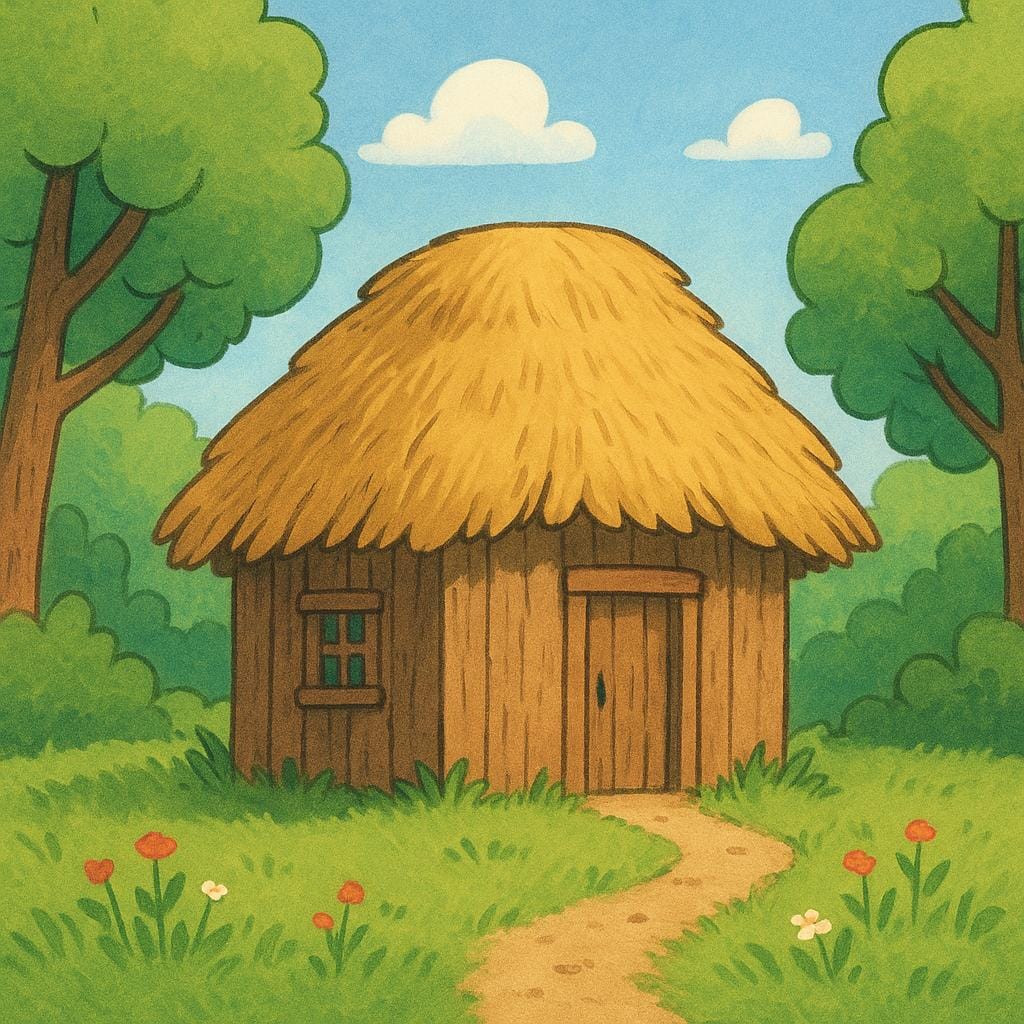
El granjero vivía en un rancho humilde con techo de paja.
The farmer lived in a humble hut with a straw roof.
Construyeron un rancho de paja y barro cerca de la playa.
They built a straw and mud hut near the beach.
El viejo vivía solo en su rancho, lejos del pueblo.
The old man lived alone in his shack, far from the town.
choza
cho-sahˈt͡ʃot͡sa
Examples
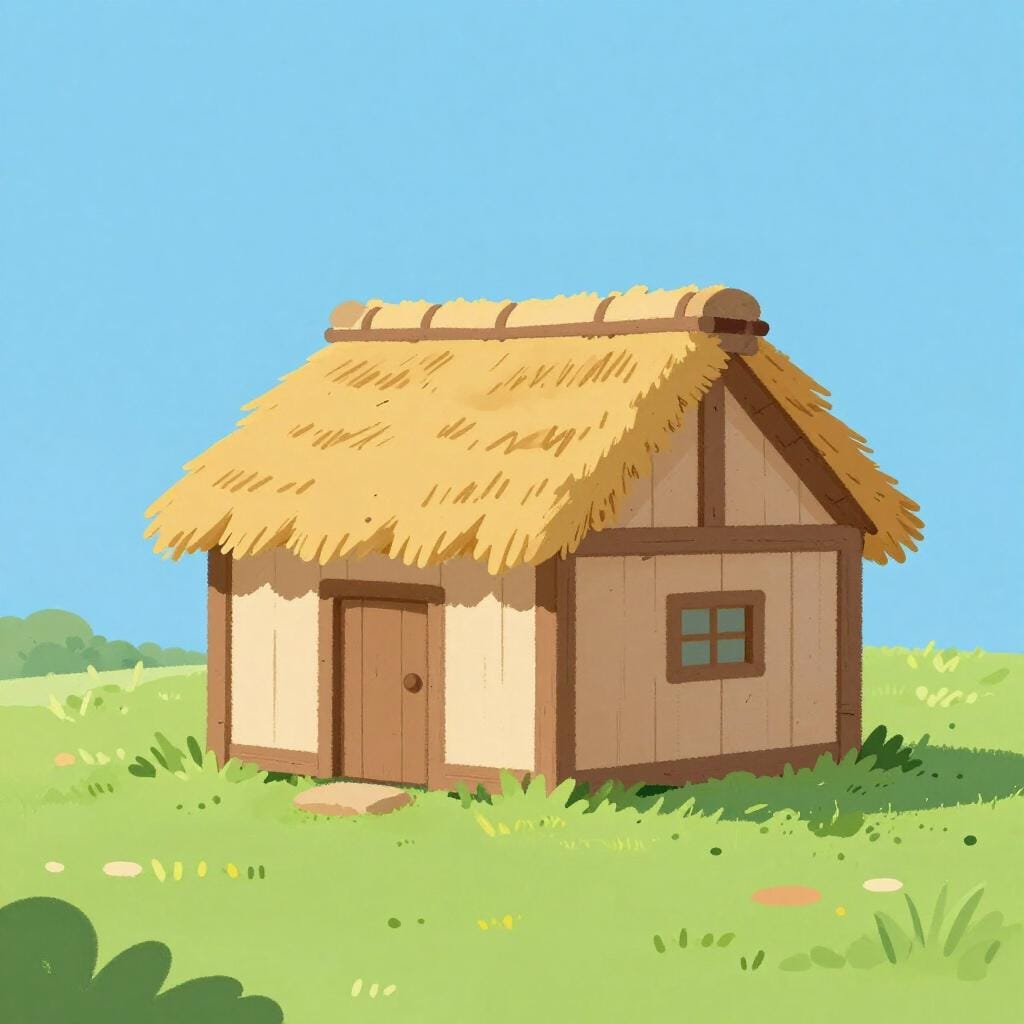
Los excursionistas se refugiaron en una choza abandonada durante la tormenta.
The hikers took shelter in an abandoned hut during the storm.
El pescador vivía en una pequeña choza cerca de la playa.
The fisherman lived in a small hut near the beach.
Construyeron una choza de paja para refugiarse del sol.
They built a straw shack to take shelter from the sun.
En el cuento, el ermitaño invitó al viajero a su humilde choza.
In the story, the hermit invited the traveler into his humble hut.
Gender of the word
The word 'choza' is feminine, so you always use feminine words with it, like 'la choza' or 'una choza'.
Describing materials
To say what the hut is made of, use 'de' plus the material, like 'choza de madera' (shack of wood).
Choza vs. Cabaña
Mistake: “Using 'choza' for a luxury ski cabin.”
Correction: Use 'cabaña' for a cozy or nice cabin; 'choza' usually implies something very poor or basic.
Cabaña vs. Choza/Rancho
Related Translations
Learn Spanish with Inklingo
Interactive stories, personalized learning, and more.