heredar
“heredar” means “to inherit” in Spanish. It has 2 different meanings depending on context:


to inheritAlso: to come into

📝 In Action
Ella va a heredar la casa de sus abuelos.
A2She is going to inherit her grandparents' house.
Heredé un poco de dinero y decidí viajar.
B1I inherited a bit of money and decided to travel.
Es necesario hacer un testamento para que tus hijos puedan heredar sin problemas.
B2It is necessary to make a will so your children can inherit without problems.
Word Connections
to inheritAlso: to take after
📝 In Action
Heredé el carácter fuerte de mi madre.
B1I inherited my mother's strong character.
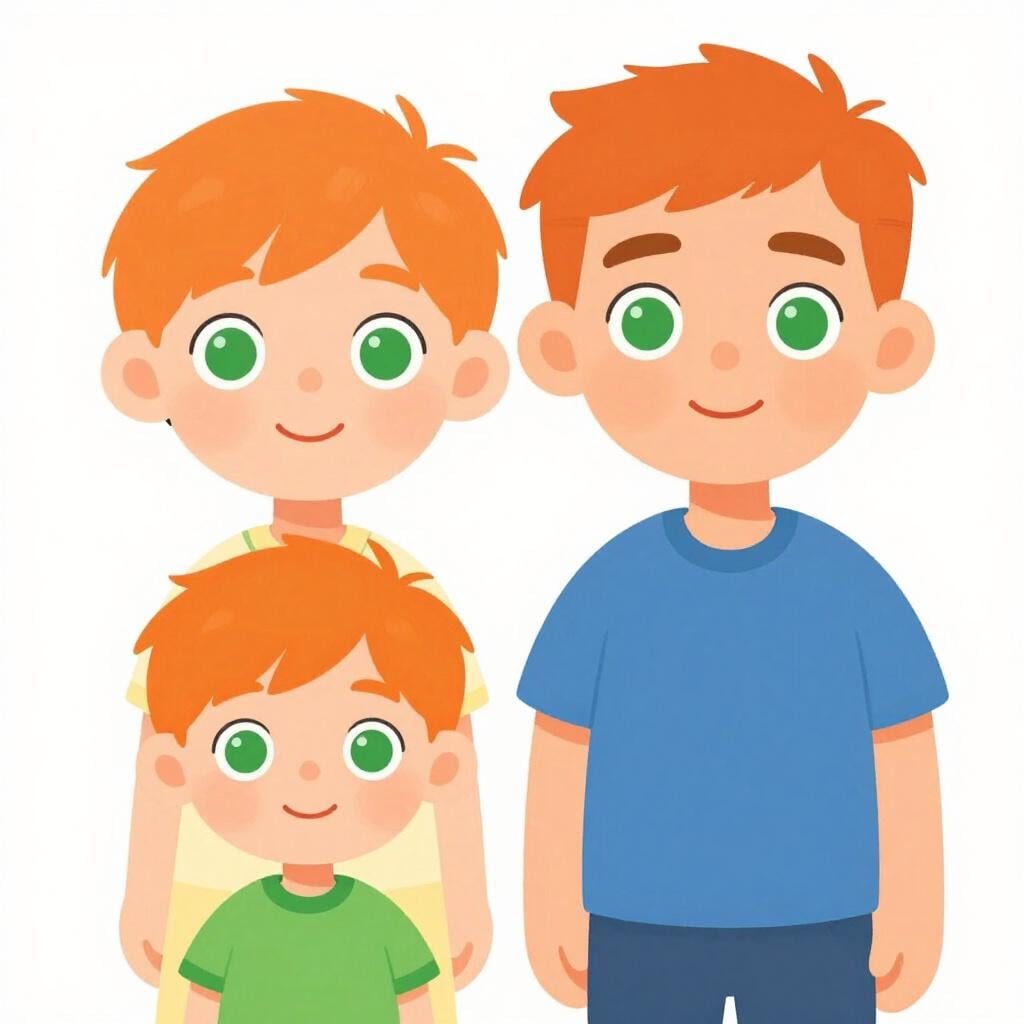
Muchos niños heredan el color de ojos de sus padres.
B1Many children inherit their parents' eye color.
Word Connections
Subjunctive
Imperfect Subjunctive
Present Subjunctive
Indicative
Preterite
Imperfect
Present
Translate to Spanish
Words that translate to "heredar" in Spanish:
✏️ Quick Practice
Quick Quiz: heredar
Question 1 of 3
How do you say 'I inherited a car from my uncle'?
📚 More Resources
👥 Word Family
📚 Etymology
From the Latin word 'hereditare', which means 'to be an heir'. This comes from 'heres' (heir).
First recorded: 13th century
Cognates (Related words)
💡 Master Spanish
Take your Spanish to the next level. Read 200+ illustrated and narrated Spanish stories tailored to your level with the Inklingo app!
Frequently Asked Questions
Does 'heredar' only apply to dead people?
While it usually refers to receiving things after someone passes away, in a biological sense, it refers to traits you get from your living parents as well.
Can I use 'heredar' for a job position?
Yes, it can be used figuratively to mean taking over a role or a situation, like 'He inherited a mess at work' (Heredó un desastre en el trabajo).
What is the difference between 'heredar' and 'recibir'?
'Recibir' is general (to receive anything), while 'heredar' specifically implies it was passed down through family or a legal will.