How to Say "tracks" in Spanish
The most common Spanish word for “tracks” is “canciones” — use 'canciones' when referring to songs on an album, playlist, or in a musical context.


canciones
kahn-SYOH-nesskanˈsjo.nes

Examples
Me encanta escuchar canciones en español para practicar.
I love listening to Spanish songs to practice.
Las canciones de este álbum son todas muy populares.
The songs on this album are all very popular.
El compositor escribió más de cien canciones a lo largo de su carrera.
The composer wrote more than one hundred songs throughout his career.
Pluralization Rule
This word is the plural form of 'canción.' Because the singular form ends in a consonant ('n'), you add '-es' to make it plural.
The Disappearing Accent
The singular word is 'canción' (with an accent). When you make it plural ('canciones'), the accent mark disappears because the natural stress of the word shifts to the second-to-last syllable.
Gender Reminder
Remember this word is feminine, even though it ends in '-es.' You must use feminine words with it, like 'las canciones' (the songs).
Incorrect Gender
Mistake: “Los canciones”
Correction: Las canciones. Since the singular form 'canción' is feminine, the plural must also be feminine.
huellas
WEY-yahssˈwe.ʝas
Examples
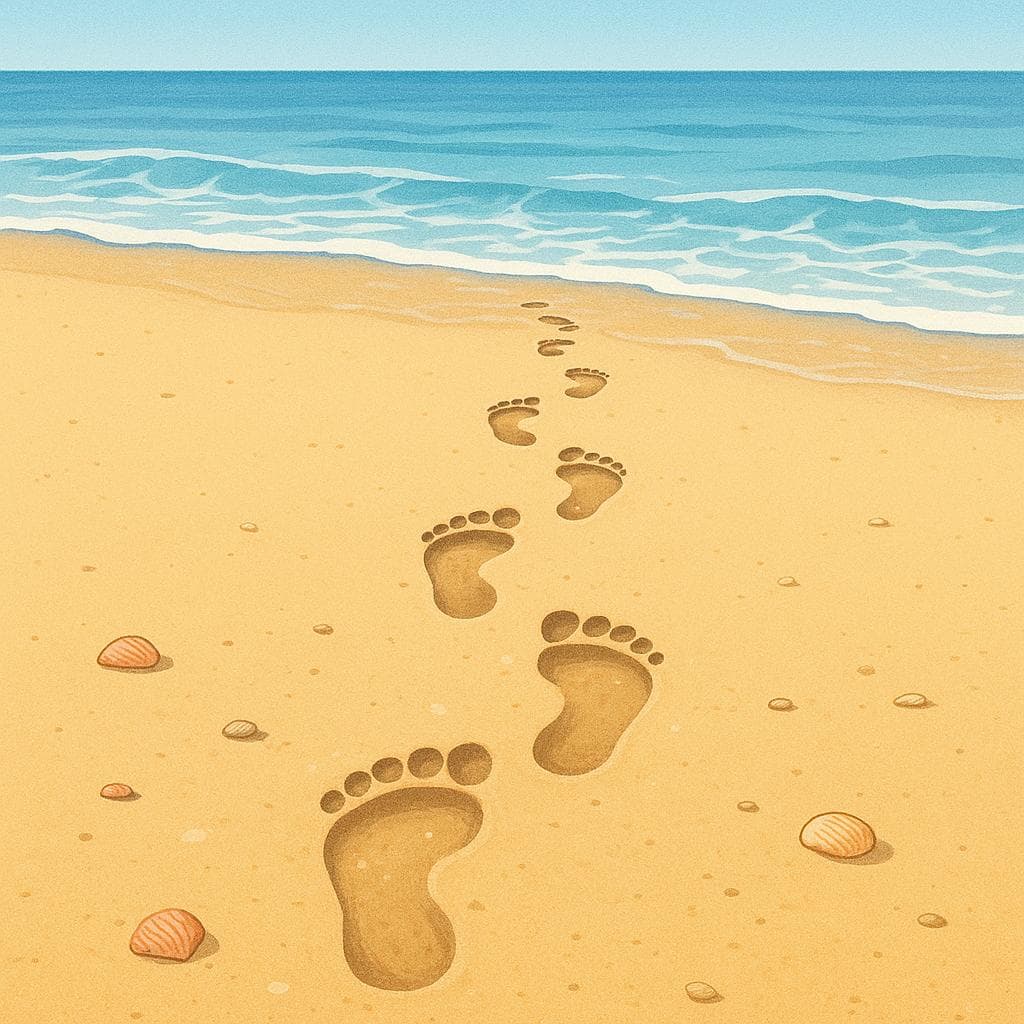
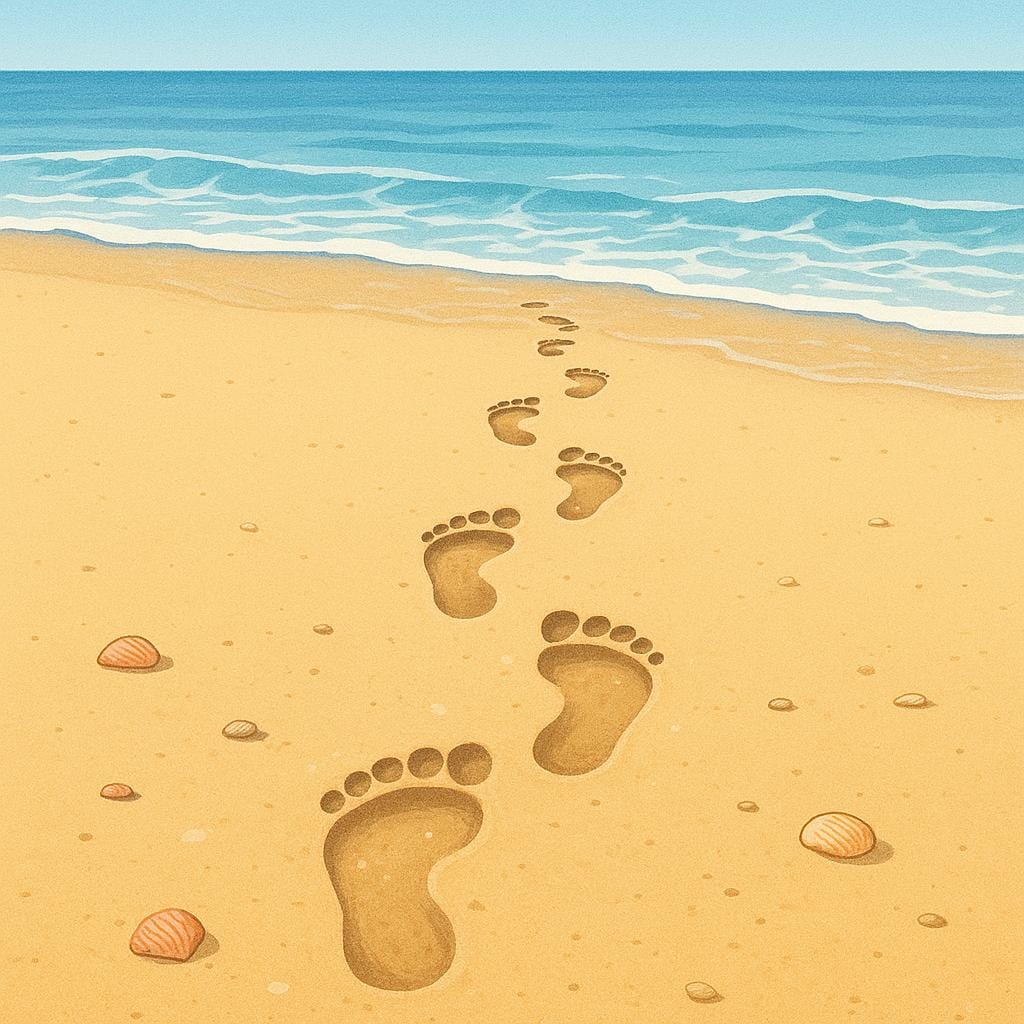
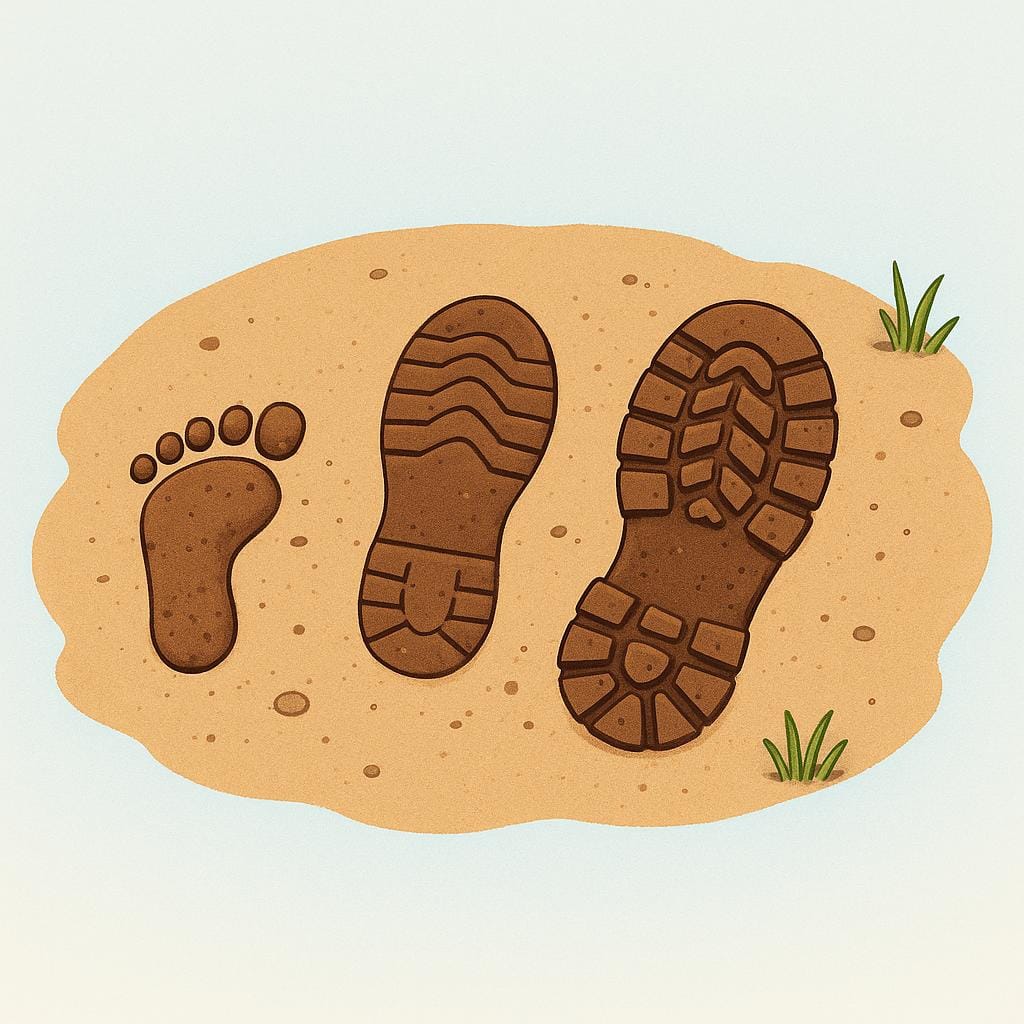
Las huellas en la arena demuestran que alguien caminó por aquí.
The footprints in the sand show that someone walked here.
El detective encontró huellas dactilares en el vaso.
The detective found fingerprints on the glass.
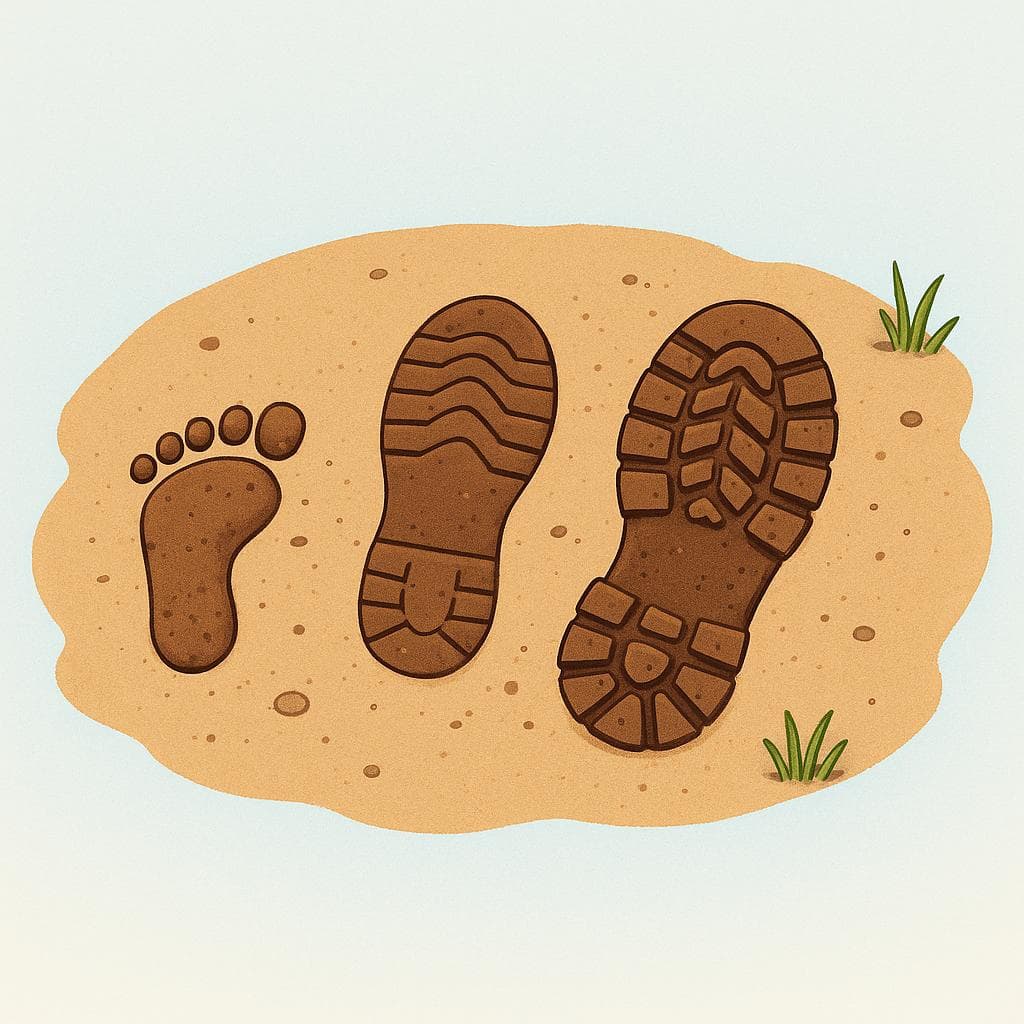
Las huellas de las ruedas son muy profundas en el barro.
The tire tracks are very deep in the mud.
Always Plural for Physical Evidence
Even if you are talking about the mark left by just one foot, Spanish usually prefers the plural form 'huellas' when referring to tracks or prints.
Sounding the 'H'
Mistake: “Hoo-eh-yahss”
Correction: Remember that the 'h' in Spanish is silent. Pronounce it starting with the 'u' sound: WEY-yahss.
pistas
PEES-tasˈpistas

Examples
Las pistas de tenis están recién pintadas.
The tennis courts are newly painted.
El avión espera la autorización para usar las pistas de aterrizaje.
The plane is waiting for clearance to use the runways.
Context is Key
When you hear 'pistas', look at the surrounding words. If they mention sports or travel, it likely means a physical track or lane. If they mention mysteries or questions, it means 'clues'.
Mixing up 'Pistas' and 'Caminos'
Mistake: “Using 'pistas' for a general hiking path.”
Correction: Use 'sendero' or 'camino' for a general path. 'Pista' implies a specially prepared or marked surface (like a running track or a ski slope).
rastros
RASS-trohsˈras.tros
Examples
La policía encontró rastros de pisadas en la nieve.
The police found traces of footprints in the snow.
Después de la fiesta, solo quedaron rastros de desorden.
After the party, only signs of mess remained.
Sus palabras aún dejaban rastros de amargura.
His words still showed traces (or signs) of bitterness.
Plural Form
This word is the plural of the masculine noun 'el rastro' (the trace). Remember to use plural articles and adjectives with it (los rastros viejos).
Confusing Noun and Verb
Mistake: “Using 'rastros' when you mean the action of dragging (e.g., 'Yo rastros la caja').”
Correction: The verb form is only for 'tú' (you). For 'yo' (I), you would say 'yo rastro' (I drag).
vías
Examples
El tren se detuvo porque había un problema en las vías.
The train stopped because there was a problem on the tracks.
cintas
seen-tahsˈsintas
Examples
Las cintas transportadoras llevan el equipaje al avión.
The conveyor belts carry the luggage to the plane.
Prefiero correr en las cintas del gimnasio cuando llueve.
I prefer running on the treadmills at the gym when it rains.
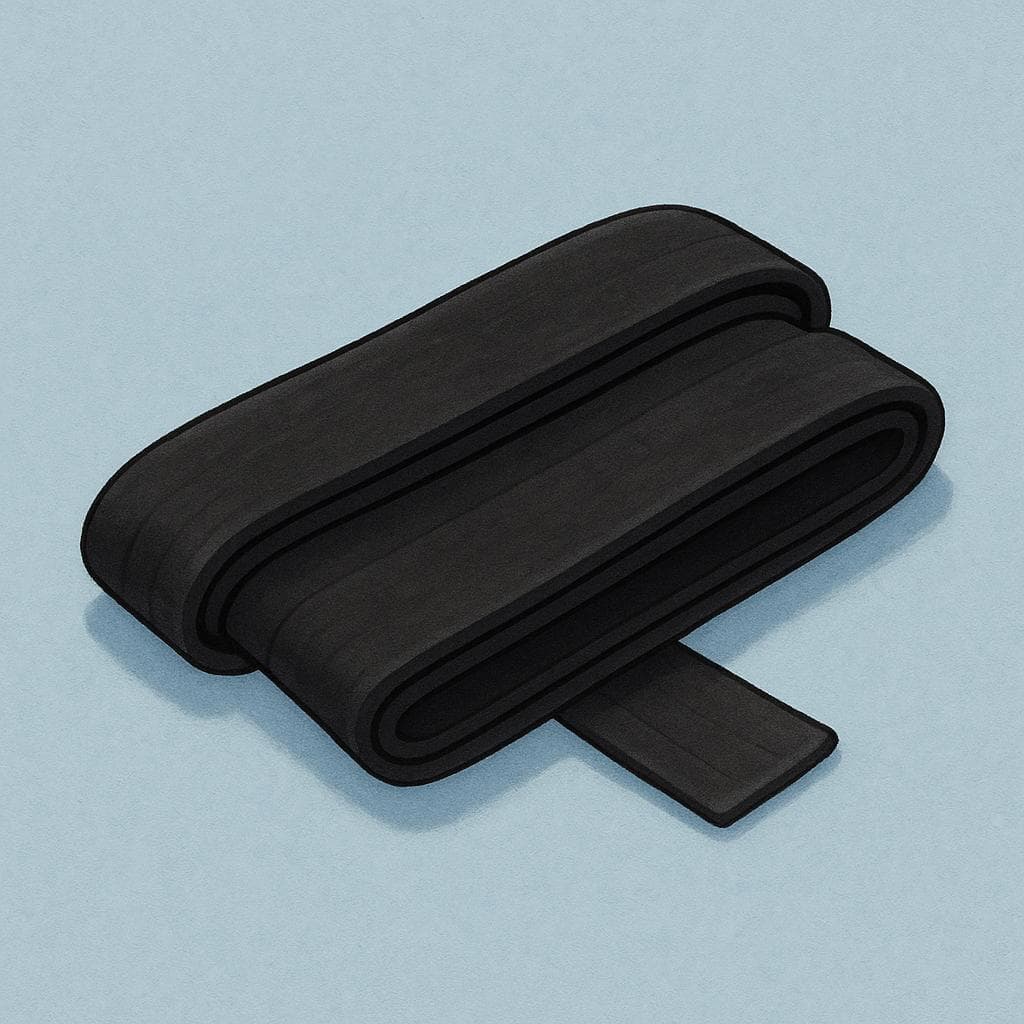
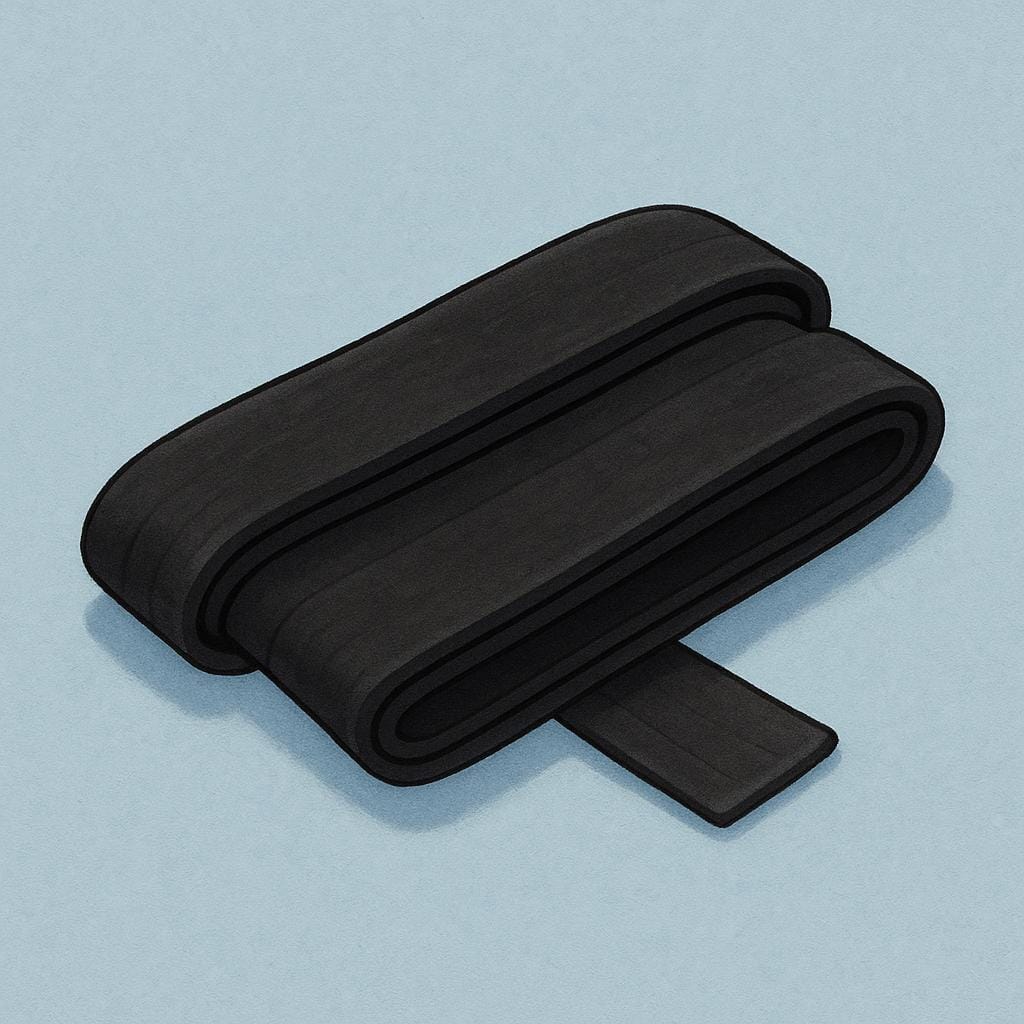
Obtuvieron sus cintas negras después de muchos años de entrenamiento.
They obtained their black belts after many years of training.
Context is Key
When you hear 'cintas' in a gym, it almost always means 'treadmills' (short for 'cintas de correr'). When packing, it means 'conveyor belts'.
Tracks for surfaces vs. marks
Learn Spanish with Inklingo
Interactive stories, personalized learning, and more.