rastros
“rastros” means “traces” in Spanish. It has 2 different meanings depending on context:
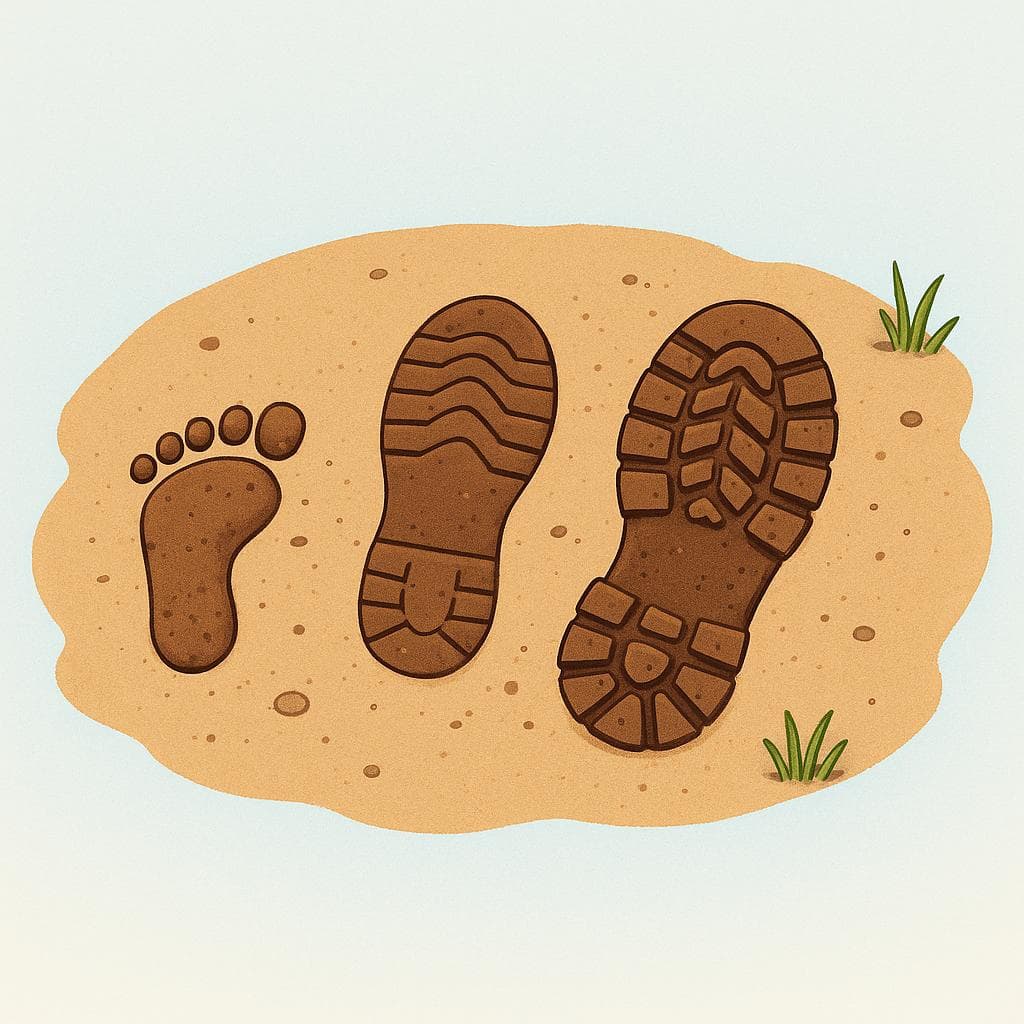

traces, tracks
Also: signs, remnants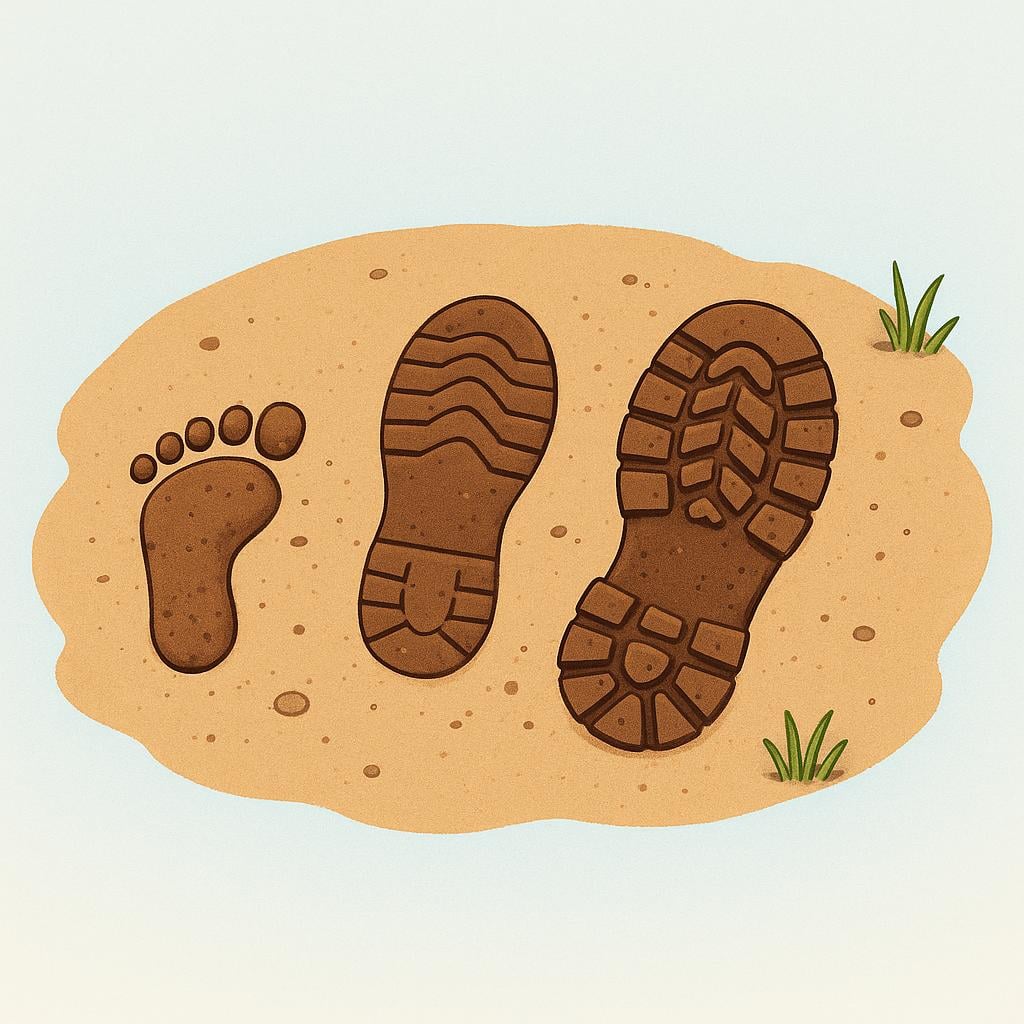
📝 In Action
La policía encontró rastros de pisadas en la nieve.
A2The police found traces of footprints in the snow.
Después de la fiesta, solo quedaron rastros de desorden.
B1After the party, only signs of mess remained.
Sus palabras aún dejaban rastros de amargura.
B2His words still showed traces (or signs) of bitterness.
you drag
Also: you rake, you track/scan
📝 In Action
Si rastros la red con cuidado, encontrarás la información.
C1If you scan (or search) the net carefully, you will find the information.
¿Por qué rastros esas ramas por el suelo?
B2Why are you dragging those branches across the floor?
Indicative
Present
Imperfect
Preterite
Subjunctive
Present Subjunctive
Imperfect Subjunctive
Translate to Spanish
✏️ Quick Practice
Quick Quiz: rastros
Question 1 of 2
Which sentence uses 'rastros' as a noun meaning 'evidence'?
📚 More Resources
👥 Word Family▼
🎵 Rhymes▼
📚 Etymology▼
The word comes from the Latin verb *rastrum*, meaning a 'rake' or 'harrow' (a farming tool). This root links the meanings of dragging something across the ground and the resulting marks left behind.
First recorded: 13th century
Cognates (Related words)
💡 Master Spanish
Take your Spanish to the next level. Read 200+ illustrated and narrated Spanish stories tailored to your level with the Inklingo app!
Frequently Asked Questions
Is 'rastros' related to the famous flea market in Madrid?
Yes, but indirectly. The Madrid market is called 'El Rastro' (singular, capitalized), referring to the original singular noun 'rastro.' The plural form 'rastros' usually refers to physical tracks or signs, not multiple markets.
Should I use 'rastros' or 'huellas' for footprints?
Both are correct, but 'huellas' specifically means footprints or fingerprints. 'Rastros' is broader and can refer to any kind of track, sign, or trace left behind, whether by an animal, a person, or an event.