rastrear
“rastrear” means “track” in Spanish. It has 2 different meanings depending on context:
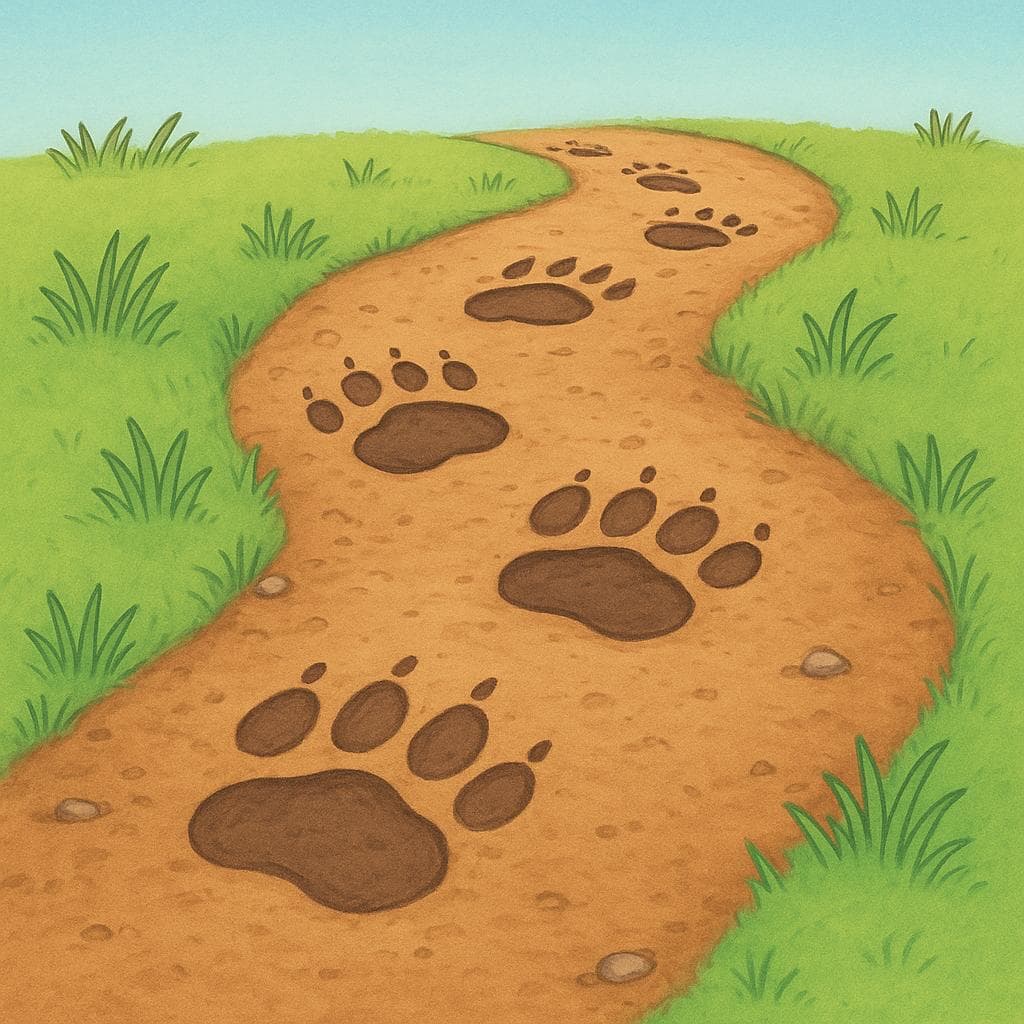

track, locateAlso: monitor

📝 In Action
Quiero rastrear mi paquete, ¿ya salió de la aduana?
A2I want to track my package; has it left customs yet?
La policía pudo rastrear la llamada hasta un edificio abandonado.
B1The police were able to trace the call to an abandoned building.
Los perros están rastreando el olor del excursionista perdido.
B1The dogs are tracking the scent of the lost hiker.
Word Connections
trace, investigateAlso: scan

📝 In Action
Es difícil rastrear el origen de estas costumbres tan antiguas.
B2It is difficult to trace the origin of these very old customs.
El historiador intentó rastrear las fuentes originales del manuscrito.
C1The historian tried to trace the original sources of the manuscript.
Word Connections
Indicative
Present
Imperfect
Preterite
Subjunctive
Present Subjunctive
Imperfect Subjunctive
Translate to Spanish
✏️ Quick Practice
Quick Quiz: rastrear
Question 1 of 2
Which sentence uses 'rastrear' in its modern, technological sense?
📚 More Resources
👥 Word Family
📚 Etymology
The word comes from the Spanish noun 'rastro,' meaning 'trace' or 'track.' 'Rastro' itself developed from the Latin word *rastrum*, which originally meant 'a rake' or 'a hoe.' The idea is to 'rake over' the ground to find the trail.
First recorded: 15th century
Cognates (Related words)
💡 Master Spanish
Take your Spanish to the next level. Read 200+ illustrated and narrated Spanish stories tailored to your level with the Inklingo app!
Frequently Asked Questions
¿Es 'rastrear' lo mismo que 'buscar'?
No exactamente. 'Buscar' just means 'to look for' something generally. 'Rastrear' implies you are following a specific trail, clue, or signal to locate the object—it's a much more systematic search.
How do I say 'tracking device'?
The most common term is 'un dispositivo de rastreo' or simply 'un rastreador'.