rastro
“rastro” means “trace” in Spanish. It has 3 different meanings depending on context:

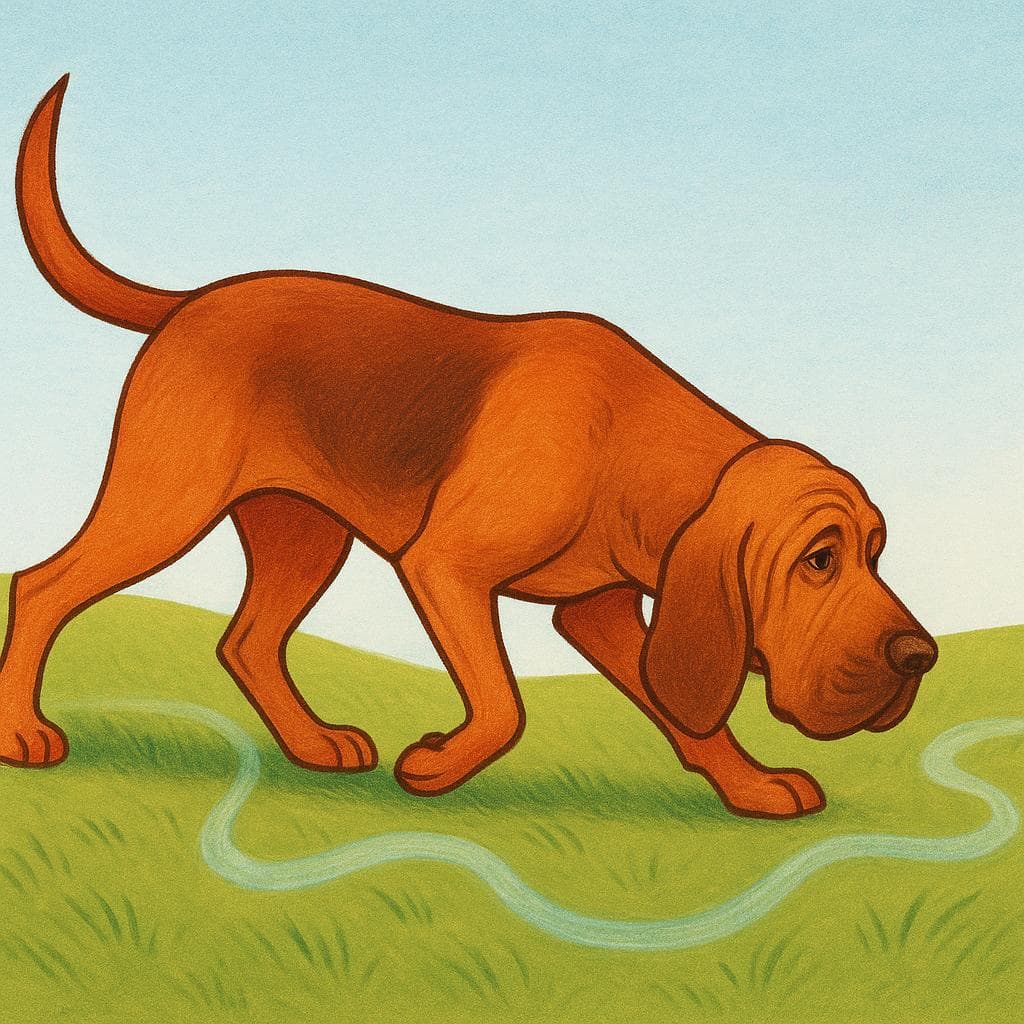

trace, trackAlso: trail, sign

📝 In Action
No dejó ningún rastro de su visita.
A2He didn't leave any trace of his visit.
Los excursionistas siguieron el rastro de las huellas en la nieve.
B1The hikers followed the track of the footprints in the snow.
El rastro de neumáticos era muy claro en el barro.
A2The tire track was very clear in the mud.
Word Connections
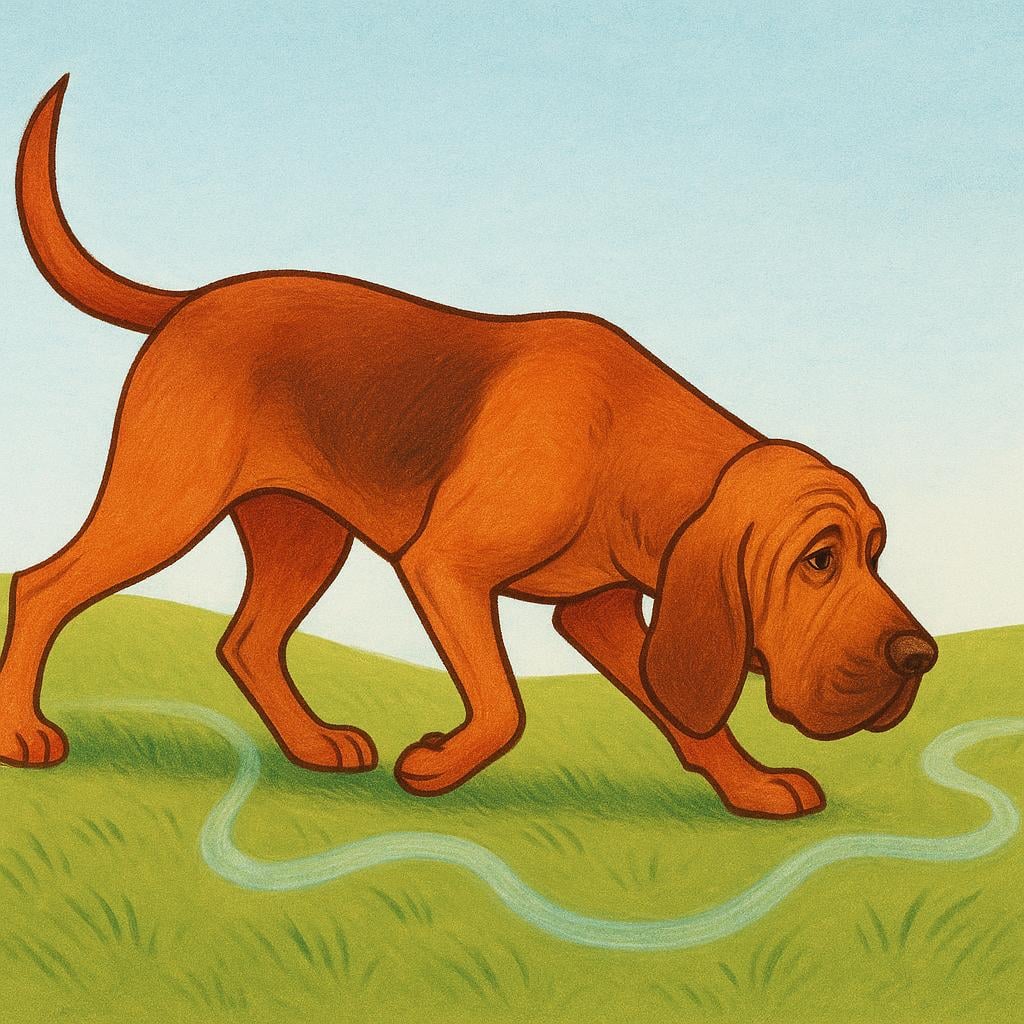
scent, smellAlso: trail
📝 In Action
El perro olfateó el rastro del conejo.
B1The dog sniffed the rabbit's scent.
Aún queda un rastro de humo en la habitación.
B2There is still a trace/smell of smoke left in the room.
Word Connections
flea marketAlso: second-hand market

📝 In Action
Pasamos la mañana buscando gangas en el rastro.
B1We spent the morning looking for bargains at the flea market.
El Rastro de Madrid es famoso mundialmente.
B1The Rastro of Madrid (a famous flea market) is world-famous.
Word Connections
Translate to Spanish
Words that translate to "rastro" in Spanish:
✏️ Quick Practice
Quick Quiz: rastro
Question 1 of 2
Which sentence uses 'rastro' to mean 'flea market'?
📚 More Resources
🎵 Rhymes
📚 Etymology
The word comes from the Latin *rastrum*, which originally meant 'rake' or 'harrow'—a tool used to scrape the ground. This connection explains why 'rastro' refers to the mark or trail left behind when something drags across a surface.
First recorded: 13th century
Cognates (Related words)
💡 Master Spanish
Take your Spanish to the next level. Read 200+ illustrated and narrated Spanish stories tailored to your level with the Inklingo app!
Frequently Asked Questions
Is 'rastro' the same as 'huella'?
Not exactly. 'Huella' is a specific, individual mark, like a footprint or fingerprint. 'Rastro' is a more general term for the whole trail, series of signs, or overall evidence left behind.
Can 'rastro' be used for a bad smell?
Yes, it often refers to a strong, lingering smell, sometimes unpleasant, like the 'rastro' of sulfur or smoke.