How to Say "marks" in Spanish
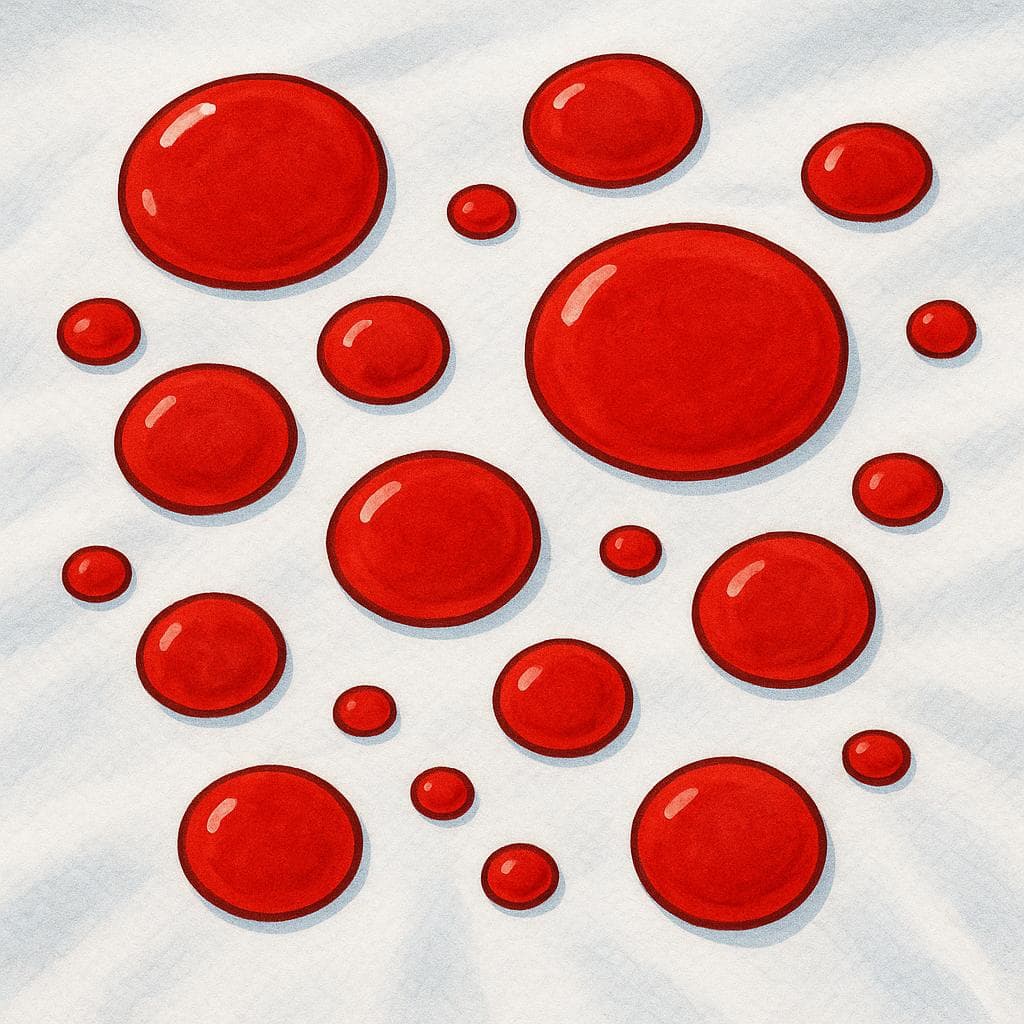
The most common Spanish word for “marks” is “manchas” — use 'manchas' for general discolorations, smudges, or spots on a surface, like dirt or ink.

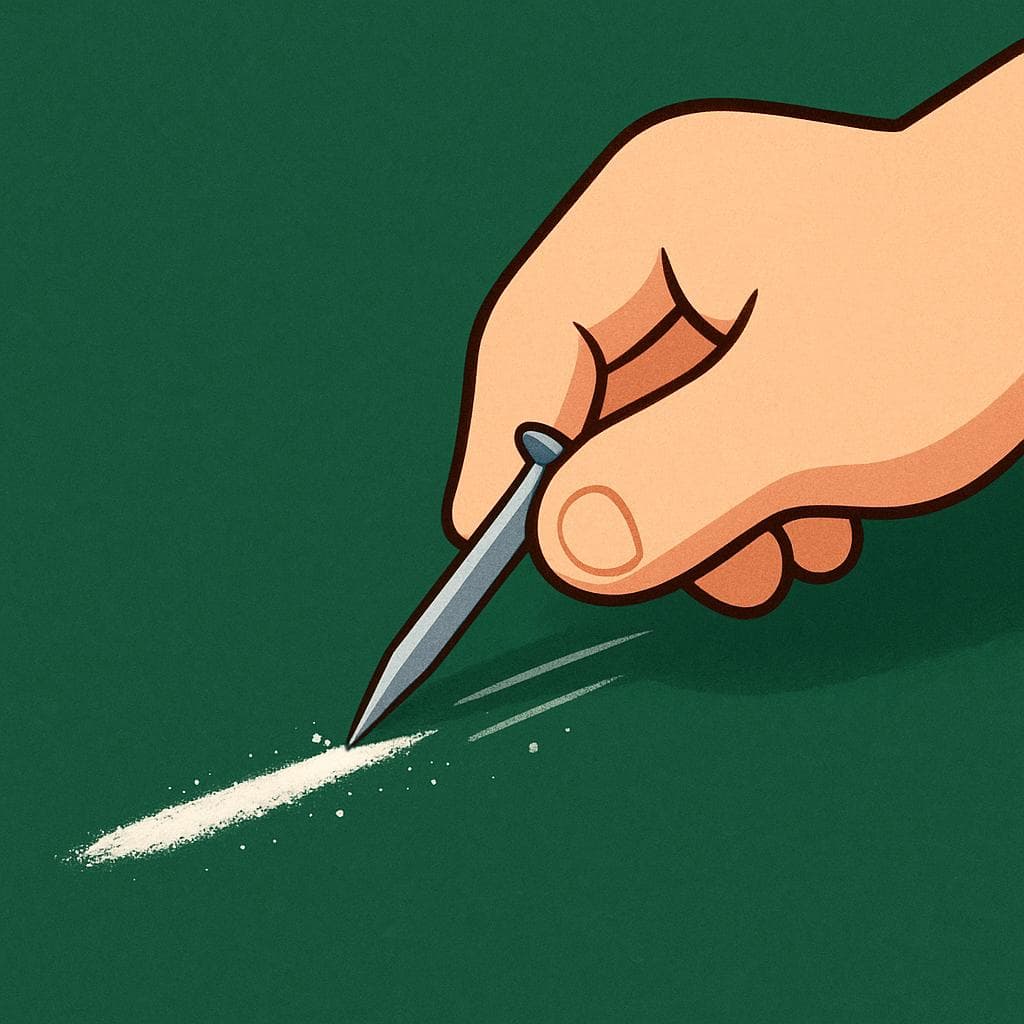
manchas
MAHN-chasˈman.tʃas
Examples
Hay muchas manchas de café en mi camisa nueva.
There are many coffee stains on my new shirt.
El dálmata tiene muchas manchas negras.
The Dalmatian has many black spots.
Necesito un producto que quite las manchas difíciles.
I need a product that removes tough stains.
Gender Reminder
Remember that 'mancha' is a feminine word, so when you use it in plural ('manchas'), any words describing it must also be feminine plural (e.g., 'manchas oscuras' - dark spots).
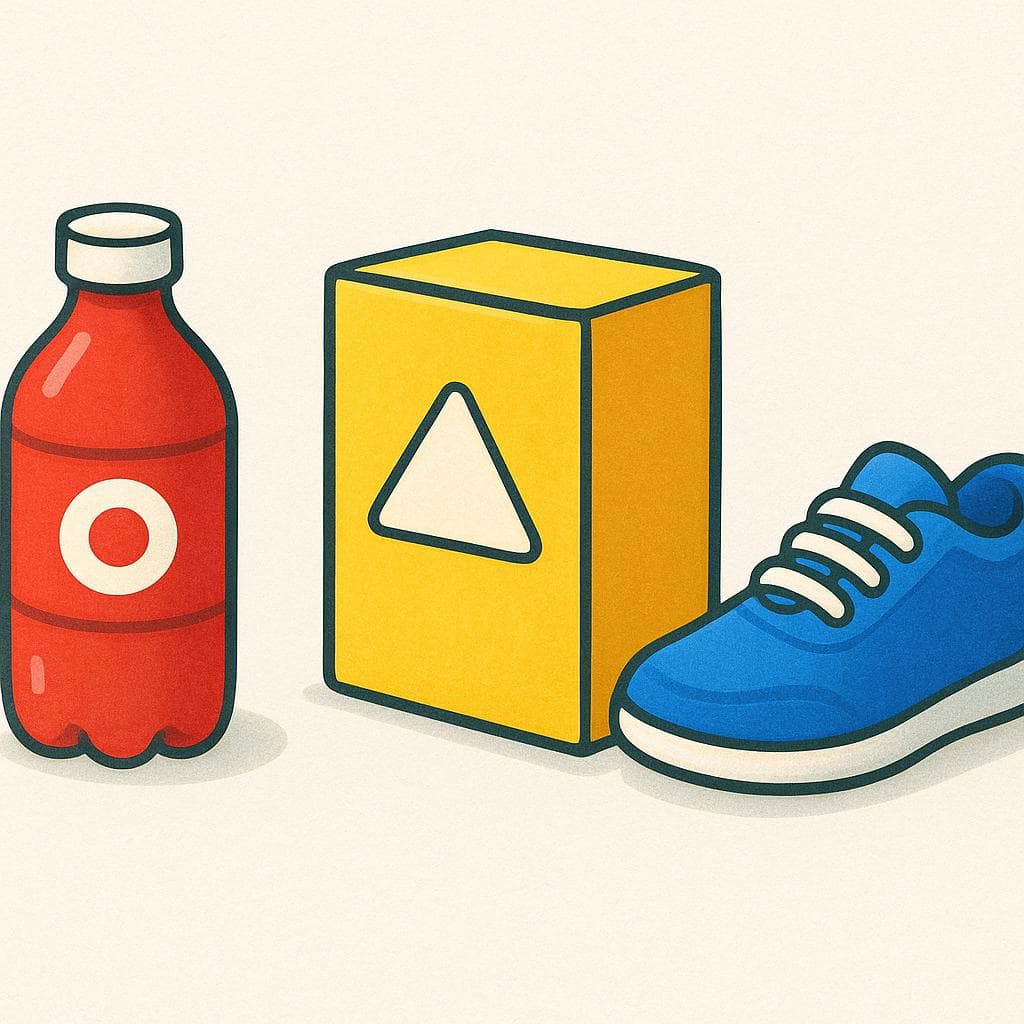
marcas
MAHR-kahsˈmaɾkas
Examples
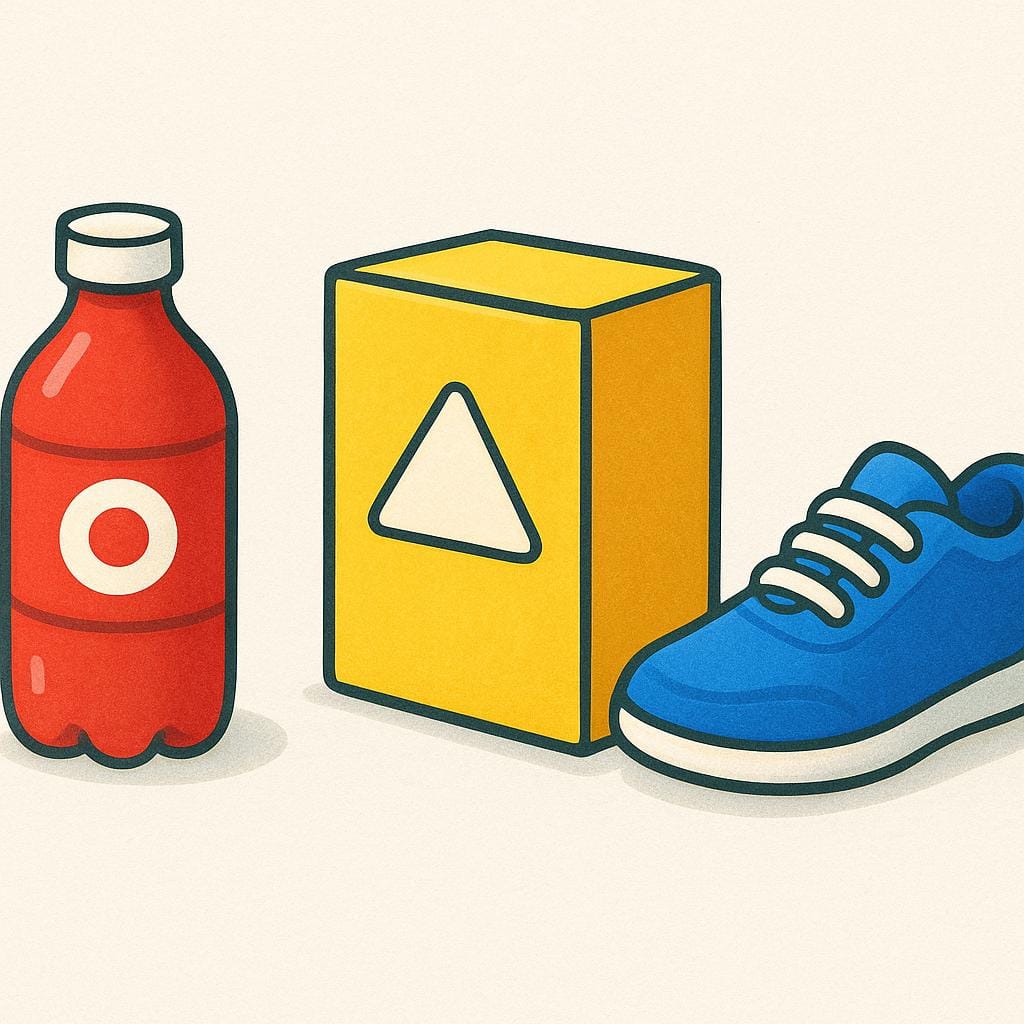
Hay muchas marcas de coches en el mundo.
There are many car brands in the world.
Las marcas de zapatos se borraron de la arena.
The shoe marks were erased from the sand.
El equipo rompió todas las marcas en la natación.
The team broke all the records (marks) in swimming.
Gender and Number
As the plural form of the feminine noun 'marca,' you must use feminine articles and adjectives with it (e.g., 'las buenas marcas').
Confusing Noun and Verb
Mistake: “Using 'marcas' (noun) when the verb 'tú marcas' is needed in a sentence.”
Correction: Remember the noun usually needs an article (las marcas), while the verb does not (tú marcas).
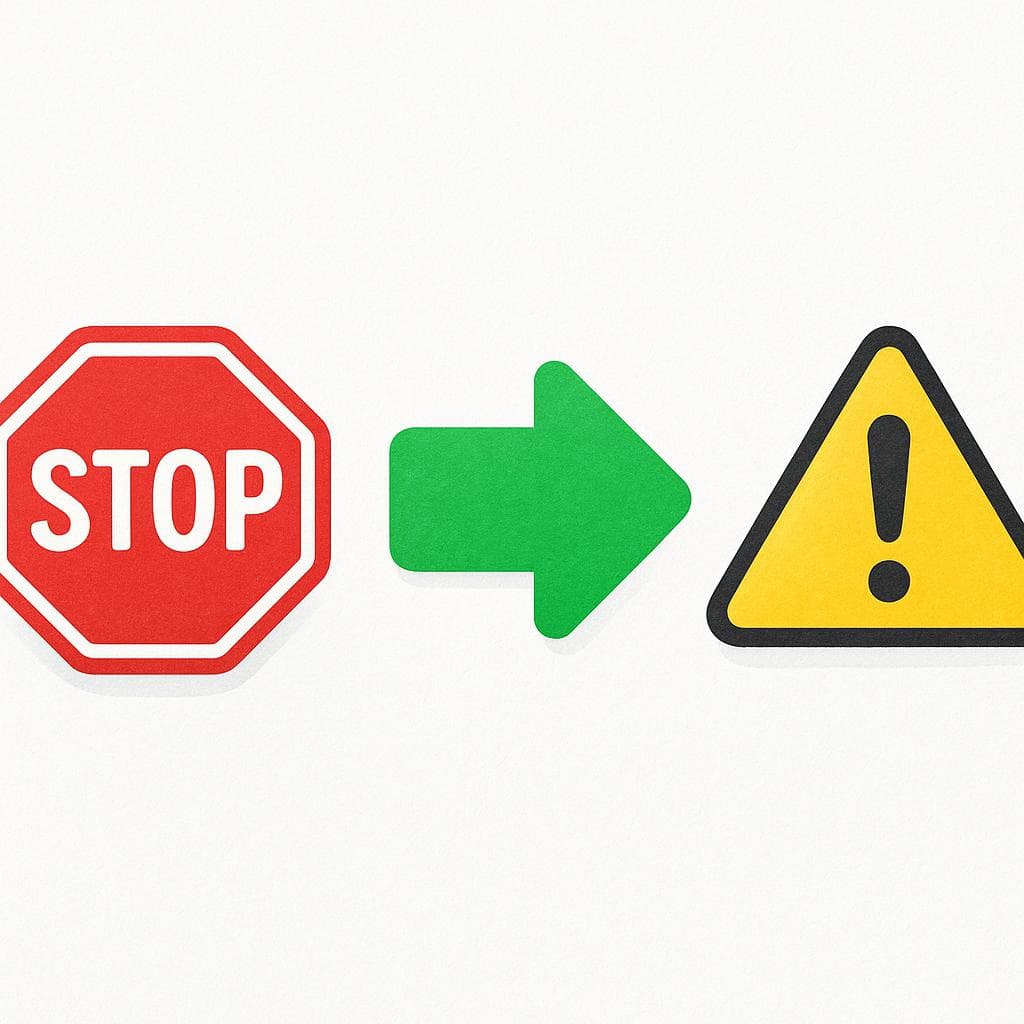
señales
Examples
Hay muchas señales de tráfico en esta calle.
There are many traffic signs on this street.
puntos
POON-tohsˈpuntos
Examples
Necesitas diez puntos más para ganar el partido.
You need ten more points to win the game.
Todos los puntos importantes están marcados en el mapa.
All the important points are marked on the map.
En matemáticas, una línea está formada por infinitos puntos.
In mathematics, a line is formed by infinite points (dots).
Masculine Plural
Since the singular form 'punto' is masculine, the plural 'puntos' always takes masculine articles and adjectives (e.g., 'los puntos,' 'unos puntos altos').
signos
SEEG-nohsˈsiɣnos
Examples
Necesitas poner los signos de puntuación correctos.
You need to put the correct punctuation marks.
Los signos más y menos son muy importantes en matemáticas.
The plus and minus signs are very important in mathematics.
Masculine Plural
Remember that 'signos' is a masculine word, so any descriptive words (adjectives) used with it must also be masculine and plural (e.g., 'los signos claros').
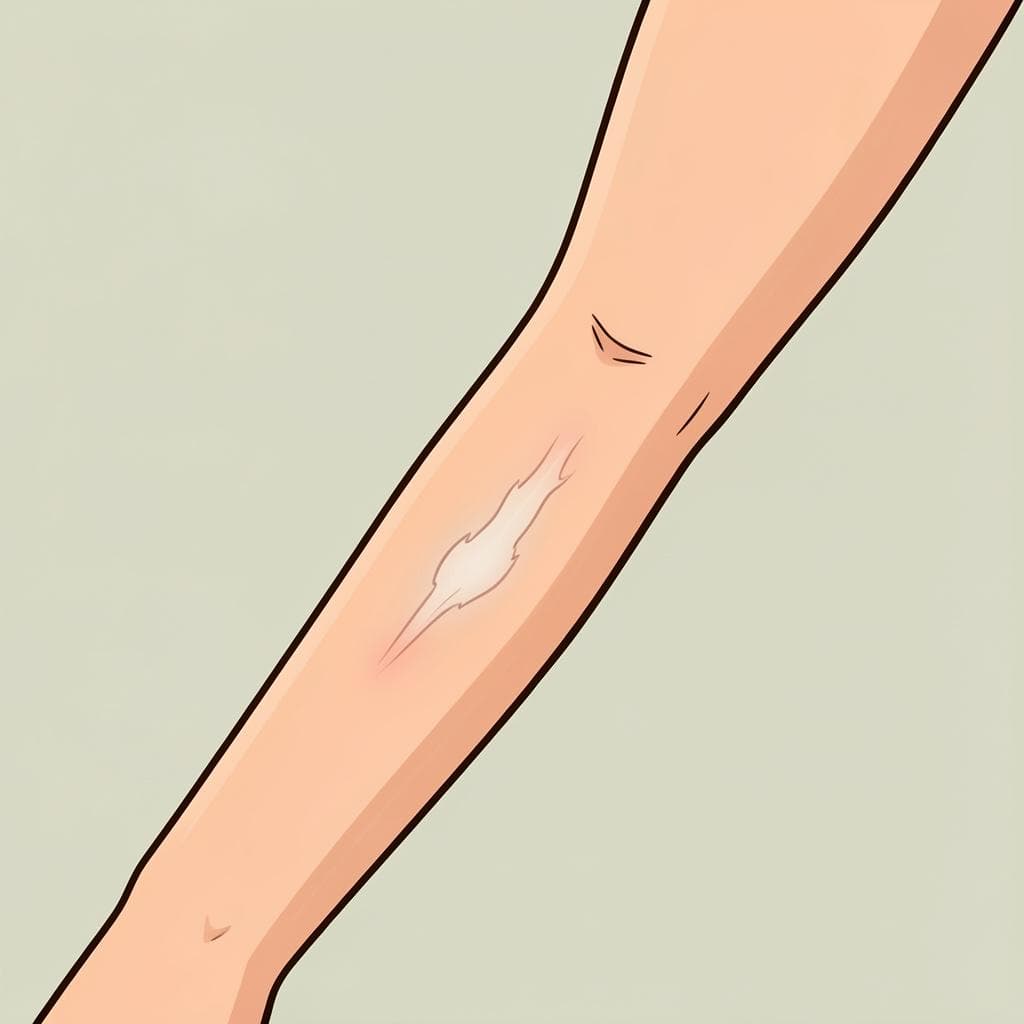
cicatrices
see-kah-TREE-sehssikaˈtɾises
Examples
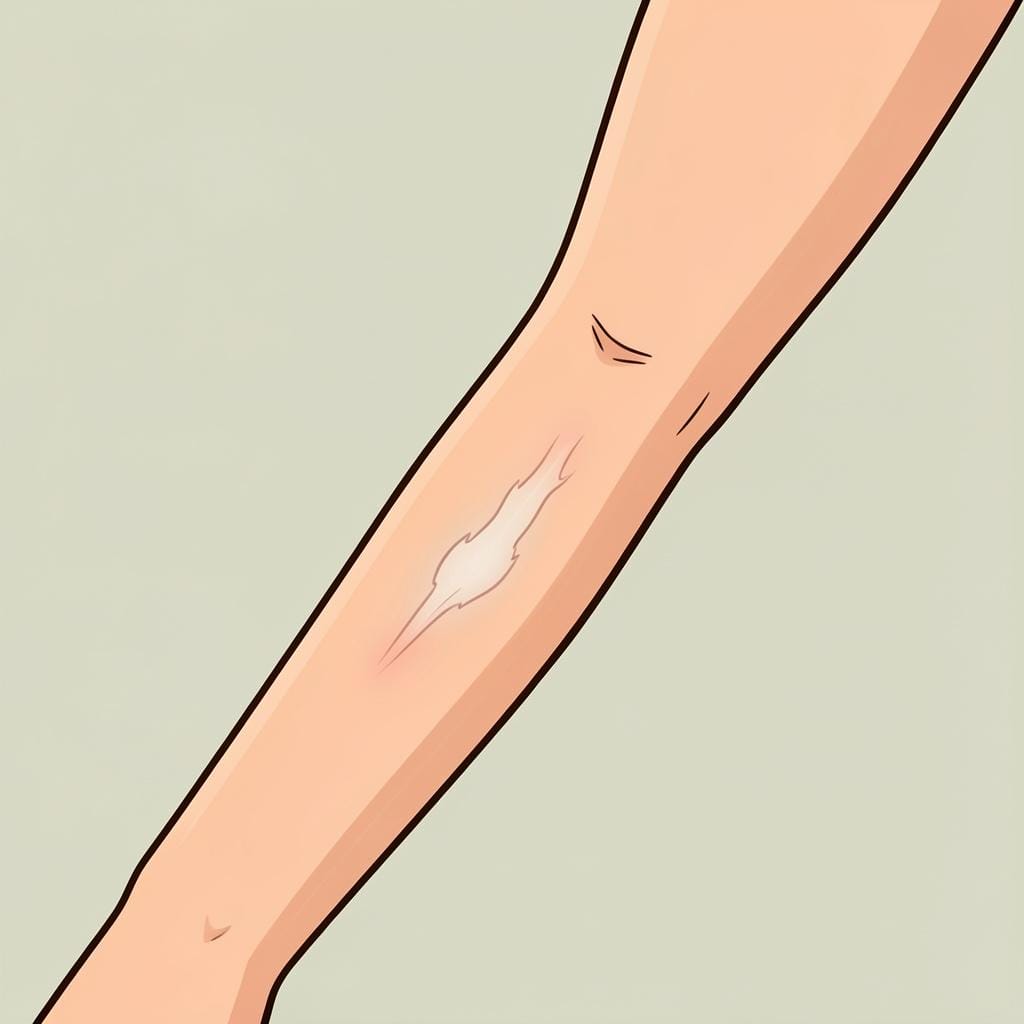
Las cicatrices de la cirugía son casi invisibles ahora.
The scars from the surgery are almost invisible now.
El guerrero tenía muchas cicatrices en los brazos.
The warrior had many scars on his arms.
The Z to C Spelling Change
In Spanish, when a word ends in 'z' (like the singular 'cicatriz'), the 'z' always changes to a 'c' before adding '-es' to make it plural.
Spelling Error
Mistake: “cicatrizes”
Correction: cicatrices
raya
RRAH-yahˈra.ʝa
Examples
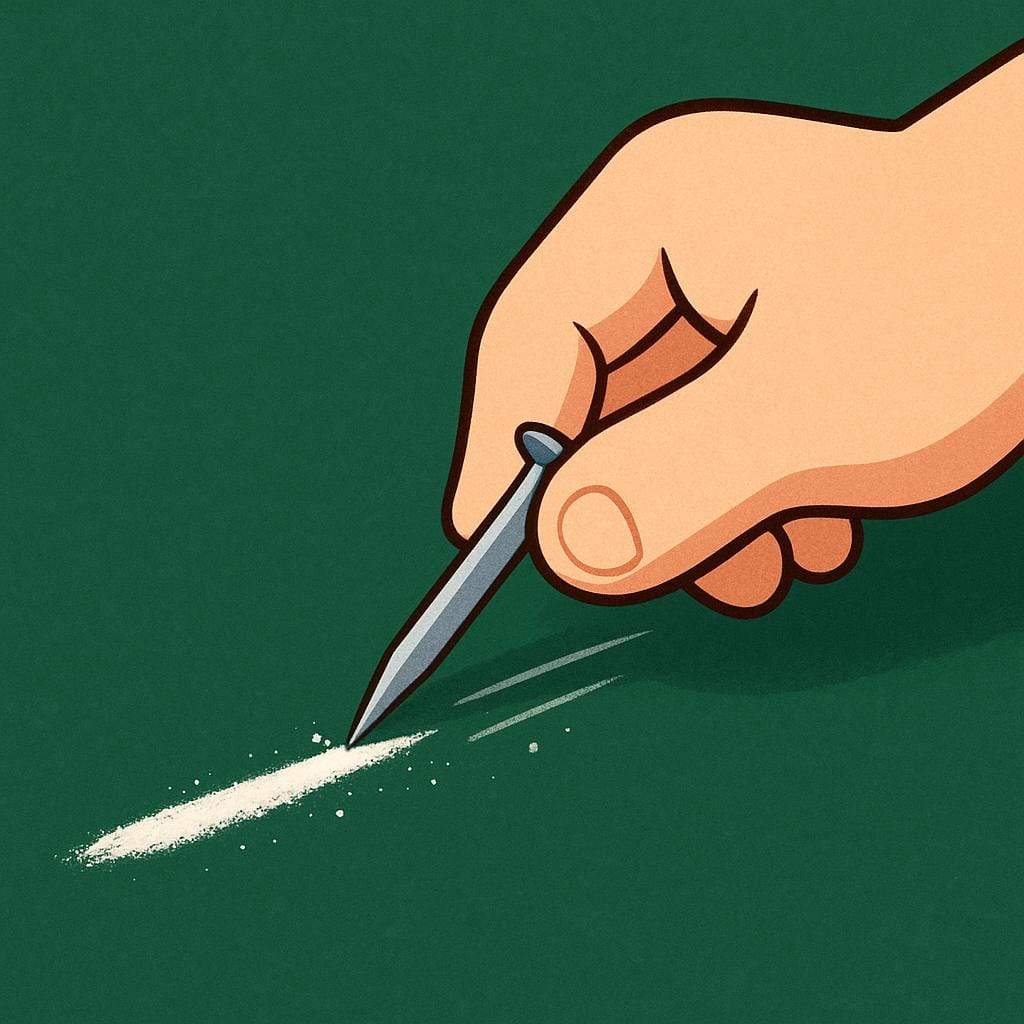
El lápiz raya la pared accidentalmente.
The pencil scratches the wall accidentally.
Si el carro raya la pintura, será caro.
If the car scratches the paint, it will be expensive.
¡Raya la zanahoria!
Grate the carrot! (Tú command)
Homophone Alert
'Raya' (the verb form) sounds exactly like 'raya' (the noun). Pay attention to the surrounding words to know if it's an action or a thing.
General Marks vs. Specific Signs
Related Translations
Learn Spanish with Inklingo
Interactive stories, personalized learning, and more.