cicatrices
“cicatrices” means “scars” in Spanish. It has 2 different meanings depending on context:
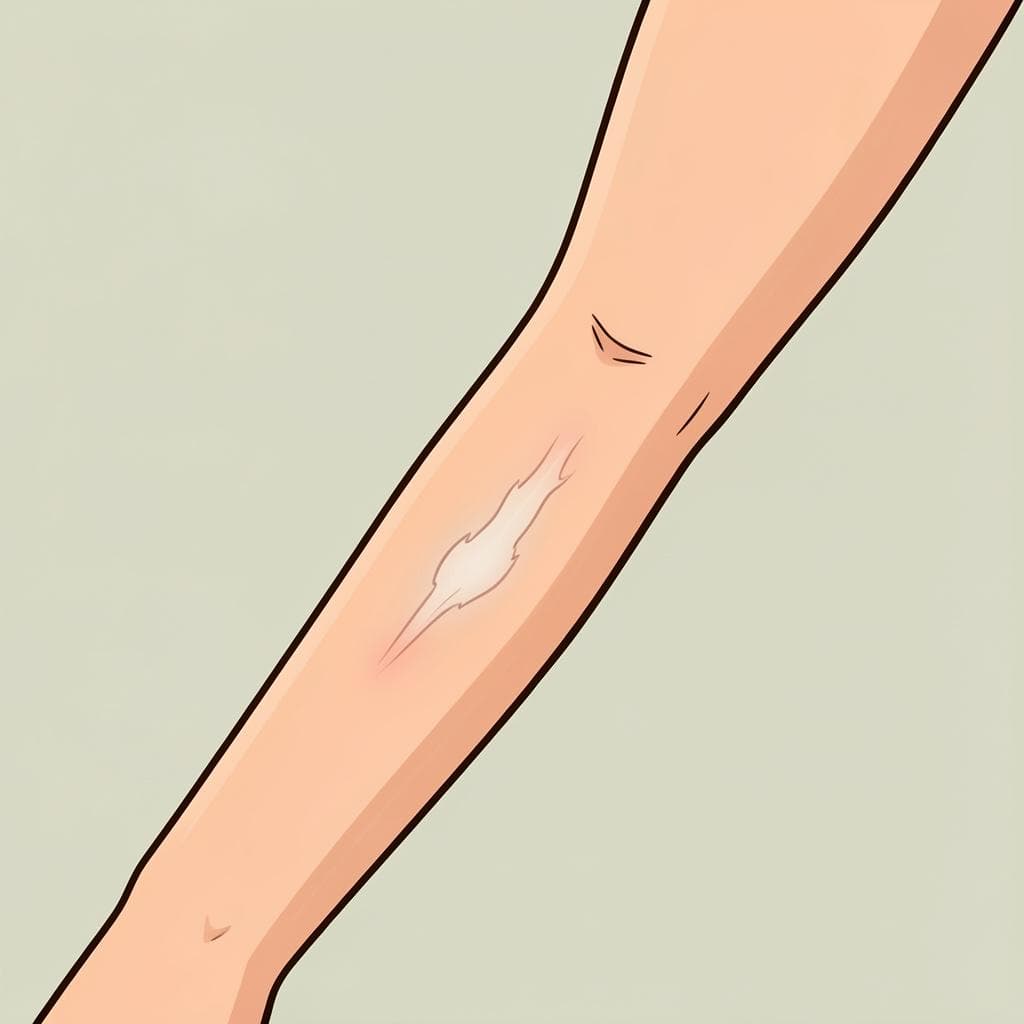
scars
Also: marks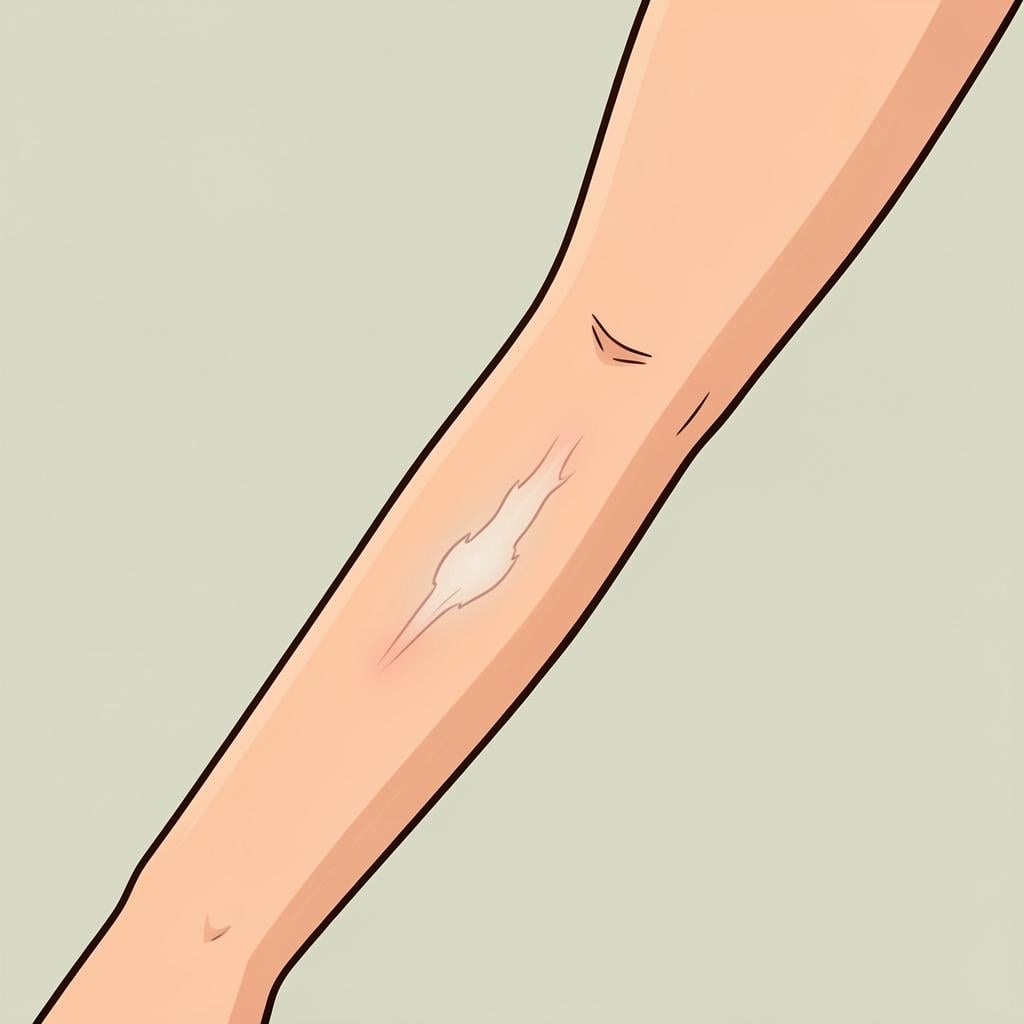
📝 In Action
Las cicatrices de la cirugía son casi invisibles ahora.
B1The scars from the surgery are almost invisible now.
El guerrero tenía muchas cicatrices en los brazos.
A2The warrior had many scars on his arms.
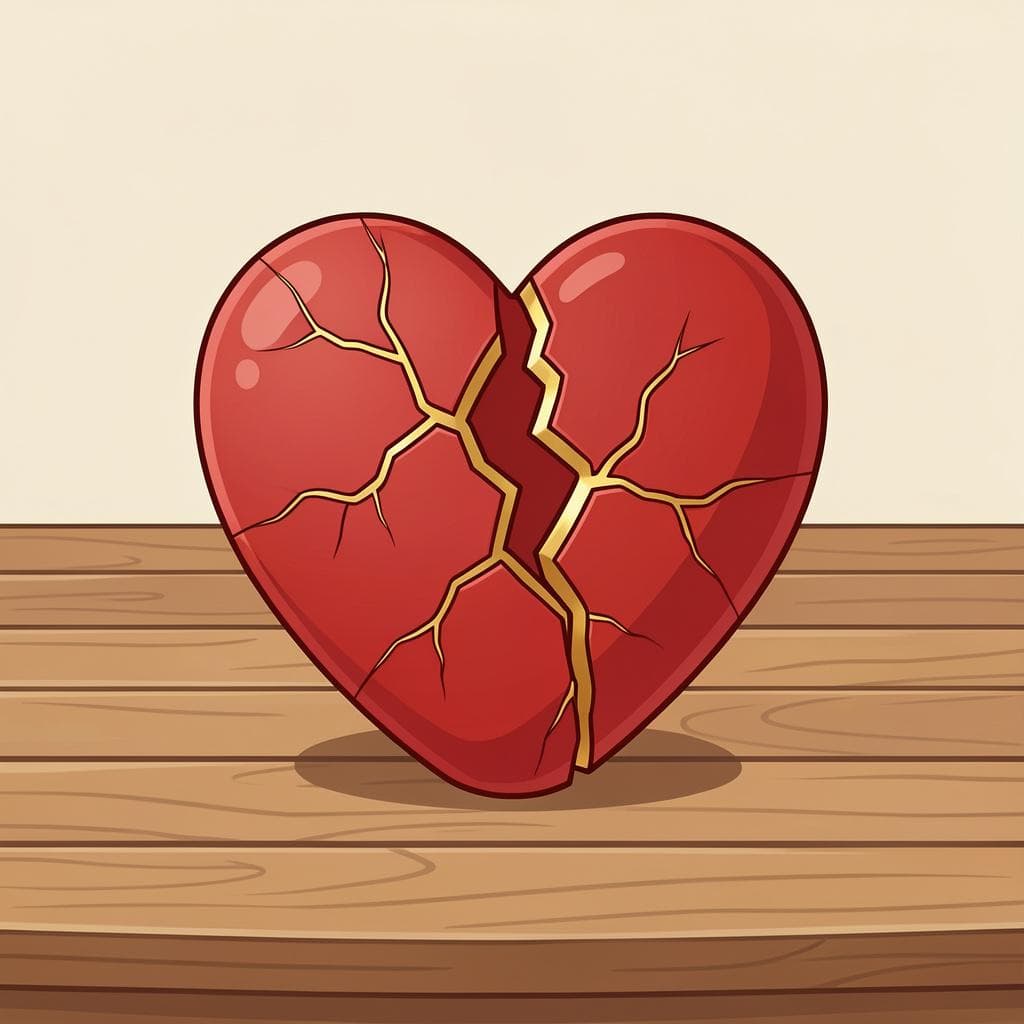
emotional scars
Also: vestiges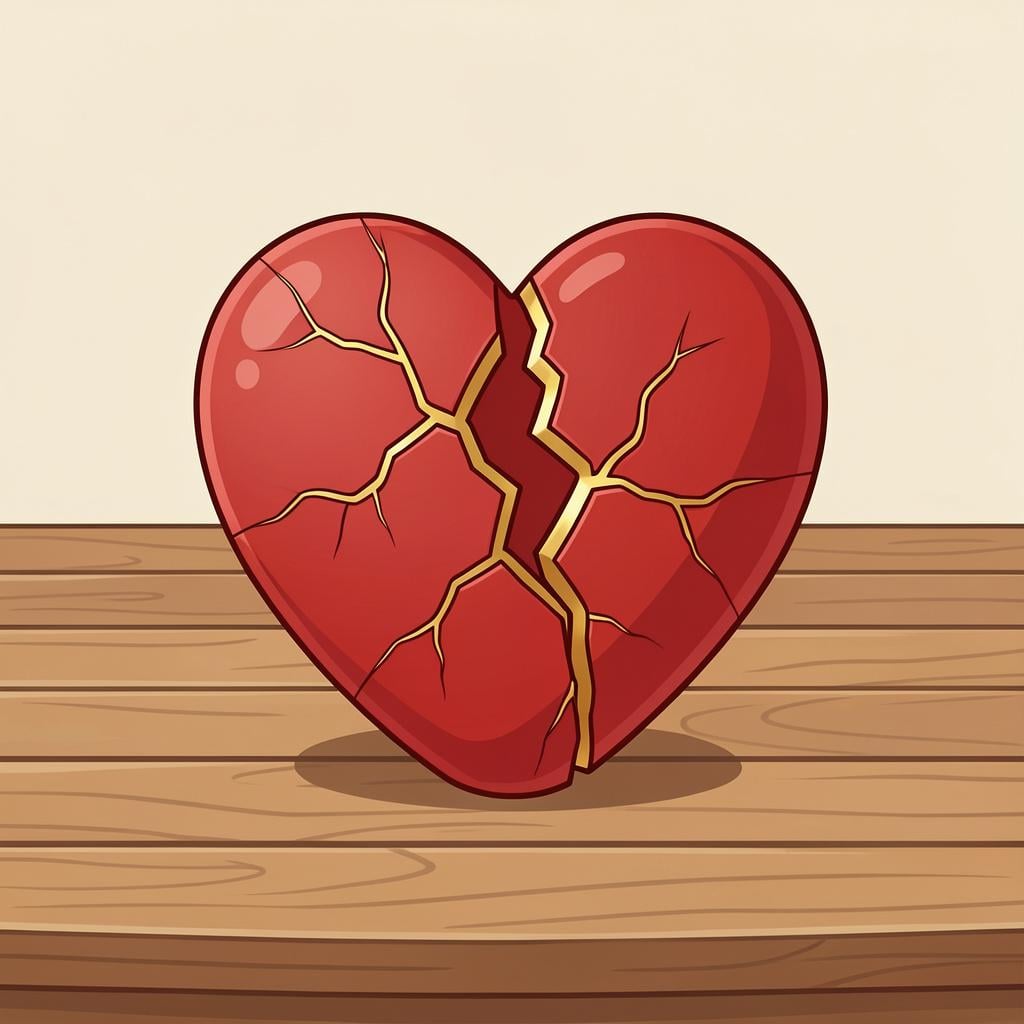
📝 In Action
Las cicatrices del alma tardan más en sanar.
B2The scars of the soul take longer to heal.
Esa mala experiencia le dejó cicatrices emocionales.
B1That bad experience left him with emotional scars.
Translate to Spanish
✏️ Quick Practice
Quick Quiz: cicatrices
Question 1 of 2
Which is the correct singular form of 'cicatrices'?
📚 More Resources
👥 Word Family▼
🎵 Rhymes▼
📚 Etymology▼
From the Latin 'cicatrix', which also meant a scar or a mark on a plant.
First recorded: 13th century
Cognates (Related words)
💡 Master Spanish
Take your Spanish to the next level. Read 200+ illustrated and narrated Spanish stories tailored to your level with the Inklingo app!
Frequently Asked Questions
Is it 'los cicatrices' or 'las cicatrices'?
It is 'las cicatrices'. The word is feminine because its singular form 'cicatriz' is feminine.
How do you say 'it left me scars'?
You would say 'me dejó cicatrices'.