manchas
“manchas” means “stains” in Spanish. It has 2 different meanings depending on context:
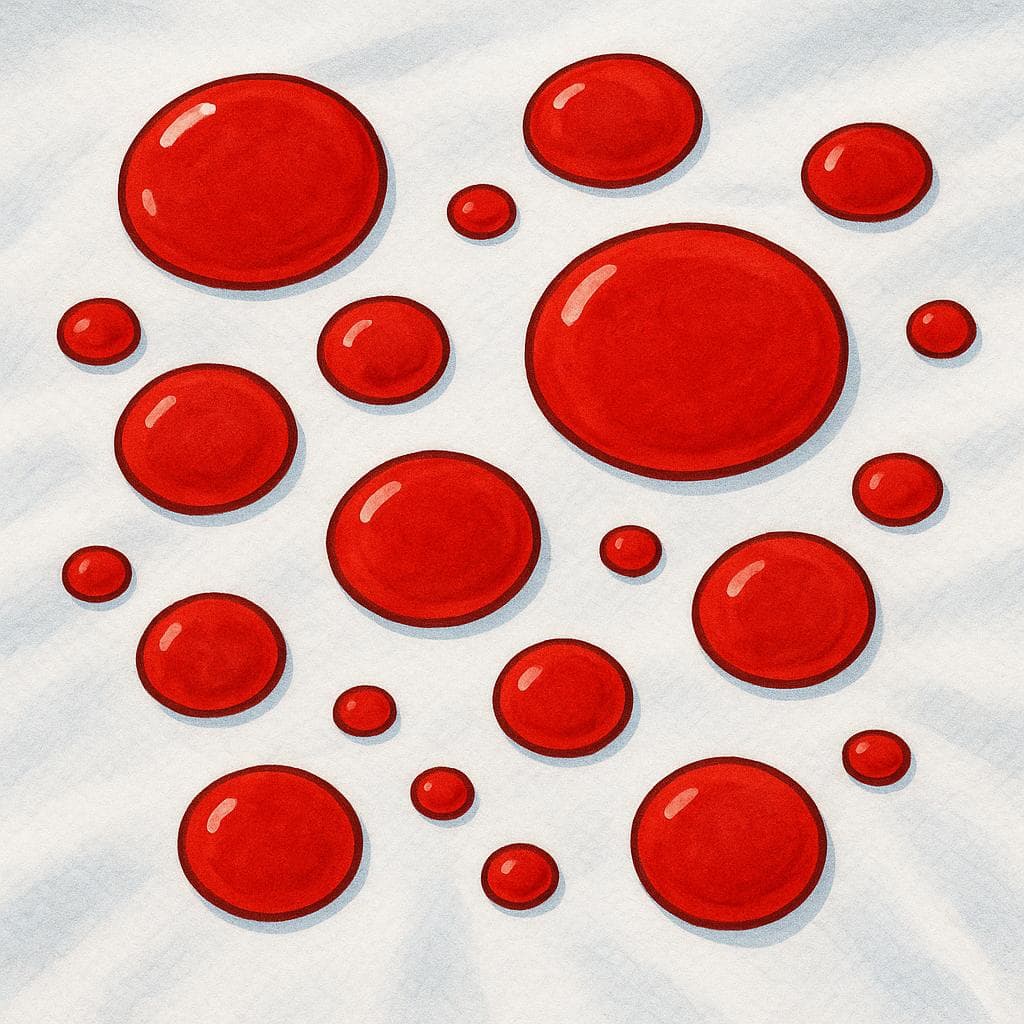

stains, spots
Also: marks, patches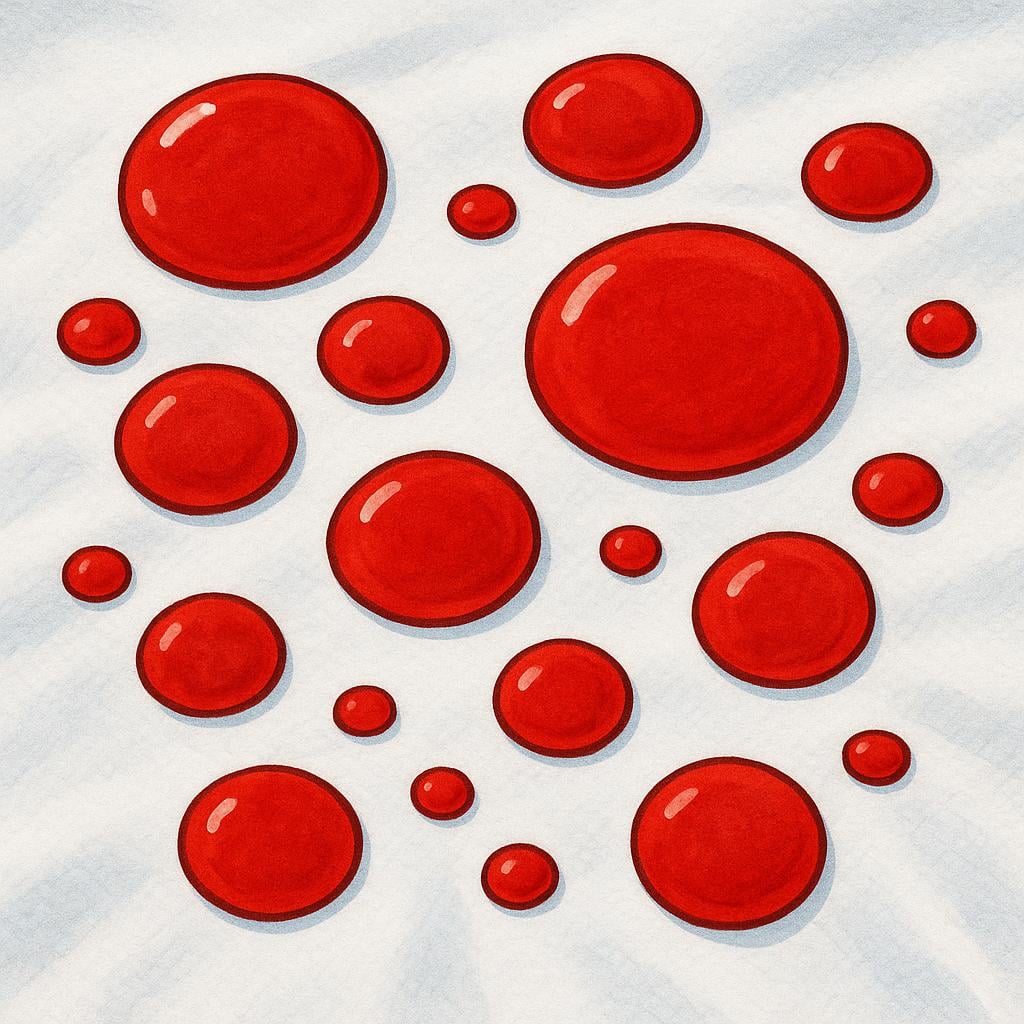
📝 In Action
Hay muchas manchas de café en mi camisa nueva.
A1There are many coffee stains on my new shirt.
El dálmata tiene muchas manchas negras.
A2The Dalmatian has many black spots.
Necesito un producto que quite las manchas difíciles.
B1I need a product that removes tough stains.
you stain, you are staining

📝 In Action
Si no cierras la pintura, la derramas y manchas todo.
A2If you don't close the paint, you spill it and stain everything.
¿Por qué manchas el mantel con tu salsa?
B1Why are you staining the tablecloth with your sauce?
Indicative
Present
Imperfect
Preterite
Subjunctive
Present Subjunctive
Imperfect Subjunctive
Translate to Spanish
✏️ Quick Practice
Quick Quiz: manchas
Question 1 of 2
Which sentence uses 'manchas' as a verb?
📚 More Resources
👥 Word Family▼
🎵 Rhymes▼
📚 Etymology▼
This word comes from the Old Spanish word 'mancha', which itself likely has roots in Germanic languages, referring generally to a 'spot' or 'defect'.
First recorded: Medieval Spanish
Cognates (Related words)
💡 Master Spanish
Take your Spanish to the next level. Read 200+ illustrated and narrated Spanish stories tailored to your level with the Inklingo app!
Frequently Asked Questions
How do I distinguish between 'manchas' (noun) and 'manchas' (verb)?
If 'manchas' is used with the subject 'tú' (you), it's the verb form ('you stain'). If it has words like 'las' or 'muchas' in front of it, or if it refers to an object or thing, it is the plural noun ('the stains').
Does 'manchas' only refer to dirt?
No! While it often means a stain (dirt), it also refers to natural spots or patches, like sunspots on the skin, spots on an animal's fur, or even patches of color on a map.