How to Say "spoiled" in Spanish
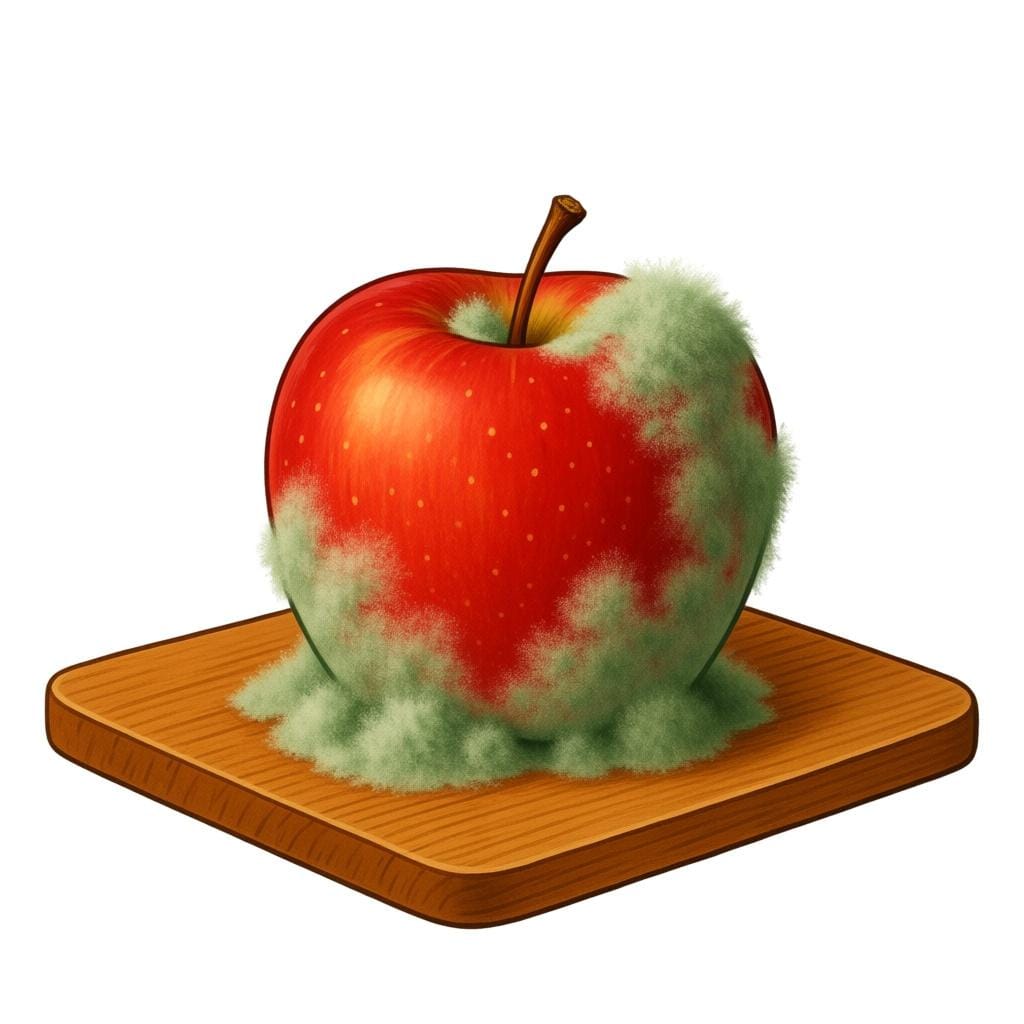
The most common Spanish word for “spoiled” is “malo” — use 'malo' for food that has gone bad and is no longer edible, often implying a strong sense of being 'bad' or unpleasant.
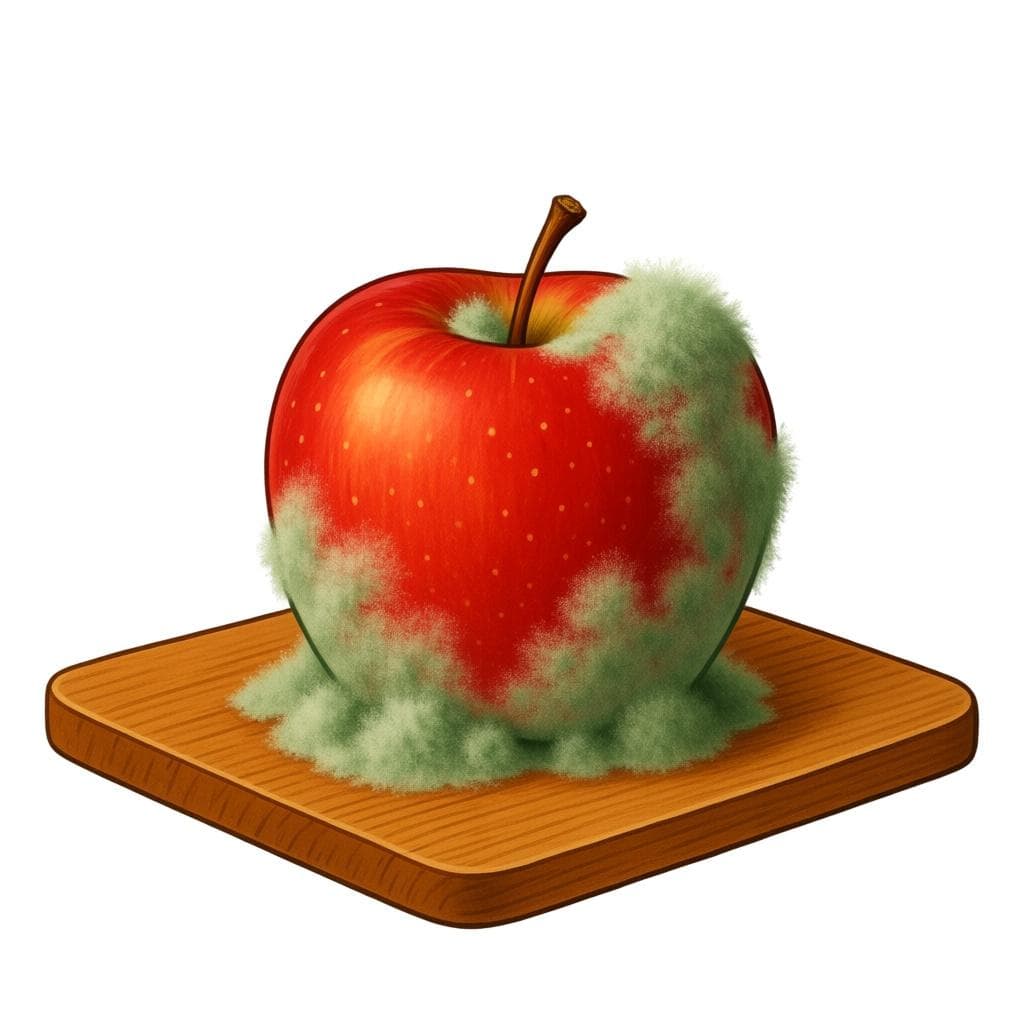

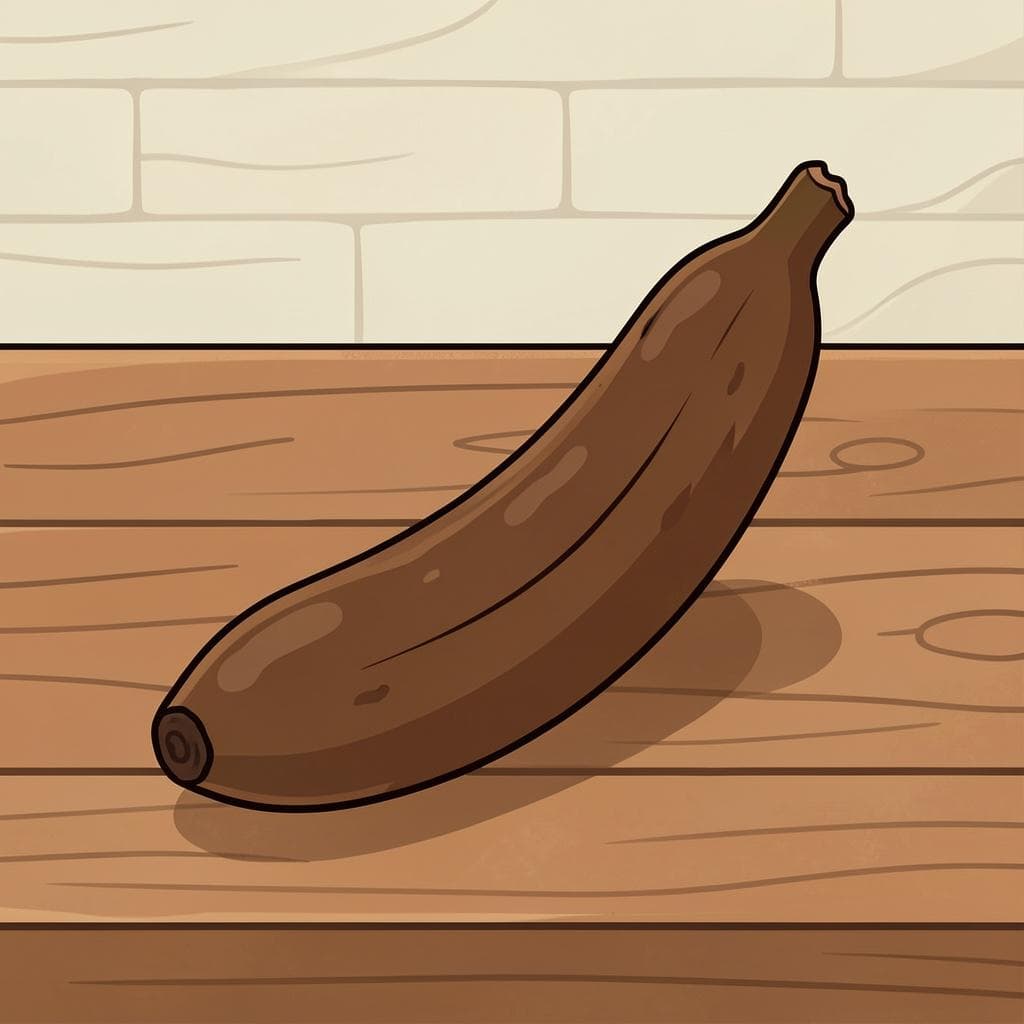


malo
MAH-loh'malo
Examples
El pescado huele muy malo, no lo comas.
The fish smells very bad; don't eat it.
El villano de la historia es un hombre muy malo.
The villain of the story is a very evil man.
No comas ese pollo, está malo.
Don't eat that chicken, it's spoiled.
Me siento un poco malo hoy, creo que tengo fiebre.
I feel a little sick today, I think I have a fever.
Using 'ser' vs. 'estar'
'Ser malo' describes a permanent quality, like a person's character ('Él es malo' - He is an evil person). 'Estar malo' describes a temporary state, like spoiled food ('La leche está mala') or being sick ('Estoy malo').
Mixing up 'ser' and 'estar'
Mistake: “La sopa es mala.”
Correction: La sopa está mala. If you mean the soup has gone bad, use 'estar'. Saying 'es mala' suggests the recipe itself is fundamentally bad.
agrio
ah-gree-ohˈa.ɣɾjo

Examples
Esta leche está agria, tenemos que tirarla.
This milk is sour; we have to throw it away.
No me gusta este limón porque es muy agrio.
I don't like this lemon because it is very sour.
Huele la leche; creo que está agria.
Smell the milk; I think it is spoiled.
Las manzanas verdes tienen un sabor agrio que me encanta.
Green apples have a tart taste that I love.
Using 'Ser' vs 'Estar'
Use 'ser' when a food is naturally sour (like a lemon). Use 'estar' when food has turned sour because it's gone bad (like milk).
Matching Gender
Remember to change the ending to 'agria' if you are describing a word that is feminine, like 'la manzana' (the apple) or 'la leche' (the milk).
Agrio vs. Amargo
Mistake: “El café sin azúcar es muy agrio.”
Correction: El café sin azúcar es muy amargo.
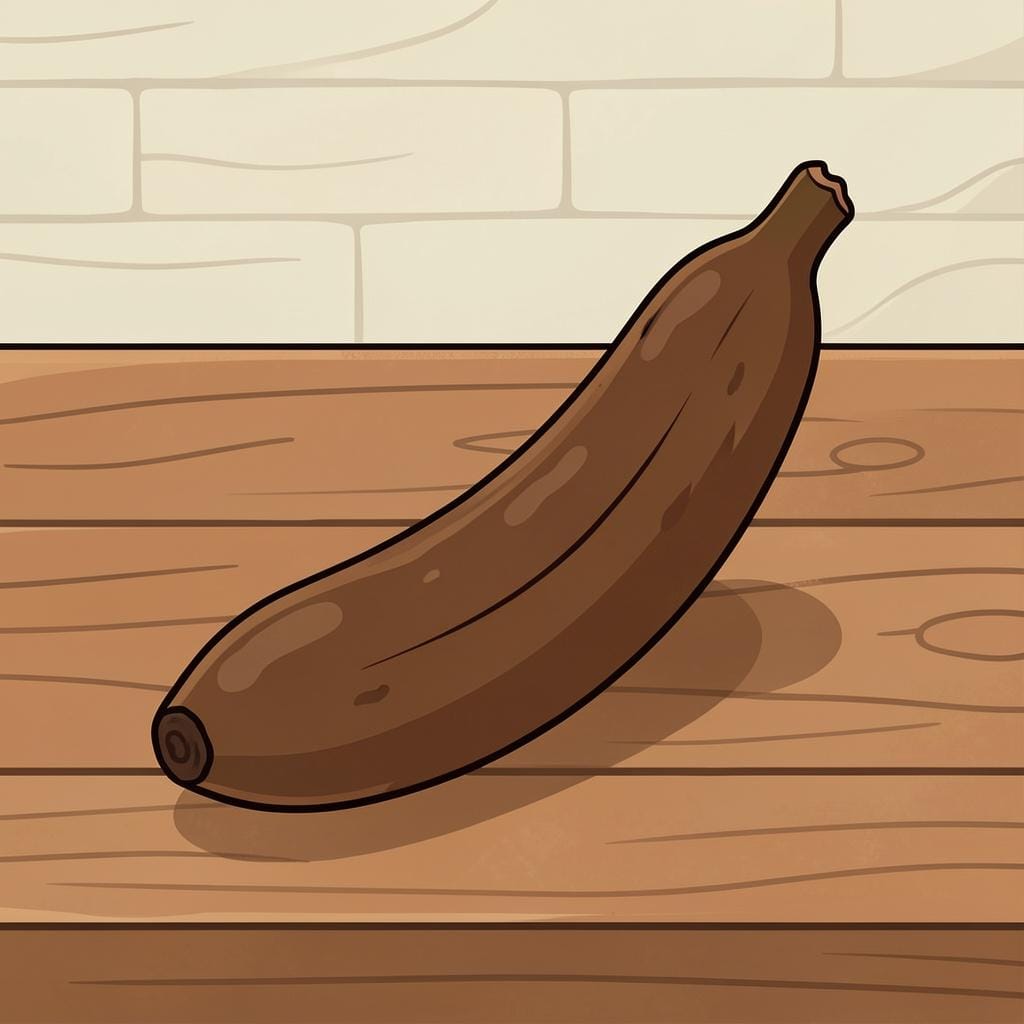
estropeado
es-tro-peh-AH-dohestɾopeˈaðo
Examples
La carne parece estropeada, mejor no la cocinamos.
The meat looks spoiled; let's not cook it.
No bebas esa leche, parece que está estropeada.
Don't drink that milk; it looks like it's gone bad.
El calor ha estropeado toda la fruta del frutero.
The heat has spoiled all the fruit in the bowl.
dañado
Examples
El queso está dañado por el calor.
The cheese is damaged by the heat.
arruinó
Examples
El retraso del vuelo arruinó nuestras vacaciones.
The flight delay spoiled our vacation.
caprichoso
ka-pree-CHOH-sohka.pɾiˈt͡ʃo.so

Examples
Es un niño muy caprichoso y siempre quiere juguetes nuevos.
He is a very spoiled child and always wants new toys.
Mi hermano pequeño es muy caprichoso con la comida.
My little brother is very picky and unpredictable with food.
No seas caprichosa, no podemos comprar todo lo que ves.
Don't be so impulsive; we can't buy everything you see.
El destino es caprichoso y nos volvió a reunir.
Fate is unpredictable and brought us together again.
Matching the Person
Remember to change the ending to 'caprichosa' if you are talking about a woman or a girl, and use 'caprichosos/as' for groups.
Choosing the right 'to be'
Use 'ser' if being whimsical is part of someone's personality. Use 'estar' if they are just acting that way right now.
Using it only for people
Mistake: “Only using 'caprichoso' for spoiled children.”
Correction: You can also use it for nature or inanimate objects that act in unpredictable ways, like the wind or the sea.
alterado
al-te-RAH-dohalteˈɾaðo

Examples
La comida en el restaurante estaba alterada.
The food at the restaurant was tampered with/spoiled.
La policía cree que el documento fue alterado.
The police believe the document was tampered with.
No comas eso, el producto parece alterado.
Don't eat that, the product looks spoiled.
Food spoilage confusion: malo, agrio, estropeado, dañado
Learn Spanish with Inklingo
Interactive stories, personalized learning, and more.