abra
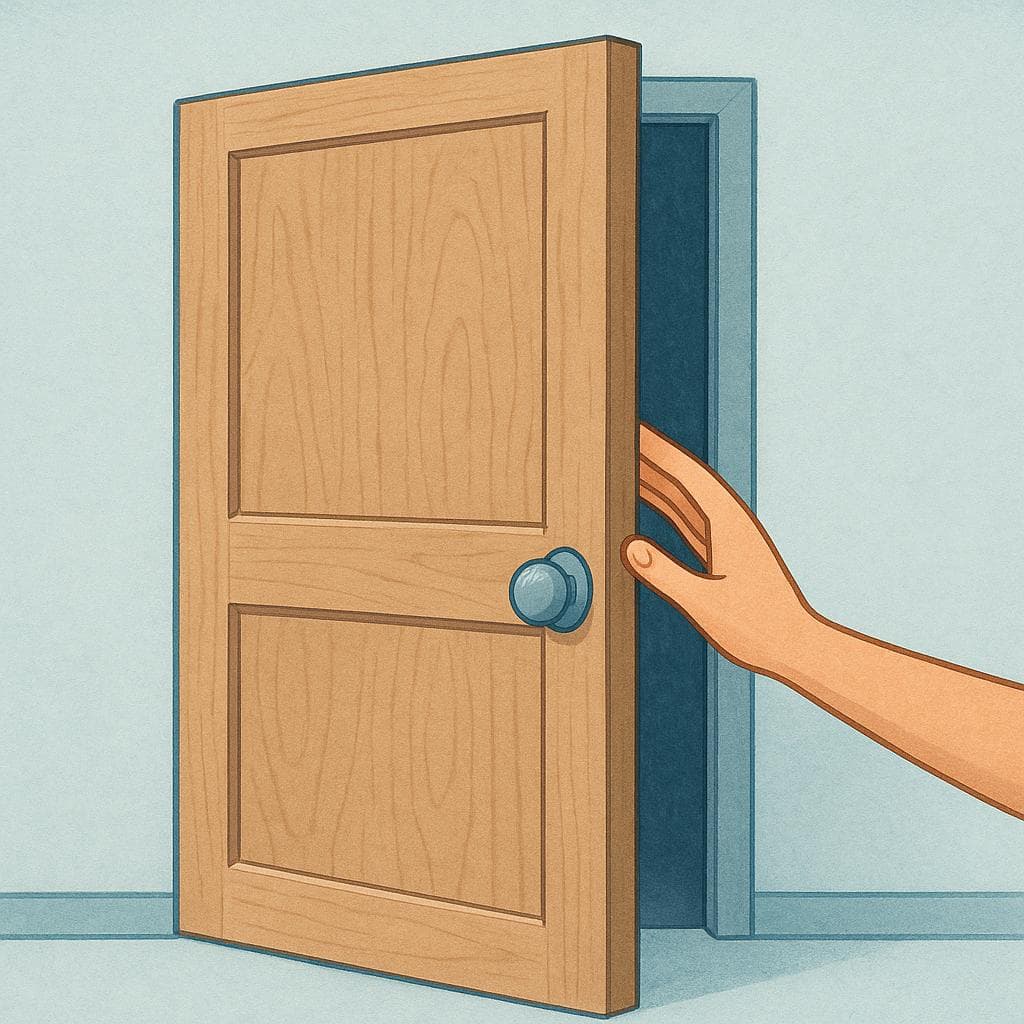
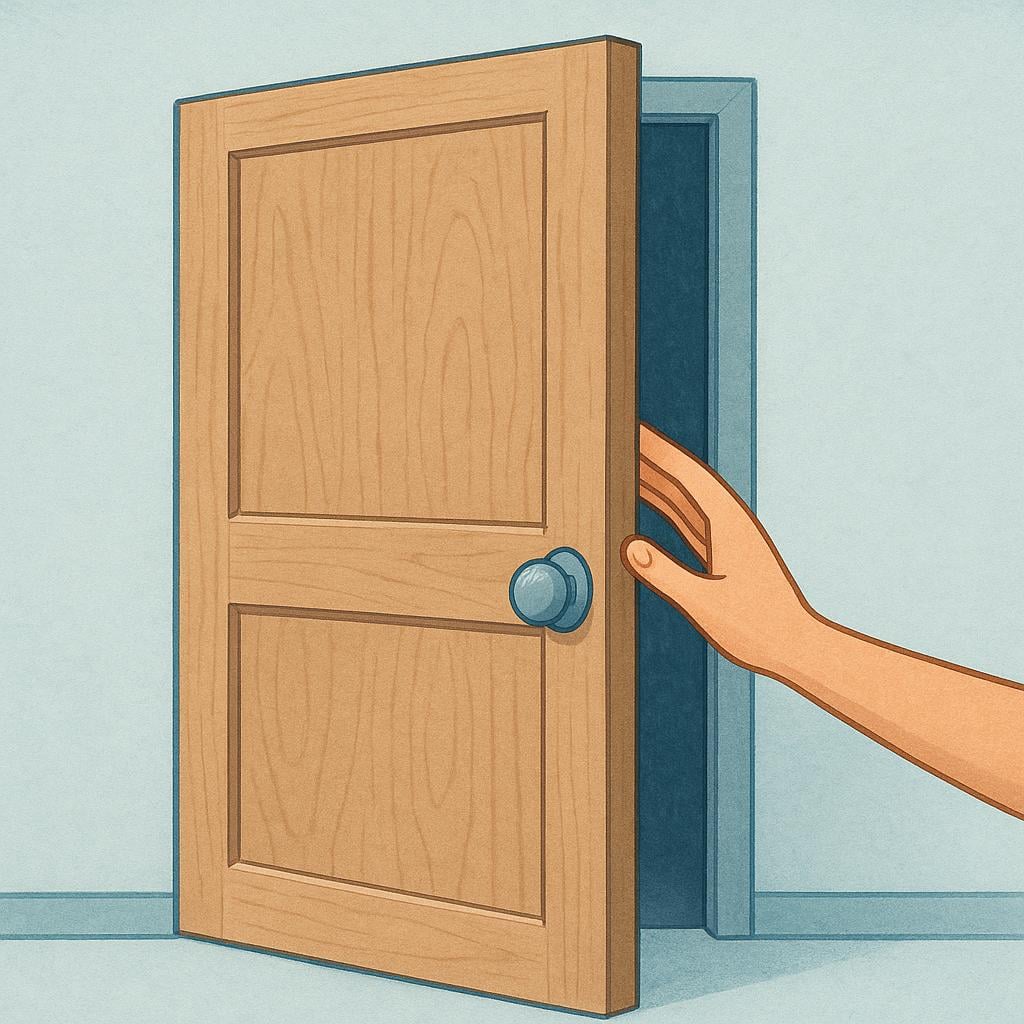
“abra” means “open” in Spanish. It has 2 different meanings depending on context:

📝 In Action
Por favor, abra la caja fuerte con cuidado.
A1Please, open the safe carefully (formal command).
Ella insiste en que yo abra la puerta.
A2She insists that I open the door (subjunctive).
Espero que el banco abra a las nueve.
A2I hope the bank opens at nine.
Word Connections
gap, passAlso: cove, break

📝 In Action
Tuvimos que cruzar la abra de la sierra para llegar al valle.
B2We had to cross the mountain pass to reach the valley.
La abra en la costa ofrecía un refugio natural para los barcos.
C1The inlet on the coast offered a natural shelter for the boats.
Word Connections
Indicative
Present
Imperfect
Preterite
Subjunctive
Present Subjunctive
Imperfect Subjunctive
✏️ Quick Practice
Quick Quiz: abra
Question 1 of 2
Which sentence uses 'abra' as a formal command?
📚 More Resources
👥 Word Family
📚 Etymology
The verb form 'abra' comes from the Latin verb *aperīre* (to uncover, to open). The noun 'abra' (gap/pass) also shares this root, referring to a natural opening in the landscape.
First recorded: Medieval Spanish (as a form of 'abrir')
Cognates (Related words)
💡 Master Spanish
Take your Spanish to the next level. Read 200+ illustrated and narrated Spanish stories tailored to your level with the Inklingo app!
Frequently Asked Questions
How can I tell if 'abra' is a verb or a noun?
Look at the words around it. If it's preceded by 'la' or 'una,' it's the feminine noun meaning 'gap' or 'pass.' If it follows a pronoun like 'que yo' or 'que él' or is used as a direct command, it's the conjugated verb 'to open.'
Is 'abra' irregular?
No. The infinitive 'abrir' is a regular -ir verb, so its conjugations, including 'abra,' follow the standard patterns perfectly.