estadio
“estadio” means “stadium” in Spanish. It has 2 different meanings depending on context:
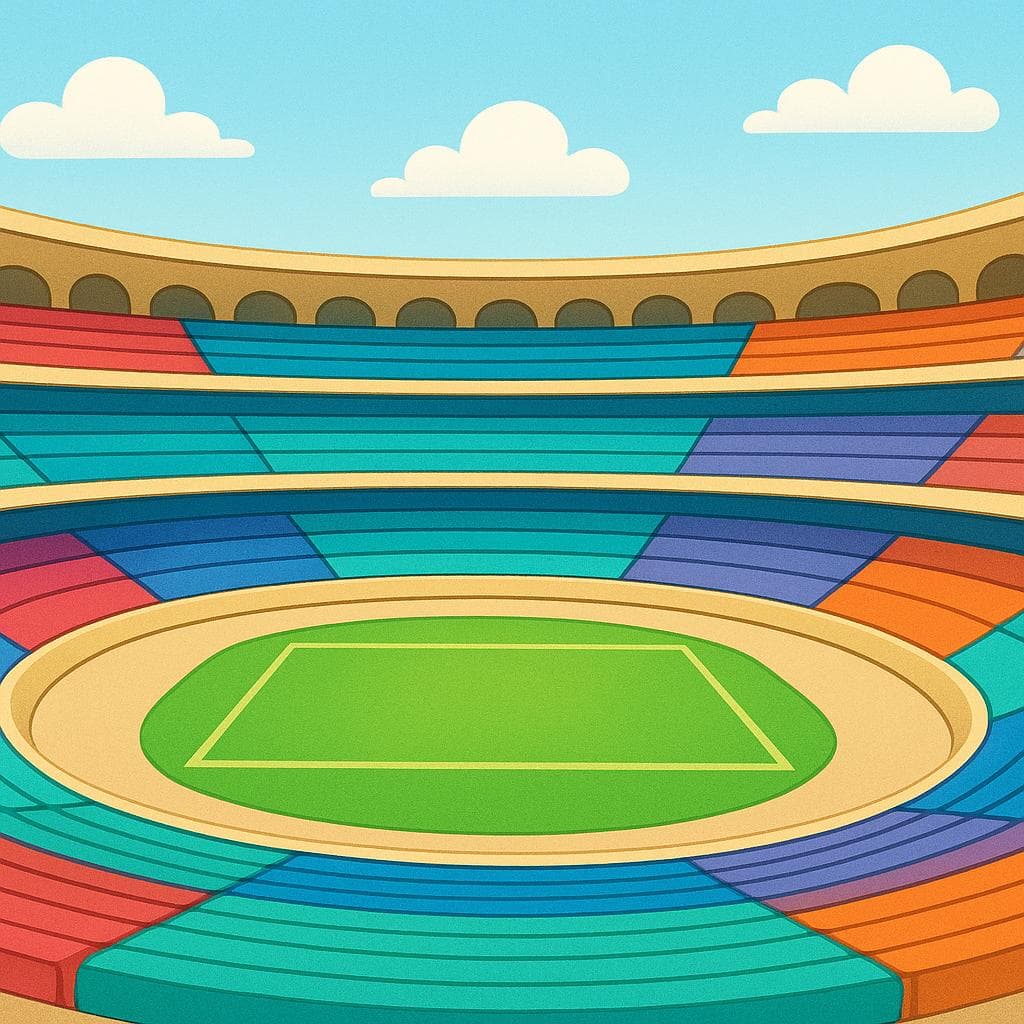

stadium
Also: arena
📝 In Action
El estadio estaba lleno para la final de la Copa.
A1The stadium was full for the Cup final.
Necesitamos un mapa para encontrar nuestra puerta en el estadio.
A2We need a map to find our gate in the stadium.
El concierto más grande se realizó en el estadio olímpico.
B1The biggest concert was held at the Olympic stadium.
stage
Also: phase
📝 In Action
El proyecto está ahora en el estadio de planificación final.
B2The project is now in the final planning stage.
Descubrieron la enfermedad en un estadio muy temprano.
C1They discovered the illness at a very early stage.
✏️ Quick Practice
Quick Quiz: estadio
Question 1 of 1
Which sentence uses 'estadio' in its formal, non-sports meaning?
📚 More Resources
👥 Word Family▼
🎵 Rhymes▼
📚 Etymology▼
The word comes directly from the Latin 'stadium,' which itself was borrowed from the ancient Greek 'stadion.' Originally, 'stadion' referred both to a measure of distance (about 600 feet) and the running track built to that length. This is how the word came to mean 'a place for races and games.'
First recorded: 13th century
Cognates (Related words)
💡 Master Spanish
Take your Spanish to the next level. Read 200+ illustrated and narrated Spanish stories tailored to your level with the Inklingo app!
Frequently Asked Questions
If 'estadio' means 'stage' or 'phase,' why is it not 'etapa' or 'fase'?
While 'etapa' and 'fase' are the most common words for 'stage' in general life, 'estadio' often carries a more technical or scientific weight, especially when discussing medical conditions, biological development, or formal project steps.