How to Say "placed" in Spanish
The most common Spanish word for “placed” is “puesto” — use 'puesto' when referring to the action of putting or placing something somewhere, often as a direct equivalent to the English verb 'to put'.


puesto
PWES-tohˈpwesto
Examples
He puesto las llaves sobre la mesa.
I have put the keys on the table.
Ya tienes el abrigo puesto, ¿nos vamos?
You already have your coat on, shall we go?
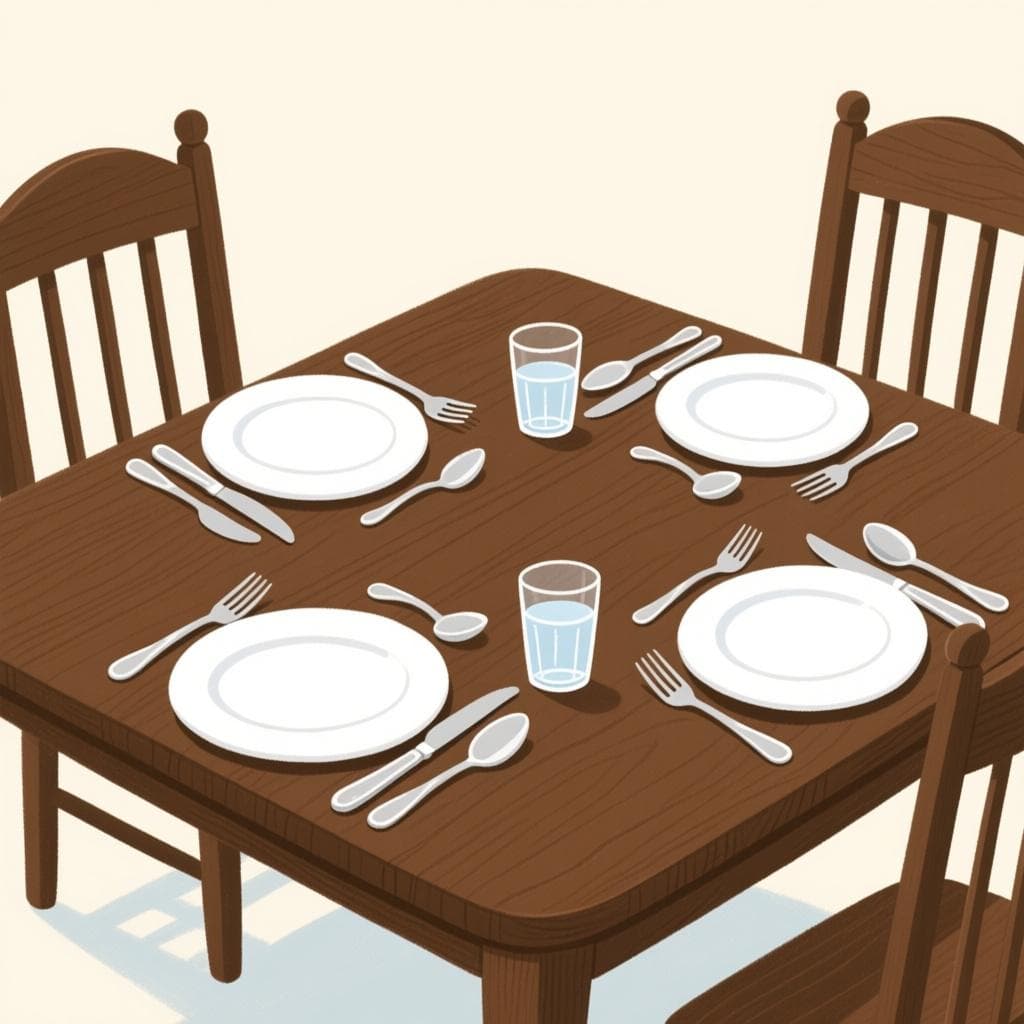
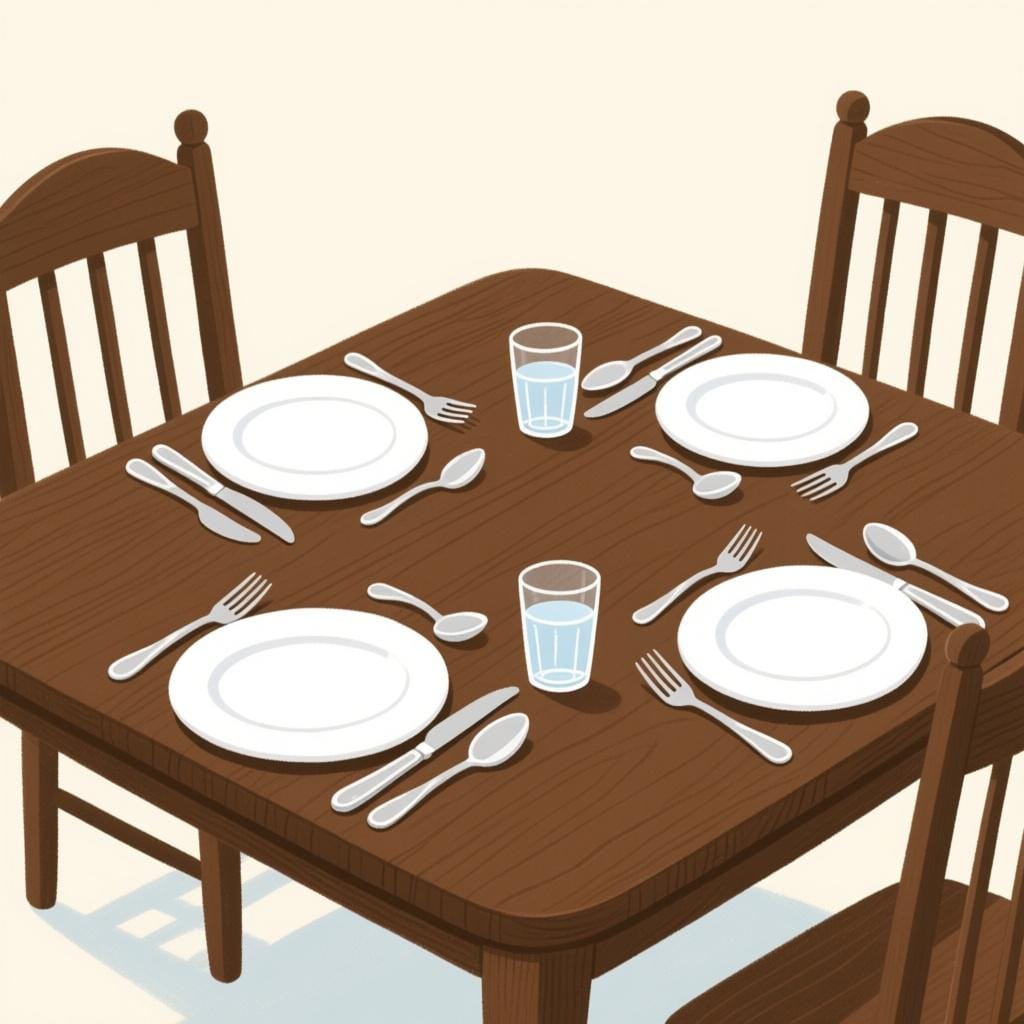
La mesa ya está puesta para la cena.
The table is already set for dinner.
Los libros están puestos en el estante.
The books are placed on the shelf.
Making it Match
As an adjective, 'puesto' must match the person or thing it describes. Use 'puesto' for masculine things, 'puesta' for feminine, 'puestos' for masculine plural, and 'puestas' for feminine plural. For example: 'el abrigo puesto' (the coat on), 'la camisa puesta' (the shirt on).
Where it Goes
This adjective usually comes after the thing it's describing, which is a common pattern in Spanish. You'd say 'la gorra puesta' (the cap on), not 'la puesta gorra'.
The 'Have Done' Form
This is the special form of 'poner' (to put) that you use with the helper verb 'haber' (to have) to talk about things that 'have happened.' For example, 'he puesto' means 'I have put'.
It Doesn't Change Here
When used with 'haber' to form a main verb (like in 'he puesto'), 'puesto' always stays the same. It doesn't change for masculine or feminine things.
Irregular vs. Regular
Mistake: “A common mistake is trying to make a regular form, like 'ponido'.”
Correction: The verb 'poner' is irregular, so its past participle is always 'puesto'. Just remember: 'poner' -> 'puesto'.
colocado
koh-loh-KAH-dohkoloˈkaðo

Examples
El jarrón está bien colocado sobre la mesa.
The vase is well placed on the table.
Los libros están colocados por orden alfabético.
The books are arranged in alphabetical order.
Changing the Ending
Since this word describes a noun, you must change the 'o' to 'a' if you are talking about a feminine thing (una silla colocada) or add 's' for plurals (libros colocados).
Using with 'Estar'
When describing where something is currently located, always use the verb 'estar' (to be) before 'colocado'.
metido
meh-TEE-dohmeˈtiðo

Examples
El cable estaba metido detrás del sofá.
The cable was stuck behind the sofa.
La carta ya está metida en el buzón.
The letter is already placed in the mailbox.
Agreement is Key
Since 'metido' is acting as an adjective here, make sure its ending matches the thing you are describing: 'La llave está metida' (feminine) or 'Los zapatos están metidos' (plural).
Using the wrong verb
Mistake: “Usar 'ser metido' (to be put/stuck).”
Correction: Use 'estar metido' because being 'stuck' or 'placed' is a state or location, not a permanent characteristic.
Puesto vs. Colocado
Related Translations
Learn Spanish with Inklingo
Interactive stories, personalized learning, and more.