enciende
“enciende” means “turns on” in Spanish. It has 3 different meanings depending on context:


turns on, turn on
Also: switches on
📝 In Action
Ella siempre enciende la radio cuando cocina.
A1She always turns on the radio when she cooks.
Disculpe, ¿usted enciende el aire acondicionado?
A2Excuse me, are you turning on the air conditioning?
¡Enciende la pantalla para ver la película!
A1Turn on the screen to watch the movie!
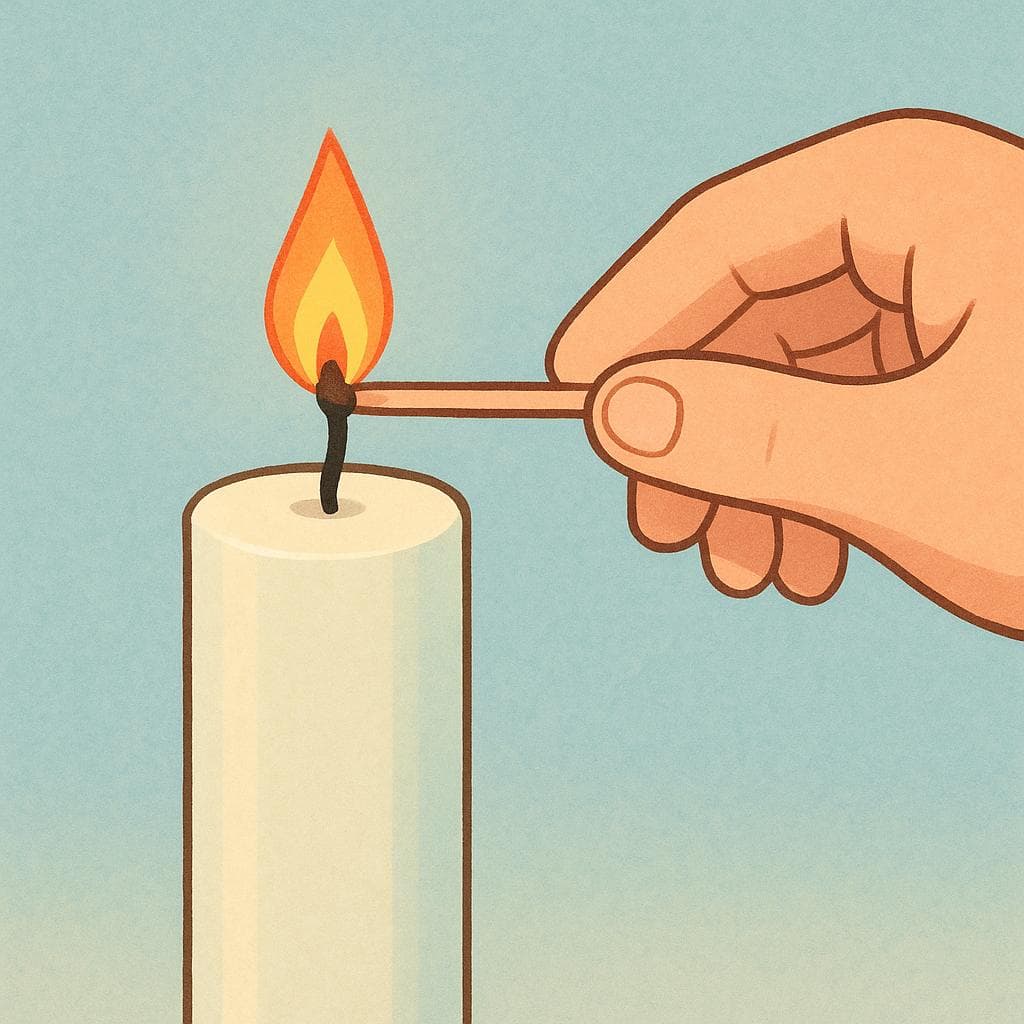
lights, light
Also: ignites
📝 In Action
El viento es fuerte, pero él enciende la fogata.
A2The wind is strong, but he lights the bonfire.
Ella enciende una vela para ambientar la cena.
A2She lights a candle to set the mood for dinner.
ignites, rouses
Also: stirs up
📝 In Action
El artículo enciende una gran controversia política.
B1The article ignites a great political controversy.
Su presencia enciende la esperanza en el equipo.
B2His presence rouses hope in the team.
Indicative
Present
Imperfect
Preterite
Subjunctive
Present Subjunctive
Imperfect Subjunctive
Translate to Spanish
✏️ Quick Practice
Quick Quiz: enciende
Question 1 of 2
Which sentence uses 'enciende' as a direct command?
📚 More Resources
👥 Word Family▼
📚 Etymology▼
Comes from the Latin verb *incendere*, which meant 'to set fire to' or 'to burn'. The meaning evolved to include turning on lights and devices as technology advanced.
First recorded: 13th century (in Old Spanish)
Cognates (Related words)
💡 Master Spanish
Take your Spanish to the next level. Read 200+ illustrated and narrated Spanish stories tailored to your level with the Inklingo app!
Frequently Asked Questions
Is 'enciende' the same as 'prende'?
They are synonyms for 'to turn on' or 'to light'. 'Encender' is generally considered standard across most Spanish-speaking regions, but 'prender' is very common, especially in Latin America, for lights and appliances.
How do I know if 'enciende' means 'he turns on' or 'turn on'?
Context is key! If the sentence includes a subject like 'él' (he) or 'ella' (she), it's a description ('He turns on'). If it starts the sentence or is preceded by an exclamation mark, it’s usually a command ('¡Enciende la luz!').