Inklingo

apaga

/ah-PAH-gah/

turns off

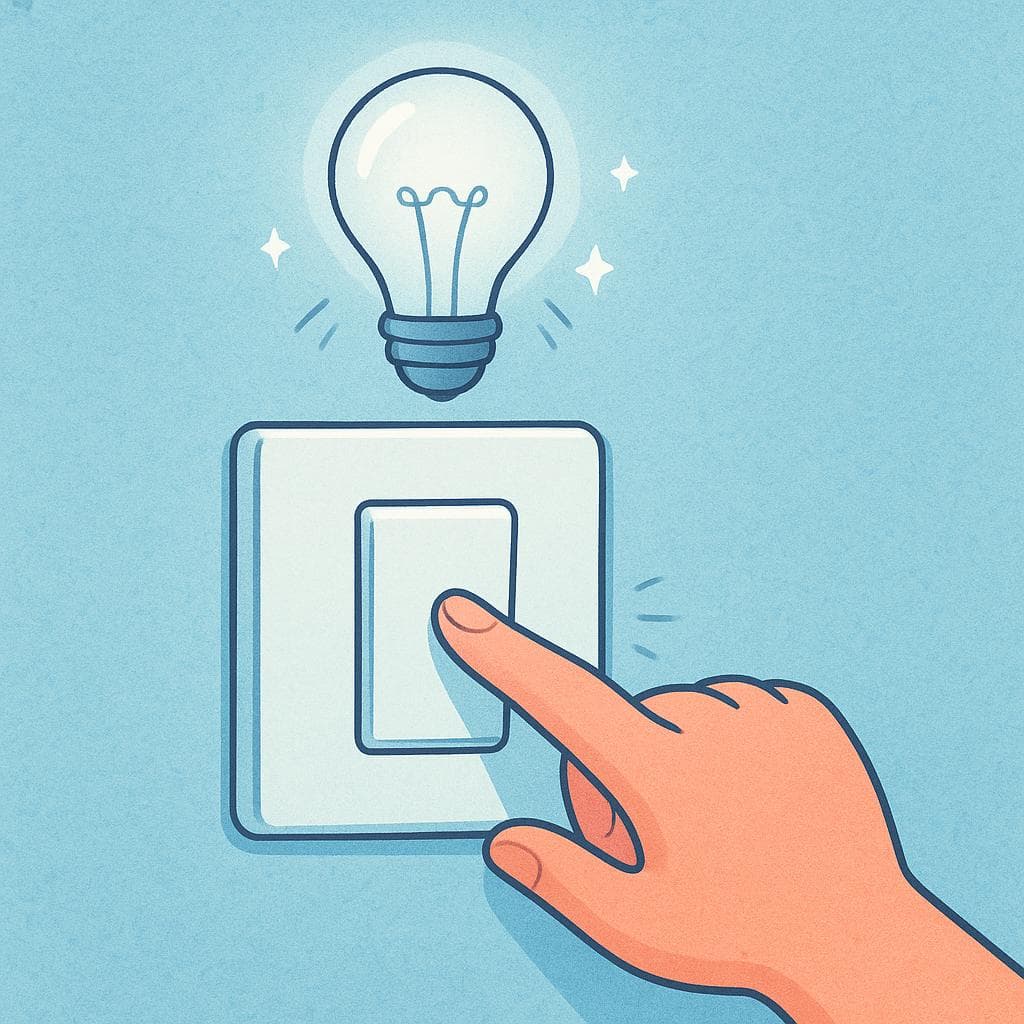
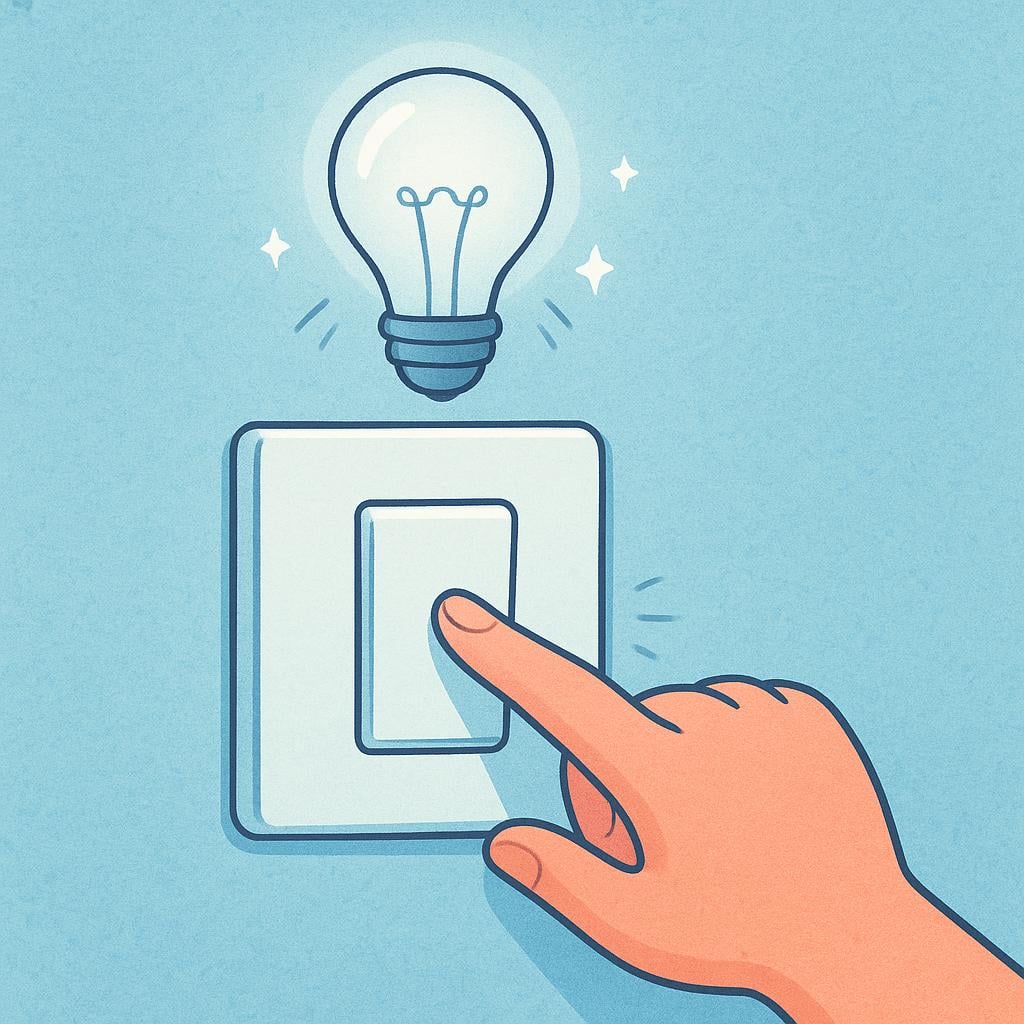
A cartoon hand is shown flipping a wall light switch downwards. A light bulb above the switch is visibly turning dark, indicating the light is being turned off.

Apaga means 'turns off' when referring to lights or devices.

apaga(verb)

A1regular ar

turns off

?

devices, lights

,

switches off

?

appliances

Also:

extinguishes

?

fire, flame

,

shuts down

?

engine, system

📝 In Action

Ella siempre apaga la televisión antes de estudiar.

A1

She always turns off the television before studying.

El sistema se apaga automáticamente si hay un error.

B1

The system shuts down automatically if there is an error.

Usted apaga la luz al salir de la oficina, ¿verdad?

A2

You (formal) turn off the light when leaving the office, right?

Word Connections

Synonyms

  • desconecta (disconnects)

Antonyms

Common Collocations

  • apaga el motorshuts off the engine
  • apaga la sedquenches the thirst

💡 Grammar Points

The 'G' to 'GU' Change

When conjugating 'apagar' in certain forms (like the preterite 'yo' form: 'apagué'), the 'g' changes to 'gu'. This change is only there to make sure the 'g' keeps its hard sound, like in the English word 'gate'.

❌ Common Pitfalls

Confusing Subject Forms

Mistake: "Using 'apaga' when you mean 'I turn off' ('yo apaga')."

Correction: Remember 'apaga' is reserved for 'he/she/it' or formal 'you' (usted). For 'I', you must use 'apago'.

⭐ Usage Tips

Use with 'Se'

You can use 'se apaga' to describe an action happening without focusing on who did it (e.g., 'La luz se apaga' - The light turns itself off). This is useful when the agent is unknown or unimportant.

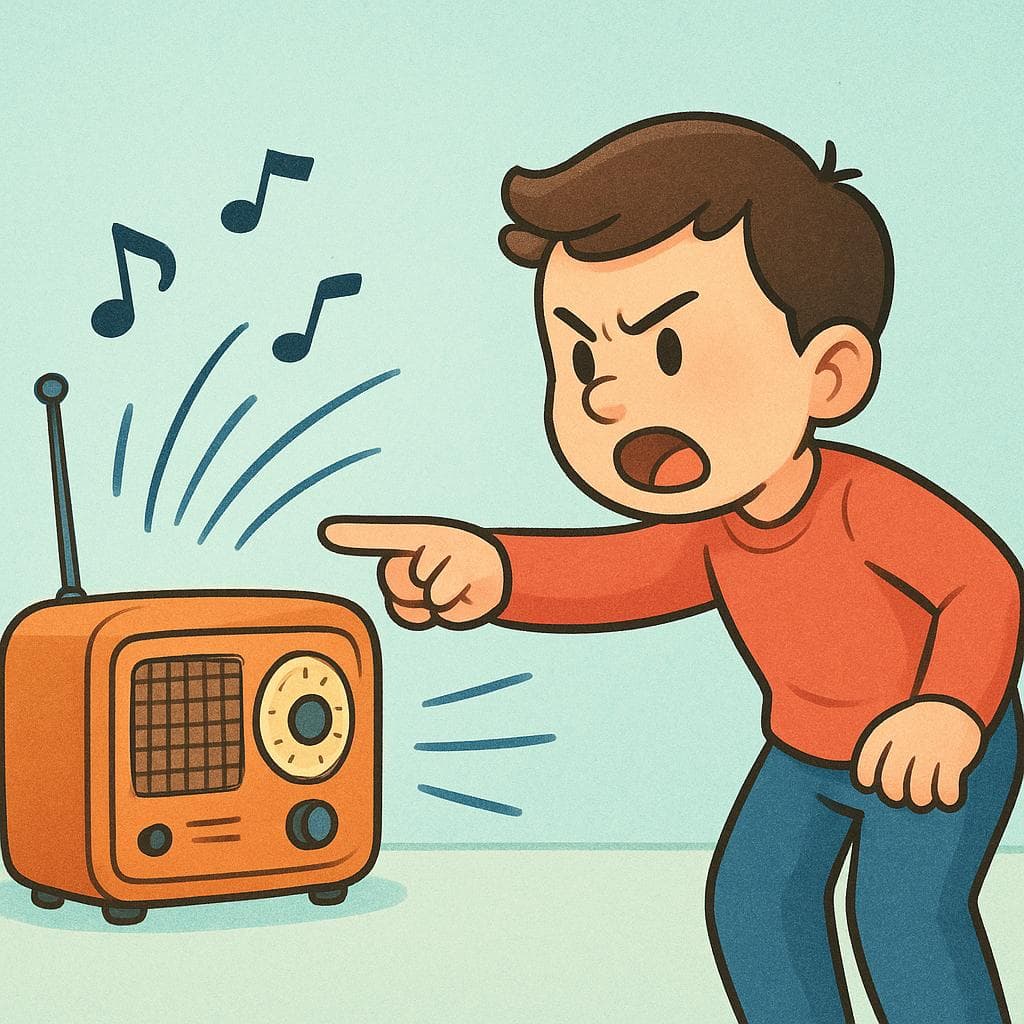
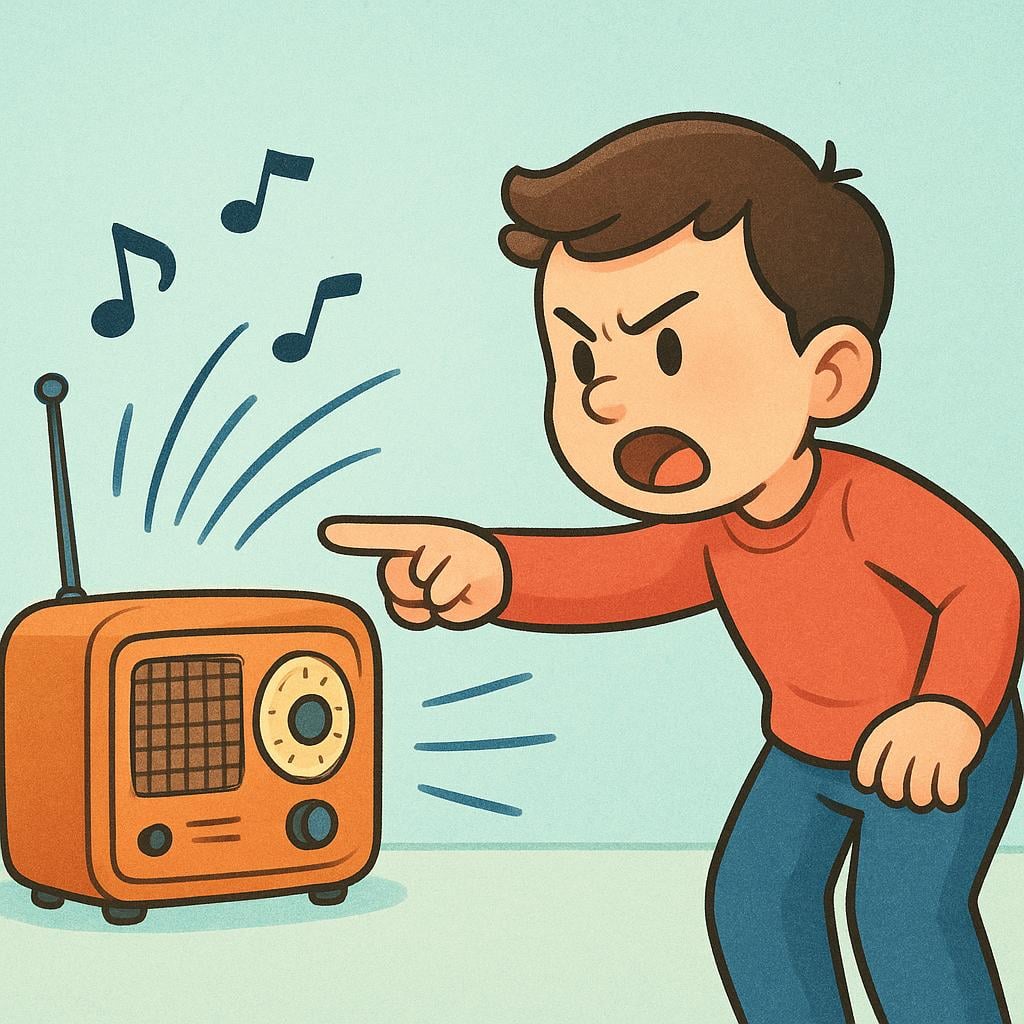
A person is standing next to a blaring radio, making a sudden, urgent gesture with their hand towards the device, commanding it to be silenced.

Used as an informal command, ¡Apaga! means 'Turn off!'.

apaga(verb)

A2regular ar

Turn off!

?

informal command

Also:

Switch off!

?

informal command

📝 In Action

¡Apaga la luz cuando salgas de la habitación!

A1

Turn off the light when you leave the room!

Apaga el cigarrillo, por favor. Estamos dentro.

B1

Put out the cigarette, please. We are inside.

Apaga el móvil antes de empezar la película.

A2

Turn off your cell phone before the movie starts.

Word Connections

Synonyms

Antonyms

  • ¡Enciende! (Turn on! (command))

Common Collocations

  • Apaga y vámonosLet's call it a day (literally: Turn it off and let's go)

💡 Grammar Points

Affirmative Tú Command Trick

The informal positive command ('tú') is identical to the 'él/ella/usted' form in the present tense. This means 'He turns off' and 'Turn off!' (to a friend) both use 'apaga'.

❌ Common Pitfalls

Using the wrong command form

Mistake: "Using 'apague' when speaking informally to a friend."

Correction: Use 'apaga' for friends and family (tú). Reserve 'apague' for formal situations (usted).

⭐ Usage Tips

Adding Pronouns

When using 'apaga' as a command, attach short words like 'lo' (it) or 'la' (it) directly to the end and add an accent mark: 'Apágalo' (Turn it off).

🔄 Conjugations

indicative

present

él/ella/ustedapaga
yoapago
apagas
ellos/ellas/ustedesapagan
nosotrosapagamos
vosotrosapagáis

imperfect

él/ella/ustedapagaba
yoapagaba
apagabas
ellos/ellas/ustedesapagaban
nosotrosapagábamos
vosotrosapagabais

preterite

él/ella/ustedapagó
yoapagué
apagaste
ellos/ellas/ustedesapagaron
nosotrosapagamos
vosotrosapagasteis

subjunctive

present

él/ella/ustedapague
yoapague
apagues
ellos/ellas/ustedesapaguen
nosotrosapaguemos
vosotrosapaguéis

imperfect

él/ella/ustedapagara / apagase
yoapagara / apagase
apagaras / apagases
ellos/ellas/ustedesapagaran / apagasen
nosotrosapagáramos / apagásemos
vosotrosapagarais / apagaseis

✏️ Quick Practice

💡 Quick Quiz: apaga

Question 1 of 1

Which sentence uses 'apaga' as a direct command?

📚 More Resources

Frequently Asked Questions

Is 'apaga' used only for electricity?

No. While it's very common for lights and devices, 'apaga' (from 'apagar') is also used for extinguishing fires, turning off engines, or even figuratively to 'quench' thirst.