conectar
“conectar” means “to connect” in Spanish. It has 3 different meanings depending on context:
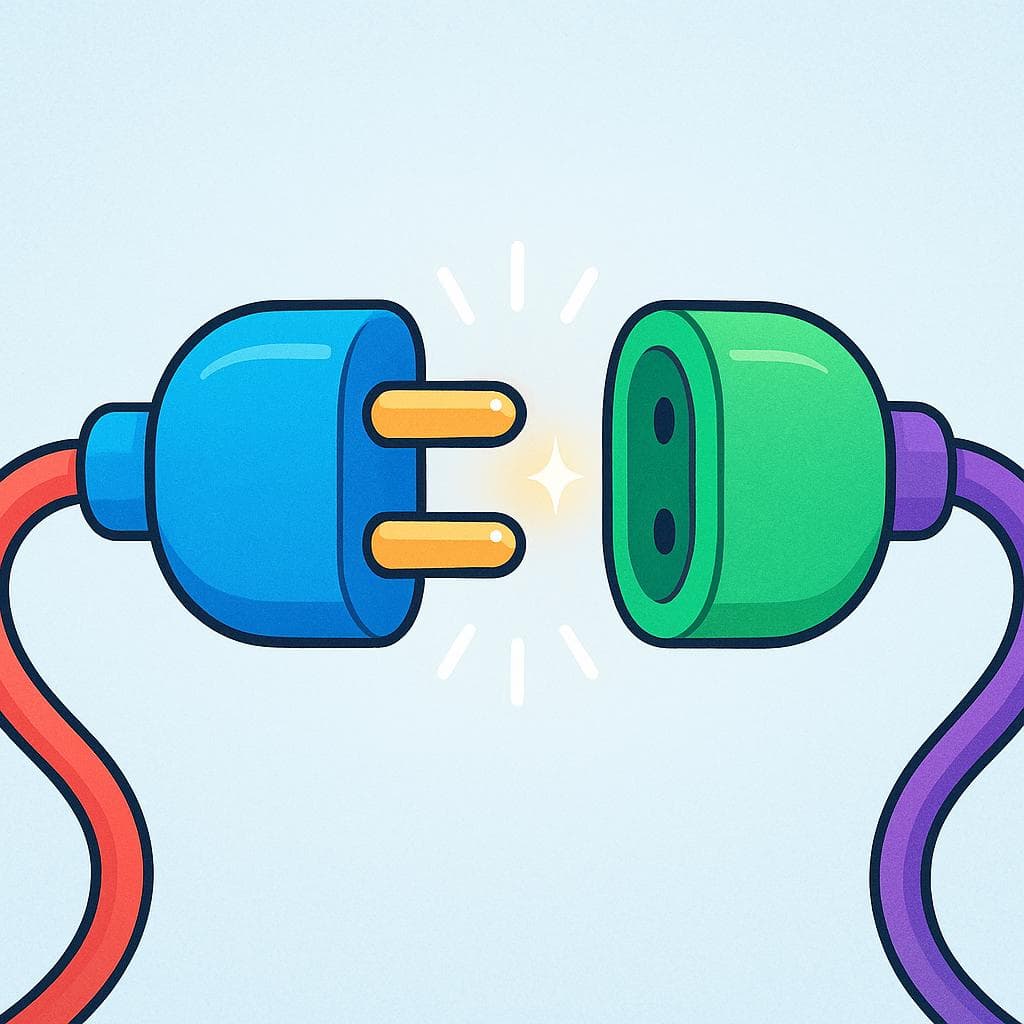


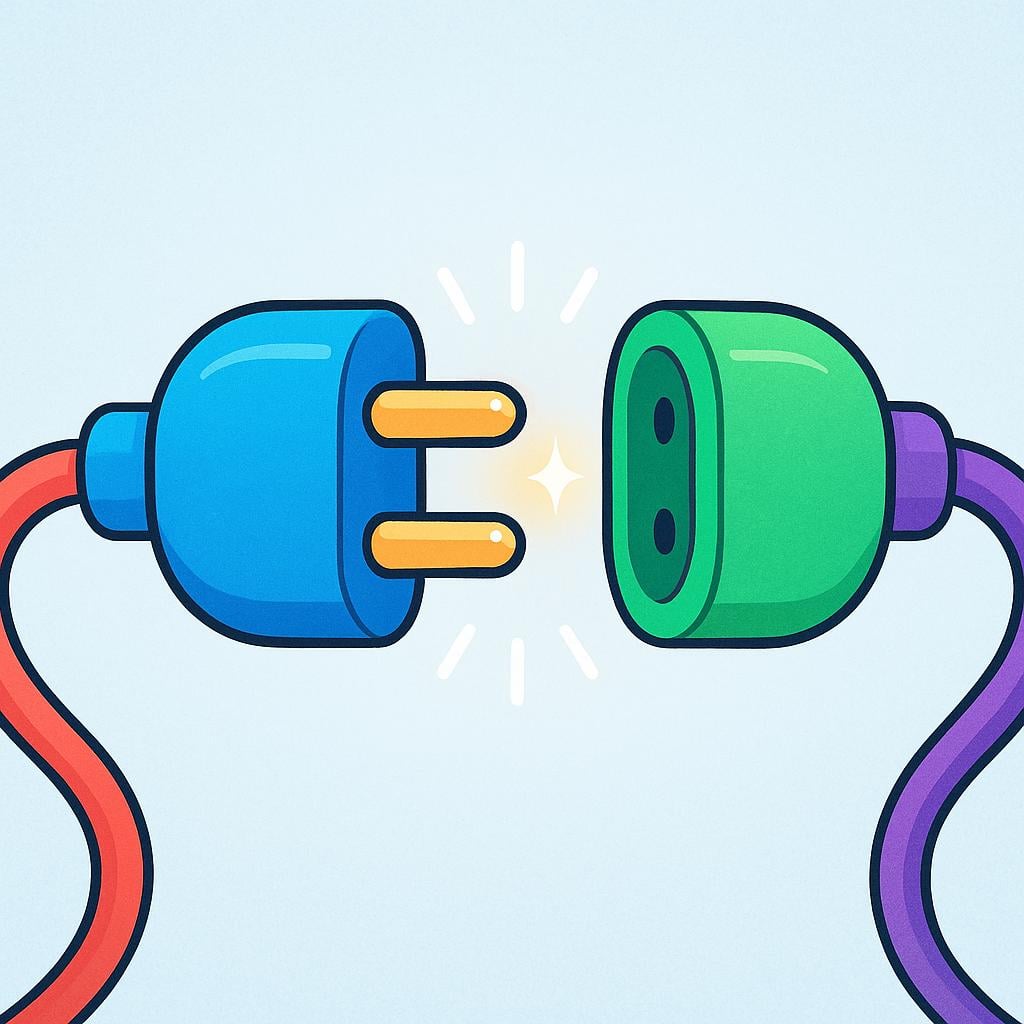
to connect, to linkAlso: to plug in, to hook up
📝 In Action
¿Puedes conectar el teléfono al Wi-Fi?
A1Can you connect the phone to the Wi-Fi?
Esta carretera conecta la ciudad con el aeropuerto.
A2This highway links the city with the airport.
Conectaron todos los cables antes de encender la máquina.
B1They connected all the cables before turning on the machine.
Word Connections
to connect (with), to bondAlso: to relate to

📝 In Action
Ella no pudo conectar con sus nuevos compañeros de trabajo.
B1She couldn't connect with her new coworkers.
El escritor conectó profundamente con los temas de la novela.
B2The writer connected deeply with the themes of the novel.
Word Connections
to linkAlso: to associate, to relate

📝 In Action
Es difícil conectar la falta de sueño con la pérdida de memoria.
B2It is difficult to link the lack of sleep with memory loss.
La investigación conecta el aumento de tráfico con la contaminación.
C1The research connects the increase in traffic with pollution.
Word Connections
Subjunctive
Imperfect Subjunctive
Present Subjunctive
Indicative
Preterite
Imperfect
Present
Translate to Spanish
Words that translate to "conectar" in Spanish:
✏️ Quick Practice
Quick Quiz: conectar
Question 1 of 1
Which sentence uses 'conectar' in the sense of 'emotional bonding'?
📚 More Resources
👥 Word Family
🎵 Rhymes
📚 Etymology
Comes from the Latin verb *connectere*, which is formed by the prefix *com-* (meaning 'together' or 'with') and *nectere* (meaning 'to tie' or 'to bind'). It literally means 'to tie together'.
First recorded: Around the 15th century in its modern form.
Cognates (Related words)
💡 Master Spanish
Take your Spanish to the next level. Read 200+ illustrated and narrated Spanish stories tailored to your level with the Inklingo app!
Frequently Asked Questions
What is the difference between 'conectar' and 'unir'?
'Conectar' usually implies establishing a functional link or relationship (like connecting a phone or connecting with a person). 'Unir' is broader and means to join or merge things together, often emphasizing unity or making something whole (like uniting two countries or mixing ingredients).
How do I say 'I am connected'?
Since 'connected' is a state resulting from an action, you use the verb 'estar' (to be) plus the past participle 'conectado' (or 'conectada' if you are female): 'Estoy conectado a internet' (I am connected to the internet).