How to Say "light" in Spanish
The most common Spanish word for “light” is “luz” — use this word for physical illumination or brightness, like from a lamp or the sun.






luz
looseluθ

Examples
Me gusta leer con la luz natural de la ventana.
I like reading with the natural light from the window.
Por favor, apaga la luz antes de salir.
Please, turn off the light before leaving.
Tus palabras me dieron mucha luz sobre el problema.
Your words gave me a lot of clarity regarding the problem.
Changing Z to C
In Spanish, words ending in 'z' change to 'ces' when they become plural. So, one 'luz' becomes many 'luces'.
Feminine Gender
Even though it doesn't end in 'a', 'luz' is feminine. You should always use 'la' or 'una' with it.
The 'Luz' Gender Trap
Mistake: “El luz es brillante.”
Correction: La luz es brillante. Because 'luz' is feminine, the article and adjectives must match it.
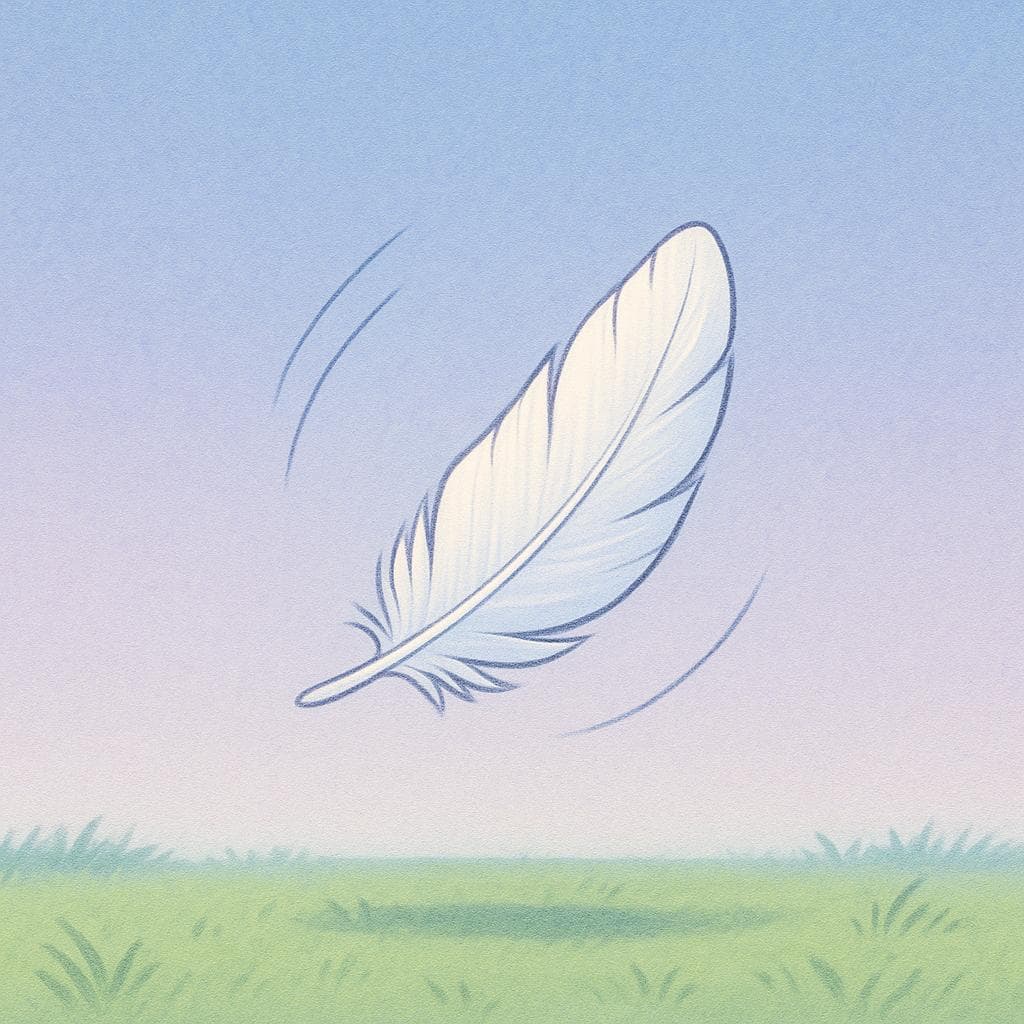
ligero
li-HEH-rohliˈxe.ɾo
Examples
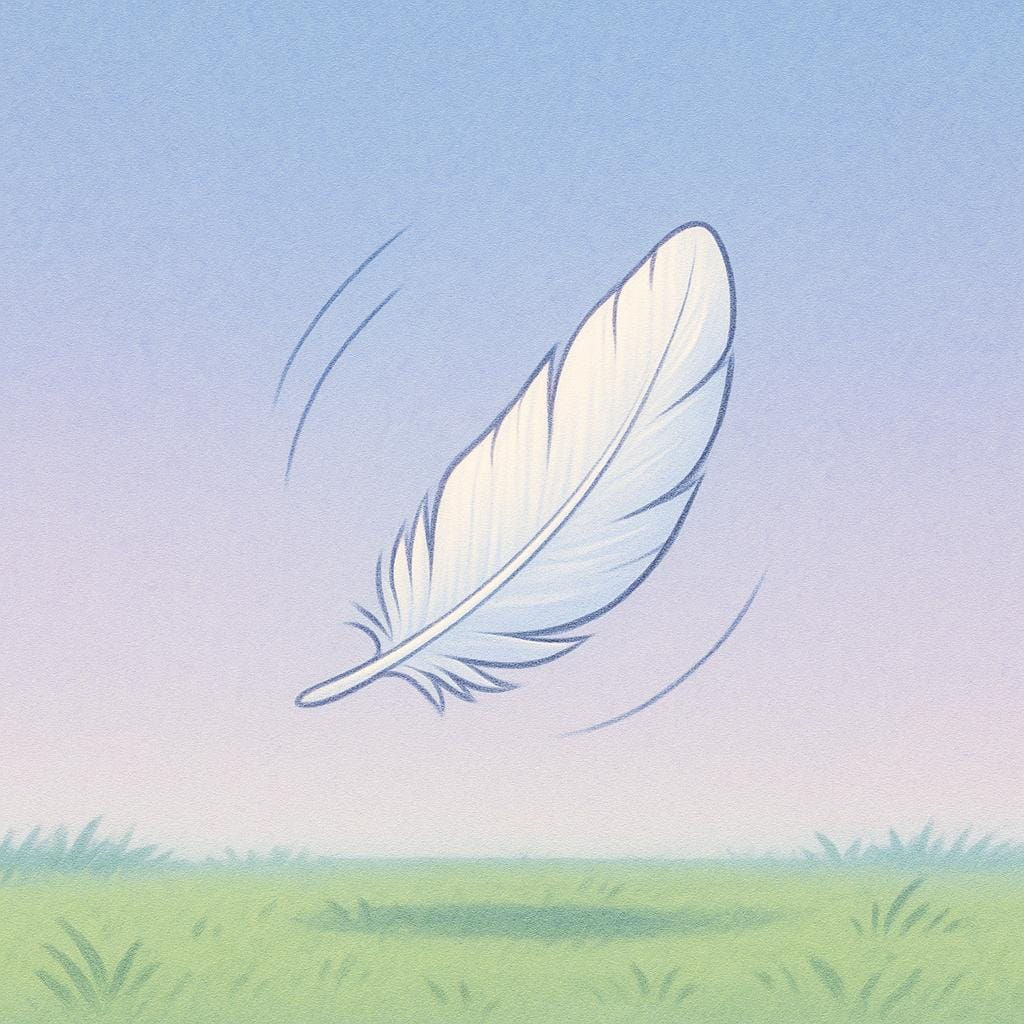
Este equipaje de mano es muy ligero.
This carry-on luggage is very light.
Quiero una cena ligera esta noche.
I want a light dinner tonight (not heavy food).
Adjective Agreement
Like most Spanish describing words, 'ligero' must match the gender (masculine/feminine) and number (singular/plural) of the thing it describes: 'un abrigo ligero' (masc. sing.) vs. 'una camisa ligera' (fem. sing.).
Confusing weight and color
Mistake: “Using 'ligero' to mean 'light color' (e.g., 'el azul ligero').”
Correction: Use 'claro' for light colors. 'Ligero' is almost always about weight or speed. Say: 'el azul claro'.
fáciles
Examples
Las matemáticas son difíciles, pero estos ejercicios son muy fáciles.
Math is difficult, but these exercises are very easy.
claro
KLAH-rohˈkla.ɾo

Examples
El agua del río está muy clara.
The river water is very clear.
Necesitamos una habitación más clara para leer.
We need a brighter room to read.
Me gusta el color azul claro.
I like the color light blue.
Matching the Noun
'Claro' is like a chameleon. It changes to match the thing it's describing. For a masculine thing, use 'claro' (cielo claro). For a feminine thing, use 'clara' (agua clara).
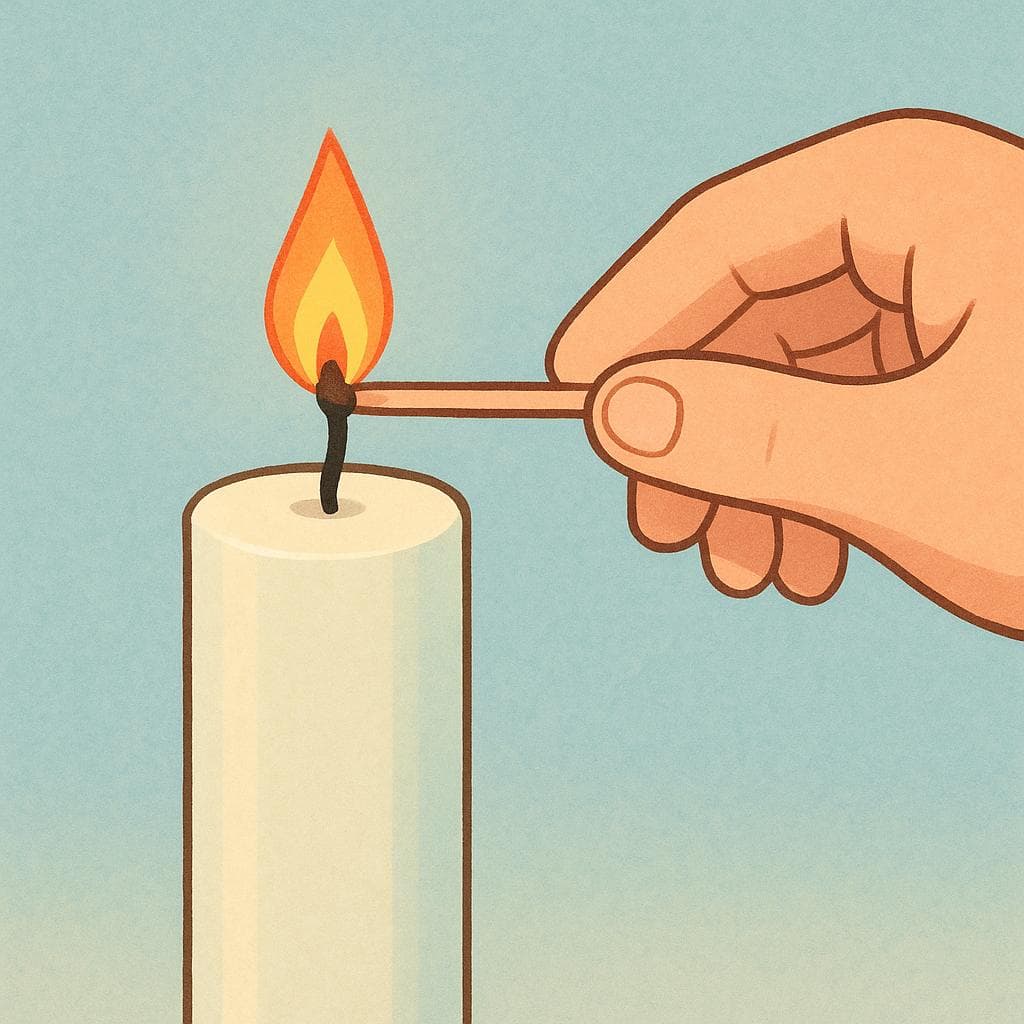
encender
en-sen-DEHRen.senˈdeɾ
Examples
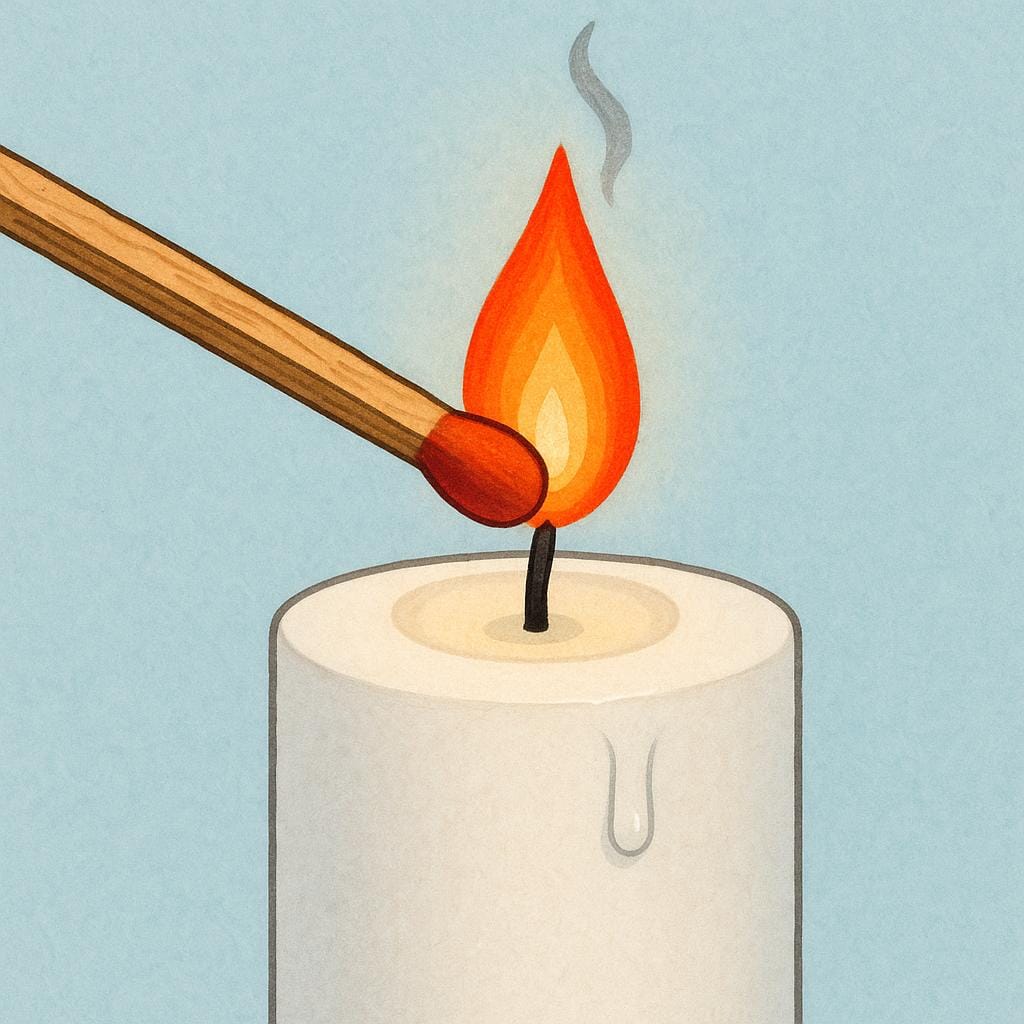
Necesitamos leña para encender la fogata.
We need firewood to light the bonfire.
Él encendió un cigarrillo después de la cena.
He lit a cigarette after dinner.
claridad
klah-ree-DAHDkla.riˈðað

Examples
La claridad de la luna iluminaba el camino.
The brightness of the moon illuminated the path.
Asegúrate de que la ventana tenga claridad total.
Make sure the window has total transparency (is completely clear).
Feminine Noun
Since 'claridad' is a feminine noun, you must use feminine articles and adjectives with it (e.g., 'la claridad', 'mucha claridad').
liviano
lee-vee-AH-nohliˈβjano

Examples
Esta maleta es muy liviana, puedo cargarla solo.
This suitcase is very light; I can carry it by myself.
Necesitas zapatos livianos para caminar por la montaña.
You need lightweight shoes to walk in the mountains.
El aluminio es un metal liviano y resistente.
Aluminum is a light and strong metal.
Anoche cené algo liviano porque no tenía mucha hambre.
Last night I had something light for dinner because I wasn't very hungry.
Matching the word to the object
This word changes its ending based on what you are describing. Use 'liviano' for masculine items like 'un libro' and 'liviana' for feminine items like 'una silla'.
Using 'more' or 'most'
To say something is 'lighter' or 'the lightest,' just add 'más' before the word (e.g., 'el más liviano').
Describing types of food
When used with food, this word implies that the meal is not greasy or overly filling.
Liviano vs. Ligero
Mistake: “Using 'liviano' only in Spain.”
Correction: In Spain, 'ligero' is more common, while 'liviano' is preferred in many parts of Latin America. Both are correct, but context matters for sounding like a local!
Confusing with 'low calorie'
Mistake: “Thinking 'liviano' always means 'diet' or 'low calorie'.”
Correction: While often related, 'liviano' specifically refers to how the food feels in your stomach (easy to digest), not necessarily its calorie count.
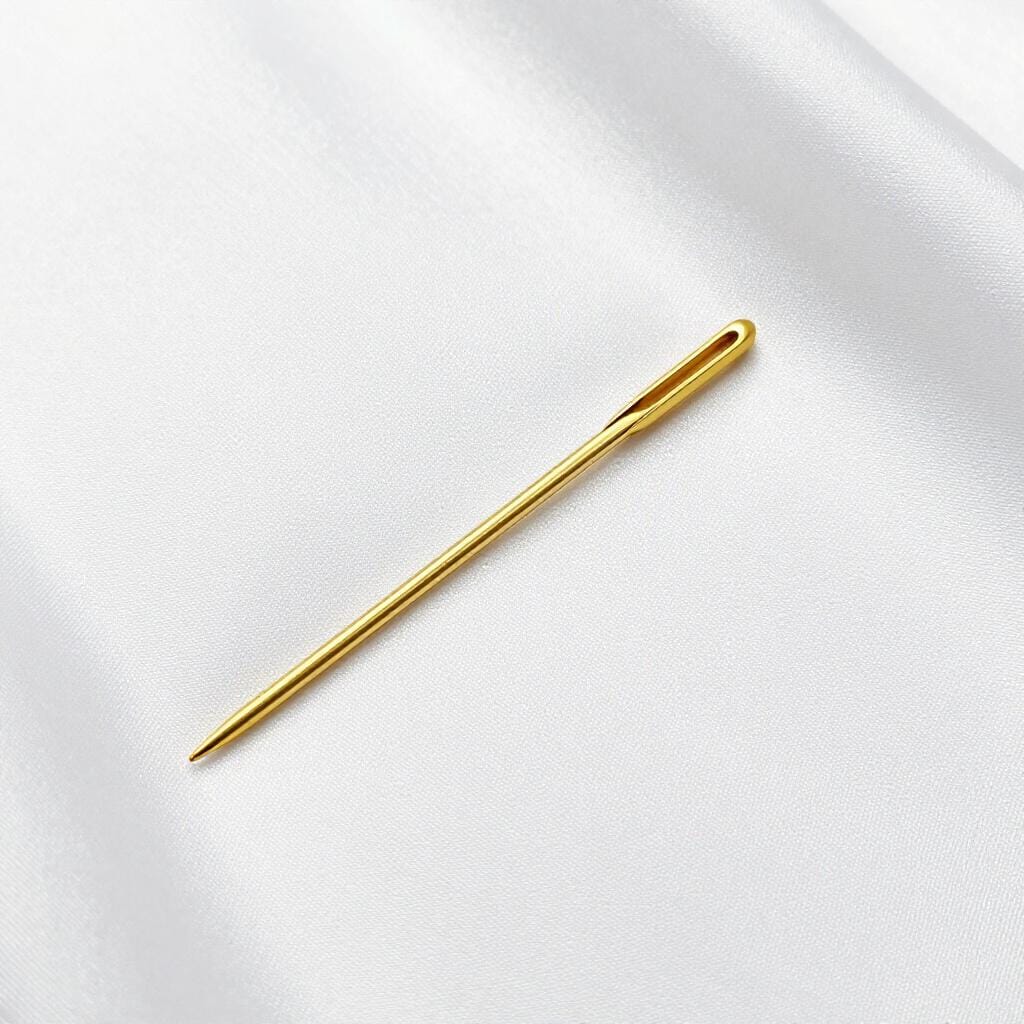
fina
fee-nahˈfina
Examples
Empezó a caer una fina llovizna.
A fine drizzle began to fall.
La arena de esta playa es muy fina y blanca.
The sand on this beach is very fine and white.
Cayó una lluvia fina durante toda la tarde.
A thin mist of rain fell all afternoon.
Matching with Objects
Use 'fina' only when describing words that are treated as feminine in Spanish, which usually end in 'a' like 'arena' or 'tela'.
suave
SWAH-vehˈswa.βe

Examples
Prefiero el café con un sabor más suave.
I prefer coffee with a milder flavor.
Había una brisa suave que nos refrescaba.
There was a gentle breeze refreshing us.
Él es muy suave en su trato con los clientes.
He is very gentle in how he deals with customers.
Use with Tastes
When talking about food or drink, 'suave' means 'mild' or 'not spicy/acidic/bitter.' For example, a 'vino suave' is a light, easy-drinking wine.
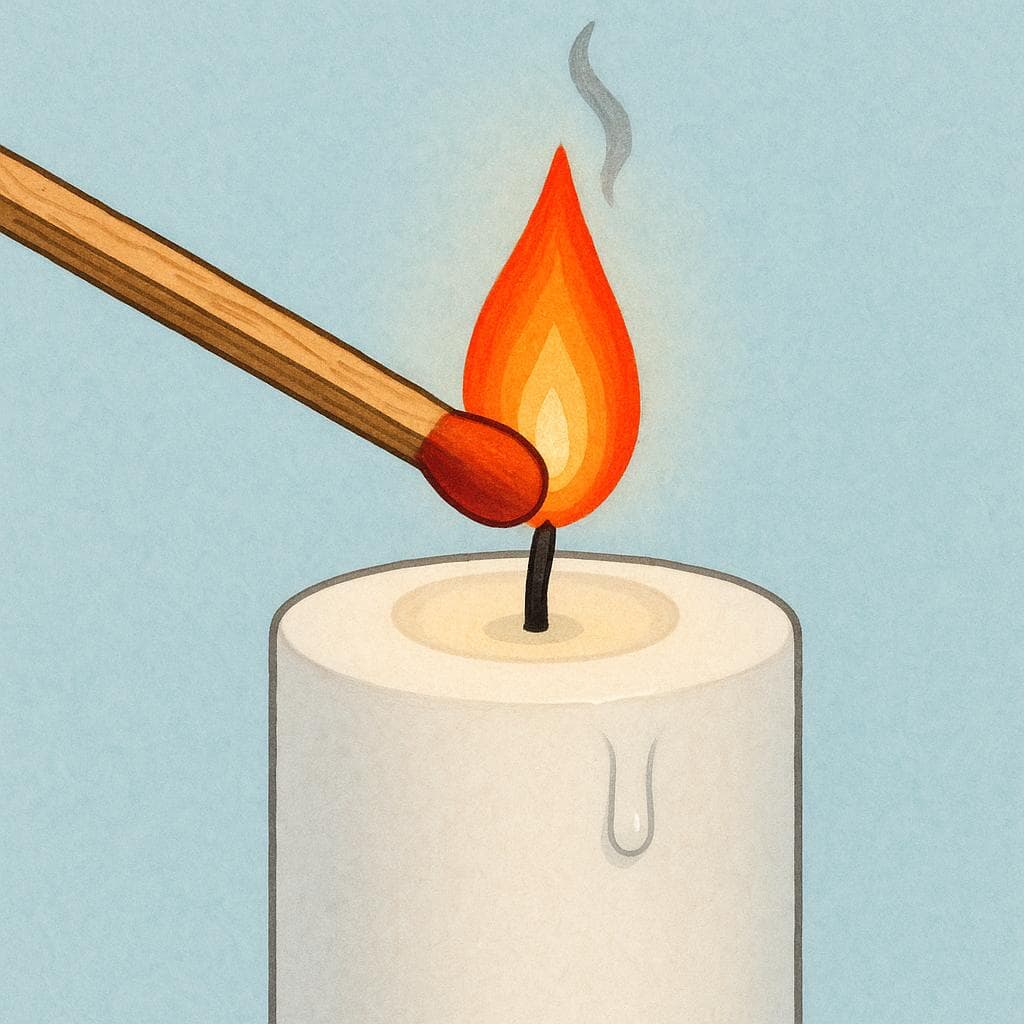
enciende
en-SYEN-deenˈsjen̪.d̪e
Examples
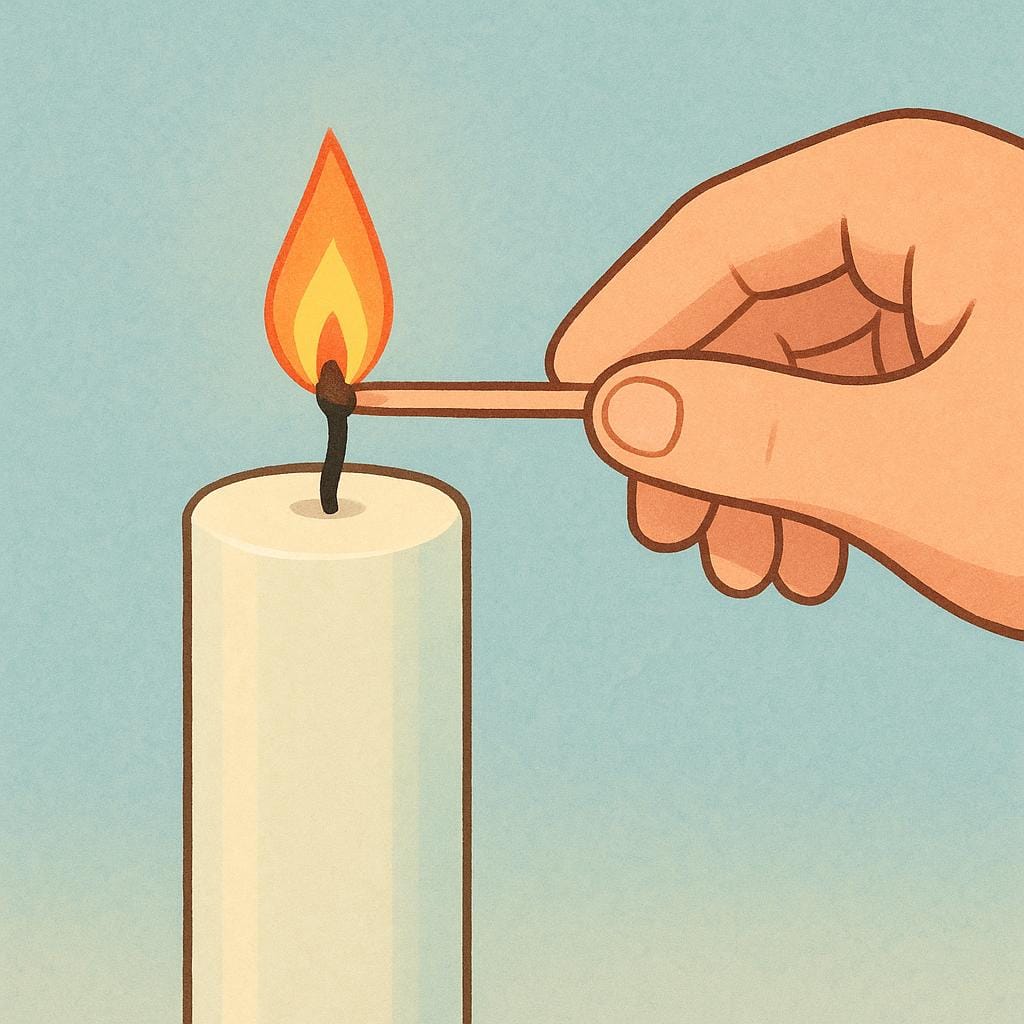
El viento es fuerte, pero él enciende la fogata.
The wind is strong, but he lights the bonfire.
Ella enciende una vela para ambientar la cena.
She lights a candle to set the mood for dinner.
fuego
fwe-goˈfwe.ɣo
Examples
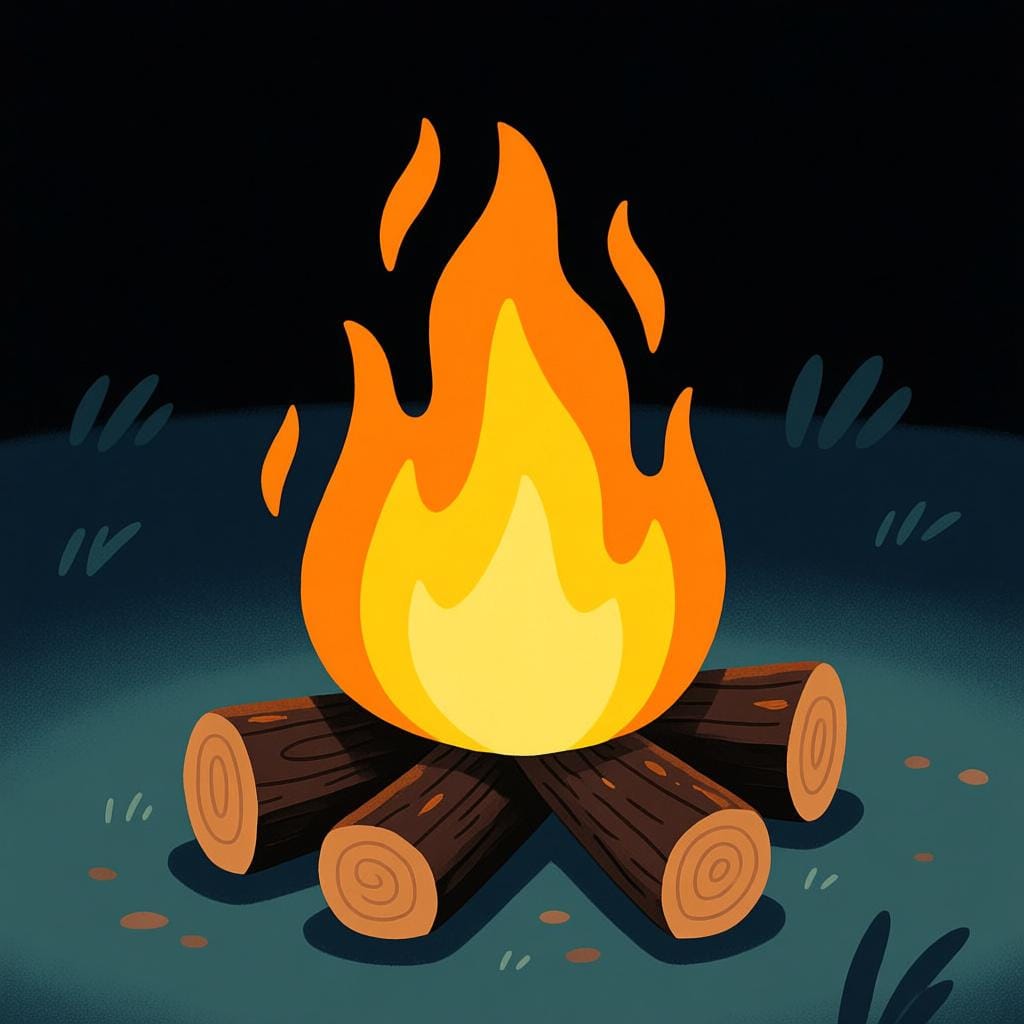
¿Tienes fuego para mi cigarrillo?
Do you have a light for my cigarette?
Cuidado, el fuego está muy caliente.
Be careful, the fire is very hot.
Los bomberos apagaron el fuego del edificio.
The firefighters put out the building fire.
Para cocinar, necesitamos hacer un fuego.
To cook, we need to make a fire.
Always Masculine
Even though it doesn't end in -o, 'fuego' is a masculine word. So, you always say 'el fuego' (the fire) and 'un fuego' (a fire).
'Fuego' vs. 'Calor'
Mistake: “El sol da mucho fuego.”
Correction: El sol da mucho calor. Use 'fuego' for the actual flame or blaze. Use 'calor' for the heat you feel from the fire, the sun, or the temperature.
leve
leh-behˈleβe

Examples
Siento un leve dolor de cabeza.
I have a slight headache.
Hubo un leve retraso en el tren.
There was a minor delay with the train.
Se sintió una brisa leve junto al mar.
A light breeze was felt by the sea.
One Form Fits All
The word 'leve' ends in 'e,' so it doesn't change its ending for masculine or feminine things. You can say 'un problema leve' (masculine) or 'una herida leve' (feminine).
Leve vs. Ligero
Mistake: “Using 'leve' to describe the weight of a physical object like a suitcase.”
Correction: Use 'ligero' for weight. Use 'leve' for intensity, sounds, or importance. A box is 'ligera,' but a headache is 'leve.'
delgado
del-GAH-dohdelˈɣaðo
Examples
La pared es muy delgada y se escucha todo.
The wall is very thin and you can hear everything.
Necesito un hilo muy delgado para este bordado.
I need a very fine thread for this embroidery.
El café estaba demasiado delgado, casi agua.
The coffee was too weak/light, almost water.
Describing Consistency
You can use 'delgado' to describe liquids or foods that are watery or lack body, like a light sauce or weak coffee. It means the consistency is 'thin.'
aéreo
Examples
La bailarina ejecutó un movimiento aéreo, casi flotando sobre el escenario.
The dancer executed an airy movement, almost floating above the stage.
Lightness of Weight vs. Illumination
Related Translations
Learn Spanish with Inklingo
Interactive stories, personalized learning, and more.