Inklingo

apodo

/ah-POH-doh/

nickname

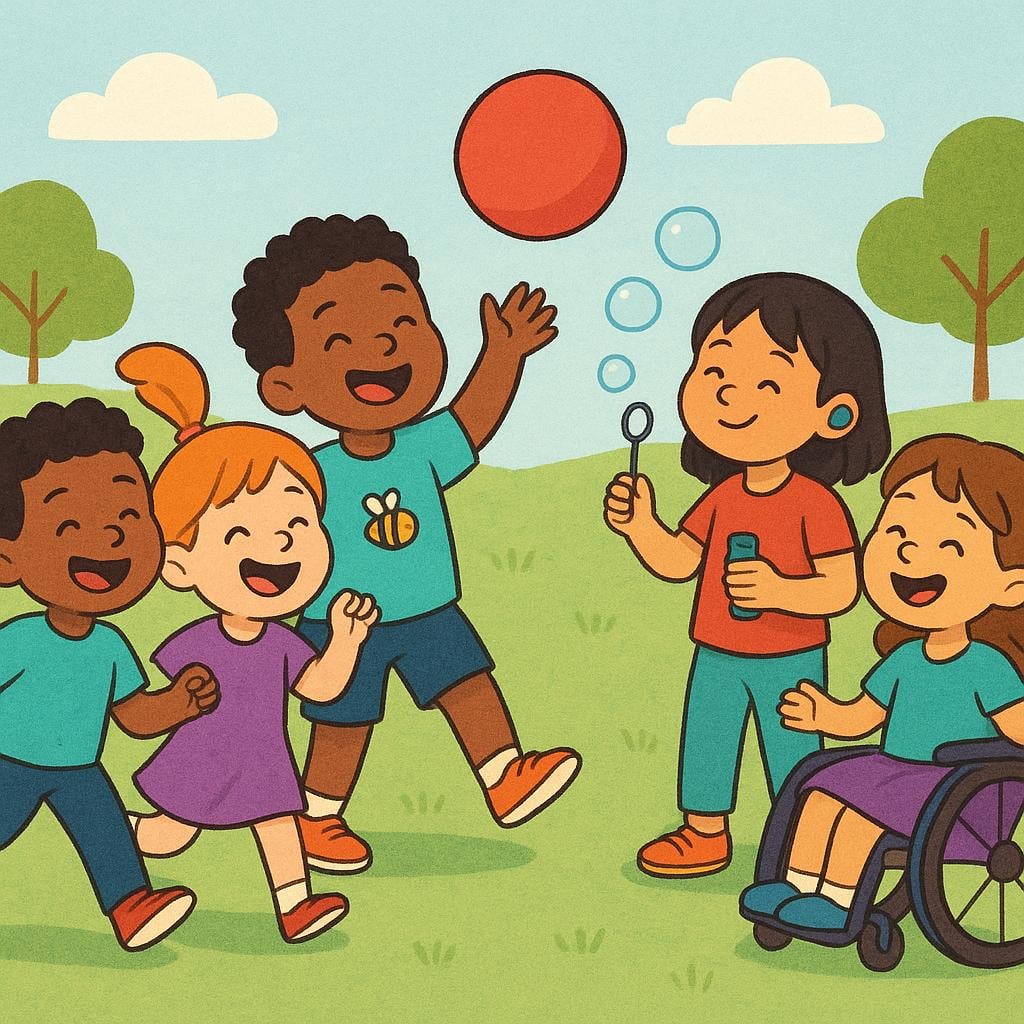
A friendly group of children laughing together, with one child wearing a shirt that has a small, cute drawing of a honeybee on it, representing a nickname.

An 'apodo' is a nickname used affectionately among friends and family.

apodo(noun)

mA2

nickname

?

a casual name used by friends or family

Also:

alias

?

an assumed name

,

moniker

?

a formal or literary term for a name

📝 In Action

Mi apodo en la escuela era 'El Gato'.

A2

My nickname at school was 'The Cat'.

Muchos futbolistas son conocidos por su apodo.

B1

Many soccer players are known by their nickname.

Word Connections

Synonyms

  • sobrenombre (nickname/alias)
  • alias (alias)
  • pseudónimo (pen name)

Antonyms

  • nombre de pila (first name/given name)

Common Collocations

  • poner un apodoto give/assign a nickname
  • tener un apodoto have a nickname

💡 Grammar Points

Using 'apodo' with articles

Since 'apodo' is a masculine noun, always use 'el' (the) or 'un' (a). Example: 'El apodo es gracioso' (The nickname is funny).

❌ Common Pitfalls

Don't confuse with 'Last Name'

Mistake: "Using 'apodo' to mean 'last name'."

Correction: Use 'apellido' for last names. 'Apodo' is only for informal nicknames (like calling a tall friend 'Skinny').

⭐ Usage Tips

Cultural Note

In many Spanish-speaking countries, nicknames (apodos) are extremely common and often based on physical traits or personality. They are usually affectionate, even if they sound blunt in English!

A child placing a handmade paper crown on a friendly dog's head, representing the act of giving a name or title.

The verb 'apodo' refers to the action of giving someone a nickname.

apodo(verb)

B2regular ar

I nickname

?

the action of giving someone a nickname

Also:

I call

?

referring to someone by a specific name

📝 In Action

Yo apodo a mi hermano 'Lolo' porque no puede decir su nombre.

B2

I nickname my brother 'Lolo' because he can't say his name.

Word Connections

Synonyms

  • llamar (to call)
  • nombrar (to name)

💡 Grammar Points

Direct objects with 'apodar'

When you nickname a person, you often use the 'personal a'. Example: 'Apodan a Juan como "El Toro"'.

⭐ Usage Tips

Verb vs. Noun

Remember that 'apodo' only means 'I nickname' when it follows the word 'yo' or is clearly the action in the sentence. Otherwise, it's almost always the noun 'nickname'.

🔄 Conjugations

subjunctive

present

ellos/ellas/ustedesapoden
vosotrosapodéis
él/ella/ustedapode
nosotrosapodemos
apodes
yoapode

imperfect

ellos/ellas/ustedesapodaran
vosotrosapodarais
él/ella/ustedapodara
nosotrosapodáramos
apodaras
yoapodara

indicative

preterite

ellos/ellas/ustedesapodaron
vosotrosapodasteis
él/ella/ustedapodó
nosotrosapodamos
apodaste
yoapodé

imperfect

ellos/ellas/ustedesapodaban
vosotrosapodabais
él/ella/ustedapodaba
nosotrosapodábamos
apodabas
yoapodaba

present

ellos/ellas/ustedesapodan
vosotrosapodáis
él/ella/ustedapoda
nosotrosapodamos
apodas
yoapodo

✏️ Quick Practice

💡 Quick Quiz: apodo

Question 1 of 2

Which of these is the most likely 'apodo' for someone named Francisco?

📚 More Resources

Word Family

Frequently Asked Questions

What is the difference between 'apodo' and 'apellido'?

This is a common point of confusion! 'Apellido' means your last name (family name), while 'apodo' is a nickname given by friends or family.

Is 'apodo' the same as 'sobrenombre'?

Yes, they are synonyms. 'Sobrenombre' is slightly more formal, but both refer to nicknames.