aragonés
“aragonés” means “Aragonese” in Spanish. It has 2 different meanings depending on context:

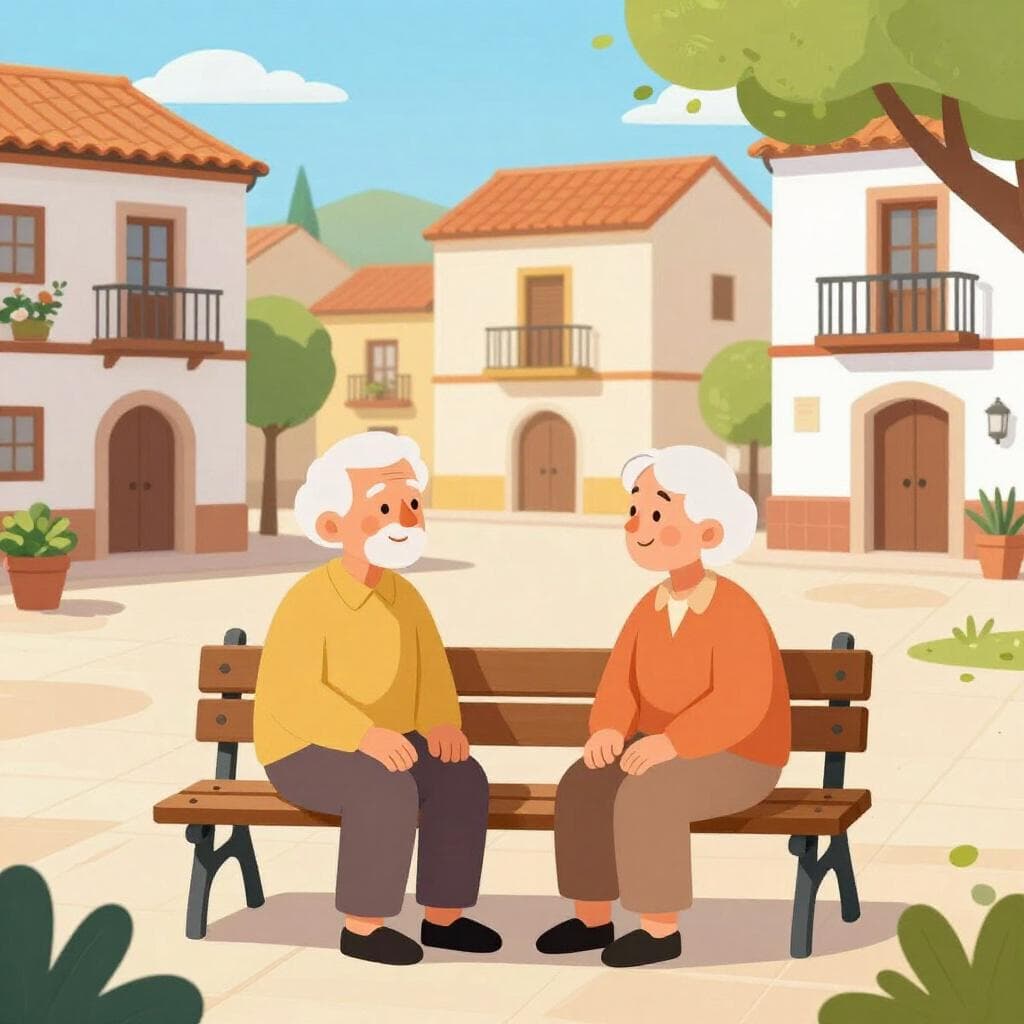
Aragonese
Also: from Aragon
📝 In Action
Mi abuelo es aragonés y le encanta la jota.
A2My grandfather is Aragonese and he loves the jota (traditional dance).
He comprado unos dulces aragoneses deliciosos.
B1I bought some delicious Aragonese sweets.
Me fascina el arte aragonés de la Edad Media.
B2I am fascinated by Aragonese art from the Middle Ages.
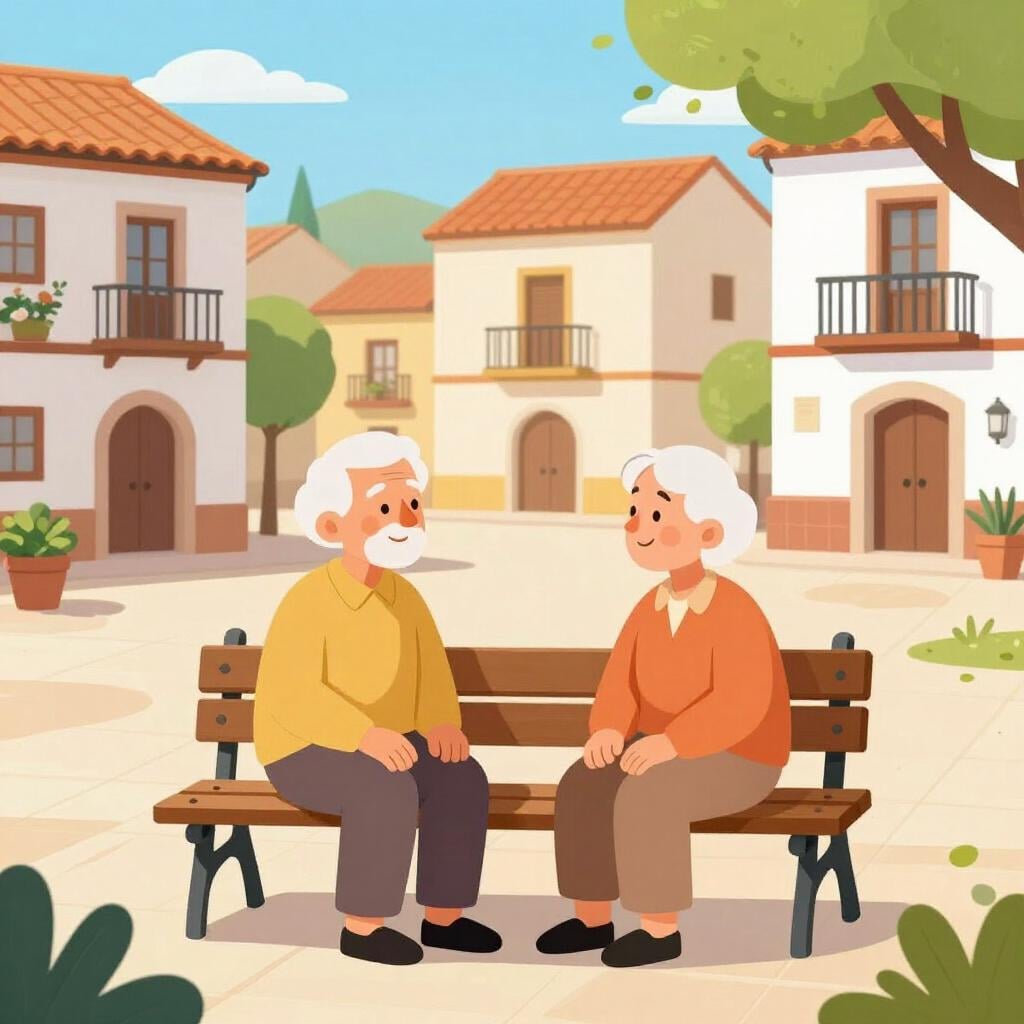
Aragonese
📝 In Action
El aragonés es una lengua románica con mucha historia.
B2Aragonese is a Romance language with a lot of history.
Todavía hay miles de personas que hablan aragonés en los valles del norte.
C1There are still thousands of people who speak Aragonese in the northern valleys.
Estoy estudiando un poco de aragonés para mi viaje a Huesca.
B2I am studying a bit of Aragonese for my trip to Huesca.
Translate to Spanish
✏️ Quick Practice
Quick Quiz: aragonés
Question 1 of 3
How do you describe a group of girls from Aragon?
📚 More Resources
👥 Word Family▼
🎵 Rhymes▼
📚 Etymology▼
From the name of the region 'Aragón' plus the suffix '-és' (used for origins). The name Aragon itself likely comes from the Aragon River, which may have ancient roots meaning 'water' or 'valley'.
First recorded: 13th century
Cognates (Related words)
💡 Master Spanish
Take your Spanish to the next level. Read 200+ illustrated and narrated Spanish stories tailored to your level with the Inklingo app!
Frequently Asked Questions
What is a 'maño'?
It is a very common, friendly nickname for someone from Aragon (specifically Zaragoza). It's like calling someone from New York a 'New Yorker' but with a more affectionate, local feel.
Does everyone in Aragon speak the Aragonese language?
No, most people speak Spanish. The Aragonese language is mostly spoken in the northern valleys of the Pyrenees by a smaller number of people.
Why does the accent disappear in 'aragonesa'?
Spanish accent rules! In 'aragonés', the stress is on the last syllable, so we need the mark. In 'aragonesa', the stress is naturally on the second-to-last syllable ('SE'), so the written mark is no longer needed.