armónico
“armónico” means “harmonious” in Spanish. It has 2 different meanings depending on context:

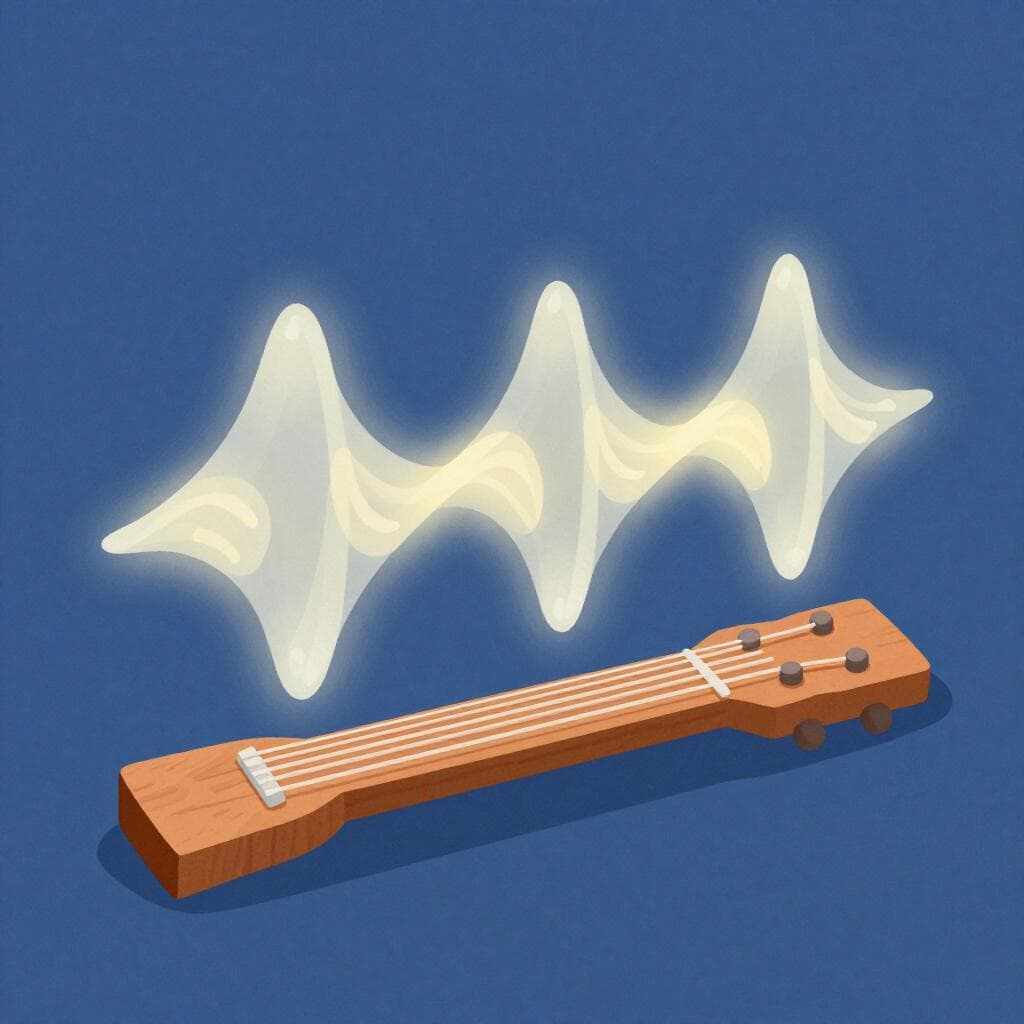
harmonious, harmonicAlso: balanced, pleasant

📝 In Action
El arquitecto buscaba un diseño armónico con la naturaleza.
B1The architect was looking for a design that was harmonious with nature.
La orquesta logró un sonido armónico y equilibrado.
B2The orchestra achieved a harmonic and balanced sound.
Es importante mantener un crecimiento armónico en la ciudad.
C1It is important to maintain balanced growth in the city.
Word Connections
harmonic
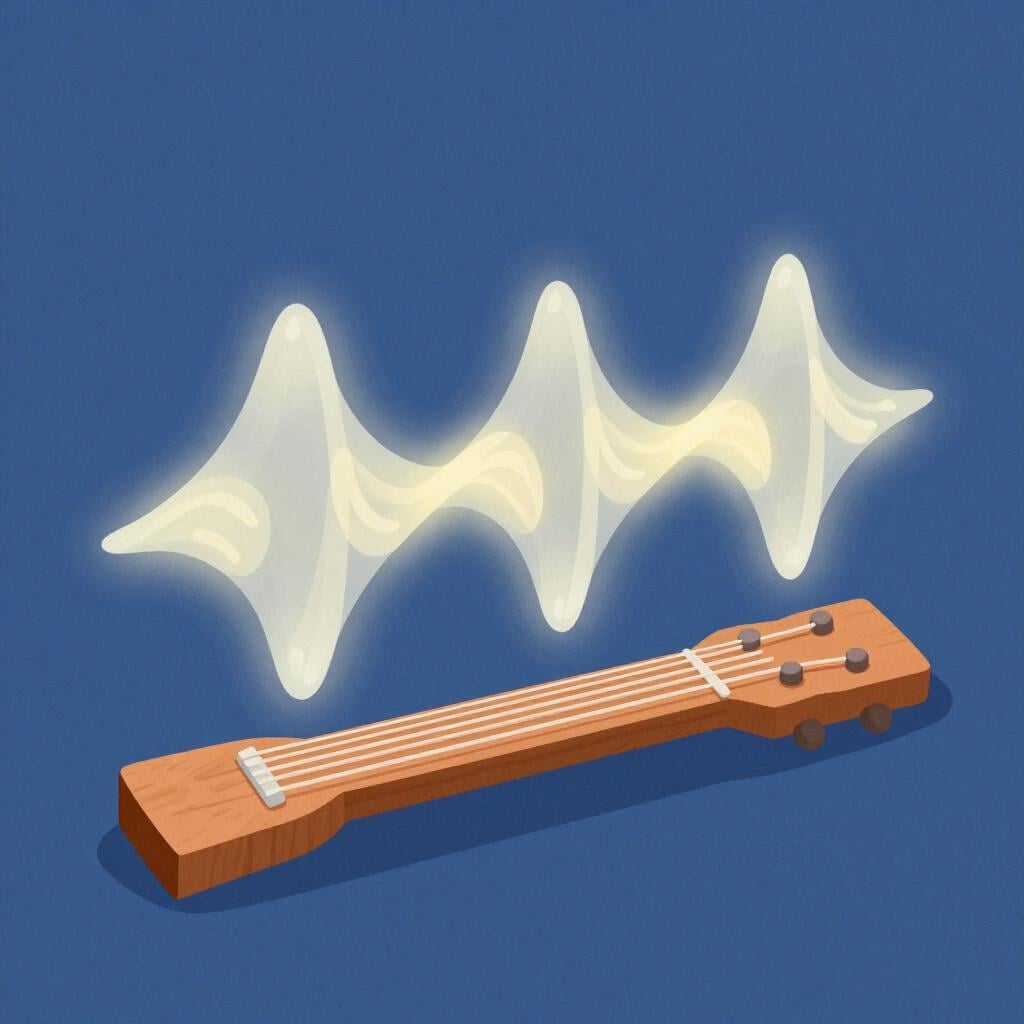
📝 In Action
El guitarrista usó armónicos para terminar la canción.
C1The guitarist used harmonics to finish the song.
Cada nota musical tiene una serie de armónicos naturales.
C2Every musical note has a series of natural harmonics.
Los armónicos son esenciales en la acústica de una sala.
C2Harmonics are essential in the acoustics of a room.
Word Connections
Translate to Spanish
Words that translate to "armónico" in Spanish:
✏️ Quick Practice
Quick Quiz: armónico
Question 1 of 3
Which form would you use to describe 'una canción' (a song)?
📚 More Resources
👥 Word Family
🎵 Rhymes
📚 Etymology
From the Greek word 'harmonikós', which described someone skilled in music or something that was well-fitted. It traveled through Latin as 'harmonicus' before becoming Spanish.
First recorded: 15th century
Cognates (Related words)
💡 Master Spanish
Take your Spanish to the next level. Read 200+ illustrated and narrated Spanish stories tailored to your level with the Inklingo app!
Frequently Asked Questions
Is there a difference between 'armónico' and 'armonioso'?
Yes! 'Armónico' is often more technical or related to proportions (like music theory or architecture), while 'armonioso' is used to describe things that are pleasing, peaceful, or beautiful to experience.
Can I use 'armónico' to describe a person's personality?
It is not common. It is better to use 'equilibrado' (balanced) or 'tranquilo' (calm). 'Armónico' is usually for things like sounds, shapes, or growth.
How do I remember the pronunciation?
Focus on the stress on the second syllable: ar-MÓ-ni-co. The accent mark on the 'o' tells you exactly where to put the emphasis!