arruinó
“arruinó” means “ruined” in Spanish. It has 2 different meanings depending on context:
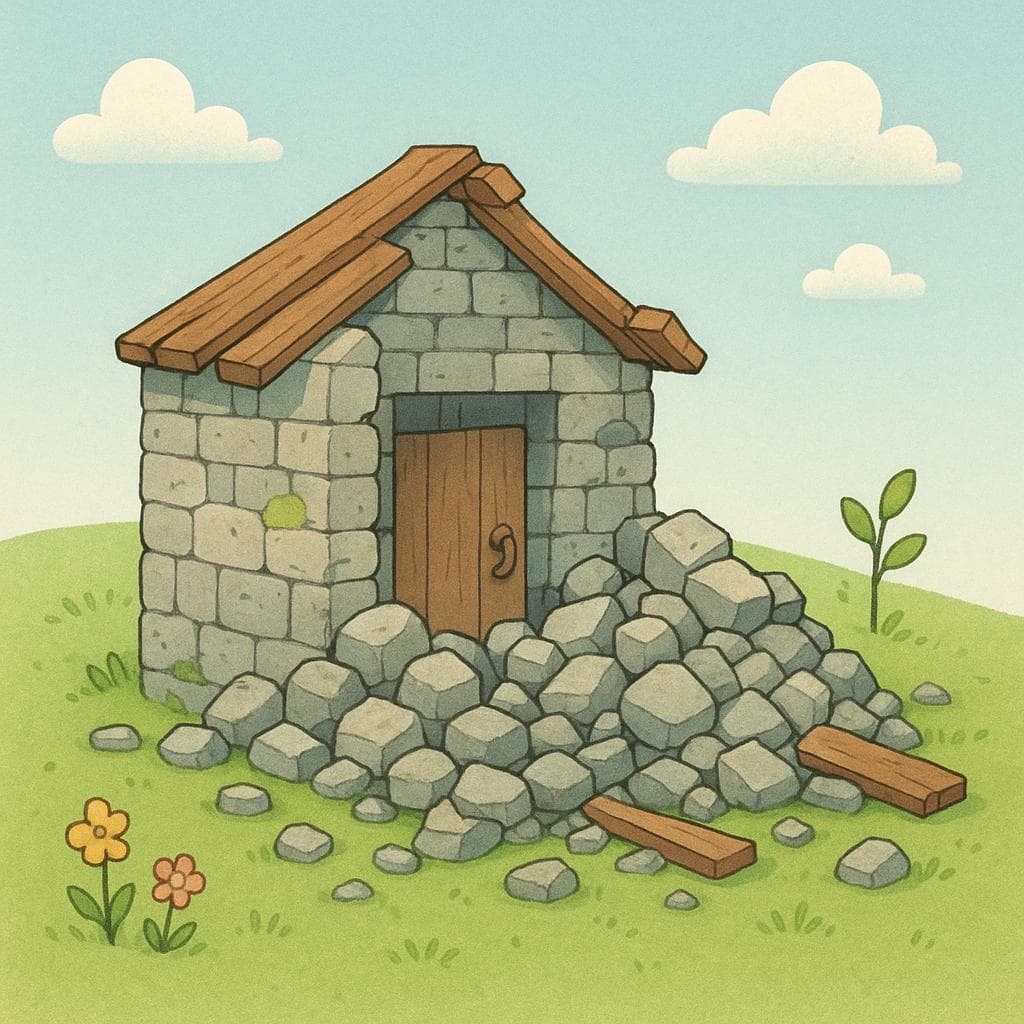

ruined, bankrupted
Also: destroyed, wrecked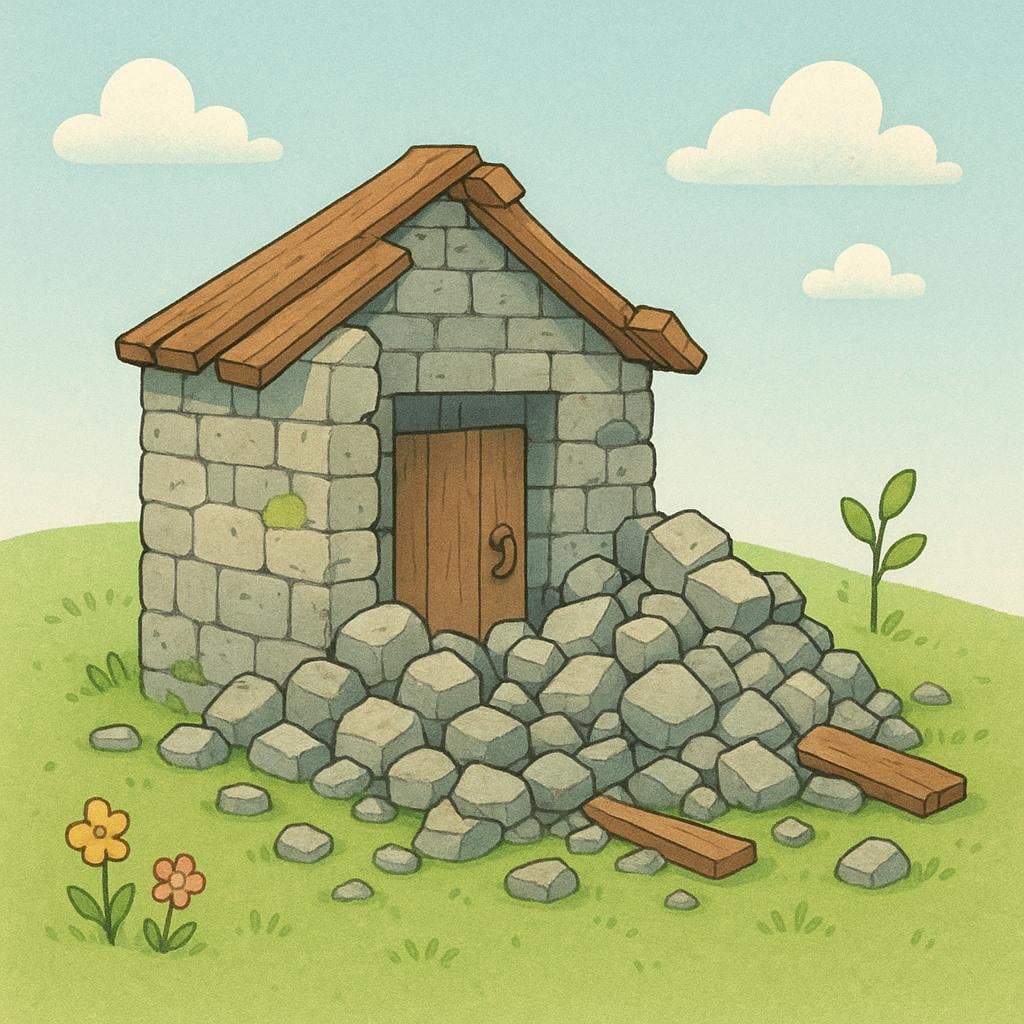
📝 In Action
El huracán arruinó todas las cosechas en la costa.
B1The hurricane ruined all the harvests on the coast.
La mala inversión arruinó su negocio en solo un año.
B2The bad investment bankrupted his business in just one year.
spoiled, messed up
Also: wrecked
📝 In Action
Su mal humor arruinó la cena para todos.
A2His bad mood spoiled dinner for everyone.
Esa mentira arruinó su reputación para siempre.
B1That lie ruined his reputation forever.
🔄 Conjugations
indicative
present
imperfect
preterite
subjunctive
present
imperfect
Translate to Spanish
Words that translate to "arruinó" in Spanish:
bankrupted→✏️ Quick Practice
Quick Quiz: arruinó
Question 1 of 2
Which sentence correctly uses 'arruinó' to mean 'spoiled an event'?
📚 More Resources
👥 Word Family▼
📚 Etymology▼
Comes from the Latin word 'ruina,' meaning 'a falling down' or 'collapse.' The Spanish verb 'arruinar' literally means 'to bring something to ruin.'
First recorded: Late Middle Ages
Cognates (Related words)
💡 Master Spanish
Take your Spanish to the next level. Read 200+ illustrated and narrated Spanish stories tailored to your level with the Inklingo app!
Frequently Asked Questions
How is 'arruinó' different from 'destruyó'?
Both mean 'destroyed,' but 'arruinó' often carries the meaning of financial or figurative ruin (like reputation or plans), while 'destruyó' (from destruir) is typically used for physical, violent demolition.
Is 'arruinó' a past tense form?
'Arruinó' is the simple past tense (preterite) form. It tells you that 'He, she, it, or you (formal)' completed the action of ruining at a specific moment in the past.