ataques
“ataques” means “attacks” in Spanish. It has 2 different meanings depending on context:

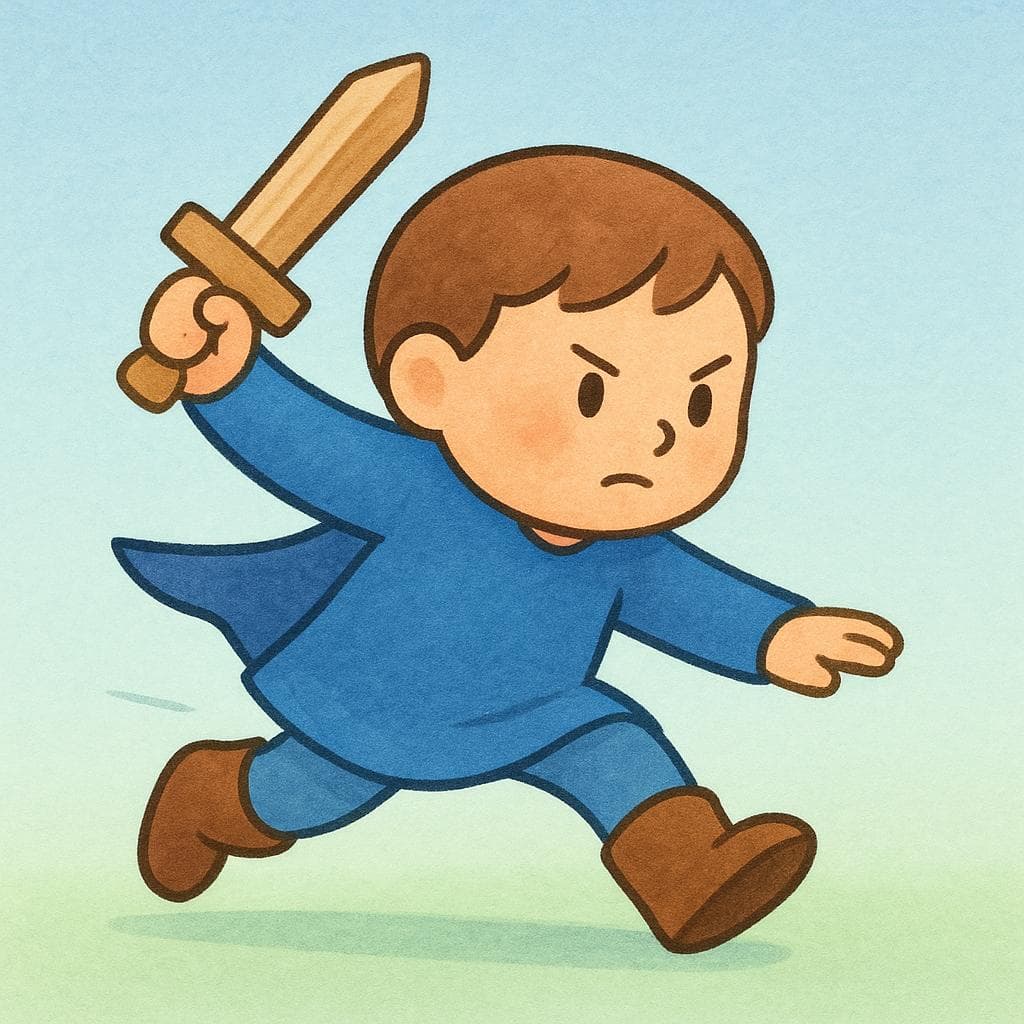
attacks, fits
Also: assaults, seizures
📝 In Action
Los ataques de ansiedad son cada vez más comunes.
B1Anxiety attacks are becoming more and more common.
La ciudad sufrió varios ataques aéreos durante la guerra.
B2The city suffered several aerial attacks during the war.
Recibimos muchos ataques informáticos esta semana.
B2We received many computer attacks this week.
that you attack
Also: don't attack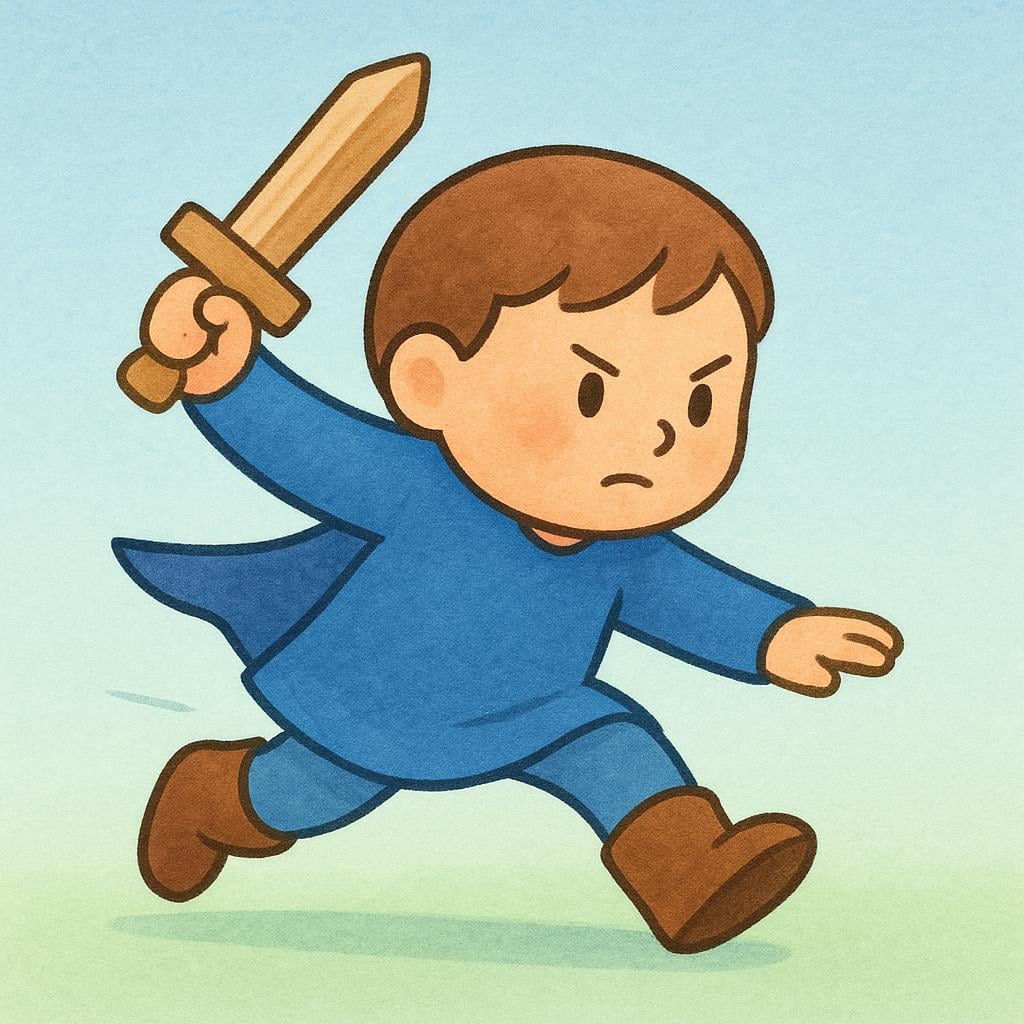
📝 In Action
Te pido que no ataques su reputación públicamente.
B2I ask you not to attack his reputation publicly.
Si tú ataques primero, tendrás la ventaja.
C1If you attack first, you will have the advantage. (Colloquial use replacing indicative)
¡No ataques al equipo contrario, solo defiéndete!
B1Don't attack the opposing team, just defend yourself!
Indicative
Present
Imperfect
Preterite
Subjunctive
Present Subjunctive
Imperfect Subjunctive
Translate to Spanish
✏️ Quick Practice
Quick Quiz: ataques
Question 1 of 2
¿Cuál es el significado de 'ataques' en la frase: 'El doctor dijo que eran ataques de tos'?
📚 More Resources
👥 Word Family▼
🎵 Rhymes▼
📚 Etymology▼
The word comes from the French verb *attaquer*, which itself is rooted in older Germanic and Romance languages, meaning 'to attach' or 'to assault'. It entered Spanish relatively late.
First recorded: 16th century
Cognates (Related words)
💡 Master Spanish
Take your Spanish to the next level. Read 200+ illustrated and narrated Spanish stories tailored to your level with the Inklingo app!
Frequently Asked Questions
¿Es 'ataques' siempre una palabra negativa?
Generally, yes. It usually refers to physical or verbal assaults, or negative medical events like panic attacks. However, in sports (like chess), it can be used neutrally to describe offensive moves.
¿Cómo distingo si 'ataques' es un sustantivo o un verbo?
Look at the words around it. If it's preceded by an article (los/unos) or an adjective (muchos), it's the noun ('los ataques'). If it follows a trigger phrase like 'espero que' (I hope that) or is used as a negative command ('No ataques...'), it's the verb form.